
Water stains at the roofline usually start small – a little peeling paint, a dark line behind the gutter, maybe a soft spot near a corner. That is often the first sign homeowners are asking the right question: how to protect fascia from runoff before minor water exposure turns into rot, pest damage, or a full gutter replacement.
Fascia boards are easy to overlook because they sit quietly behind the gutter system. But they do important work. They support the gutter, finish the roof edge, and help shield the roof structure from moisture. When runoff gets behind the gutters or spills over where it should not, fascia is one of the first materials to take the hit.
Why fascia fails when runoff is not controlled
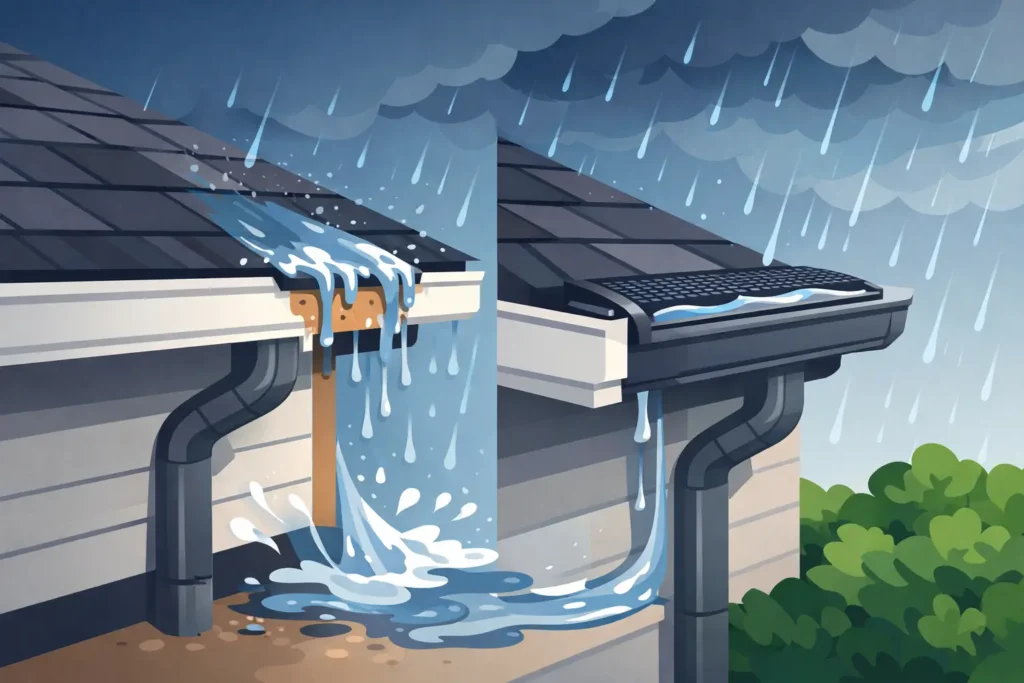
Most fascia damage is not caused by one major storm. It builds over time. Water can overshoot undersized gutters, backflow from clogs, slip behind the gutter if the drip edge is missing or installed wrong, or pool in sections where the gutter pitch is off. Even a good gutter system will struggle if one of those pieces is out of place.
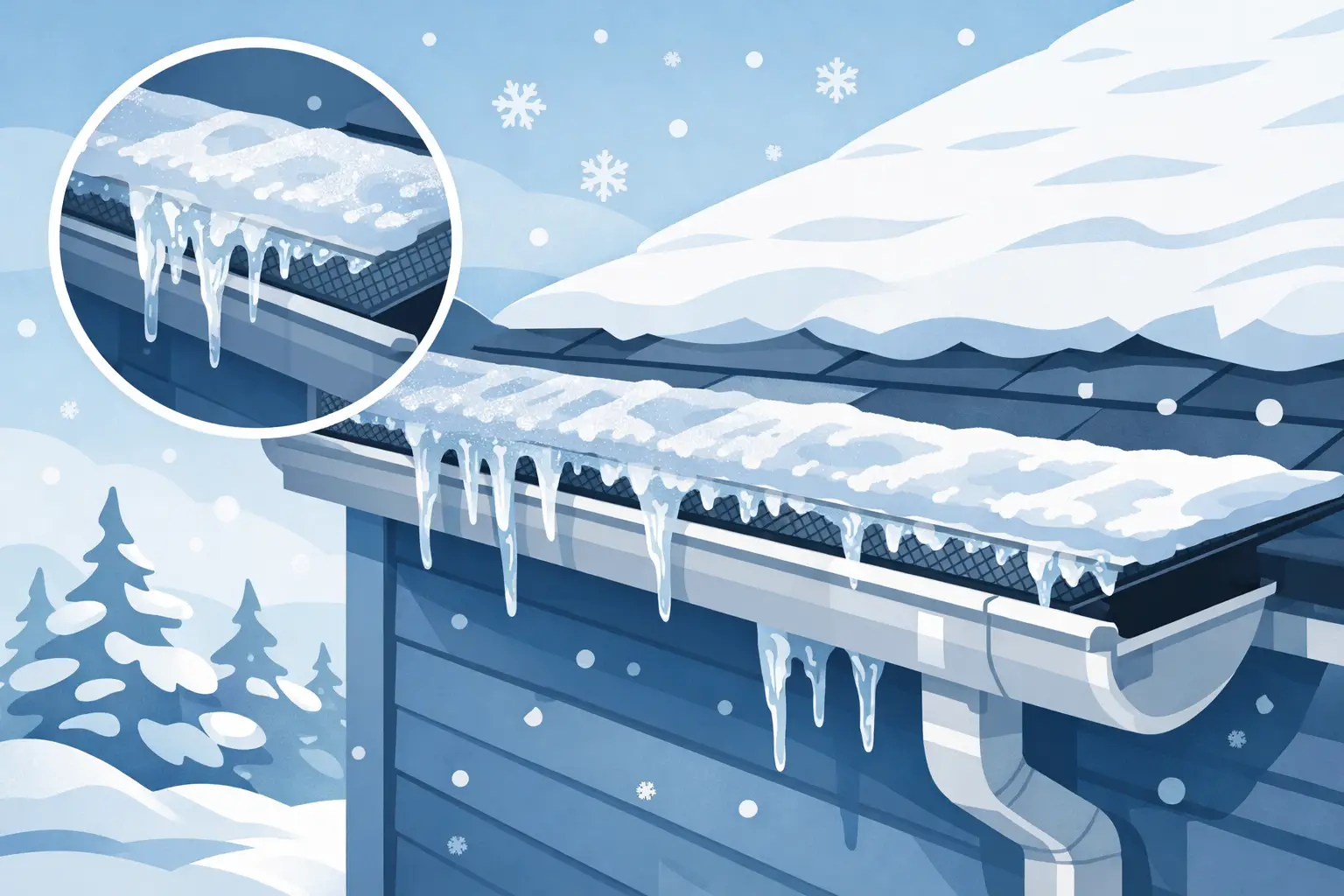
Once fascia stays wet, the paint starts to fail. Then the wood absorbs moisture. In colder weather, freeze-thaw cycles can open things up even more. If the problem continues, fasteners loosen, gutters pull away, and the repair gets more expensive because now you are dealing with both water management and structural attachment.
This is why learning how to protect fascia from runoff is really about the full roof-edge system, not just the board itself.
Start with the gutter design, not just the fascia board
If runoff is damaging fascia, many homeowners assume the board needs a better coating or a wrap. Sometimes that helps, but it is rarely the first fix. The first question is whether the gutter system is collecting and moving water correctly.
A properly sized gutter matters more than people think. In areas with heavy spring rain, steep roof sections, or large roof planes, a small gutter can get overwhelmed fast. Water rolls over the front edge and splashes back onto the fascia and soffit. If you have repeated overflow during normal storms, not just extreme downpours, sizing could be part of the issue.
Seamless gutters are often the better long-term option because they reduce joints where leaks tend to form. Fewer seams means fewer weak points for dripping water to reach the fascia. That does not make them maintenance-free, but it does give runoff fewer chances to escape where it should not.
Gutter pitch has to be right
Even a high-quality gutter will hold water if it is not sloped correctly toward the downspouts. Standing water is hard on fasteners, hard on the gutter itself, and hard on the fascia behind it. Over time, that trapped moisture can seep into wood trim and create the same kind of damage as an obvious overflow.
Pitch problems are common after older gutters settle, after storm damage, or when a system was installed quickly without careful measurement. If one section always seems to drip long after rain ends, that is worth checking.
Downspout placement affects roof-edge protection
If downspouts are too few, or too small for the roof area, gutters can back up during heavier rain. The water has nowhere to go quickly enough, so it spills over the edge or sits against the fascia longer than it should. More capacity is not always visible from the ground, but it can make a major difference.
The drip edge is a small detail with a big job
One of the most common reasons fascia gets wet is water slipping behind the gutter instead of dropping into it. That usually points to a drip edge problem.
The drip edge is the metal flashing installed at the roof edge to guide water off the shingles and into the gutter. If it is missing, too short, or tucked incorrectly, runoff can curl back under and travel toward the fascia board. Homeowners often do not notice this until paint blisters or the wood starts to soften.
A good gutter installation should work with the roof edge, not fight it. If the shingles, drip edge, and gutter do not line up properly, fascia stays exposed no matter how often the gutters are cleaned. This is one of those issues where patching the symptom does not solve the cause.
Clogs are one of the fastest ways to ruin fascia
Leaves, seed pods, maple helicopters, and roof grit do more than make gutters look full. They slow water, trap moisture, and create overflow points. When water pours over the back or front of a clogged gutter, fascia is directly in the line of fire.
This is especially common near valleys and inside corners where roof runoff concentrates. One clogged section can dump a surprising amount of water onto a small area of trim. That repeated soaking is enough to cause rot, especially on older wood fascia.
How to protect fascia from runoff with less maintenance
If you are tired of cleaning the same problem spots every season, a gutter protection system may be the better answer. This is where product quality matters. Cheap screens can shift, clog on top, or create their own overflow issues if they are not designed for the roof and rainfall conditions.
A well-built leaf protection system helps water enter the gutter while keeping debris out, which reduces the overflow that leads to fascia damage. Continuous-hanger designs also help support the gutter itself, which matters because sagging sections often allow water to sit against the fascia longer.
There is a trade-off here. No guard system eliminates every bit of maintenance forever, especially in areas with heavy tree coverage. But a premium guard can cut down the clogs and service frequency that put fascia at risk in the first place.
Repairing fascia without fixing runoff is a short-term win
If the board is already soft, split, or rotted, it may need repair or replacement. But replacing fascia without correcting runoff is like repainting a leak stain without fixing the leak.
Wood replacement may be the right move when damage is advanced. Aluminum-wrapped fascia can also add protection, but it still depends on the gutter and roof edge directing water correctly. Wraps are not waterproof if water is getting behind them, and trapped moisture can make hidden damage worse.
The right approach depends on the age of the home, the condition of the trim, and how the runoff problem started. Sometimes the repair is simple. Sometimes the fascia damage is just the visible part of a larger drainage issue.
Signs your fascia is being damaged by runoff
Some warning signs are obvious, and some are easy to dismiss until the problem spreads. Watch for peeling paint, swollen trim, dark streaks, rusted gutter fasteners, drips behind the gutter, sagging sections, and mildew near the roofline. You may also notice gutters pulling loose in just one area, which often means the wood behind the fasteners is no longer solid.
If water spills over during rain but the gutters look clean from the ground, that does not automatically mean they are fine. The issue could be pitch, drip edge alignment, hidden debris, or insufficient capacity for the roof section.
What homeowners should look for during an inspection
A proper inspection should go beyond saying the fascia is bad. It should identify why the fascia got wet. That means checking gutter slope, attachment points, downspout capacity, debris buildup, roof edge flashing, and any signs of water getting behind the system.
This is where transparency matters. Homeowners should be able to see whether they need a cleaning, a repair, a partial replacement, or a full upgrade. Vague recommendations lead to repeat problems and surprise costs later.
For homeowners in Eastern Indiana and Western Ohio, where seasonal storms and falling leaves both put pressure on gutter systems, it makes sense to solve the whole runoff path at once. Seamless Gutter Solutions approaches it that way – with clear inspections, detailed quotes, and no hidden fees, so you know whether the problem is the fascia, the gutter system, or both.
The best long-term way to protect fascia from runoff
The best protection comes from layers working together: properly sized gutters, correct pitch, enough downspout capacity, a drip edge that directs water where it belongs, and regular cleaning or quality leaf protection to keep everything flowing. If one part fails, fascia often pays the price.
That is why the cheapest fix is not always the least expensive one. A quick patch can buy time, but if runoff is still hitting the roof edge wrong, you will likely be back in the same spot after the next wet season.
If your fascia is showing early signs of water damage, treat it as a drainage warning, not just a trim issue. Catching it early gives you more repair options, lower costs, and a much better chance of keeping water out of the parts of your home you cannot easily see.