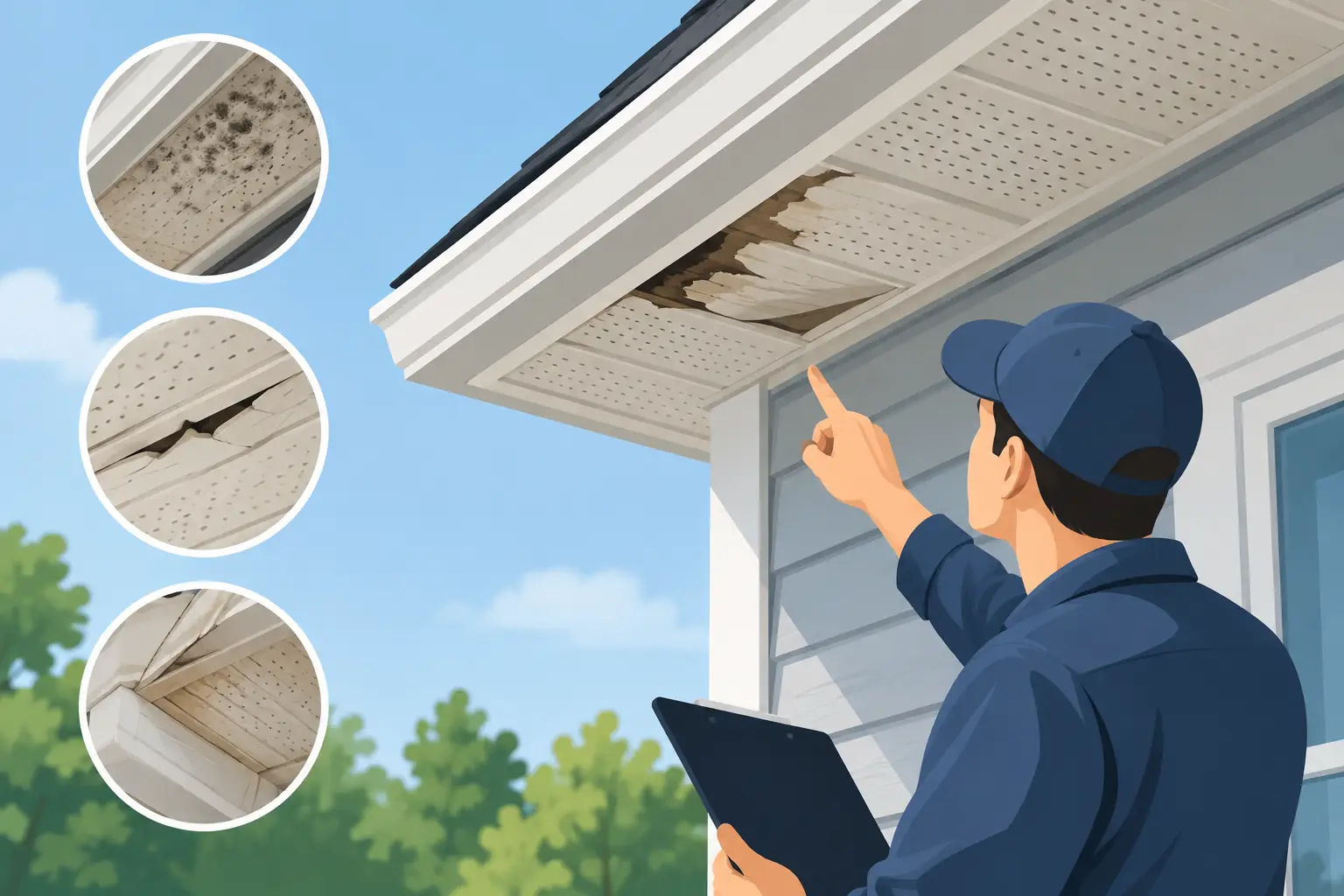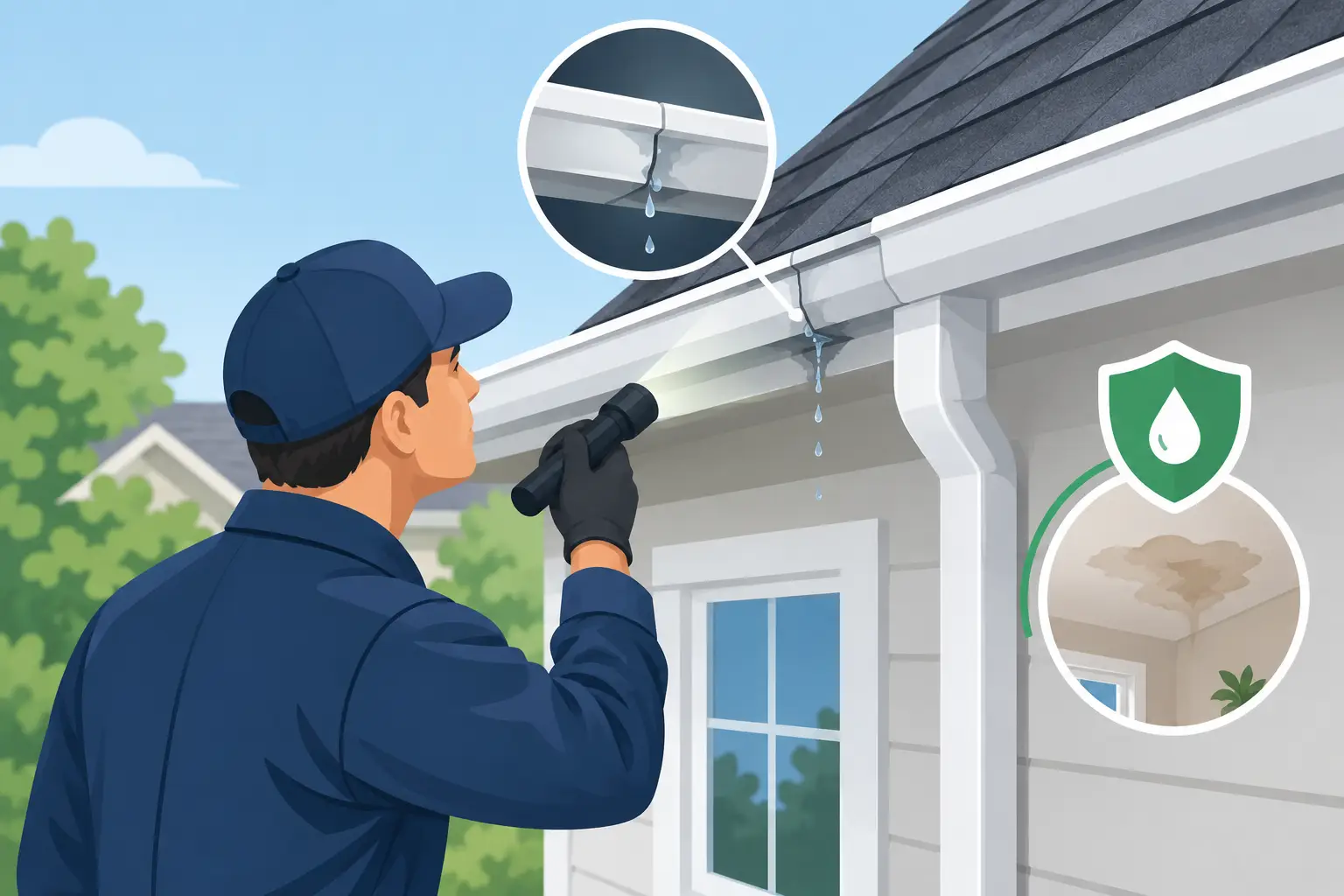


A gutter that is too small usually does not fail quietly. It overflows at the corners, dumps water right where you do not want it, and leaves you wondering why you still have muddy beds, peeling paint, or a wet basement wall even though you “have gutters.” If you are asking, “what size gutters do I need,” you are already thinking about the right problem: moving roof runoff away from the house fast enough to prevent damage.
What size gutters do I need? Start with the job, not the inches
Gutter sizing is really about capacity. During a heavy rain, your roof becomes a collection surface and every valley, slope, and downspout has to handle that volume. The “size” of the gutter (most commonly 5-inch or 6-inch K-style on homes in our area) is simply one piece of a system that includes downspout size, how many downspouts you have, where they are placed, and how the water is discharged.
A good rule of thumb for homeowners is this: if you pick a gutter size without thinking about roof layout and water volume, you are guessing. Guessing sometimes works on small, simple roofs. On larger homes, steep pitches, and roofs with long runs or big valleys, guessing is how you end up paying twice.
The two gutter sizes most homeowners compare: 5-inch vs 6-inch
Most residential homes in Eastern Indiana and Western Ohio are fitted with 5-inch K-style gutters by default. They are common, cost-effective, and perfectly capable on many rooflines.
A 6-inch K-style gutter is the next step up in capacity. It can handle more water before it reaches the lip and spills. That extra capacity matters most when your roof sheds water quickly (steep pitch), concentrates water into valleys, or has large planes draining to one section of gutter.
There is no “best” size for every home. The trade-off is simple: 6-inch gutters cost more and can look slightly larger on the fascia, but they can dramatically reduce overflow risk in problem areas. If you have ever seen water shoot over the gutter during a downpour, you have already seen what undersized capacity looks like in real life.
The four factors that actually determine gutter size
Roof square footage and drainage area
The bigger the roof area feeding a gutter run, the more water it has to carry. What trips people up is that “roof area” is not always the same as the footprint of the house. A two-story home can have a smaller roof than a sprawling ranch. Dormers, additions, and garage tie-ins can also shift a surprising amount of water into one or two runs.
If one long back run is catching most of the roof, it may need a larger gutter or more downspouts even if the rest of the home would be fine with standard sizing.
Roof pitch (how fast water gets there)
Steeper roofs move water faster. Even with the same square footage, a steep pitch effectively increases how much water arrives at the gutter at one time. This is one reason you might see overflow on a newer home with “normal” gutters. The gutters are not necessarily installed wrong – they are just being asked to do more than their capacity during peak flow.
Roof shape: valleys, long runs, and concentrated discharge points
Valleys are the big one. A valley takes water from two roof planes and funnels it into one place. That means a short section of gutter can be doing the work of a much longer roof edge.
Long gutter runs without enough downspouts create a similar bottleneck. Water has to travel farther horizontally, and during heavy rain the gutter can fill faster than it can drain.
Local rainfall and storm intensity
Around Richmond, IN and throughout the region, we see storms that can dump a lot of water quickly. Gutter size decisions should consider intensity, not just average rainfall. A system that is “fine most of the time” but overflows in the storms that matter is not really protecting the home.
When 5-inch gutters are usually enough
If your home has a relatively simple roofline, modest pitch, and adequate downspouts, 5-inch gutters often perform well. Many ranch homes, smaller colonials, and homes without major valleys can run 5-inch gutters without overflow issues, especially when the gutters are clean and properly sloped.
The key phrase there is “clean and properly sloped.” A perfectly sized gutter still fails if it is holding debris, sagging, or pitched incorrectly. If you are seeing overflow and the gutters are packed with grit and shingle granules, that is not a sizing problem – that is a maintenance problem.
When 6-inch gutters are the safer call
If you are trying to decide between 5-inch and 6-inch, pay attention to the spots where water concentrates.
6-inch gutters are often a better fit when you have pronounced valleys, a steep roof, or a large roof plane draining to one run. They are also worth considering if you have had repeated overflow at corners or in the middle of long runs, even after cleaning.
Another scenario: if you are already investing in new seamless gutters, it can be smart to size up in specific areas rather than replacing standard gutters now and discovering later that one trouble section needed more capacity.
Downspouts matter as much as gutter size
A bigger gutter without enough downspout capacity is like a wider funnel draining into the same small straw. Many overflow complaints are actually downspout limitations.
Most homes use 2×3 downspouts, but 3×4 downspouts can move significantly more water. Placement matters too. If downspouts are only on the ends of a long run, water has to travel the full distance to drain. Adding a downspout closer to a valley or the middle of a long run can reduce peak water level in the gutter.
If you are comparing bids, ask whether the quote includes downspout size and count – not just gutter size. This is one of those details that directly affects performance but is easy to gloss over in a vague estimate.
Don’t confuse overflow with “clogged” – sometimes it’s both
Homeowners are often told, “Your gutters overflow because they’re clogged.” Sometimes that is true. But it is also common to have a system that is both partially restricted and undersized for storm peaks.
Here is the practical way to think about it:
If overflow happens only after weeks of leaves and seed pods, cleaning and a quality guard can fix it.
If overflow happens even right after a cleaning, you likely have a capacity or layout issue – gutter size, downspout size, downspout placement, or a slope problem.
And if overflow happens at one specific spot (often under a valley), you may not need to upsize the whole house. You may need a targeted upgrade where the water actually concentrates.
Leaf protection can change your maintenance, not your rainfall
Leaf protection is a performance upgrade, but it does not replace proper sizing. A premium guard can help keep the system flowing the way it was designed by preventing clogs, especially in wooded neighborhoods.
The important nuance: guards do not increase gutter capacity. They help your gutters keep their capacity during the seasons when debris would otherwise reduce it.
If you are choosing a guard, look for a system that supports the gutter structurally and keeps a consistent flow path. For homeowners who want a durable option, Double Pro by Alurex is a continuous-hanger style guard that reinforces the gutter and helps maintain long-term alignment. That alignment matters because sagging changes slope, and slope changes how well any gutter drains.
A homeowner-friendly way to get the right answer without guessing
You do not need to become a drainage engineer to make a good decision, but you do need a contractor who will evaluate the whole system and explain the recommendation.
A proper sizing recommendation should be based on your roof’s high-volume areas, not a one-size-fits-all default. It should consider where the valleys hit, how long each run is, how many downspouts you have, and whether the discharge routes water away from the foundation.
If you are in the Richmond area or nearby counties and want a clear, itemized recommendation with no surprises, Seamless Gutter Solutions LLC offers free inspections and estimates and spells out the scope so you can see exactly what you are paying for: https://sgsrichmond.com.
What to ask in an estimate (so you don’t pay twice)
You do not have to interrogate your installer, but a few direct questions prevent most misunderstandings.
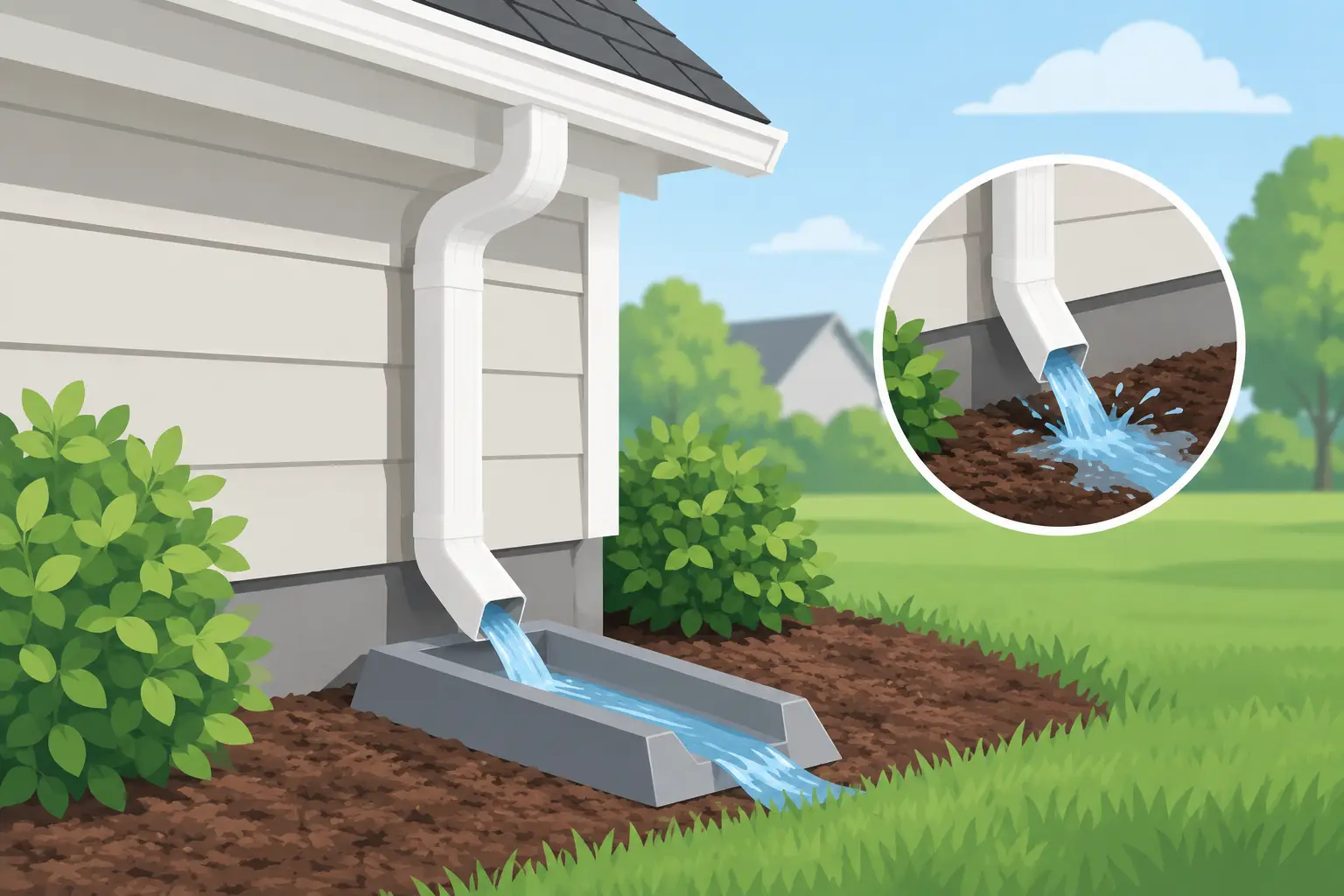
Ask whether they are recommending 5-inch or 6-inch gutters and why for your roofline. Ask what downspout size they are installing and how many downspouts are included. Ask how they handle valley areas and long runs. Finally, ask where the downspouts will discharge and whether extensions or underground drains are part of the plan.
A straightforward contractor will not dodge those questions. They will welcome them, because the answers are what make the system work.
A well-sized gutter system is not about buying “bigger” for the sake of bigger. It is about buying enough capacity in the places your roof demands it, so the next hard rain is just weather – not a test your home has to fail.