

A lot of gutter problems start long before water spills over the edge. They start when leaves, seed pods, and roof grit build up slowly enough that you do not notice until the first hard rain. That is why leaf guard installation matters. Done well, it reduces clogs, cuts down on risky ladder trips, and helps your gutters do the job they were installed to do – move water away from your roofline, siding, foundation, and landscaping.
For homeowners in Eastern Indiana and Western Ohio, that is not a small issue. We get heavy spring rain, summer storms, falling leaves, and plenty of debris from mature trees. A gutter system that works fine in dry weather can fail fast when it is packed with buildup. Leaf protection is not about making gutters maintenance-free. It is about making them work better, longer, and with far less hands-on upkeep.
What leaf guard installation is really supposed to do
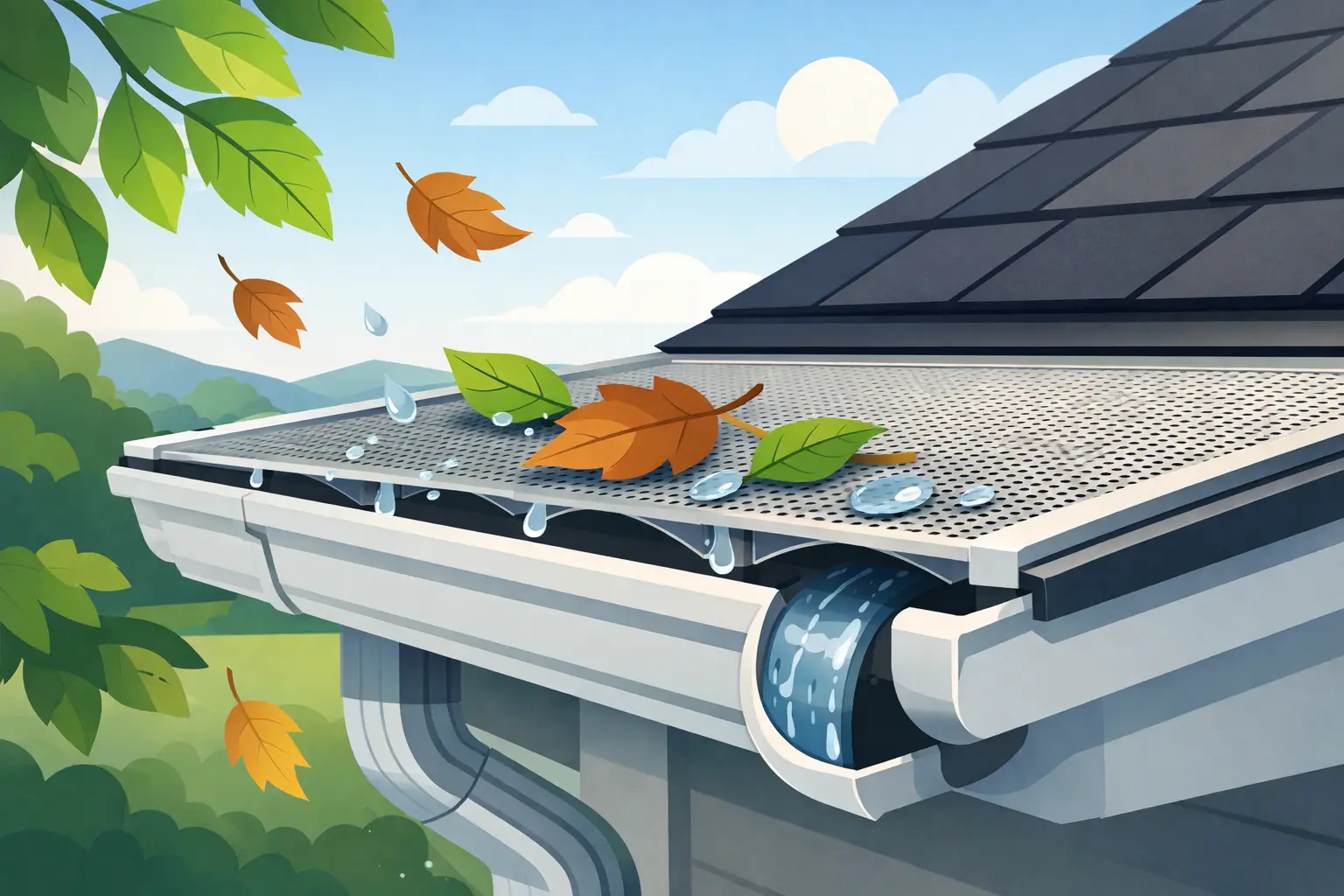
A good guard system should do two things at the same time. It should keep the bulk of debris out of the gutter, and it should let water in fast enough during real storms. If it does one but not the other, you still have a problem.
That is where many homeowners get frustrated. Some products block leaves well but let water shoot over the front in a downpour. Others let water in but collect debris on top, which means you still end up cleaning the system more than expected. The best result usually comes from matching the guard design to the roof, gutter size, surrounding trees, and the amount of water the home needs to move.
This is also why leaf guard installation is not just a product decision. It is an installation decision. Even a quality guard can underperform if the pitch is wrong, the existing gutter is loose, or the fascia has issues that were never addressed.
Why professional leaf guard installation matters
From the ground, most gutter guards look fairly simple. In practice, they are tied directly to how the entire drainage system performs. A guard has to sit correctly against the roof edge, integrate with the gutter opening, and stay secure through wind, rain, and seasonal expansion.
If the installer skips the condition of the current gutters, the guard may be attached to a system that already has hidden problems. Sagging sections, poor slope, loose hangers, and corners that leak will not be fixed by covering them up. In some cases, adding a guard to a weak gutter system can make the problem harder to spot until water damage appears.
Professional installation starts with inspection, not a sales pitch. The right contractor should look at the condition of the gutters, downspouts, fascia, roof edge, and drainage pattern around the home. That gives you a more honest answer about whether a guard is the right next step, or whether repair or replacement should happen first.
Not all leaf guards perform the same
This is where trade-offs matter. There is no one-size-fits-all product that wins in every situation.
Basic screen systems are common because they are inexpensive and familiar. They can help with large leaves, but they often struggle with smaller debris like shingle grit, maple seeds, pine needles, and roof sediment. Some also sit in a way that allows debris to pile on top, which can eventually restrict water flow.
Reverse-curve styles are designed to pull water into the gutter while sending debris over the edge. In the right setup, they can work well, but they are very sensitive to installation quality and roof conditions. On some homes, they can overshoot during heavy rain if the system is not matched properly.
Micro-mesh products are often marketed as the premium choice because they can block fine debris better than wide screens. That can be true, but performance depends on mesh quality, frame strength, and how the guard is fastened. A weak version may bend, separate, or clog on the surface over time.
For many homeowners, the better question is not which category sounds best. It is which system has a track record of holding up on homes like yours, in weather like ours, with the tree coverage you actually have.
When leaf guard installation makes the most sense
If you are cleaning your gutters multiple times a year, a guard system is usually worth considering. The same goes for homes with a lot of overhanging trees, steep rooflines, second-story gutters, or areas where overflow has already caused staining, washout, or foundation concerns.
It also makes sense when you are replacing gutters. That is often the most efficient time to add protection, because the full system can be sized, pitched, and secured as one complete setup. If your gutters are older, undersized, or starting to pull away from the house, installing guards on top of them may save money now but cost more later.
For newer gutters in solid condition, adding a quality guard can be a practical upgrade. It can extend the useful life of the system by reducing the standing debris and moisture that lead to corrosion, blockage, and unnecessary weight.
What to expect from the installation process
A trustworthy contractor should make this part simple. The process should begin with a free inspection or estimate, followed by a clear explanation of what they found. If there are repairs needed before leaf protection is installed, those should be spelled out clearly instead of being buried in vague pricing.
During installation, the crew should secure the guard system so it supports the performance of the gutter rather than interfering with it. That includes proper alignment, secure fastening, and attention to transitions, corners, and downspout access points. These details matter more than homeowners are often told.
After installation, you should know what level of maintenance is still recommended. Even strong systems can need occasional inspection, especially after severe storms or in homes with heavy tree coverage. Honest contractors say that up front. Promising zero maintenance forever might sound good, but it is not the most reliable standard.
Why the guard and the gutter should work as one system
This is one of the biggest mistakes in the market. Homeowners are often sold a leaf guard as if it is separate from the gutter beneath it. It is not. The guard, gutter, hanger system, downspouts, and roofline all affect each other.
That is one reason continuous-hanger systems have become more appealing to homeowners who want long-term performance, not just a quick add-on. A premium system like DoublePro by Alurex combines leaf protection with structural support, which can improve both debris control and gutter strength. For homes dealing with seasonal debris and freeze-thaw cycles, that kind of integrated design can be a smarter investment than a light screen dropped into an aging gutter.
Seamless Gutter Solutions LLC focuses on that kind of practical, long-term approach. For homeowners who want fewer surprises, it helps to work with a company that can assess the whole system, provide a detailed itemized quote, and explain exactly what is included before work starts.
Red flags to watch for before you book leaf guard installation
If a contractor gives you a price without inspecting the home, that should raise questions. So should broad claims that one product works perfectly on every house. Roof pitch, tree type, gutter condition, and rainfall volume all matter.
Another warning sign is unclear pricing. You should be able to see what you are paying for, especially if repairs, gutter replacement, or additional downspout work are part of the recommendation. Hidden fees and vague language usually do not lead to a better experience once the job begins.
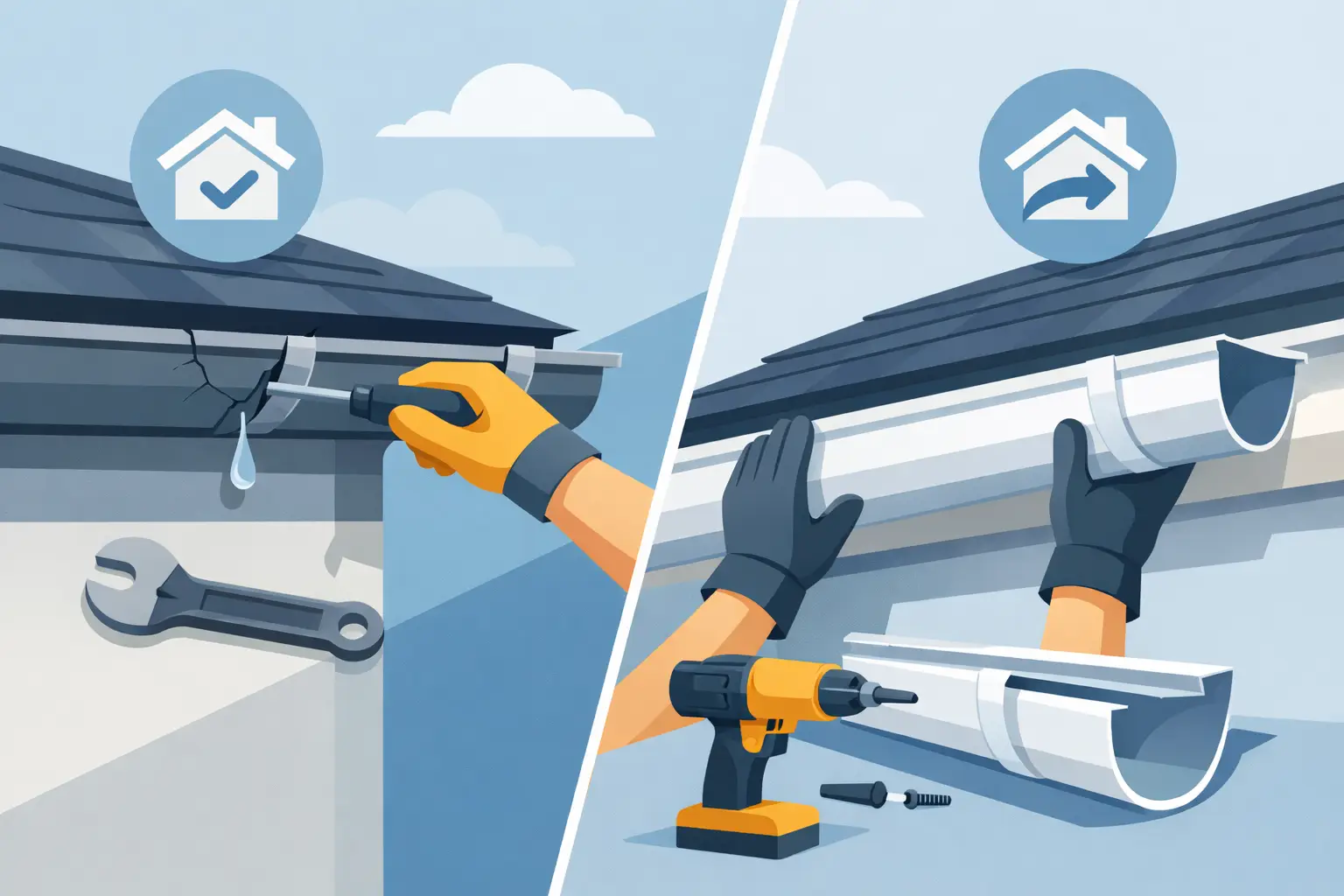
It is also fair to ask what happens if your existing gutters are not in good shape. A reliable contractor will tell you directly whether they can be repaired, whether they should be replaced, and whether leaf protection makes sense now or later.
Making the right decision for your home
Leaf guard installation is usually a smart investment when the goal is less clogging, safer maintenance, and better water control around the home. But the right result depends on more than choosing a product with the best marketing. It depends on getting a system that fits your house, your trees, your weather, and the condition of your gutters right now.
If you are comparing options, ask simple questions. Will this system handle heavy rain well? How does it deal with fine debris? Is my current gutter system strong enough for it? What maintenance should I still expect? And can I get a detailed quote with no hidden fees?
Those questions tend to lead to better decisions than flashy promises. A good installer will welcome them, answer them plainly, and help you protect the parts of your home that water can damage quietly and expensively. When the system is chosen carefully and installed correctly, the payoff is simple: less mess, fewer headaches, and more confidence every time the forecast turns ugly.