

A lot of homeowners start thinking about gutter guards right after a bad storm, when water spills over the front gutter, mulch washes out, and a small maintenance issue suddenly looks expensive. That timing makes sense. Gutters are easy to ignore until they stop doing their job, and when they fail, the damage usually shows up somewhere you do not want it – around the foundation, behind fascia boards, across siding, or in the landscaping you just paid to refresh.
If you are trying to decide whether gutter guards are worth it, the short answer is yes for many homes – but not every guard performs the same, and not every house has the same needs. The best choice depends on the trees around your home, the pitch of the roof, the condition of the current gutter system, and whether you want to reduce maintenance or solve a recurring drainage problem for good.
What gutter guards actually do
Gutter guards are built to keep leaves, seed pods, and larger debris out of the gutter while still allowing rainwater to flow into the system and down the downspouts. The goal is simple: keep water moving where it belongs and cut down on clogs.
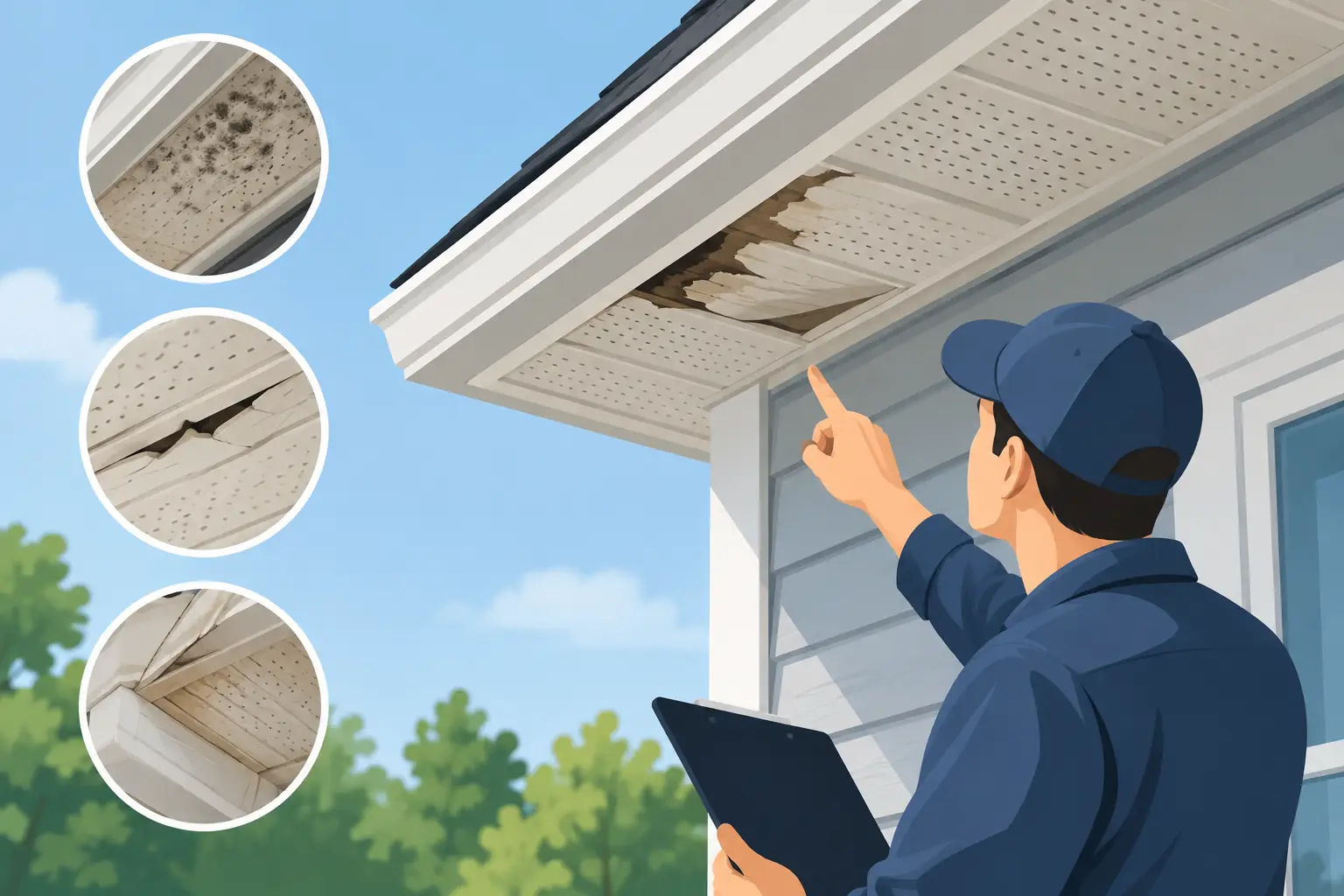
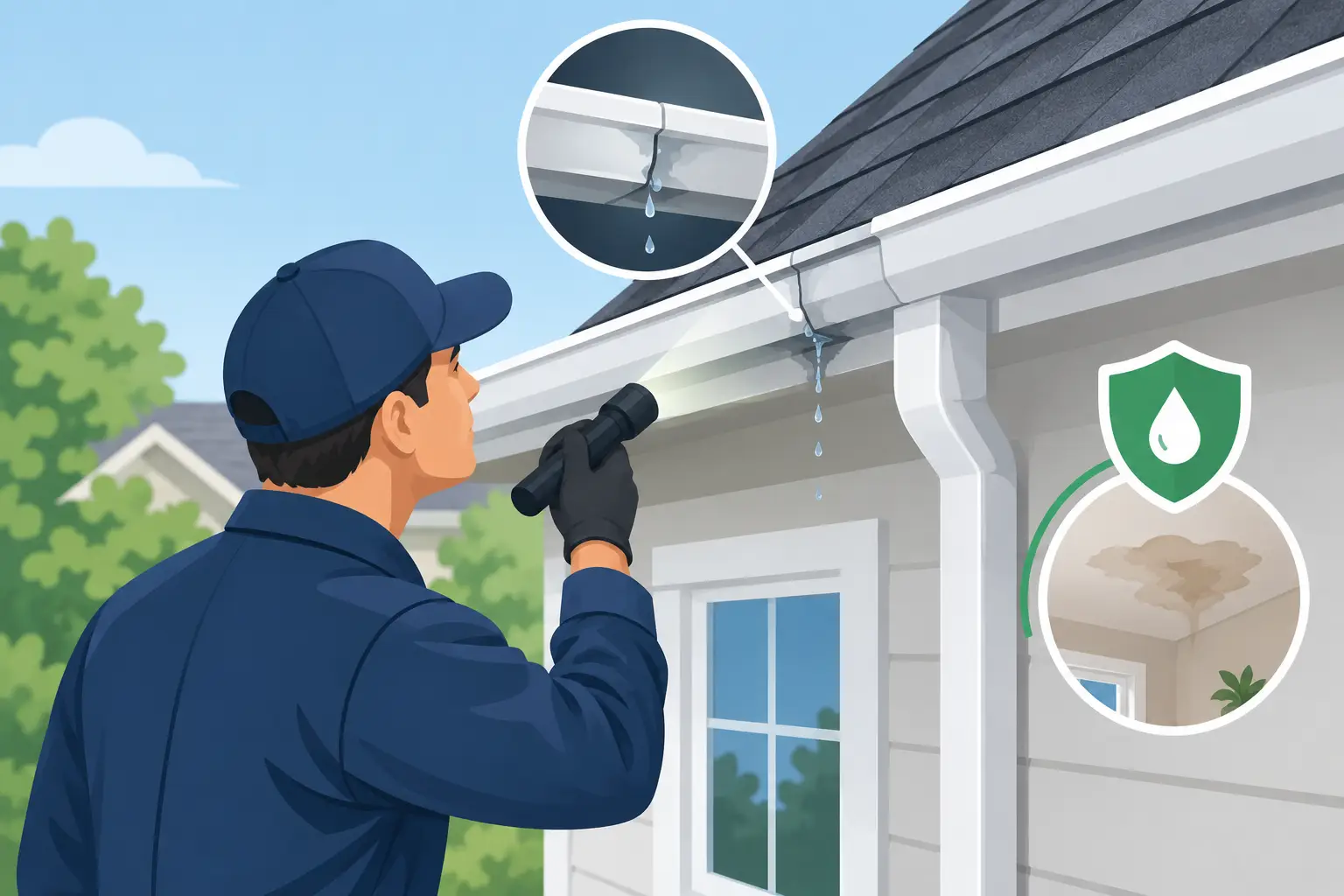
That sounds straightforward, but the real benefit is bigger than fewer cleanings. A clogged gutter gets heavy. Water can back up under shingles, overflow near the foundation, stain siding, and pull on fasteners. In colder weather, trapped water can also contribute to ice buildup. Guards help reduce that chain reaction, which is why many homeowners see them as a protection upgrade, not just a convenience item.
Still, it helps to keep expectations realistic. No gutter guard makes a home maintenance-free. Debris can still collect on top of some systems, and even a high-performing product should be checked periodically. The difference is that a good guard can turn frequent messy cleanouts into occasional inspections.
Why some gutter guards work and others disappoint
The biggest mistake homeowners make is assuming all gutter guards do the same thing. They do not. Some are designed as basic screens that sit over the gutter opening. Others use surface tension, mesh filtration, or a structural support design that strengthens the gutter while blocking debris.
Lower-cost options often solve one problem and create another. A wide screen may keep out large leaves but still let in shingle grit, pine needles, or small debris that packs into the trough over time. Lightweight add-on products can also shift, bend, or separate during heavy weather if they are not installed correctly.
That is why product quality and installation quality matter together. A well-built guard installed on a poorly pitched or damaged gutter will not perform the way it should. On the other hand, a premium system installed as part of an overall drainage solution can improve both performance and durability.
When gutter guards make the most sense
Some homes benefit from gutter guards more than others. If your property has mature trees, especially maple, oak, pine, or sycamore, guards are usually a smart investment. The same is true if you have valleys that dump a lot of roof runoff into one section of gutter, or if you have a two-story home where routine cleaning is harder and riskier.
They also make sense for homeowners who are tired of paying for repeated cleanings every season. If your gutters clog several times a year, that recurring cost adds up. Guards can reduce service frequency and lower the chance that a clog goes unnoticed between cleanings.
There is also a practical safety angle here. Climbing ladders to scoop wet debris out of gutters is not a great weekend plan for most people, especially as homes get taller or rooflines get more complex. For many families, the appeal is less about eliminating maintenance entirely and more about avoiding dangerous, repetitive work.
When gutter guards are not the full answer
Gutter guards are not a fix for undersized gutters, poor downspout placement, failing fascia, or bad pitch. If water already rushes over the edge during heavy rain, the issue may be capacity or installation, not debris. If sections are sagging or pulling away from the house, adding a guard on top will not correct the underlying problem.
This is where a free inspection matters. A trustworthy contractor should tell you if the real issue is the gutter system itself. Homeowners deserve a clear answer before spending money on an add-on that will not solve the actual problem.
In some cases, the right path is to repair the existing gutters first. In others, replacing older sectional gutters with seamless gutters and then adding a premium guard system makes more financial sense over the long run. It depends on the age of the system and how often problems keep coming back.
Choosing the right gutter guards for long-term performance
If you are comparing products, focus less on marketing language and more on how the system handles real conditions. Ask what kinds of debris it is designed to block. Ask how it performs in heavy rain. Ask whether it adds structural support to the gutter or simply covers the opening. And ask how it is secured.
A stronger system usually performs better because it is doing more than filtering debris. For example, continuous-hanger gutter guards can reinforce the gutter while helping it stay properly attached along the run. That matters in areas that see seasonal weather swings, wind, and freeze-thaw cycles.
This is one reason many homeowners prefer a professionally installed premium system over a store-bought insert or snap-on screen. A higher-quality guard often costs more upfront, but the trade-off is usually better water flow, fewer service calls, and longer-lasting performance.
Installation matters more than many homeowners realize
Even an excellent product can underperform if it is installed without considering slope, outlet placement, roof edge details, or the condition of the existing gutter. That is why gutter guard installation should not be treated like a one-size-fits-all job.
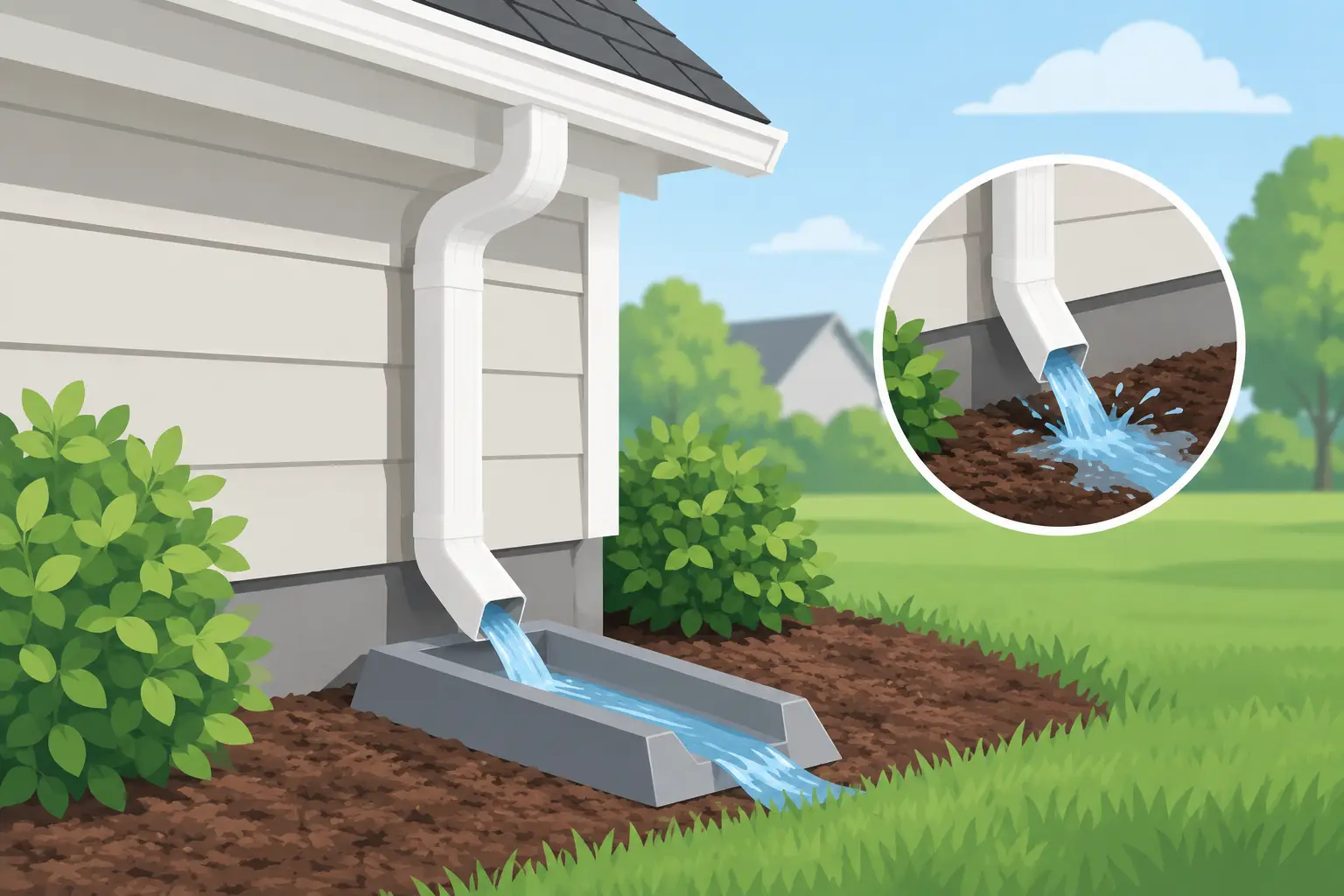
A proper inspection should look at how water moves across the roof, where debris tends to collect, whether the current gutters are secure, and whether downspouts are carrying water far enough away from the house. If those basics are off, guards may only mask the symptoms.
For homeowners in Eastern Indiana and Western Ohio, local weather adds another layer. Heavy spring rain, falling leaves, winter freeze cycles, and storm debris all put stress on a gutter system. The right installation has to account for that year-round pattern, not just a single season.
Cost, maintenance, and the real value equation
The price of gutter guards varies based on the product, the size of the home, roof complexity, and whether repairs or replacement are needed first. That is exactly why detailed, itemized quotes matter. Homeowners should be able to see what they are paying for and why.
The cheapest option is rarely the best value if it still leaves you with clogs, overflow, or repeated service calls. At the same time, the most expensive option is not automatically the right one if your gutter system has a different issue that needs to be addressed first. Good advice should be practical, not pushy.
In many cases, the value of gutter guards comes from preventing the more expensive problems around them. One avoided fascia repair, landscape washout, or foundation drainage issue can change the math quickly. Add in reduced cleaning frequency and less risk of ladder-related accidents, and the investment often makes solid sense.
What a homeowner should expect from a contractor
If you are getting estimates for gutter guards, clarity should be non-negotiable. You should know what product is being installed, why it was recommended, whether repairs are needed first, and what the final price includes. Vague numbers and surprise add-ons are a bad sign.
A reliable contractor will inspect the whole drainage system, explain trade-offs honestly, and give you a detailed quote instead of a verbal ballpark. That is especially important if you are deciding between repairing older gutters and upgrading to a new seamless system with leaf protection.
Seamless Gutter Solutions LLC takes that homeowner-first approach seriously by offering free inspections, free estimates, and clear pricing with no hidden fees. That kind of transparency matters because this is not just about adding a product. It is about protecting your home from water damage with the right solution the first time.
A smart upgrade when it is done right
Gutter guards are worth considering if you want less maintenance, fewer clogs, and better protection against overflow-related damage. But the guard itself is only part of the decision. The bigger question is whether your whole gutter system is ready to manage water the way it should.
A good inspection can tell you that quickly. And when you get a clear recommendation, a detailed quote, and an installation built around your home instead of a generic sales pitch, the decision gets a whole lot easier. Protecting your gutters should feel straightforward, because protecting your home is too important to leave to guesswork.