
A gutter that overflows is easy to notice. Water running behind the gutter is different. It can stay hidden until you see stained fascia boards, peeling paint, soggy mulch beds, or water marks down the siding. If you are wondering what causes water behind gutters, the short answer is that the system is no longer catching and directing runoff the way it should.
That can happen for several reasons, and not all of them mean you need a full replacement. Sometimes the fix is simple. Sometimes the issue points to worn materials, poor installation, or a roof edge detail that is letting water slip past the gutter instead of dropping into it. The key is figuring out where the water is escaping and why.
What causes water behind gutters most often?
In many homes, the most common cause is a gap between the gutter and the roof edge. Rainwater comes off the shingles, follows the roof deck or fascia line, and slips behind the gutter instead of falling into the trough. That gap may be caused by loose fasteners, sagging sections, missing drip edge, or an installation that never sat tight to the home in the first place.
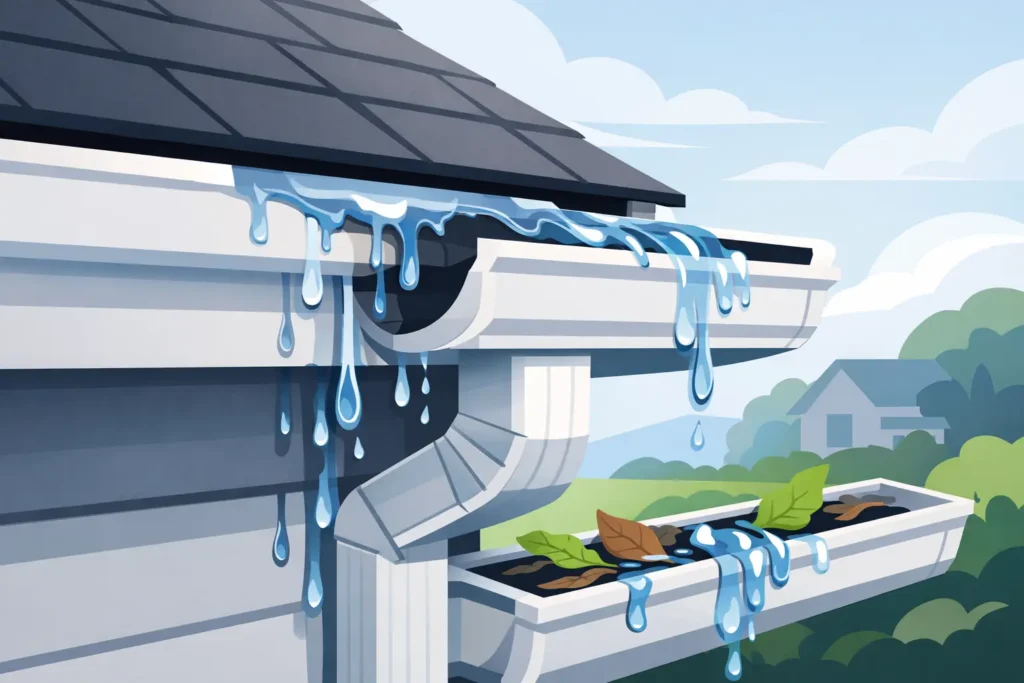
Clogs are another major reason. When leaves, shingle grit, and debris block water flow, the gutter fills up and spills in places it should not. Homeowners often expect overflow to come over the front lip, but backed-up water can also push toward the house side and soak the fascia. If the slope is off or the downspouts are restricted, that problem gets worse fast during a heavy Indiana or Ohio rain.
There is also the simple fact that some gutters are undersized for the roof area they serve. A system can be technically installed and still underperform if it cannot handle local rainfall volume or the way water concentrates in roof valleys.
Missing or damaged drip edge
A drip edge is a metal flashing installed along the roof edge to help direct water away from the fascia and into the gutter. When it is missing, too short, or bent incorrectly, water may cling to the roof decking and run behind the gutter.
This is one of the most overlooked answers to what causes water behind gutters because the gutter itself may look fine from the ground. The issue is really at the transition point where water leaves the roof. If that edge detail is wrong, even a newer gutter can struggle.
In some cases, a starter strip or shingle overhang may also be contributing. Water tends to follow the path of least resistance. If the roof edge encourages runoff to curl backward, the gutter never gets a fair chance to do its job.
Why this matters for the home
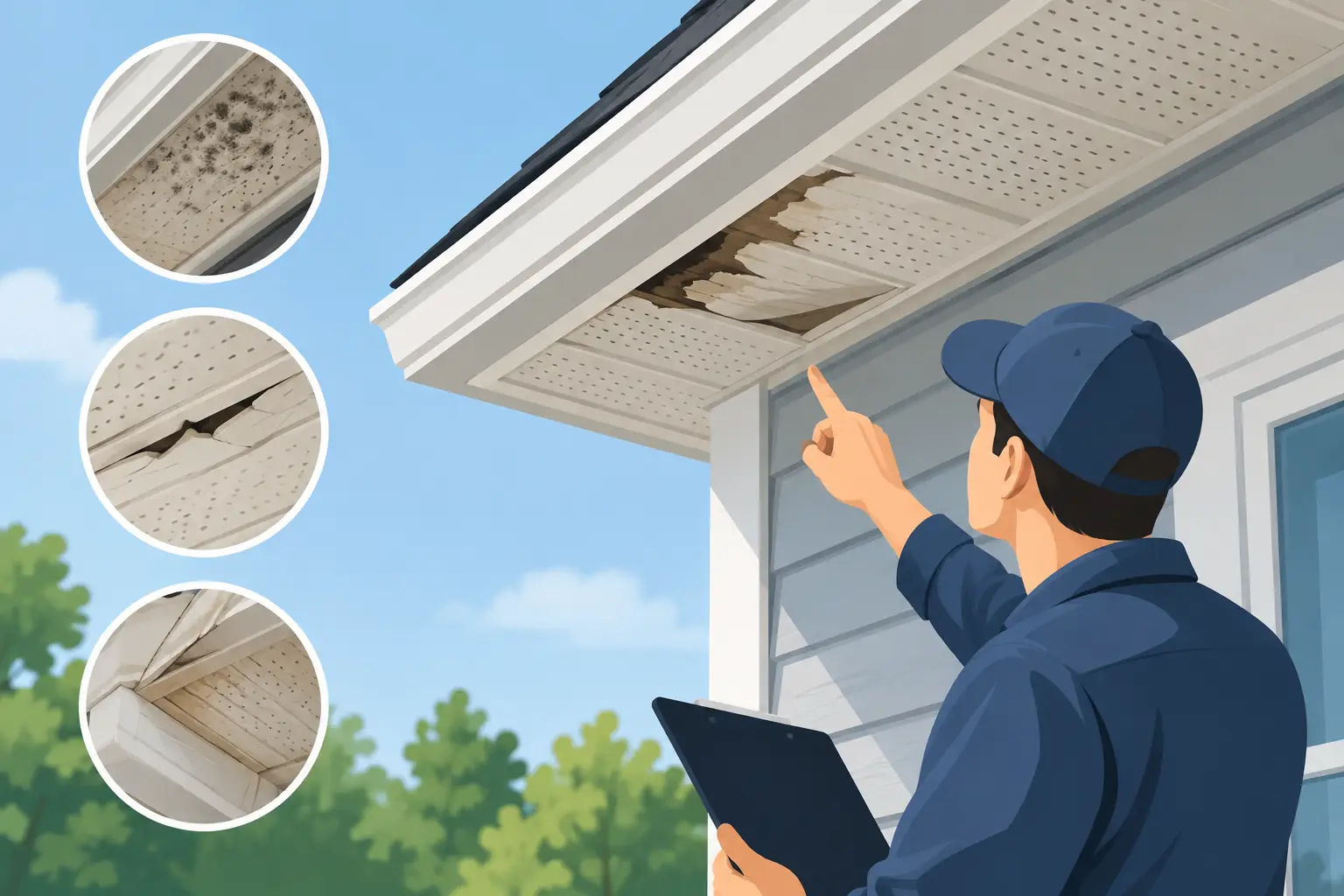
When water repeatedly gets behind the gutter, it does not just disappear. It can rot fascia boards, loosen soffits, stain siding, and create moisture issues around the roofline. Over time, that can turn a gutter problem into a carpentry or exterior repair problem.
Loose, sagging, or poorly pitched gutters
Gutters need enough support to stay in position through rain, wind, debris load, and seasonal freeze-thaw cycles. If hangers pull loose or spikes back out, the gutter can tilt away from the fascia. That creates an opening where water can pass behind it.
Pitch matters too. A gutter should have a slight slope toward the downspout so water drains instead of pooling. If sections are level, back-pitched, or uneven, water can collect and overflow at vulnerable spots. Sometimes homeowners notice one corner always drips or one stretch always stains. That often points to alignment issues, not just debris.
Seams can make this worse. Sectional gutters have more joints, and over time those joints can shift, leak, or separate slightly. Seamless gutters reduce those failure points, which is one reason many homeowners choose them when older systems start showing repeated drainage problems.
Clogs and restricted downspouts
A clogged gutter does more than create a mess. It changes how water behaves across the whole system. Once water cannot move freely to the downspouts, it backs up. Depending on the gutter shape, amount of debris, and roof runoff volume, that backup may push water over the rear edge.
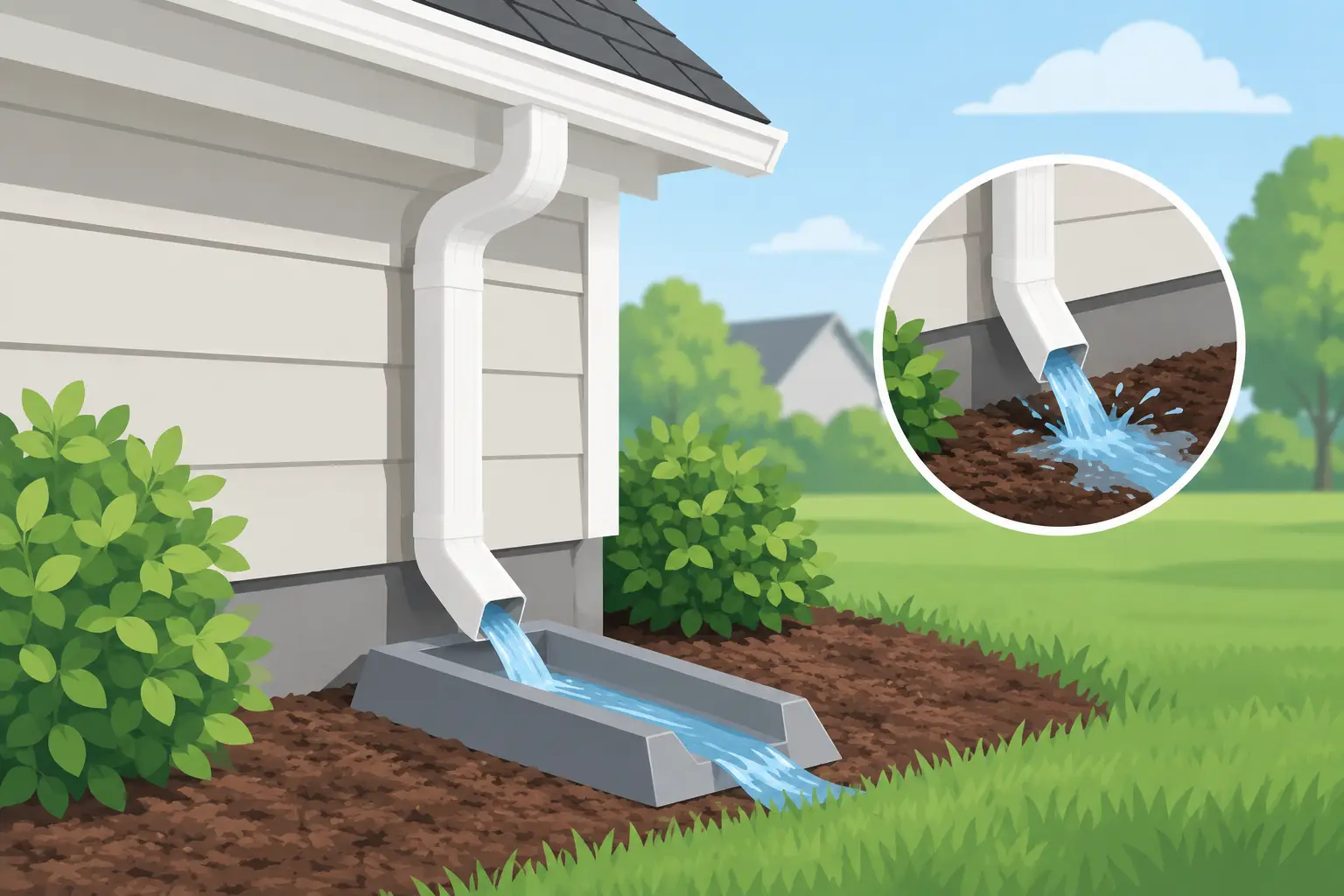
Downspouts are just as important. A gutter trough may look clear, but if the downspout is blocked underground or at an elbow, water still has nowhere to go. During a storm, that pressure builds quickly.
Homeowners with a lot of nearby trees tend to deal with this more often, especially in fall and spring. Pine needles, seed pods, helicopter seeds, and roofing granules all contribute. Regular cleaning helps, but if debris is a constant issue, a quality guard system can make maintenance more manageable and reduce the chances of overflow behind the gutter.
Roof valleys and heavy water concentration
Not every part of a gutter line receives the same amount of water. Roof valleys funnel runoff into concentrated areas, and those spots can overwhelm a standard gutter section if the design is not right.
This is where it depends on the house. A simple ranch home may just need cleaning or minor adjustment. A larger roof with multiple slopes, dormers, or steep valley sections may need a wider gutter, an additional downspout, or a different setup at problem areas. If water always runs behind the gutter during heavy rain but not light rain, capacity may be part of the problem.
That does not always mean the entire system failed. It may mean one portion of the home needs a smarter drainage solution.
Improper installation
Some water-behind-gutter issues start on day one. Gutters installed too low, too far from the fascia, or without enough hangers are more likely to leak, sag, or pull away. If end caps, miters, or outlets were not sealed correctly, water may also escape in ways that mimic overflow.
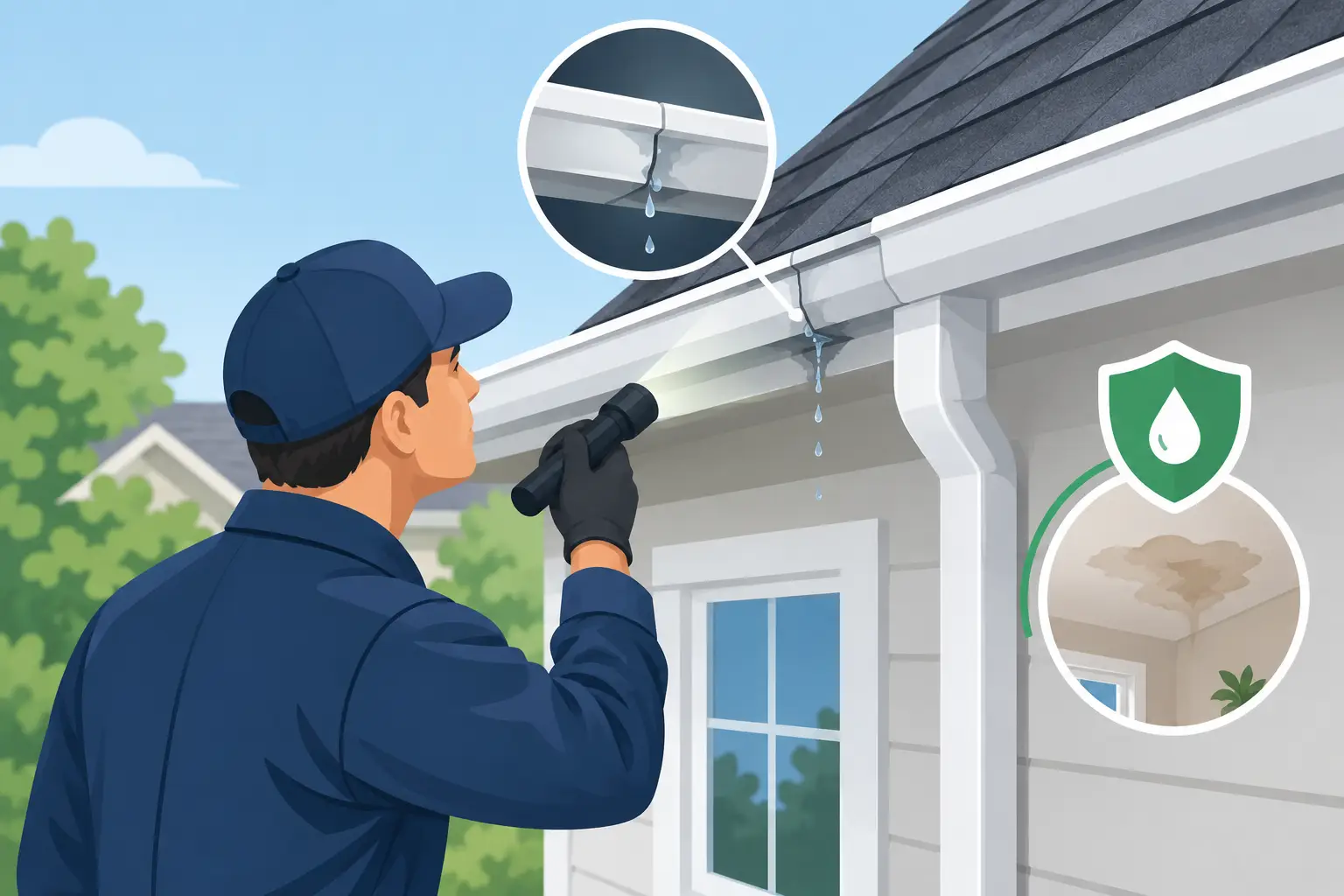
Homeowners often get frustrated here because the system looks new enough to trust, yet the symptoms keep returning. That is one reason inspections matter. A straightforward inspection can separate a maintenance issue from an installation defect and keep you from paying twice for the same problem.
A good contractor should be able to explain exactly what is happening, show where the water is escaping, and give a clear repair versus replacement recommendation without vague language or surprise add-ons.
Signs water is getting behind your gutters
You do not have to wait for visible interior damage to catch this problem. Outside, the warning signs usually show up first. Look for peeling paint on the fascia, dark streaks on siding, mildew near the roofline, eroded flower beds below one section, and gutters that look slightly detached or uneven.
You may also hear it before you see it. During a storm, water running behind a gutter often creates a different sound than normal drainage. Instead of a steady channeling noise, you may hear splashing directly against the house.
If you can safely observe during rainfall, that is often the best time to spot the source. Dry-weather inspections help, but active water flow tells the real story.
When a repair is enough and when replacement makes more sense
If the issue is limited to debris, one loose section, a minor pitch correction, or a localized drip edge problem, repair may be all you need. That is especially true if the rest of the system is structurally sound.
Replacement starts to make more sense when the gutters are older, repeatedly clogging, separating at seams, pulling away in multiple spots, or simply too small for the roof. The same goes for homes where fascia damage has already started and you want to solve the source instead of chasing short-term fixes.
For homeowners in Richmond and surrounding parts of Eastern Indiana and Western Ohio, that often comes down to long-term cost. A cheaper patch can feel appealing, but if it leads to more staining, wood rot, or foundation runoff, it stops being the cheaper option pretty quickly.
How to prevent water behind gutters
The best prevention is a combination of proper sizing, correct installation, regular cleaning, and good roof-edge detailing. Gutters should sit tight to the home, slope correctly, and move water efficiently to downspouts. The roof should have a drip edge that guides runoff into the gutter, not behind it.
If your property deals with constant leaf buildup, gutter protection may be worth considering, especially if cleaning has become frequent or hard to keep up with. The right guard is not a cure-all for every drainage issue, but it can reduce the debris load that leads to backup and overflow.
Most of all, do not ignore small signs. Water behind gutters rarely fixes itself. It usually gets more expensive the longer it is allowed to keep soaking the same areas.
If you have noticed staining, overflow, or sections pulling away from the house, a clear inspection is the next sensible step. A good answer should show you the cause, the risk, and the practical fix so you can protect the home before one wet season turns into avoidable damage.