
One hard rain is usually all it takes. Water spills over the gutter edge, runs down the siding, splashes onto flower beds, and starts pooling near the foundation. For many homes in Eastern Indiana and Western Ohio, that mess starts with one simple problem – leaves and debris blocking the gutter system. This homeowner guide to leaf protection explains what actually works, what does not, and how to choose a solution that protects your home instead of just sounding good in a quote.
Why leaf protection matters more than most homeowners think
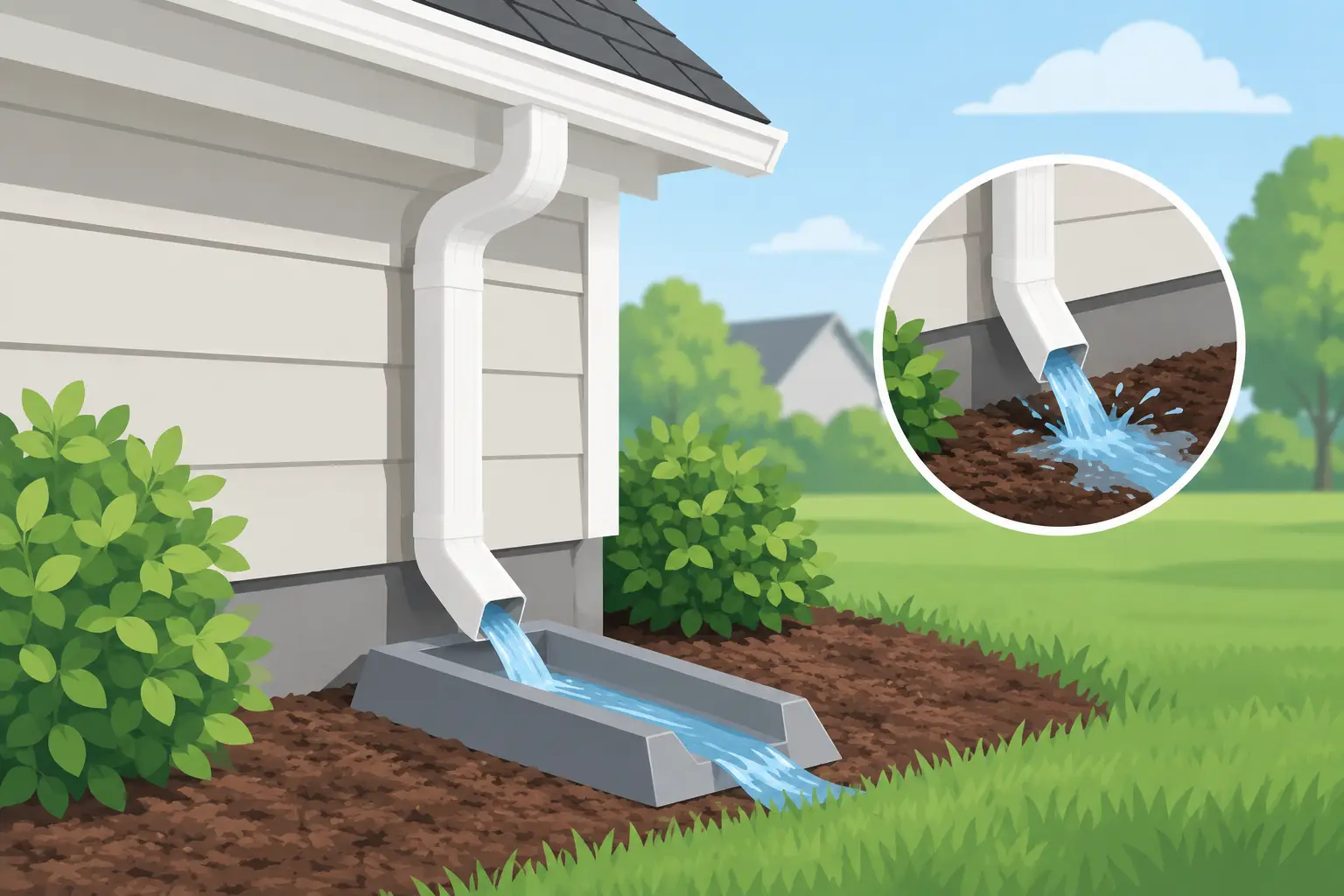
Leaf protection is often treated like a convenience upgrade. In reality, it is a drainage issue first. Gutters are there to collect roof runoff and move it away from the house in a controlled way. When leaves, seed pods, pine needles, and shingle grit build up, water has nowhere to go. It backs up, spills over, and can start causing damage in places homeowners do not notice right away.
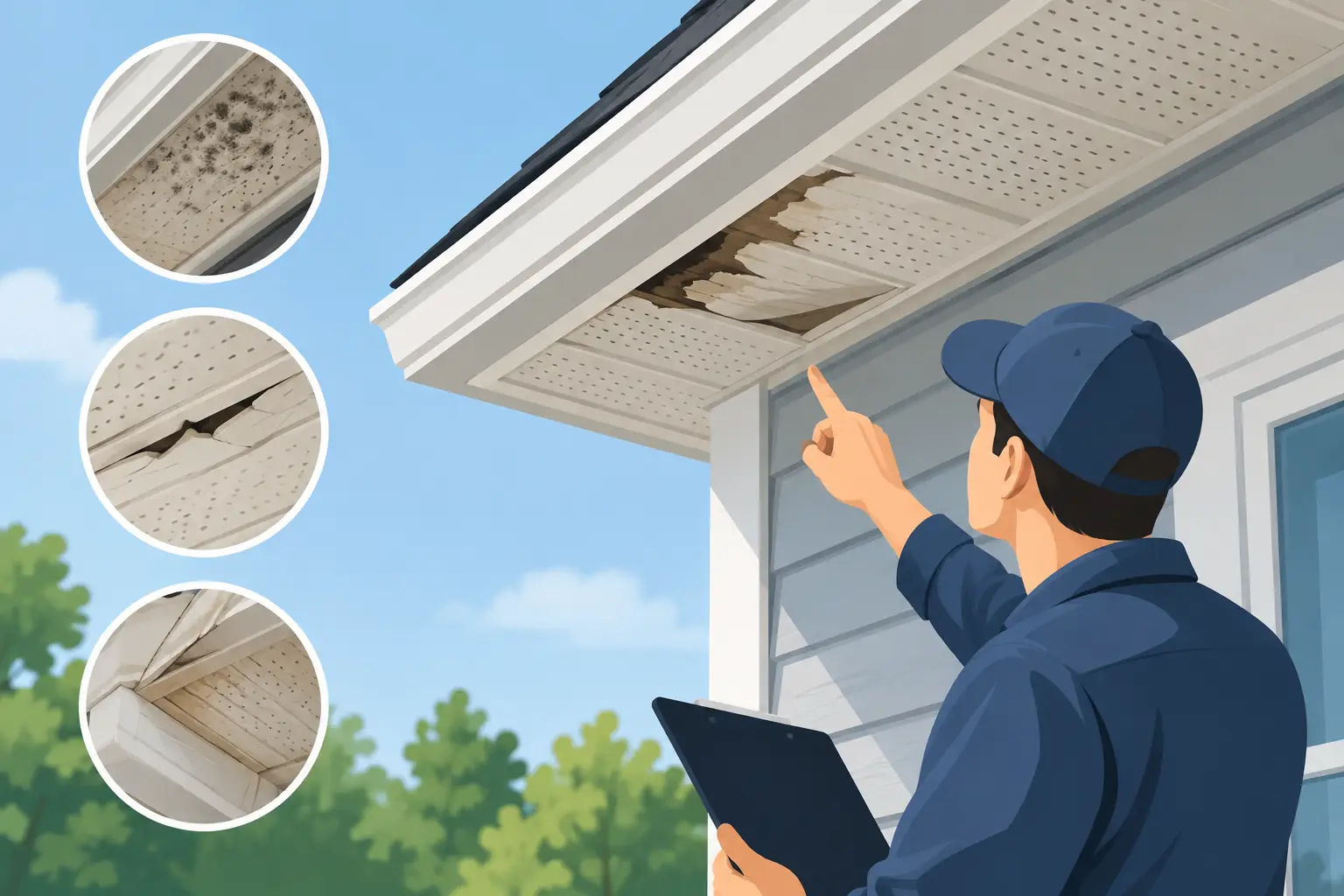
That can mean fascia rot, stained siding, washed-out mulch, and trenches forming around the home. In colder weather, trapped water can contribute to ice problems along the roof edge. If the overflow keeps happening in the same spot, it may also put unnecessary stress on the foundation area. What starts as a clogged gutter can turn into a much more expensive repair.
Leaf protection helps by reducing the amount of debris that enters the gutter in the first place. The goal is not magic or zero maintenance forever. The real goal is better water flow, fewer clogs, and far less hands-on cleaning.
A homeowner guide to leaf protection systems
Not all leaf protection products work the same way. That matters, because a system that performs well under one roofline may struggle on another. Roof pitch, tree coverage, gutter size, and local weather all affect results.
Screen-style guards
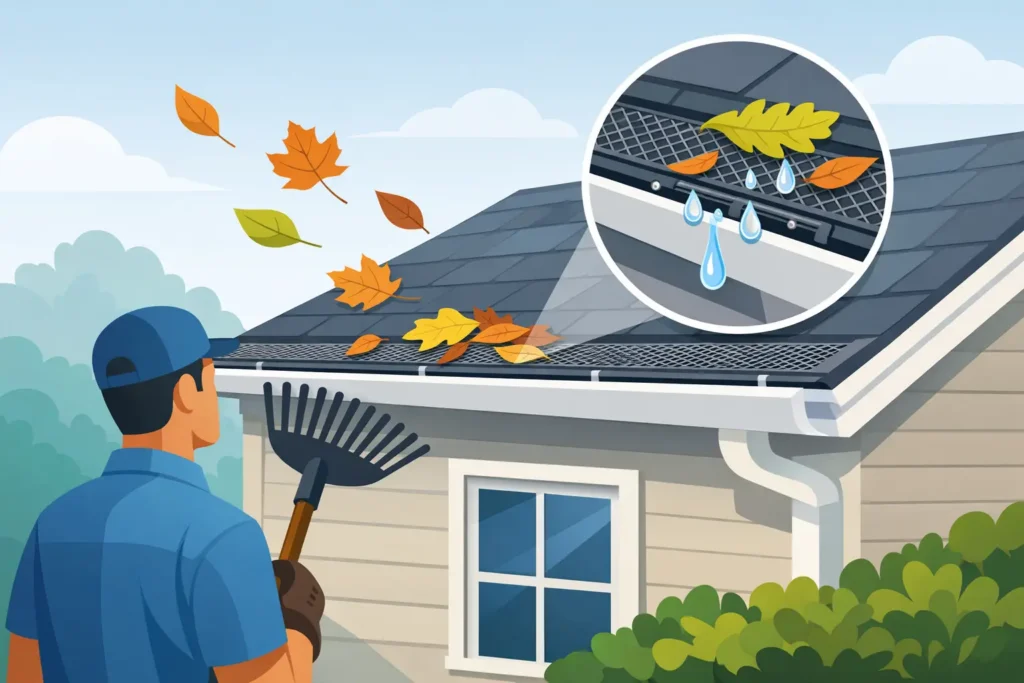
Basic screens sit over the gutter opening and block larger debris. They are common because they are affordable and simple to understand. For some homes with light leaf traffic, they can help.
The trade-off is that cheaper screens often let smaller debris through or collect material on top. Once that layer builds up, water can run over it instead of through it. Screens may reduce cleaning, but they do not always reduce it enough to satisfy homeowners who are dealing with heavy tree cover.
Mesh systems
Finer mesh systems are designed to block smaller debris while still allowing water in. In the right setup, they can perform better than basic screens, especially where seed pods and small leaf fragments are a problem.
The key issue is installation quality and long-term durability. Some mesh products can warp, clog at the surface, or pull away if they are not secured properly. A mesh guard is only as good as the product itself and the way it is fitted to the gutter and roofline.
Reverse curve and surface-tension designs
These systems use water’s natural flow to pull rain into the gutter while directing leaves over the edge. They can work well in certain conditions, but they are not a perfect fit for every home.
Their performance can depend heavily on roof slope and rain intensity. In hard storms, some designs may overshoot or struggle if not matched carefully to the home. They also tend to be more visible than some homeowners prefer.
Continuous-hanger protection systems
This category combines debris control with structural support for the gutter itself. That added strength can be a major advantage, especially on homes where long-term durability matters as much as clog reduction.
For homeowners who want fewer moving parts and a stronger overall gutter setup, this style is often worth a closer look. Premium products like Double Pro by Alurex are built with that idea in mind – helping keep debris out while also reinforcing the gutter system.
What leaf protection can and cannot do
The biggest mistake homeowners make is expecting any guard system to eliminate maintenance completely. No product should be sold that way.
A good leaf protection system should reduce the frequency and severity of clogs. It should improve water movement during storms and lower the amount of debris that settles inside the gutter. It should also make seasonal maintenance simpler and safer because there is less buildup to deal with.
What it cannot do is stop every speck of dirt, every bit of roof grit, or every small particle carried by wind. Homes under heavy tree cover may still need occasional inspection. Valleys in the roof, steep pitches, and certain types of tree debris can create problem areas even with protection in place.
That does not mean the system failed. It means good expectations lead to better decisions.
How to tell if your home is a strong candidate
If you clean your gutters more than once or twice a year, you are probably a good candidate for leaf protection. The same is true if you see overflow during rain, notice plants growing in the gutters, or find water washing out the same section of landscaping.
Tree type matters too. Maple leaves, oak leaves, pine needles, helicopters, and small twigs all behave differently once they hit the roof. Some slide off easily. Others mat together and hold water. If your home sits under mature trees, a stronger protection system usually makes more sense than a bargain option.
You should also consider your roofline. A simple ranch home has different drainage demands than a two-story house with multiple valleys and long gutter runs. The more complex the roof, the more valuable a professional inspection becomes. A quick look from the ground rarely tells the full story.
Cost versus long-term value
Leaf protection is not just about the upfront price. It is about what you avoid paying for over time.
If guards reduce repeated cleanings, lower the chance of water damage, and help the gutter system last longer, the value adds up. That is especially true for homeowners who do not want to climb ladders or hire seasonal cleaning every few months. Lower-cost products can be tempting, but if they fail early or still require frequent cleaning, the savings disappear fast.
This is where transparent quoting matters. A detailed estimate should explain what product is being installed, how it will attach, whether repairs are needed first, and what the final price includes. Homeowners should not have to guess whether the quoted number covers the real scope of work.
Installation quality matters as much as the product
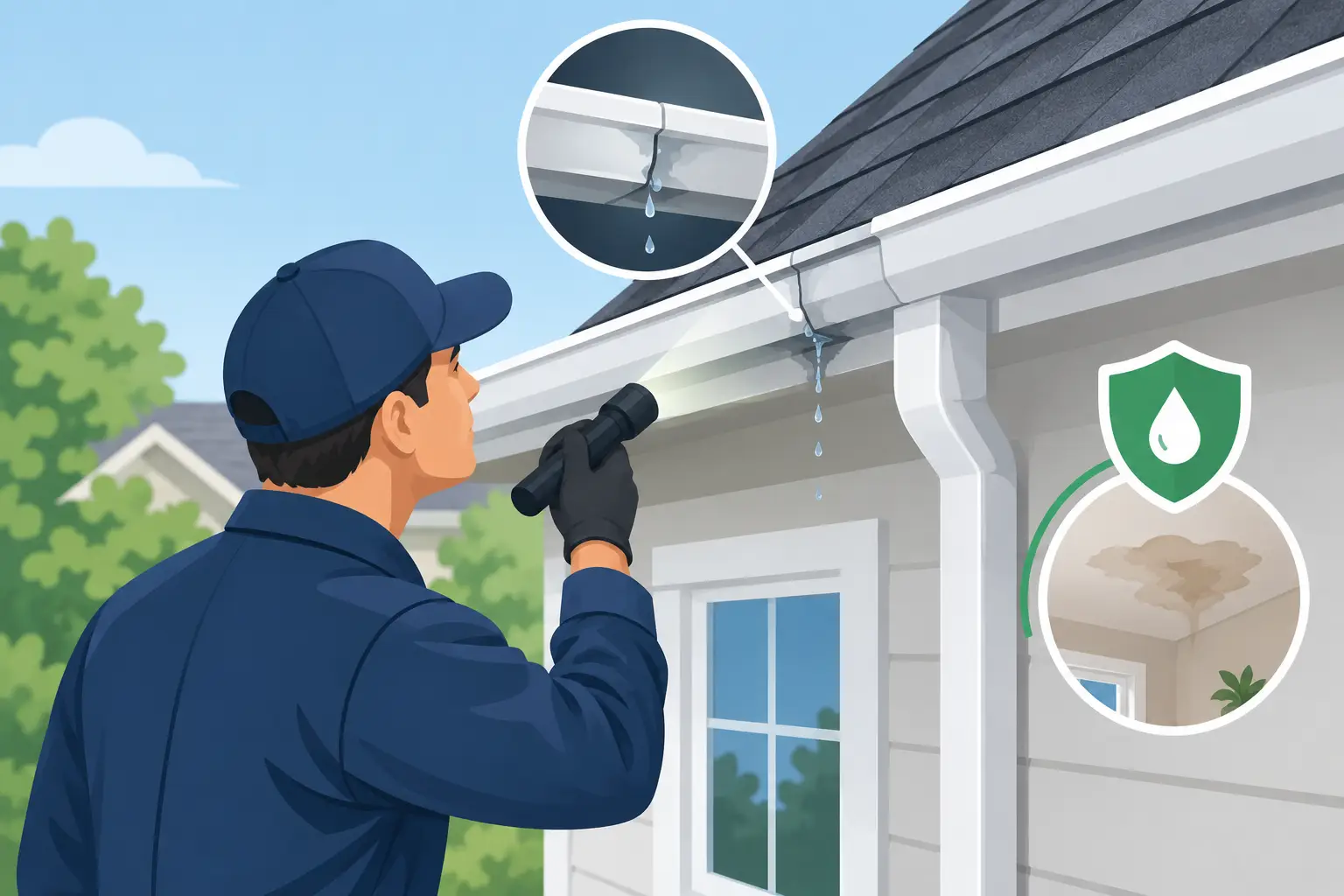
A premium product installed poorly can still cause problems. Gutter pitch, fastening method, fascia condition, and downspout performance all affect results. If the gutter itself is loose, undersized, or damaged, adding a guard on top will not fix the underlying drainage issue.
That is why a proper inspection should look at the whole system, not just the top opening of the gutter. In many cases, homeowners benefit most when leaf protection is part of a larger plan that may include seamless gutter installation, repairs, or cleaning first.
A trustworthy contractor should be willing to explain those details clearly. If a company jumps straight to a product pitch without assessing the existing system, that is a red flag.
Choosing the right contractor for leaf protection
This part matters more than many homeowners expect. You are not just buying a material. You are hiring judgment.
Look for a company that explains trade-offs honestly, offers a clear scope of work, and gives you a detailed quote with no vague line items. If the estimate feels rushed or confusing, the installation may go the same way. A good contractor should be able to explain why a certain protection system fits your roofline, your tree coverage, and your budget.
For local homeowners, it also helps to work with a company that understands regional weather patterns, seasonal debris, and the common home styles in the area. Seamless Gutter Solutions LLC takes that practical approach seriously, with free inspections, itemized estimates, and no hidden fees so homeowners can make a confident decision without pressure.
When leaf protection is worth it
Leaf protection is worth serious consideration when gutter cleaning has become frequent, risky, or expensive, and when overflow is already threatening parts of the home you cannot afford to ignore. It is also worth it when you plan to stay in your home and want a more dependable drainage system, not just a temporary fix.
The best choice is usually not the cheapest guard and not the flashiest sales pitch. It is the system that matches your home, is installed correctly, and comes with a clear explanation of what you can expect from it over time.
A good gutter system should move water away from your home quietly and consistently. When leaf protection helps that happen with less maintenance and fewer surprises, it is doing exactly what a homeowner needs – protecting the investment overhead before water has a chance to become a much bigger problem.