
When a gutter clogs, the first sign is rarely a dramatic failure. More often, it is water slipping over the edge during a hard rain, mulch washing out of flower beds, or a dark stain starting to show on the siding. That is why the best time for gutter cleaning is not when the problem becomes obvious. It is before backed-up water has a chance to damage your roofline, foundation, or landscaping.
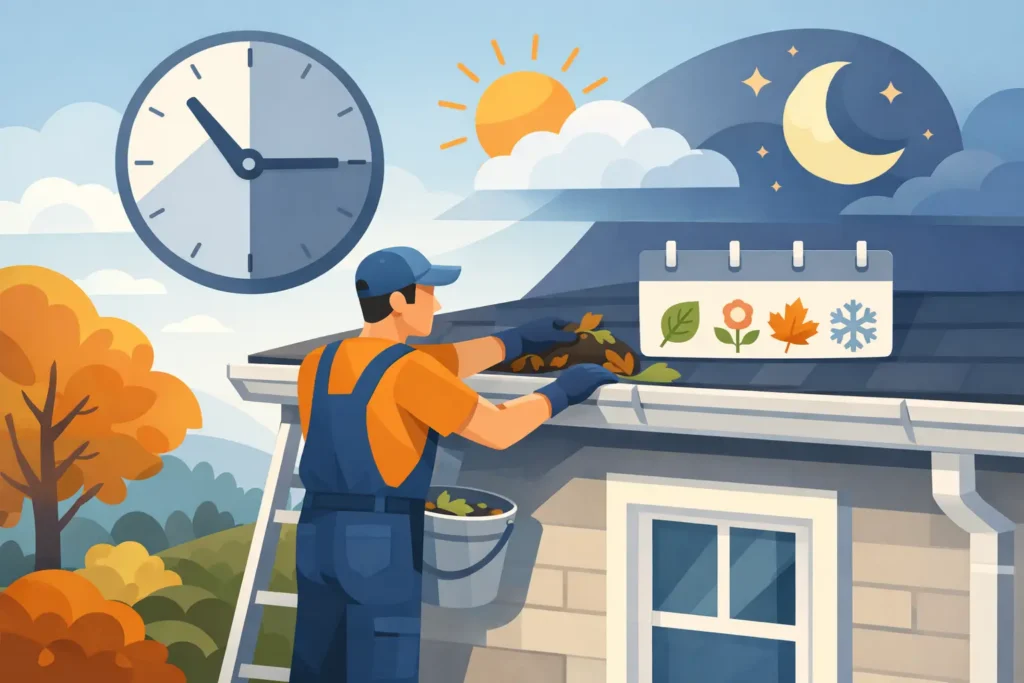
For most homeowners in Eastern Indiana and Western Ohio, the best schedule is simple: clean gutters in late spring and again in late fall. Those two windows catch the heaviest seasonal buildup and help your system stay ready for summer storms and winter freeze-thaw cycles. Still, timing is not exactly the same for every home. Tree cover, roof design, gutter condition, and whether you have a guard system all make a difference.
The best time for gutter cleaning depends on season
If you want the shortest answer, fall is usually the most important time to clean gutters. Leaves, seed pods, twigs, and roof grit build up fast once trees start dropping. If that debris stays in the trough through winter, water can back up, freeze, and add weight to the system. That can strain fasteners, pull gutters out of alignment, and create drainage problems right when your home needs protection most.
Spring is a close second. Even if your gutters were cleaned in late fall, winter can still leave behind shingle granules, small branches, and compacted debris. Spring cleaning also prepares your drainage system for the heavy rains that often hit this region. A gutter that is partly blocked in April or May may not show problems on a light shower, but a strong storm can expose every weak point at once.
Summer cleaning is more situational. Homes under pine trees, maple trees, or heavy tree canopies may need an extra visit because seeds, needles, and storm debris can pile up quickly. Summer is also a smart time to inspect for sagging sections, loose downspouts, or overflow marks if your gutters struggled during spring rain.
Winter is usually not the ideal time for routine service, but it can be necessary if a clog is actively causing overflow or ice issues. The problem with waiting until winter is that access is harder, debris may be frozen in place, and damage may already be underway.
Why fall is usually the best time for gutter cleaning
In neighborhoods with mature trees, fall cleaning carries the most value because it removes the largest seasonal debris load in one visit. This is especially true in places like Richmond, Muncie, Greenville, Dayton, and surrounding communities where older homes often sit under established tree lines.
The key is timing. Clean too early, and more leaves may still be coming down. Wait too long, and cold weather can turn wet debris into a heavy blockage. In most cases, the right window is after most leaves have fallen but before repeated freezing temperatures set in. For many local homeowners, that means late October through November, though weather can shift that timeline.
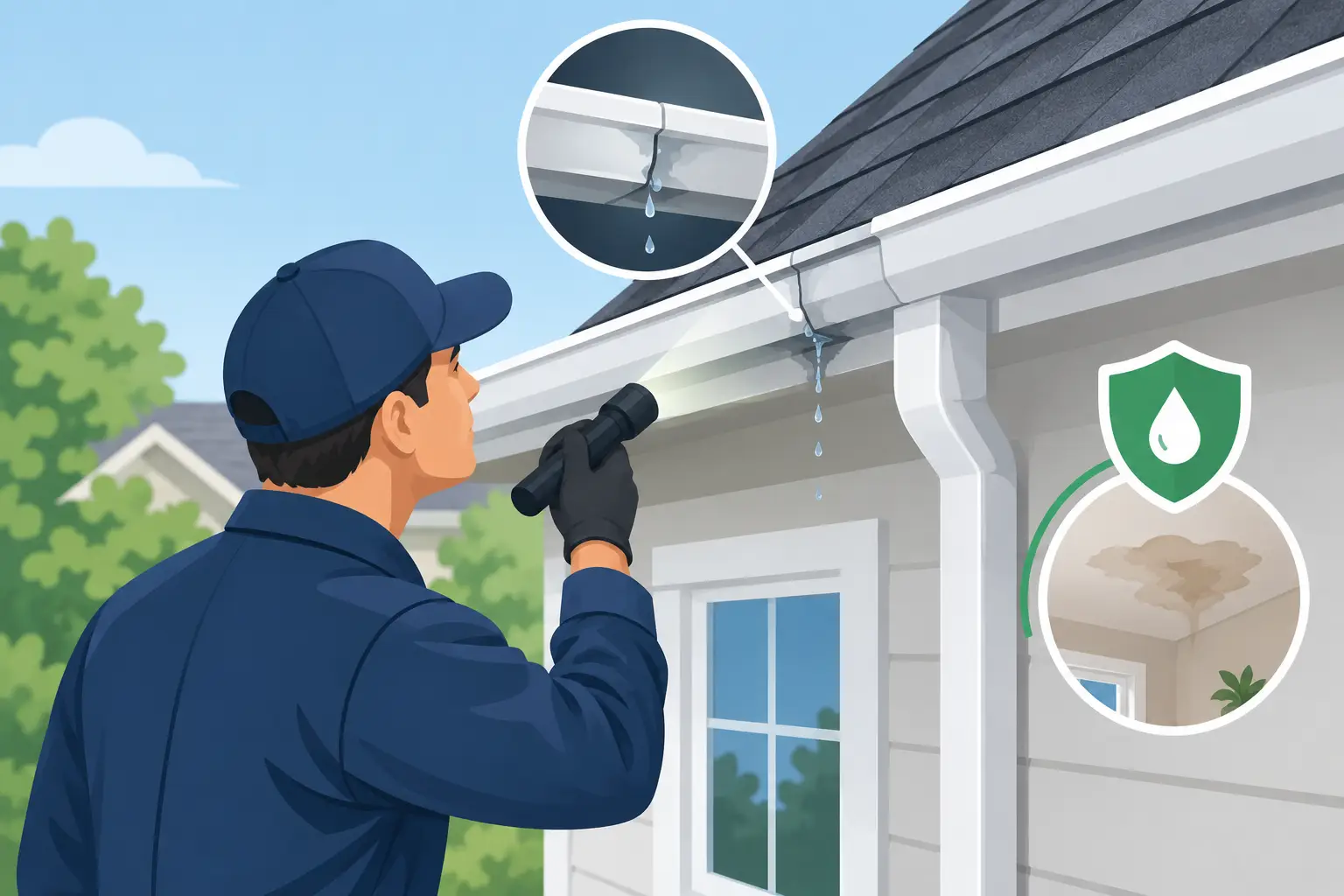
A late-fall cleaning does more than clear the channel. It gives you a chance to confirm that downspouts are draining well, joints are not leaking, and hangers are still holding the right pitch. Small corrections at that stage are much easier than dealing with water intrusion after winter weather arrives.
Spring matters more than many homeowners realize
Some people assume one yearly cleaning is enough if they handle it in the fall. For a few properties, that may be true. But many homes benefit from a second visit in spring because winter leaves behind a different kind of mess.
Snow and ice can shift debris, wind can drop branches, and asphalt shingles naturally shed granules over time. Those granules settle in the gutter bottom and can slow water flow even when the gutter does not look packed full from the ground. Spring cleaning clears that material out before seasonal downpours put the system under pressure.
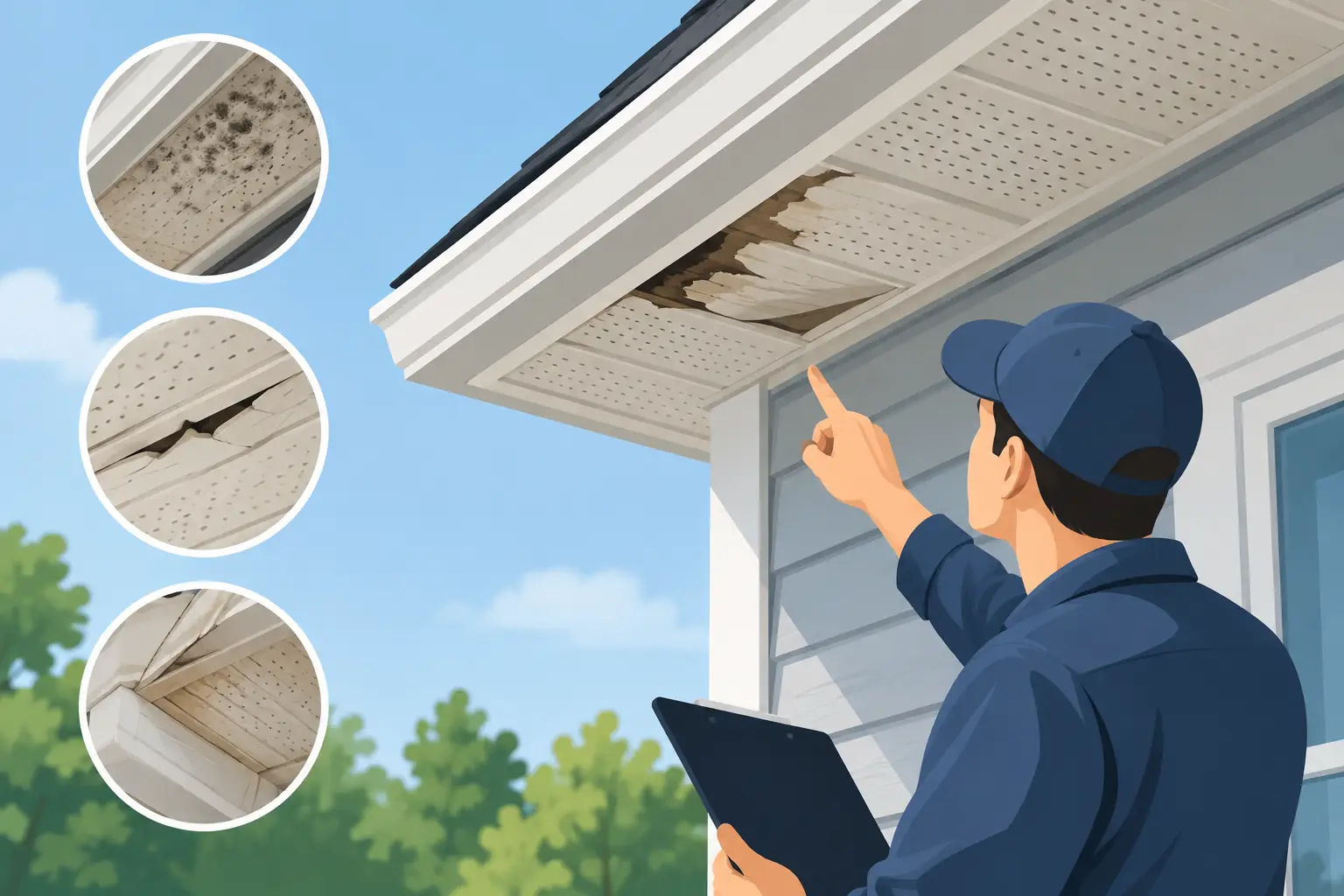
This is also a good time to check for subtle damage. If a gutter pulled loose during winter, or a downspout connection opened up, you want to find it before repeated storms send water against fascia, soffit, and foundation walls.
How often should gutters be cleaned?
Twice a year is a solid baseline for the average home. That schedule works well for many homeowners who have some nearby trees but not constant heavy debris. It is practical, preventative, and far less costly than dealing with water damage repairs.
That said, some homes need more attention. If your roof sits under heavy tree cover, especially with pine, oak, or maple trees, three cleanings a year may be the safer plan. If you have had overflow issues before, it is worth being more proactive rather than hoping the problem stays minor.
On the other hand, homes with effective gutter protection may need less frequent cleanouts. Guards help reduce buildup, but they do not eliminate maintenance completely. Fine debris, roof grit, and occasional surface accumulation can still affect performance, so inspection still matters even when a premium protection system is installed.
Signs you should not wait for the “right” season
The best time for gutter cleaning is immediately if your home is already showing warning signs. Seasonal timing is useful for prevention, but active problems should be handled as soon as possible.
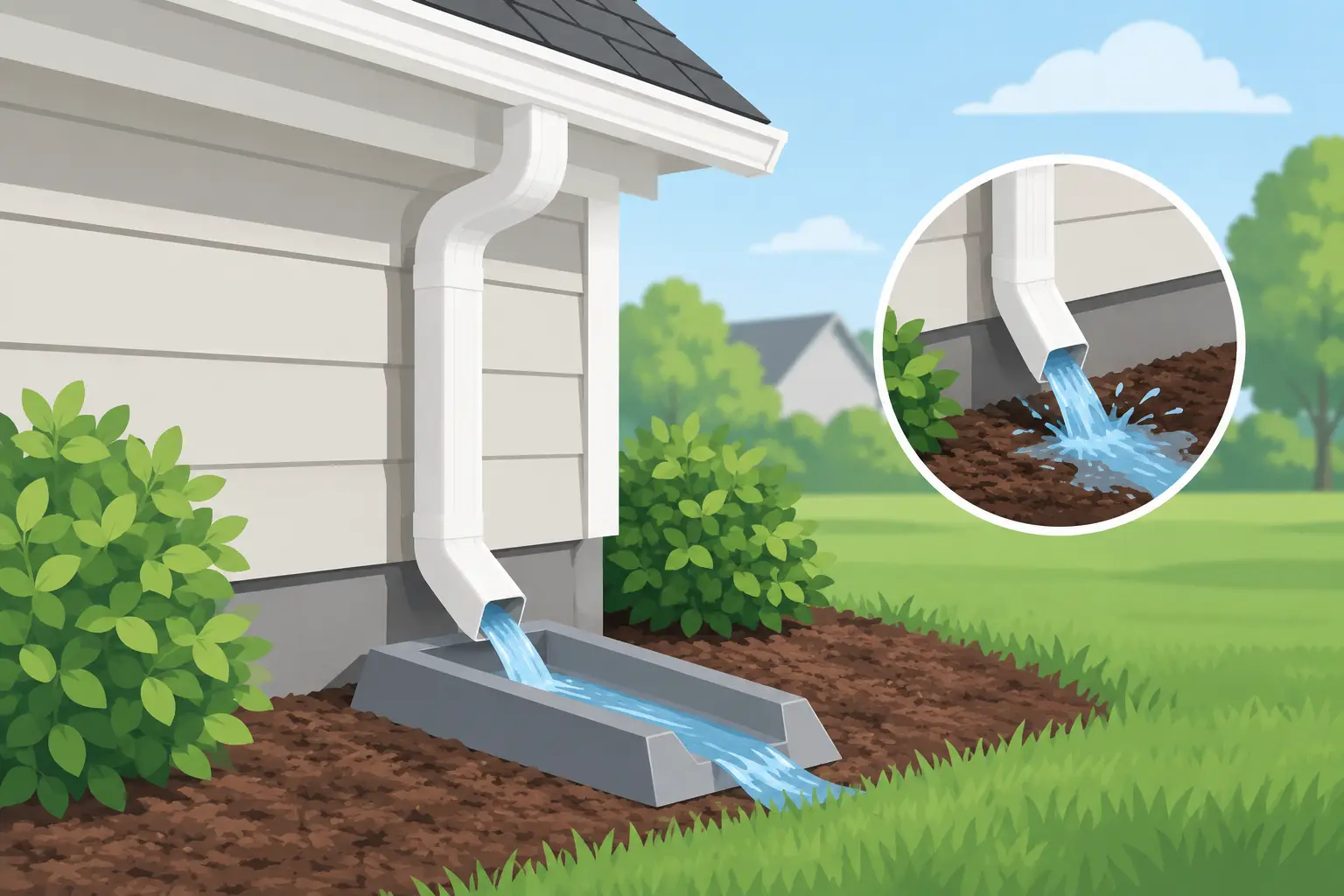
Watch for water spilling over the sides during rain, gutters sagging or separating from the fascia, plants growing from the trough, or downspouts that do not discharge properly. Staining on siding, erosion below roof edges, and puddling near the foundation are also clues that runoff is not being controlled the way it should be.
If you notice any of those issues, waiting for fall or spring can be a mistake. Overflow does not stay contained to the gutter. It often affects trim, landscaping, basement moisture, and the soil around your foundation.
What changes the ideal cleaning schedule?
Every home handles debris differently. Tree density is the biggest factor, but not the only one. A one-story ranch with easy roof runoff may behave very differently than a two-story home with multiple roof valleys feeding into one gutter run.
Roof pitch also matters. Steeper roofs can move debris faster, especially during storms, while complex rooflines may funnel concentrated runoff into certain sections. If one area of your gutter system consistently takes the heaviest load, that section may need attention sooner than the rest.
Local weather patterns matter too. A dry fall with gradual leaf drop is different from a windy season that dumps everything at once. Strong spring storms can expose half-clogged gutters that seemed fine during lighter rain.
This is where an inspection helps. A clear, itemized look at your current system takes the guesswork out of scheduling and helps you avoid both over-maintaining and waiting too long.
Gutter guards help, but they are not a free pass
Homeowners often ask whether gutter guards change the best time for gutter cleaning. The honest answer is yes, but only to a point.
A high-quality guard system can dramatically reduce the amount of debris entering the gutter and lower how often full cleanouts are needed. It can also improve year-round flow and reduce the chance of heavy clogs from leaves. For homeowners who are tired of repeated maintenance, that is a real long-term advantage.
But no guard system means you can ignore the gutters forever. Surface debris may still need to be brushed off, and the system should still be inspected to make sure water is entering and draining correctly. The difference is that maintenance becomes lighter, more predictable, and less frequent.
For homeowners planning to stay in their home long term, that is often a better investment than paying for emergency cleaning after preventable overflow.
A practical schedule for local homeowners
For most homes in this area, a straightforward plan works well. Schedule one cleaning in late spring after seed drop and storm debris have settled. Schedule another in late fall after the bulk of leaves are down but before winter weather becomes consistent.
If your property has heavy tree coverage, add a summer check or a second fall visit. If you have a guard system, keep the inspection schedule even if the cleaning frequency changes. And if you see overflow, sagging, or drainage issues, move the appointment up instead of sticking to the calendar.
At Seamless Gutter Solutions LLC, that is how we look at gutter care: not as a one-size-fits-all chore, but as part of protecting your home from avoidable water damage with clear recommendations and no surprises.
The right time to clean your gutters is the time that keeps rainwater moving away from your home before it has a chance to cause trouble.