

A lot of siding damage starts small. A dark streak under the roofline, a patch of bubbling paint near a corner, a little mildew that keeps coming back. Many homeowners look at the siding first, but the real problem is often above it. Understanding how rain gutters protect siding helps you catch water issues early, before they turn into repairs that are harder and more expensive to fix.
Gutters are not just there to keep water off your front steps. Their main job is to collect rainwater from the roof and move it away from the house in a controlled way. When that system works, your siding stays drier, cleaner, and far less likely to break down over time. When it fails, the siding is one of the first places you see the effects.
Why siding takes damage so quickly
Siding is built to handle weather, but it is not meant to absorb constant sheets of runoff from the roof. Without gutters, rain rolls off the edge of the roof and drops straight down the exterior walls. Even with gutters installed, if they are clogged, leaking, pulling away from the fascia, or draining in the wrong place, water can still wash over the siding again and again.
That repeated exposure causes problems in different ways depending on the material. Vinyl siding can warp or develop mildew behind the panels. Wood siding can swell, soften, peel, and eventually rot. Fiber cement holds up well, but it can still stain and suffer from paint failure if water is allowed to run over it constantly. Even brick or masonry veneer can show water staining and moisture-related issues around trim, joints, and windows.
The key issue is not one storm. It is repetition. A small overflow during every rain adds up fast over a season.
How rain gutters protect siding in everyday weather
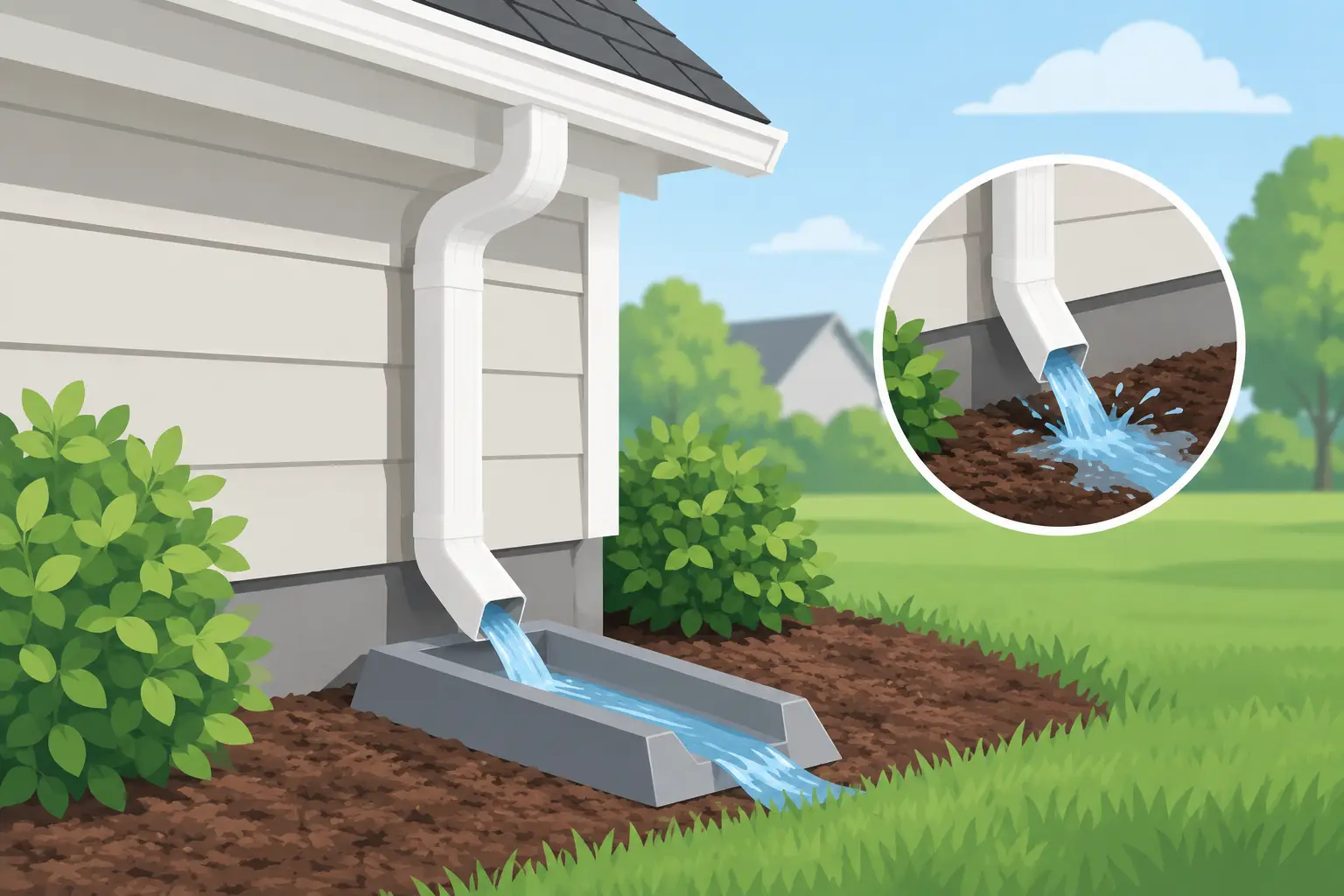
A proper gutter system catches the water that leaves your roof and channels it to downspouts. From there, the water is directed away from the exterior walls and foundation. That simple path keeps runoff from splashing, streaking, and soaking the parts of your home that should stay relatively dry.
This matters during heavy storms, but it also matters during ordinary rainfall. In Eastern Indiana and Western Ohio, homes deal with steady rain, spring downpours, leaf buildup in the fall, and freeze-thaw cycles in winter. Siding does not need a major weather event to get damaged. It just needs a gutter system that is underperforming week after week.
When gutters are sized correctly, pitched properly, and kept clear, they reduce direct water contact with the siding. They also cut down on splash-back from the ground below. That is especially important around entryways, lower walls, corners, and areas near mulch beds, where rain can bounce dirt and moisture back onto the home.
The most common ways bad gutters harm siding
Overflow is the most obvious problem. When gutters fill with leaves, shingle grit, and debris, water spills over the front edge and runs down the wall. This often creates the vertical striping homeowners notice first.
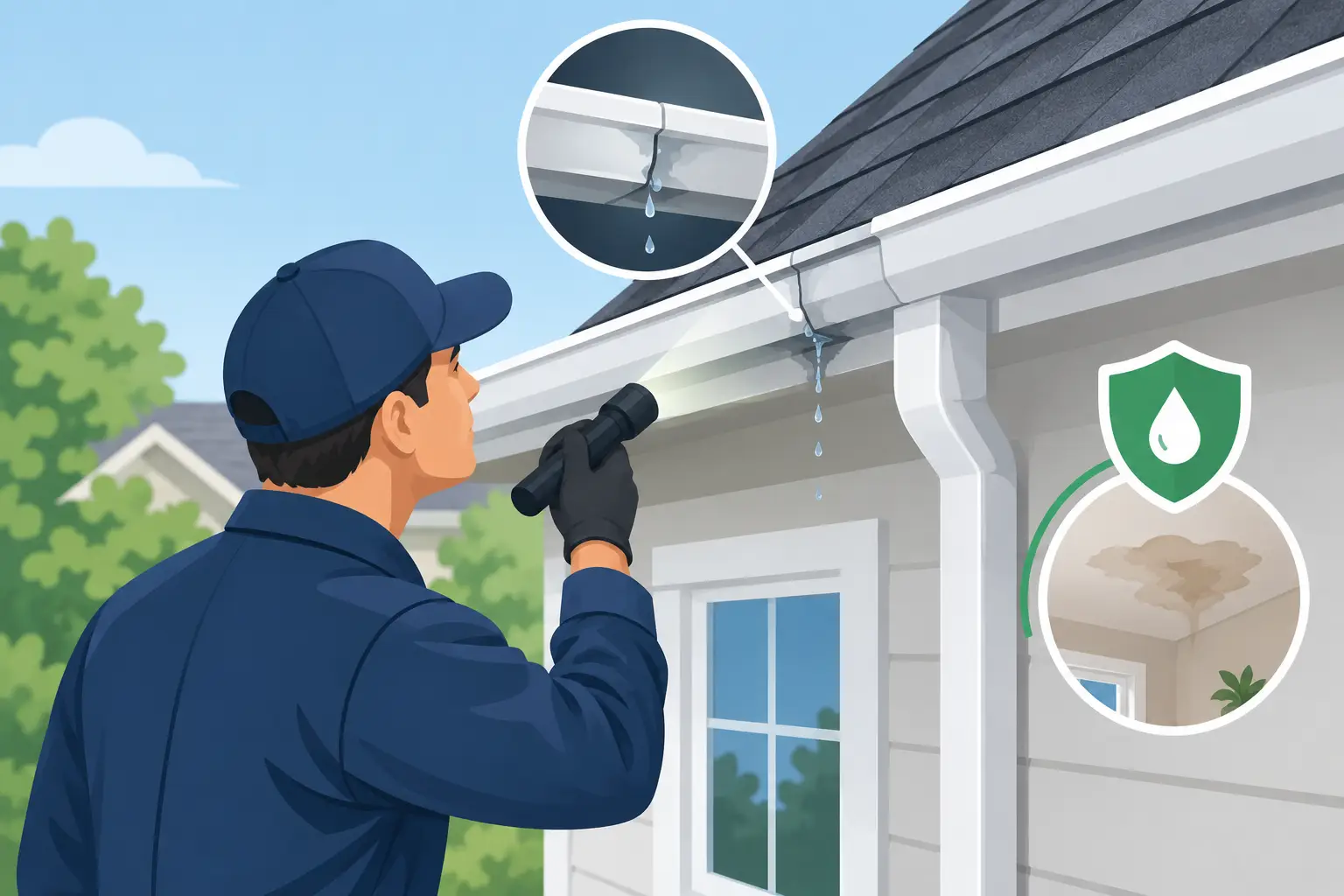
Leaks at seams, end caps, and corners are another issue. Even a small drip in the wrong place can keep one section of siding constantly wet. Over time, that can lead to staining, paint damage, or wood rot around trim boards.
Poor downspout placement also causes trouble. If a downspout dumps too close to the house, water can splash back onto the lower siding or pool near the wall. During hard rain, that moisture can travel where it should not.
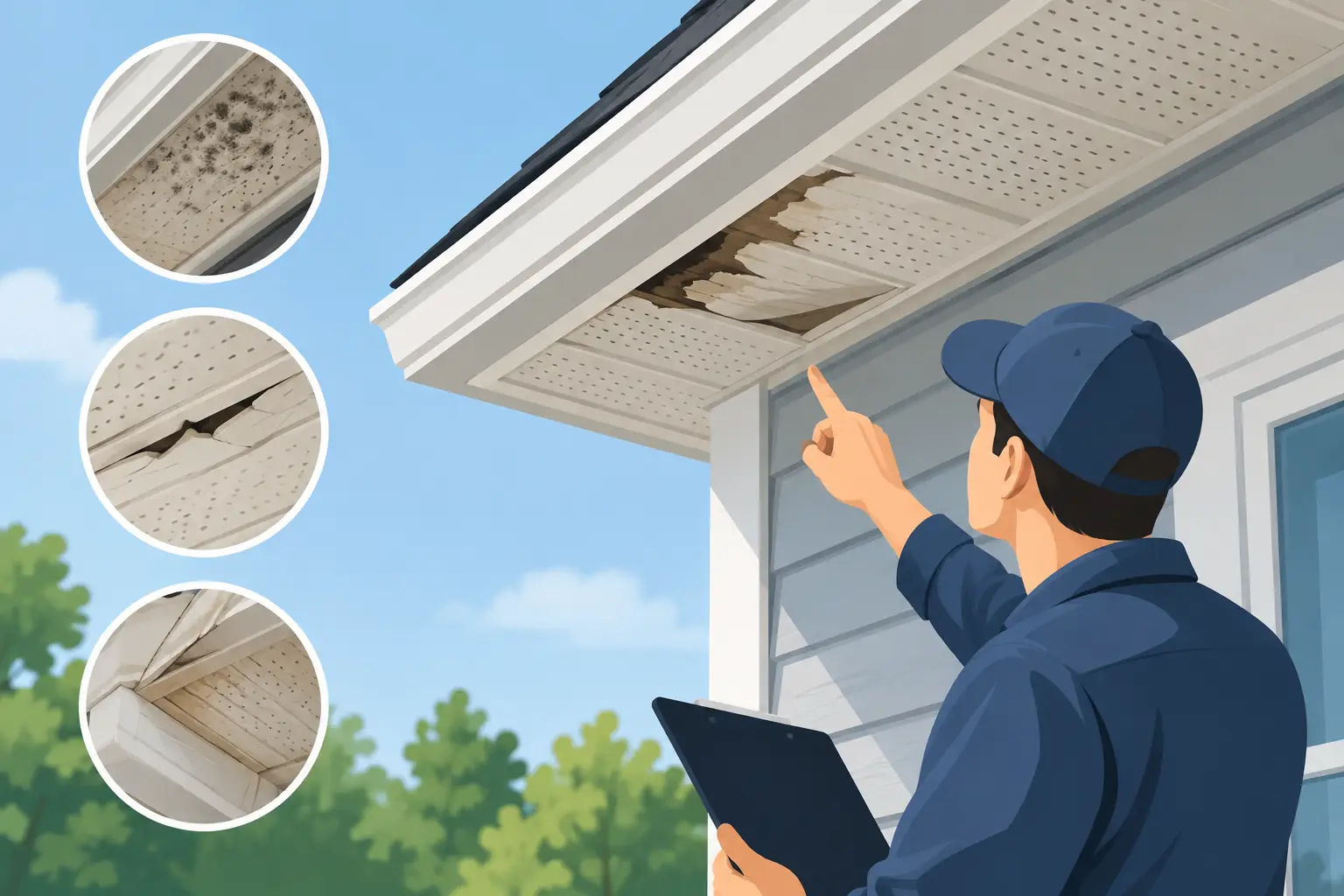
Then there is gutter pull-away. When a gutter starts separating from the fascia, rainwater slips behind it instead of flowing into it. That hidden runoff can damage fascia boards, soffits, and the upper sections of siding before the problem is visible from the ground.
Signs your siding may be suffering from gutter problems
Sometimes the gutter issue is obvious. Other times, the warning signs show up on the siding first.
Look for dirt streaks, green or black staining, peeling paint, swelling trim, loose siding panels, or mildew that returns after cleaning. You may also notice erosion below roof edges, splash marks near the bottom of the wall, or wet spots after a storm that seem concentrated in one area.
If the damage is only appearing in certain sections, that is often a clue. One bad corner, one overflowing valley, or one misaligned downspout can create a localized problem while the rest of the system looks fine.
That is one reason a professional inspection matters. The visible siding issue is often just the symptom.
Seamless gutters make a difference
Not all gutter systems perform the same way. Sectional gutters have joints that can weaken over time and create leak points. Seamless gutters reduce those breaks, which lowers the chance of water escaping where it should not.
For homeowners trying to protect siding long term, that matters. Fewer seams generally means fewer opportunities for drips, separation, and maintenance issues. It also creates a cleaner fit along the roofline, which helps the system carry water more reliably.
That does not mean seamless gutters are maintenance-free. They still need the right pitch, solid fastening, and working downspouts. But if you are dealing with recurring siding stains or repeated gutter leaks, upgrading to a seamless system is often a practical long-term move rather than another temporary patch.
Gutter guards can help, but only if the system underneath is right
Homeowners often ask whether gutter guards will protect their siding. The answer is yes, but with a condition. Gutter guards help by keeping leaves and debris from clogging the trough, which reduces overflow. That is especially useful in areas with mature trees, where clogged gutters can become a regular problem.
Still, guards are not a fix for bad installation, poor drainage layout, or undersized gutters. If the pitch is wrong or the water has nowhere proper to go, adding a guard will not solve the root issue.
A premium system like Double Pro by Alurex can be a strong option when it is installed on a properly designed gutter system. It supports water flow while helping reduce the buildup that leads to overflow and siding stains. For many homeowners, the value is not just less cleaning. It is more consistent protection during the seasons when gutters tend to fail.
Cleaning and repairs are part of siding protection
One of the easiest mistakes homeowners make is waiting until they see damage on the siding before thinking about the gutters. By then, the problem may have already been going on for months.
Routine cleaning removes the debris that causes overflow. Timely repairs stop small leaks from turning into chronic moisture problems. Refastening loose sections, resealing trouble spots, and correcting drainage direction can all make a real difference in how well your siding holds up.
This is one of those areas where it depends on the home. A newer house with open yard space may need very little maintenance. A home under large trees or with complex rooflines may need much more attention. The goal is not to over-service the system. It is to keep water moving where it belongs.
Why proper drainage protects more than the wall surface
When gutters fail, siding is often just the first visible layer affected. Water can also reach the sheathing behind the siding, the trim around doors and windows, and the fascia and soffit at the roof edge. In some cases, moisture works its way into the wall assembly and creates mold or soft wood that is not obvious until repairs begin.
That is why homeowners should not treat siding stains as a cosmetic issue only. The appearance matters, but the deeper concern is where the water is going and how long it has been getting there.
A well-functioning gutter system helps protect the full exterior envelope of the house. It controls runoff at the source instead of asking the siding and trim to deal with water they were never meant to carry.
What homeowners should do if they see water marks on siding
Start by looking up, not just at the stained area. Check whether the gutter above that section is full of debris, sagging, leaking, or draining poorly. Notice what happens during the next rain if you can do so safely from the ground. You may see overflow or dripping that explains the problem right away.
If not, it is worth getting the system inspected. A clear, itemized estimate and a straightforward explanation of what is happening can save you from replacing siding when the real issue is drainage. In many cases, the fix is simpler than homeowners expect. In others, the best answer is a full replacement because the existing gutter system was never doing enough in the first place.
For homeowners around Richmond and the surrounding service area, this is exactly why clear recommendations matter. You want to know whether you need cleaning, repair, guards, or a new seamless gutter system – and you want that answer without guesswork or surprise charges.
Your siding should not be acting like a second gutter. If water is running down your walls, the drainage system is asking your home to absorb a job it was never built to do.