

A low gutter quote can feel like a win right up until the crew shows up, adds charges, or installs a system that does not solve the water problem. That is why homeowners need to know how to compare gutter quotes fairly before signing anything. The goal is not just to find the cheapest number. It is to make sure you are comparing the same scope, the same materials, and the same level of workmanship.
If one contractor quotes a full seamless gutter replacement and another quotes only a partial repair, those numbers are not competing bids. If one includes downspout extensions, hangers, cleanup, and haul-away while another leaves them out, the lower quote may not actually be lower. Fair comparison starts with understanding what should be in the estimate.
How to compare gutter quotes fairly without missing the details
Start by looking past the total price. A single number at the bottom of the page tells you almost nothing by itself. What matters is how that number was built.
A fair gutter quote should spell out the work being done, the materials being used, and any add-ons or exclusions. If the estimate is vague, you are being asked to trust details that have not been promised in writing. That is where surprise charges and disappointing results usually begin.
For most homes, the quote should clarify the linear footage of gutters, the number and size of downspouts, the gutter style, the material thickness, the color, the hanger system, and whether old gutters will be removed and disposed of. If gutter guards are part of the project, the quote should identify the product by name, not just say “leaf protection.” There is a big difference between a premium guard system and a basic screen that clogs easily or lifts over time.
The more itemized the quote, the easier it is to compare one contractor to another. Detailed pricing protects the homeowner because it reduces room for misunderstandings.
Make sure the scope of work is actually the same
This is the biggest mistake homeowners make when reviewing estimates. Two quotes can look similar on the surface while covering very different work.
One company may be quoting 5-inch seamless gutters, while another is quoting 6-inch. One may include oversized downspouts to handle heavier water flow, while another sticks with a smaller setup. One may be planning to replace damaged fascia sections before installation, while another assumes the existing wood is fine and will charge extra later if it is not.
That does not mean every higher quote is better. It means you need to know what you are paying for.
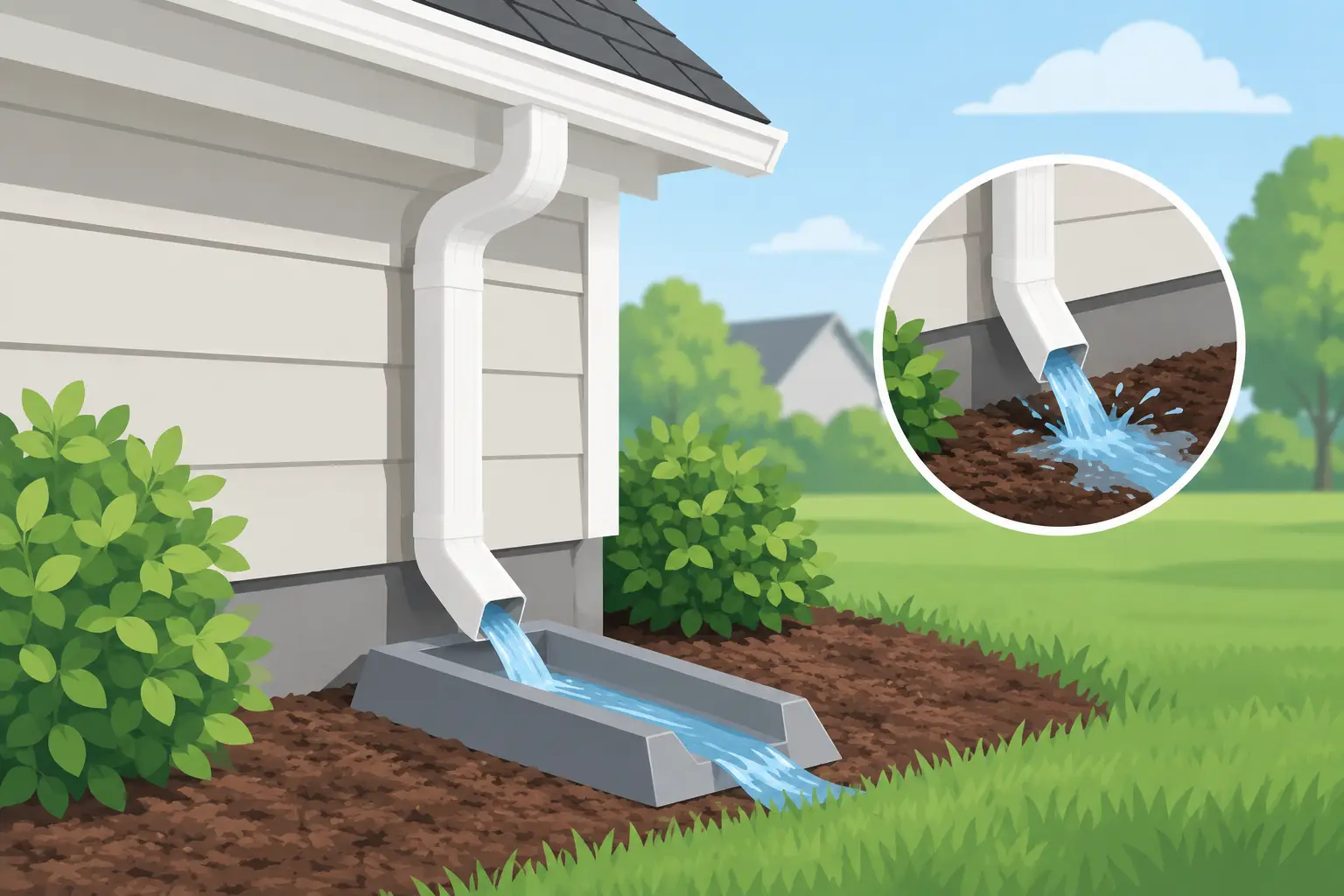
When you compare estimates, ask each contractor the same simple question: “What exactly is included in this price?” Then look for clear answers in writing. If your home has overflow issues, basement moisture, washout near landscaping, or water pooling near the foundation, make sure the quote addresses those concerns directly. A gutter system should be designed for how your home handles water, not installed as a one-size-fits-all package.
Ask about repairs versus replacement
Sometimes one quote is lower because it is proposing a repair while another recommends replacement. That is not automatically a red flag either way. It depends on the age of the system, the condition of the gutters, and whether the underlying problem is local or widespread.
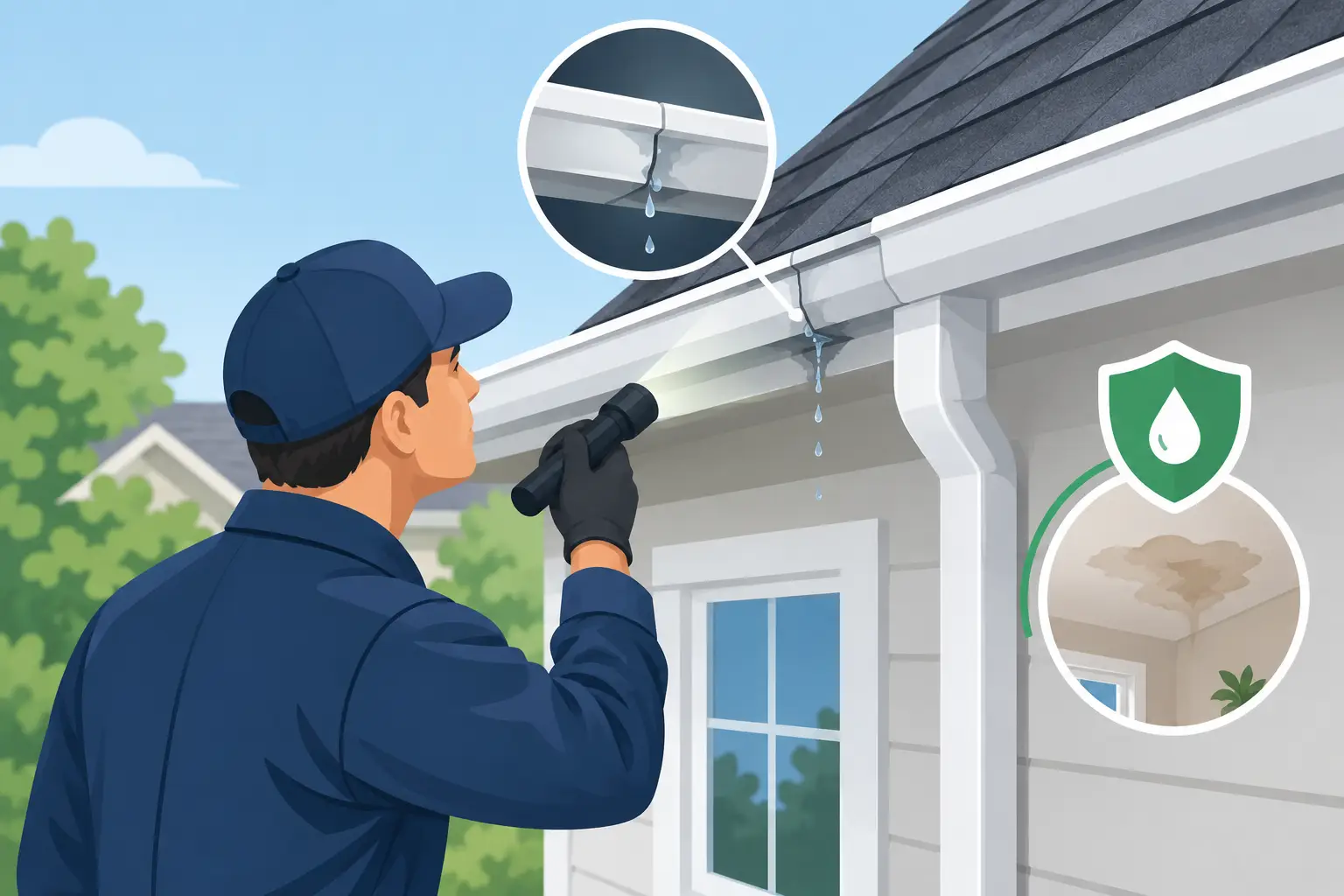
A repair can be the right call if the issue is limited to a loose section, a leaking seam, or a damaged downspout. But if the gutters are pulling away, rusting, sagging, or undersized for the roofline, patchwork can become a short-term fix that costs more over time. A fair comparison means understanding whether both contractors are solving the same problem or just quoting different levels of work.
Compare materials, not just prices
Gutters are not all equal, even when they look similar from the ground. The material, thickness, fastening method, and guard system all affect performance.
Seamless gutters, for example, usually outperform sectional gutters because they have fewer joints where leaks can develop. A quote for seamless installation may come in higher than a sectional option, but the long-term value is often better because there are fewer failure points. The same is true with hanger systems. Hidden hangers with proper spacing generally hold up better than cheaper attachment methods, especially through snow, ice, and heavy rain.
If gutter guards are included, compare those carefully. A low-cost insert or screen is not the same as a continuous-hanger guard system built for durability and water flow. Homeowners in Eastern Indiana and Western Ohio know that heavy leaf drop, spring storms, and winter weather can test a gutter system fast. A quote that includes a premium product may cost more up front but reduce maintenance and callbacks later.
Look for hidden costs before they become your problem
If a quote seems unusually low, there is usually a reason. Sometimes the contractor is simply more efficient. More often, the estimate leaves out items that will show up later.
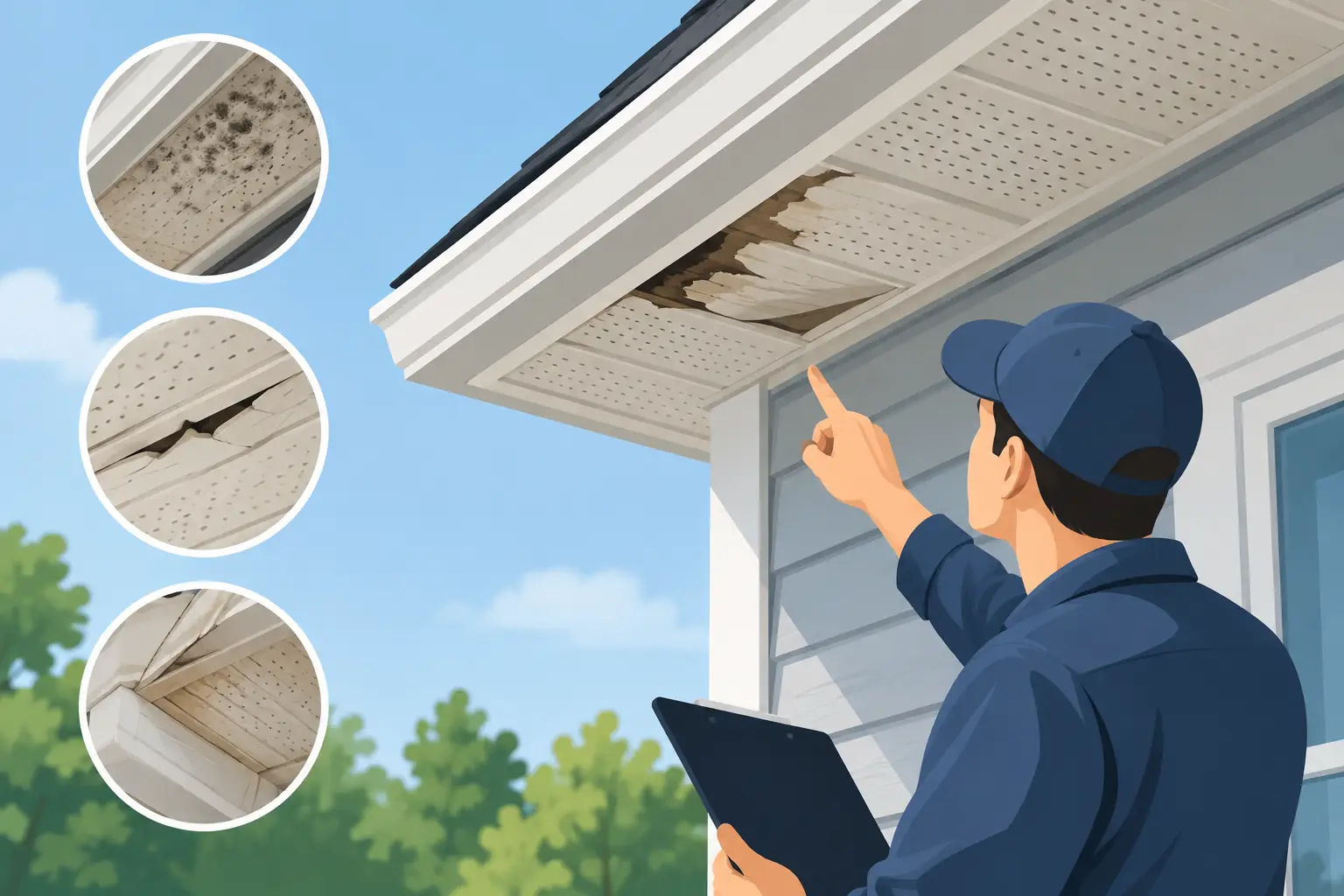
Common extra charges include removal of old gutters, disposal fees, extra downspouts, splash blocks, underground drain tie-ins, fascia repairs, travel charges, or color upcharges. Some companies also treat steep rooflines or second-story access as a surprise add-on instead of evaluating that during the inspection.
That is why free inspections and detailed quotes matter. A proper inspection should catch site conditions before pricing is presented. If the estimate is based on guesswork, the homeowner carries the risk.
When reviewing quotes, ask what could change the final price. A trustworthy contractor should be able to explain that clearly. If the answer is fuzzy, or if you are told “we will figure it out on install day,” that is not a small issue. It is a warning sign.
How to compare gutter quotes fairly when warranties are involved
A cheap install with a weak warranty is not a bargain. It may only be the lowest price on paper.
Read what the warranty actually covers. Some warranties cover only the material, not the labor to fix a problem. Others are so short that they offer little real protection. You also want to know whether the company stands behind workmanship, because many gutter problems come from installation errors rather than defective metal.
A fair quote comparison should include warranty length, what is covered, and what would void the warranty. If gutter guards are included, ask whether the product warranty and the installer warranty are separate. That matters if there is a problem later.
A contractor who is confident in the work usually has no issue explaining the warranty in plain language.
Evaluate the contractor, not just the estimate
A detailed quote is a good sign, but it is not the only thing that matters. You are also hiring the company behind the paper.
Pay attention to how the estimate process feels. Was the inspection thorough? Did the contractor explain the reasoning behind the recommendation? Were your questions answered directly, or brushed aside? A company that is rushed, vague, or pushy before the sale rarely becomes more transparent after it.
You also want to know whether the crew regularly installs gutters or treats them as a side service. Homes are expensive to protect, and water management is not minor work. Poor drainage can damage foundations, siding, soffits, fascia, landscaping, and roofing. This is one area where experience matters.
If you are comparing local companies, lean toward the one that gives you clarity instead of pressure. Homeowners should not have to decode a quote to feel safe moving forward.
What a fair gutter quote should include
The strongest quotes usually have a few things in common. They identify the scope of work clearly, break down costs in an itemized way, and make it obvious what is included and what is not. They also connect the recommendation to the home itself, not just a generic package.
At Seamless Gutter Solutions LLC, that transparency matters because homeowners deserve to know what they are buying before work starts. A quote should reduce uncertainty, not create it.
If you are choosing between two or three estimates, slow the process down long enough to compare line by line. Ask follow-up questions. Make each contractor clarify anything vague. A few extra minutes before signing can save you from years of drainage problems and avoidable repair costs.
The right quote is not always the lowest one. It is the one that honestly matches your home, addresses the water issue, and leaves no room for surprise fees after the job begins. That kind of clarity is worth paying attention to.