

A gutter can look fine from the ground while holding enough leaves, shingle grit, and standing water to send the next hard rain over the edge. For homeowners in Eastern Indiana and Western Ohio, the right gutter cleaning frequency is not just a seasonal chore. It is part of protecting the foundation, siding, roofline, and landscaping from preventable water damage.
Most homes need their gutters cleaned at least twice a year. That is a reliable starting point, but it is not a one-size-fits-all rule. Tree cover, roof design, nearby storms, and the condition of the gutter system all affect how often service is needed.
The Standard Gutter Cleaning Frequency for Most Homes
For a typical home, schedule professional gutter cleaning once in late spring and again in late fall. The spring visit clears seed pods, twigs, blossoms, and debris left behind by winter weather. The fall visit removes leaves before freezing temperatures, snow, and heavy seasonal rain turn a small clog into a drainage problem.
This twice-yearly schedule works well for many properties in Richmond, Muncie, Connersville, Greenville, Dayton, and surrounding communities. It gives a professional the opportunity to remove buildup and check whether water is moving properly through the gutters and downspouts.
However, homes surrounded by mature trees often need cleaning three or four times per year. A single large maple, oak, cottonwood, or pine near the roof can fill an open gutter much faster than a twice-yearly schedule allows. Pine needles are especially easy to overlook because they can pack tightly at downspout openings and restrict water flow even when the gutter channel does not appear full.
When You Should Clean Gutters More Often
Your property may need a higher gutter cleaning frequency if leaves or roof debris collect quickly. The goal is not to clean on an arbitrary calendar date. It is to prevent debris from blocking the path water needs to take away from your home.
Consider more frequent service if your home has any of these conditions:
- Heavy tree cover, especially trees that overhang the roof
- Pine trees, walnut trees, maples, or other high-debris varieties nearby
- A low-pitch roof where debris does not wash away easily
- Long gutter runs or multiple roof valleys that concentrate water and debris
- Recurring overflow during moderate or heavy rain
Roof valleys deserve special attention. They funnel a large volume of rainwater into one section of gutter, often carrying leaves and asphalt granules with it. If that section clogs, water can spill over the gutter edge and saturate the soil next to the foundation. Over time, that excess moisture can affect landscaping, stain siding, erode mulch beds, and contribute to foundation drainage concerns.
After Major Storms, Check the System
Strong winds, heavy rain, and ice can change the condition of a gutter system overnight. A quick ground-level look after a storm can help you spot obvious overflow, sagging sections, detached downspouts, or piles of debris in roof valleys.
You do not need to climb a ladder to know something may be wrong. Water pouring over the front of the gutter, streaks on the siding, puddles near the foundation, or a downspout that does not discharge during rain are all reasons to schedule an inspection. Waiting until the next seasonal cleaning may allow a minor blockage or loose hanger to become a repair issue.
Seasonal Timing Matters in Indiana and Ohio
The weather pattern in this region is a practical reason to stay ahead of gutter maintenance. Spring rain can be intense, summer storms can drop branches and seed debris, fall leaf drop can be heavy, and winter freezes can lock wet debris into place.
Late spring cleaning is best done after most seeds, blossoms, and early seasonal debris have fallen. If your home has cottonwoods or similar trees, you may need an additional visit when the fluffy seed material is active. That material can collect around gutter guards, roof valleys, and downspout openings.
Fall cleaning should happen after the majority of leaves have dropped, but before consistent freezing weather arrives. For heavily wooded properties, it may make sense to clean once in early fall and again near the end of leaf season. The trade-off is an extra service visit, but it can be far less costly than dealing with overflow, ice-related stress, or water entering vulnerable areas around the roofline.
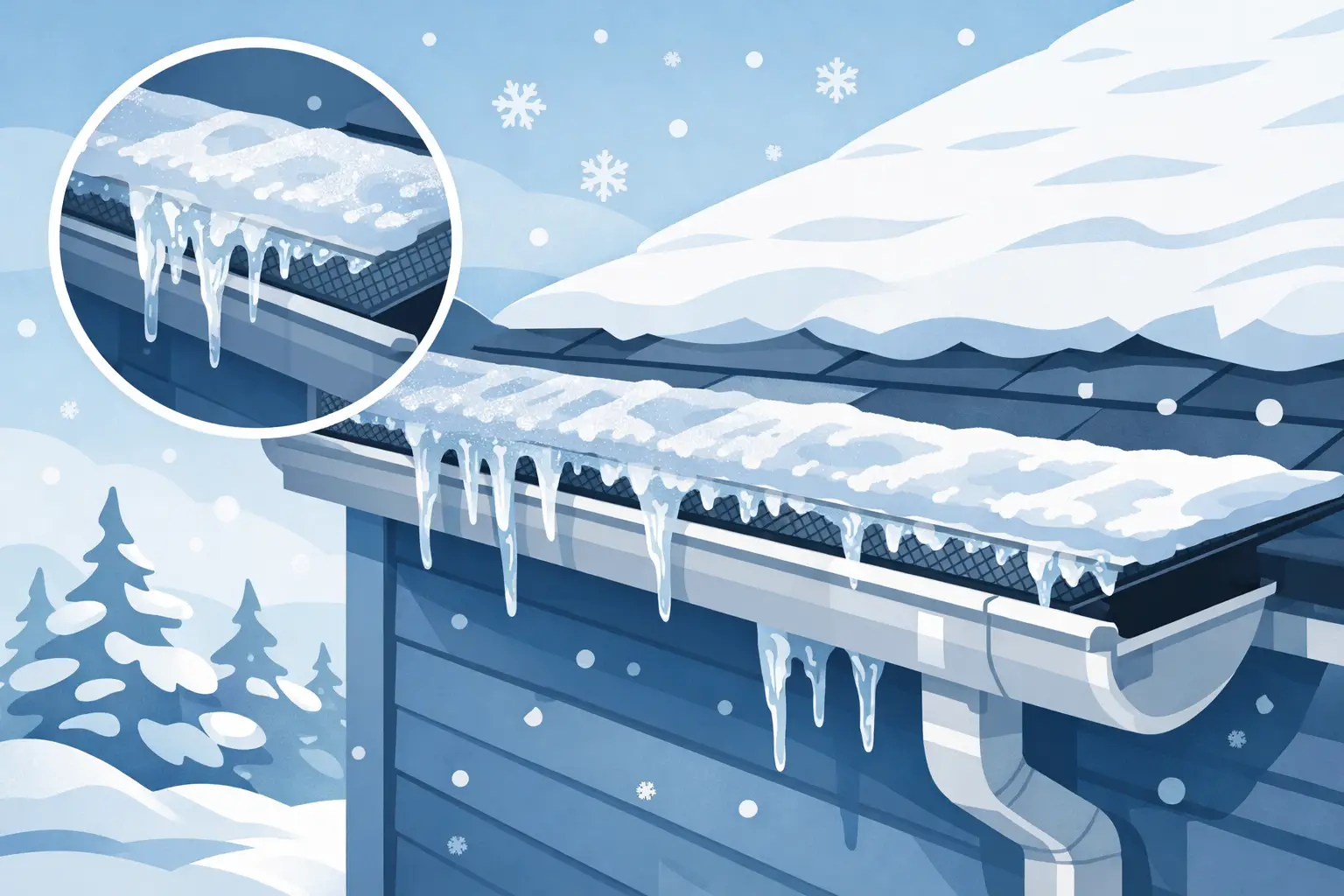
Winter cleaning is not usually routine maintenance, but winter inspections can be valuable when warning signs appear. Gutters weighed down by ice, standing water, or trapped debris should be assessed carefully. Clearing frozen material without the right equipment can damage the gutter or create a safety risk, so this is a situation better handled by a professional.
Signs Your Gutters Need Cleaning Now
A calendar is helpful, but your home will often give you more immediate signals. Overflow during rain is the most obvious one. Water should enter the gutter, travel to the downspout, and discharge away from the foundation. If it is spilling over the sides, the system may be blocked, undersized, improperly pitched, or in need of repair.
Plants growing from the gutter are another clear sign that cleaning is overdue. Once organic debris decomposes, it creates a damp layer that can support weeds and hold water against the gutter. That added weight can strain hangers and create sagging sections.
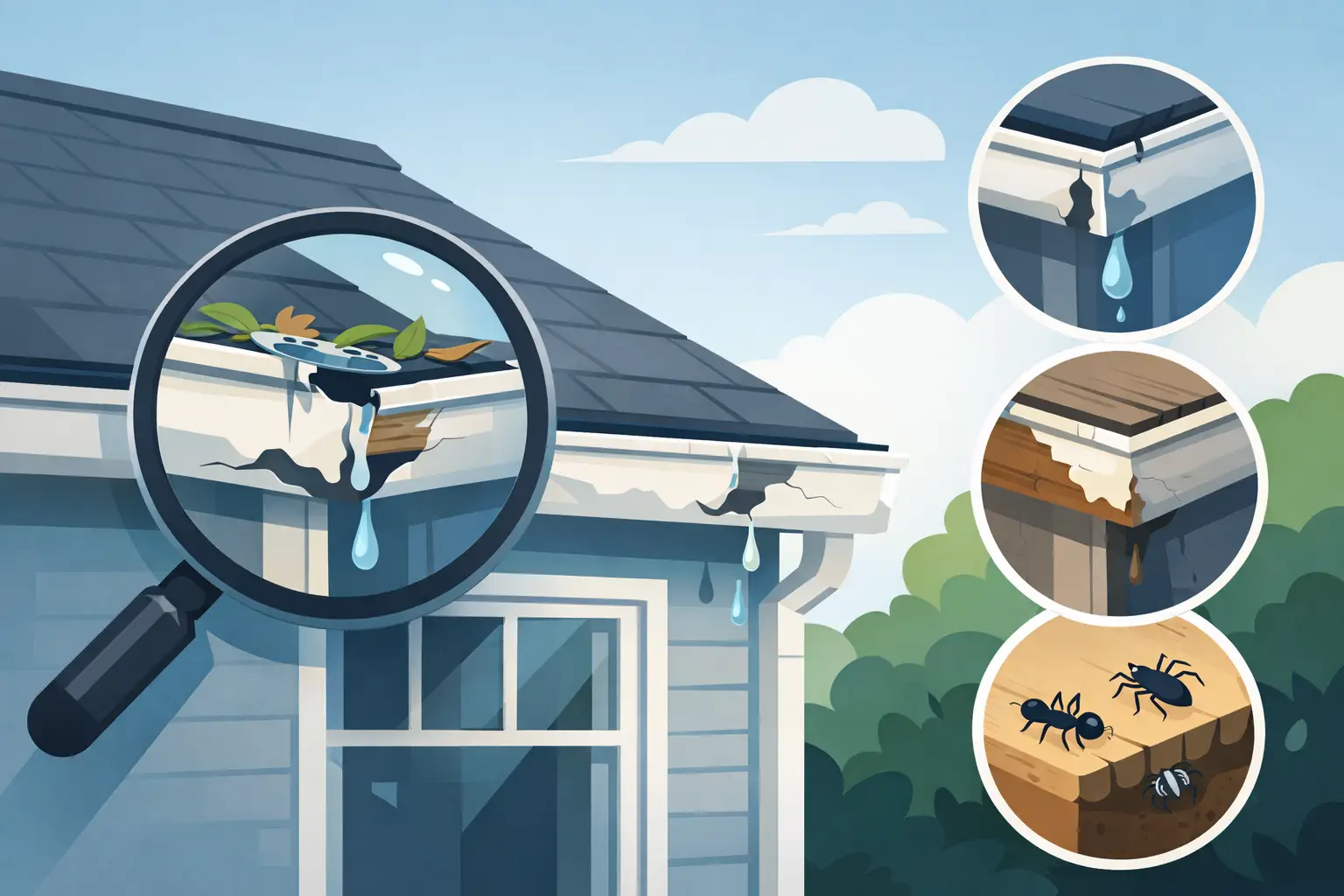
Look for stains beneath the gutters, peeling paint near the roofline, washed-out landscaping, or water pooling near the base of the home. These issues do not always mean the gutters are the only cause, but they should prompt a closer look at drainage. A professional inspection can identify whether cleaning, repair, improved downspout discharge, or a larger gutter solution is the right next step.
Do Gutter Guards Change Cleaning Needs?
Quality gutter guards can significantly reduce the amount of debris that enters the gutter, but they do not make a drainage system maintenance-free. That is an honest distinction homeowners should know before making an investment.
A premium system such as Double Pro by Alurex helps keep leaves and larger debris out while supporting the gutter continuously. This can reduce the need for frequent interior gutter cleaning and help maintain a stronger, more secure gutter installation. It is a practical choice for homeowners who have persistent leaf buildup or want to spend less time thinking about ladder work.
Even with guards installed, periodic inspections still matter. Fine debris, roof granules, and seed material can collect on top of guards or at the downspout outlet. A professional can check water flow, confirm that the guards remain secure, and remove material that may affect performance. In many cases, guarded systems need less cleaning, but the ideal schedule still depends on the trees, roof, and weather around the home.
Cleaning Is Also a Chance to Catch Gutter Repairs Early
Gutter maintenance is about more than removing leaves. A cleaning appointment gives you a chance to identify loose fasteners, separated seams, sagging runs, damaged end caps, or downspouts that are no longer directing water far enough from the house.
Seamless gutters have fewer joints than sectional systems, which can reduce common leak points. Still, every gutter system needs proper slope, secure hangers, and clear downspouts to perform as intended. If the gutter is clean but water still stands in one section or flows the wrong direction, cleaning alone will not solve the problem.
That is why a clear inspection and itemized recommendation are valuable. Homeowners should know whether they need routine cleaning, a targeted repair, new downspout extensions, leaf protection, or a replacement section. Straight answers and no hidden fees make it easier to address the actual issue rather than guessing at a temporary fix.
A Safer Way to Stay on Schedule
Ladder work around wet roofs and uneven ground carries real risk. Homeowners who are comfortable doing basic exterior maintenance may choose to monitor gutters from the ground, but professional service is often the safer option for multi-story homes, steep roofs, heavy debris, or visible gutter damage.
A scheduled plan also removes the pressure of remembering after the first overflow of the season. At Seamless Gutter Solutions LLC, a free inspection can help establish a cleaning schedule based on your home’s tree cover, roof layout, and current drainage condition. You receive a detailed quote before work begins, so there is no uncertainty about what is being recommended.
The best time to address gutter buildup is before the next hard rain tests it. If you have noticed overflow, staining, or debris collecting near your roofline, a straightforward inspection can help protect the parts of your home that water reaches first.