

A lot of gutter guard problems start with a sales pitch that sounds better than the product performs. Homeowners looking at top rated gutter guards for homes usually want one simple result – fewer clogs, less ladder work, and better protection for the house. That is a fair goal, but not every guard delivers it in the same way, and not every home needs the same system.
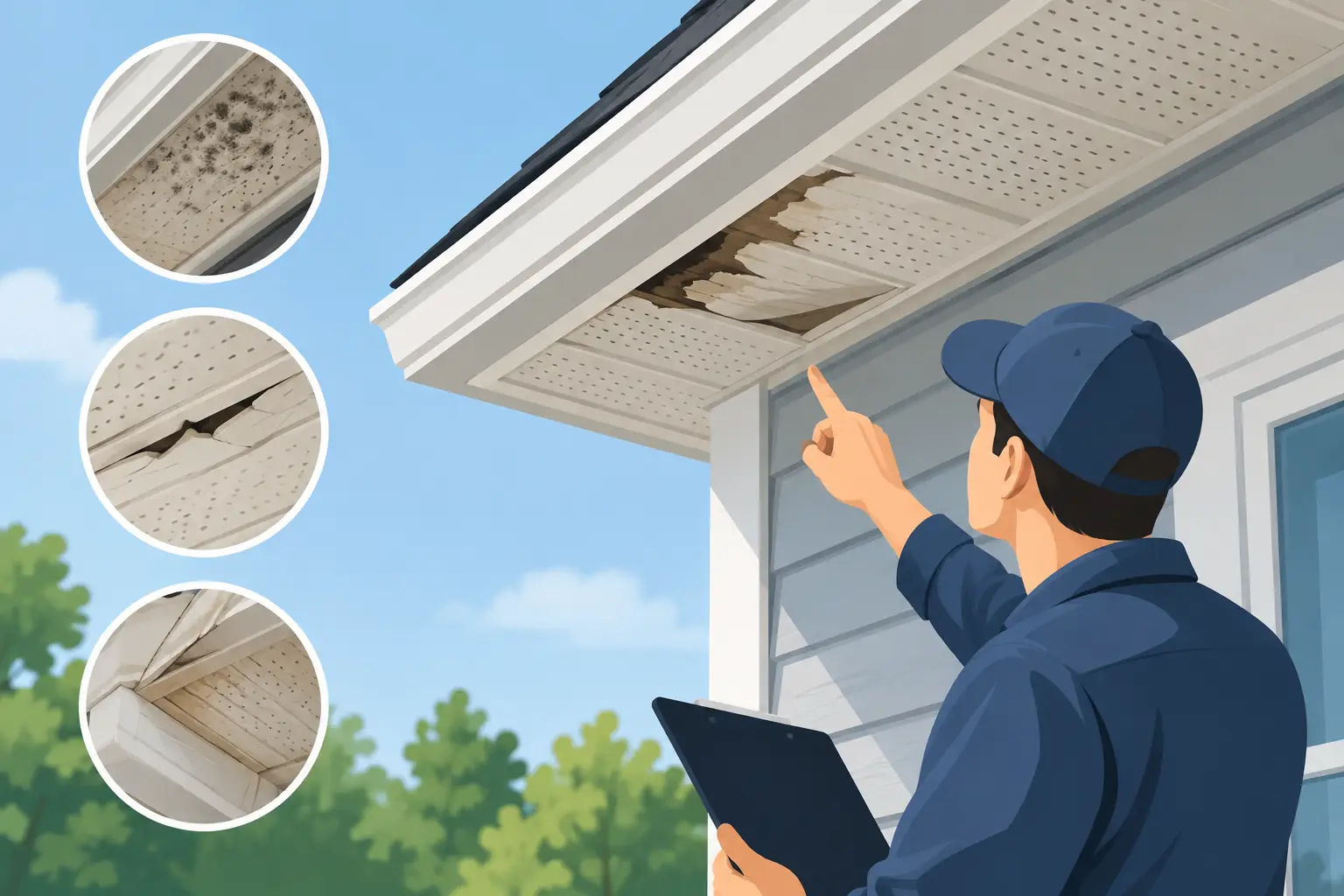
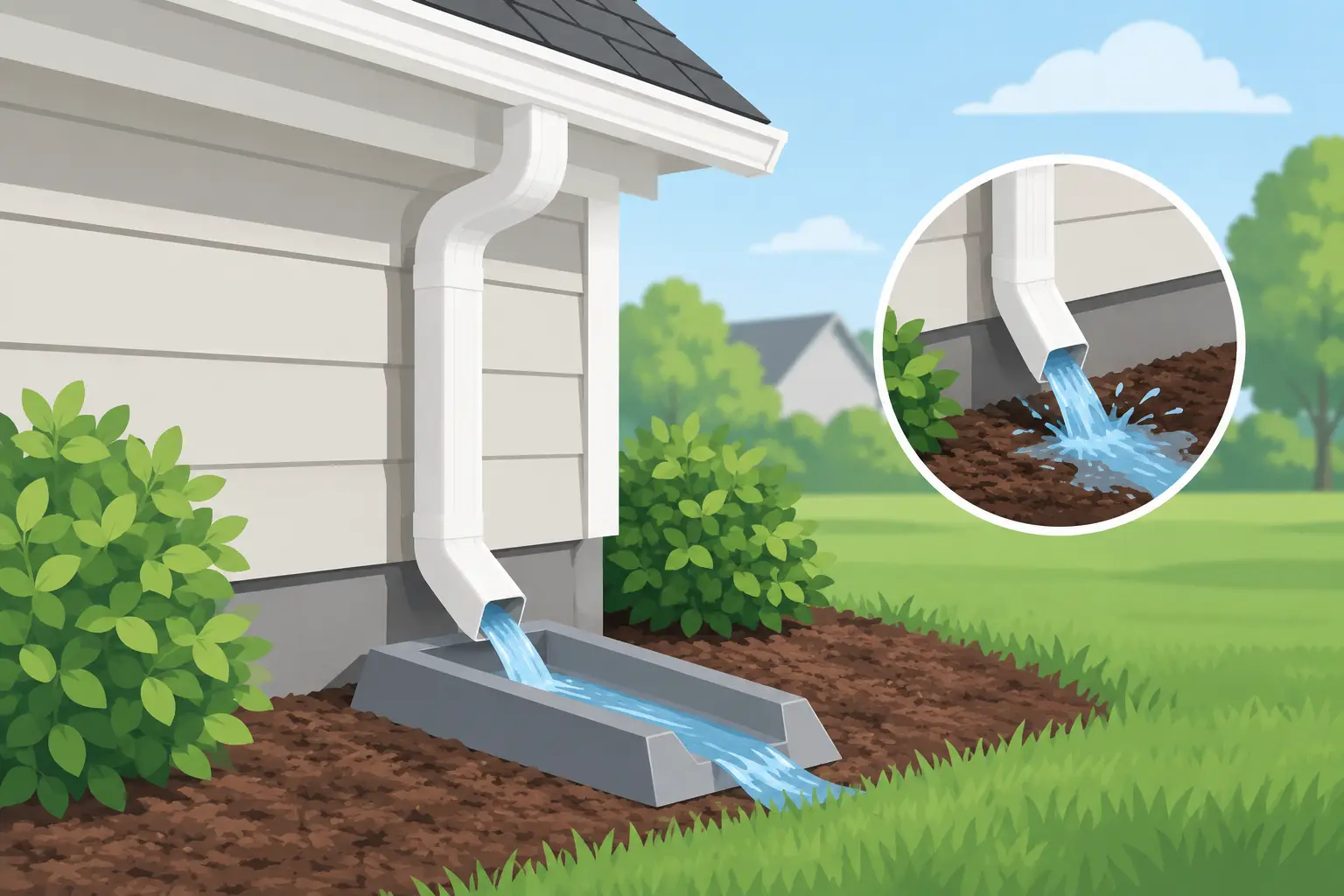
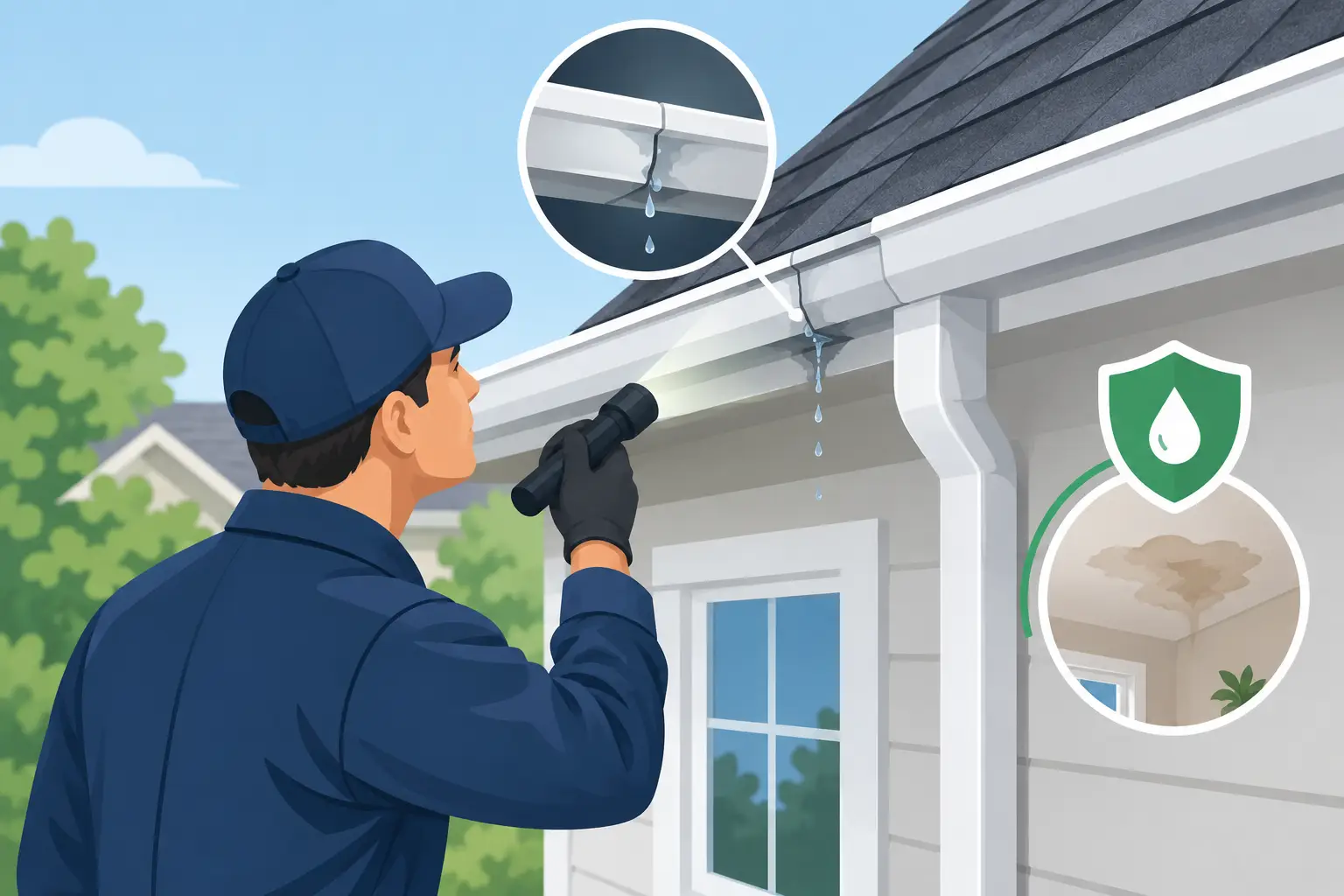
If your gutters overflow during a hard rain, the damage does not stay in the gutter. Water can end up along the foundation, behind fascia, across landscaping, and near basement walls. A gutter guard is not just about keeping leaves out. It is about keeping water moving where it is supposed to go.
What makes top rated gutter guards for homes actually worth it?
The best gutter guards are not the ones with the loudest marketing. They are the ones that match the roofline, tree coverage, rainfall pattern, and gutter condition of the home. A guard can look great in a brochure and still underperform if it is installed on sagging gutters or paired with the wrong pitch.
A top-rated system usually gets there by doing three things well. It sheds debris instead of trapping it, it allows strong water flow during heavy rain, and it strengthens the gutter instead of creating new weak points. That last point gets overlooked. Some guards simply sit on top of the gutter. Others become part of the structure and help support the front edge over time.
For homeowners in Eastern Indiana and Western Ohio, this matters because the weather is not gentle all year. Spring downpours, summer storms, falling leaves, and winter freeze-thaw cycles can all test a gutter system. What works in a mild climate may not hold up the same way here.
The main types of gutter guards
Screen guards
Screen guards are one of the most familiar options. They sit over the gutter opening and block larger debris while allowing water through holes or slots. The appeal is obvious – they are simple and often cost less up front.
The trade-off is maintenance. Basic screens can still collect seed pods, shingle grit, and small leaves on top. Once that layer builds up, water can skim over the edge instead of dropping into the gutter. They can be a decent option in lighter debris conditions, but they are not always the best fit for homes surrounded by mature trees.
Mesh and micro-mesh guards
Mesh systems use finer openings to keep out smaller debris. On paper, that sounds like the clear winner. In some situations, it is. Micro-mesh guards can do a better job against pine needles and tiny particles than wider-opening screens.
But finer filtration comes with its own trade-off. Very small openings can become restricted by pollen, roof grit, or sludge over time. If the guard is not designed well, water can sheet over the surface during intense rainfall. The product quality and installation quality matter a lot in this category.
Reverse curve guards
These systems are designed to let water wrap around a curved edge and enter the gutter while leaves fall to the ground. When installed correctly, they can handle debris well in certain conditions.
Their downside is that performance depends heavily on roof angle, water speed, and the exact installation. They are also more visible from the ground than many homeowners prefer. Some people do not mind that. Others want a cleaner, lower-profile appearance.
Foam inserts and brush guards
These options are usually marketed as simple solutions. Foam inserts sit inside the gutter and block debris while letting water pass through. Brush guards work in a similar way, using bristles to catch leaves on top.
They can help temporarily, but they tend to create their own cleaning problems. Debris can sit in or around the material, and once it breaks down, the gutter still needs attention. For homeowners looking for a long-term upgrade, these are rarely the strongest choice.
Continuous-hanger gutter guards
This category deserves more attention than it usually gets. A continuous-hanger guard does more than filter debris. It also reinforces the gutter system itself. That matters because many gutter issues are not just about clogging. They are also about movement, pulling, sagging, and separation over time.
A product like Double Pro by Alurex is a good example of why homeowners often prefer this style when they want durability and performance together. It is designed to keep debris out while also acting as a continuous support system for the gutter. That can be a smarter investment than adding a guard onto a weak or aging setup and hoping for the best.
The best choice depends on your home
There is no single guard that is perfect for every house. A single-story ranch with light tree cover has different needs than a two-story home under heavy maple and pine debris. Roof material matters too. So does the condition of the fascia and the current gutter pitch.
If your gutters are undersized, loose, or already pulling away from the house, a guard alone will not fix the core problem. In that case, the right path may be repair or replacement first, followed by guard installation. Homeowners often save money long term when they address the whole drainage system instead of trying to patch one symptom.
How to judge gutter guards beyond the sales brochure
When comparing top rated gutter guards for homes, focus less on broad claims and more on practical questions. Ask how the system performs in hard rain, what kind of debris it handles best, whether it changes the look of the gutterline, and what maintenance is still expected.
Also ask how it is attached. Fastening method matters because it affects durability. A guard that integrates with the gutter and hanger system often provides better long-term support than a lightweight add-on. This is especially relevant in areas with snow load, wind, and seasonal temperature swings.
Warranty matters too, but it should not be the only factor. Some warranties sound impressive until you read the fine print. A better sign is a contractor who gives a clear inspection, explains the condition of your existing gutters, and provides an itemized quote with no vague language.
Installation quality matters as much as the product
A premium guard can still fail if the installer ignores slope, hanger spacing, downspout flow, or roof edge details. That is why homeowners should be careful about buying based on product name alone. The system has to be matched to the home and installed with attention to drainage, not just attached quickly.
This is where a local inspection helps. A contractor familiar with homes in Richmond, Muncie, Connersville, Greenville, Dayton, and nearby communities will understand the debris patterns, storm intensity, and freeze conditions common in the area. That local experience can make a real difference in recommending the right setup.
Seamless Gutter Solutions LLC approaches this the right way by keeping the process straightforward – free inspections, free estimates, detailed quotes, and no hidden fees. For homeowners, that removes a lot of the uncertainty that usually comes with exterior work.
When gutter guards are a smart investment
Gutter guards make the most sense when cleaning is difficult, trees are a constant problem, or overflow has already started to threaten the home. They are also a strong upgrade when paired with new seamless gutters, because the full system can be designed to work together from the start.
That said, guards do not mean zero maintenance forever. Even top-rated systems benefit from occasional inspection, especially after major storms. The goal is not to eliminate all attention. The goal is to reduce routine clogging, improve drainage reliability, and protect the home with less hassle.
What homeowners should look for first
Start with the condition of the existing gutter system. If it is solid, properly pitched, and the right size, adding a guard may be enough. If it is struggling already, look at the bigger picture before spending money on a cover alone.
Then consider what kind of debris you deal with most. Broad leaves, pine needles, seed pods, and roof grit all behave differently. The best gutter guard is the one built for your actual conditions, not the one with the broadest claim.
A good decision usually comes from a simple process – inspect the gutters, identify the failure points, compare guard styles honestly, and choose a system that protects both water flow and gutter structure. When a contractor can explain that clearly and price it clearly, the decision gets much easier.
The right gutter guard should give you more confidence every time it rains, not another reason to drag out the ladder and hope for the best.