

A gutter can look clear from the ground and still hold enough wet leaves, roof grit, and standing water to overflow during the next hard rain. That overflow does not stay at the roofline. It can soak siding, wash out landscaping, stain exterior walls, and leave water pooling near the foundation. When weighing professional vs DIY gutter cleaning, the best choice comes down to more than saving money. It comes down to the condition of your gutters, the height and layout of your home, and how confident you are that the whole drainage system is working as it should.
For many homeowners in Eastern Indiana and Western Ohio, gutter cleaning is a manageable seasonal task. For others, it is a job where a small missed issue or a fall from a ladder can become expensive fast. Here is a straightforward way to decide.
Professional vs DIY Gutter Cleaning: What You Are Really Comparing
DIY cleaning usually means removing debris by hand, flushing the gutters with a hose, and checking whether water moves through the downspouts. The direct cost is low if you already own a sturdy ladder, gloves, scoop, bucket, and hose attachment. You control the timing, and you can address a small buildup before it becomes a larger blockage.
Professional cleaning adds trained labor, proper access equipment, and a more complete inspection of the gutter system. A qualified crew does more than pull out leaves. They should look for loose hangers, separated joints, sagging sections, poor slope, clogged downspouts, and drainage patterns that send water too close to the house.
Neither option is automatically right for every property. A single-story ranch home with open, easy-to-reach gutters is very different from a two-story home with steep rooflines, mature trees, or gutters that have been neglected for several seasons.
When DIY Gutter Cleaning Makes Sense
DIY cleaning can be a sensible choice when the work is simple and the homeowner can do it safely. If your home is one story, the ground is level and firm, and you can reach the gutter line without overreaching from the ladder, seasonal cleaning may be well within your comfort zone.
It can also work well for homeowners who clean consistently. Gutters are easier to maintain when debris is dry and light. Waiting until leaf piles have compacted into dark, wet material makes the job slower, messier, and more likely to reveal standing water or hidden clogs.
A careful DIY cleaning should include more than clearing visible debris. Once the gutter trough is clean, run water through each section and watch where it goes. Water should move steadily toward the downspouts rather than sitting in the middle of a run. At ground level, make sure the downspout discharge carries water away from the foundation instead of dumping it beside the house.
DIY work is also useful between professional service visits, especially after a major storm. A quick ground-level check for overflowing sections, debris at a downspout opening, or a downspout extension knocked out of place can prevent a problem from getting worse.
The DIY Costs That Are Easy to Miss
The price of cleaning your own gutters is not always just a pair of gloves and an afternoon. Safe access requires a reliable ladder in good condition, a ladder stabilizer when appropriate, and someone nearby if conditions are risky. You may also need tools to clear a packed downspout or repair a minor issue you discover.
There is also the cost of an incomplete job. If water is still overflowing because a downspout is clogged underground or a gutter section has pulled away from the fascia, the debris removal did not solve the drainage problem. That is where homeowners can spend time cleaning but still face water damage during the next storm.
When Professional Gutter Cleaning Is Worth It
Professional service is often the better value when safety, access, or system condition is a concern. Two-story homes, steep grades, uneven ground, roof valleys, and tight spaces around landscaping all raise the difficulty of ladder work. Wet leaves and slick surfaces make it even less forgiving.
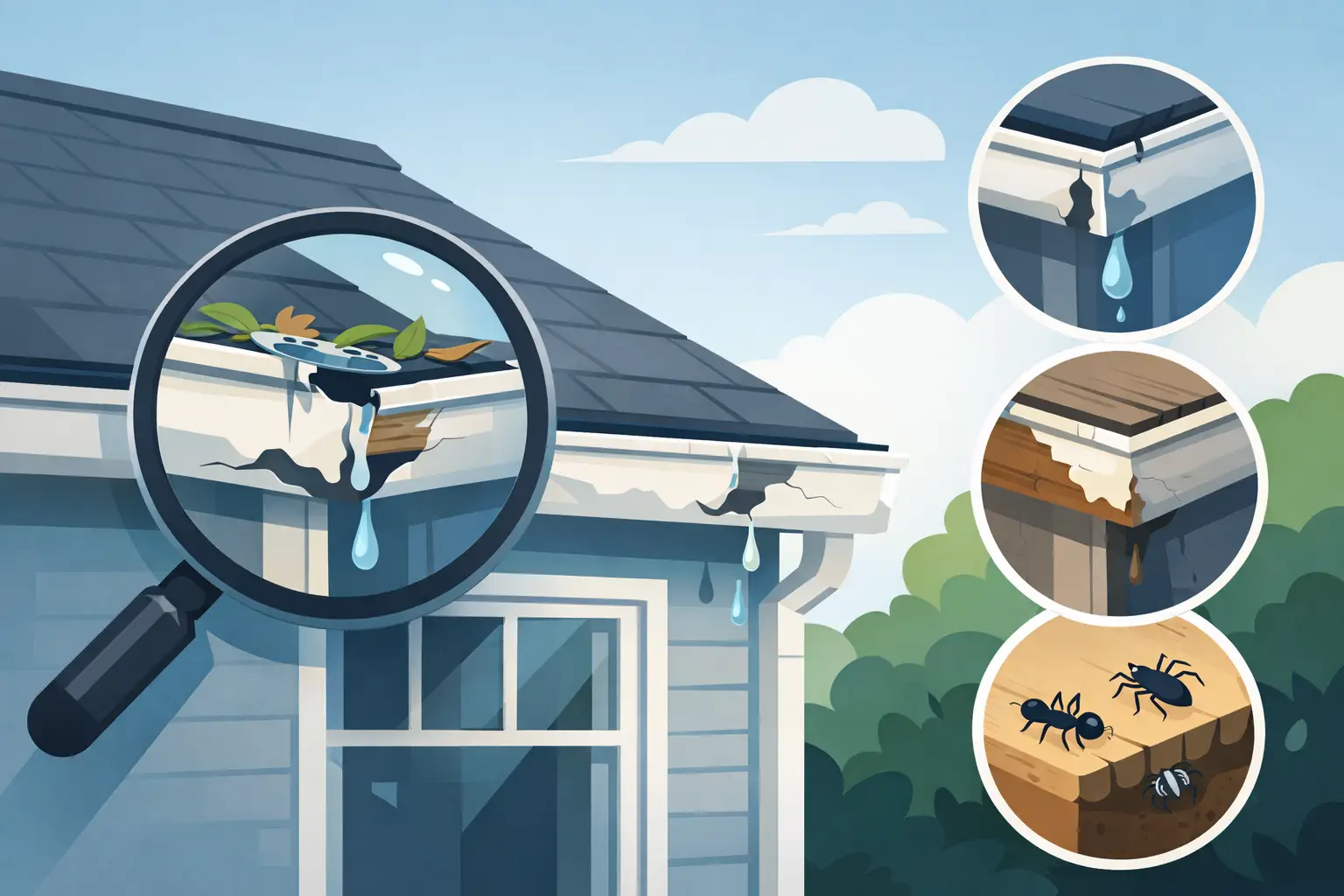
A professional cleaning is also a strong choice if you have seen warning signs such as water spilling over the front edge of the gutter, gutters pulling away from the roofline, stains on siding, standing water near the foundation, or plants growing from accumulated debris. These signs may point to an issue beyond routine cleaning.
The inspection component matters. Gutter systems need the right slope, secure attachment, functioning downspouts, and discharge that directs water away from the home. A crew can identify whether a section needs repair, whether an outlet is restricted, or whether the system is undersized for a roof area. Catching those issues early is usually less costly than repairing rotted fascia boards, damaged siding, or foundation drainage problems later.
Professional cleaning is especially helpful for homeowners who are short on time or simply do not want to take on ladder work. There is no reason to turn a routine maintenance task into a personal safety risk. The goal is not to prove you can do it yourself. The goal is to keep rainwater moving where it belongs.
Comparing Results, Safety, and Long-Term Cost
The biggest advantage of DIY cleaning is the lower immediate cost. If you have safe access and stay on a regular schedule, you can keep debris under control without paying for labor. The trade-off is that the results depend entirely on your equipment, attention to detail, and ability to recognize issues that are not obvious.
The biggest advantage of professional cleaning is confidence in the complete system. You are paying for safer access, a thorough clearing, and experienced eyes on the gutters, downspouts, and attachments. The upfront cost is higher, but it may prevent larger repair costs when a loose section, clog, or drainage failure is found early.
Frequency affects the equation as well. Homes under mature maples, oaks, pines, or other heavy-shedding trees may need cleaning two or more times a year. Homes with fewer nearby trees may need less frequent service, but spring pollen, seed pods, roof grit, and storm debris can still create blockages. A professional can help establish a schedule based on your property rather than a one-size-fits-all calendar.
Do Gutter Guards Eliminate Cleaning?
Gutter guards can significantly reduce the amount of debris that enters a gutter, but they do not eliminate maintenance entirely. Leaves, needles, and roof debris can collect on top of some guards, and downspouts still need to be checked for proper flow. The right guard system should support the gutter structure while allowing water to enter efficiently.
For homeowners tired of frequent cleanouts, a premium continuous-hanger guard such as Double Pro by Alurex can be a practical long-term upgrade. It may reduce routine debris buildup while strengthening the gutter system, but it should be installed on properly functioning gutters. Guards are not a substitute for repairing sagging, damaged, or poorly pitched sections first.
A Simple Decision for Your Home
Choose DIY gutter cleaning when the home is easy to access, the gutter system is in good condition, and you can work safely without stretching, climbing onto the roof, or taking shortcuts. Stop and reassess if you find compacted debris, a downspout clog you cannot clear, loose gutter sections, or signs that water has been reaching the foundation.
Choose professional service when your home is tall, the terrain is uneven, trees create heavy buildup, or you want a trained inspection along with the cleaning. It is also the right call when you have already noticed leaks, overflow, sagging, or drainage problems.
A free inspection and detailed, itemized estimate can make that decision easier. Seamless Gutter Solutions LLC helps homeowners understand what their gutters need before work begins, with no hidden fees and no pressure to pay for services that do not fit the problem. Whether you handle simple seasonal upkeep yourself or bring in a professional, keep the focus on one thing: directing water safely away from the home you worked hard to protect.