
A gutter quote can look simple on paper and still leave out the details that matter most. That is where homeowners get burned – not always by the price itself, but by what was never explained.
If you are comparing contractors in Richmond, Muncie, Dayton, or nearby communities, the right questions can tell you a lot before any work starts. Good installers will answer clearly, explain your options, and put the details in writing. If someone gets vague when you ask about materials, slope, cleanup, or extra charges, that is useful information too.
Why the right questions matter before installation
Gutters are not just trim for the edge of your roof. They protect your foundation, siding, landscaping, fascia, and the areas around entryways and walkways. When they are undersized, poorly pitched, loosely fastened, or badly placed, water goes exactly where you do not want it.
That is why hiring based on price alone is risky. The lowest bid may leave out downspouts, splash management, disposal, leaf protection details, or repair work needed behind the old gutter system. A clear conversation up front usually saves money and frustration later.
Questions to ask gutter installers before you sign anything
1. What type of gutter system do you recommend for my home, and why?
This is one of the most important questions to ask gutter installers because it shows whether they are looking at your actual home or giving every customer the same package.
A qualified installer should talk through gutter size, profile, downspout placement, rooflines, valleys, overhangs, and how water currently moves around your property. Some homes do fine with a standard setup. Others need larger gutters or additional downspouts because of roof area, heavy runoff, or trouble spots near the foundation.
If the answer is short and generic, ask for more detail. There should be a reason behind the recommendation.
2. Are you installing seamless gutters or sectional gutters?
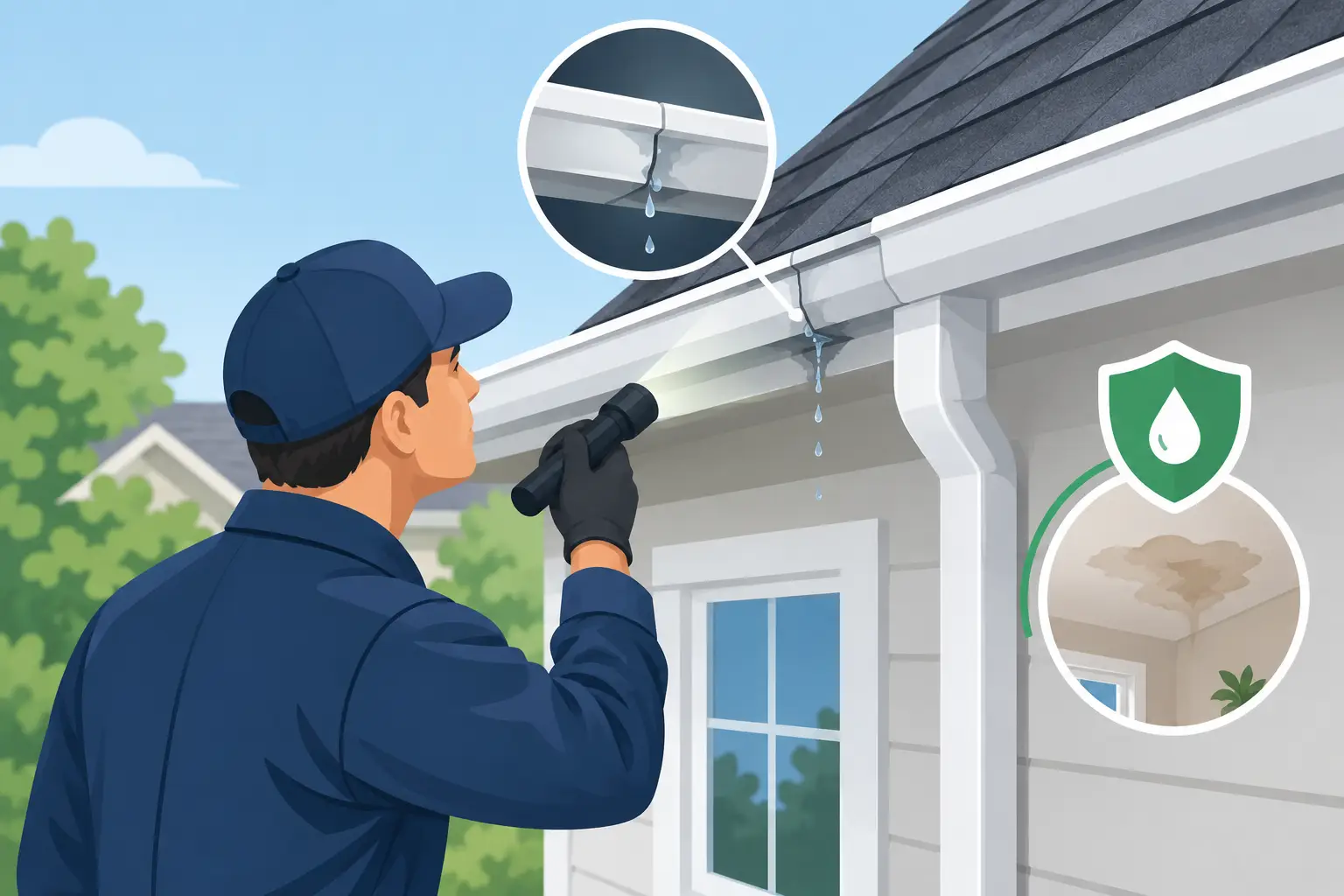
For most homeowners, seamless gutters are the better long-term choice because they have fewer joints where leaks can develop. That does not mean every installer provides the same quality. You want to know whether the gutters are formed for your home and how the corners, outlets, and end caps are handled.
This is also a good time to ask what material they use, such as aluminum, and what gauge or thickness is available. A cheaper system may look fine on day one but dent more easily or hold up poorly over time.
3. How will you determine the right gutter size and downspout count?
Many gutter problems are really drainage capacity problems. If the system cannot move enough water fast enough, overflow will show up around valleys, corners, and high-flow roof sections.
An experienced installer should explain how they size the system based on your roof design and water volume, not just the linear footage of the house. Bigger is not always necessary, but guessing is not a plan either.
4. How will the gutters be fastened to the house?
Fastening matters more than many homeowners realize. Ask whether the company uses hidden hangers, spike-and-ferrule systems, or another method. Hidden hangers are often preferred because they provide strong, consistent support and a cleaner appearance.
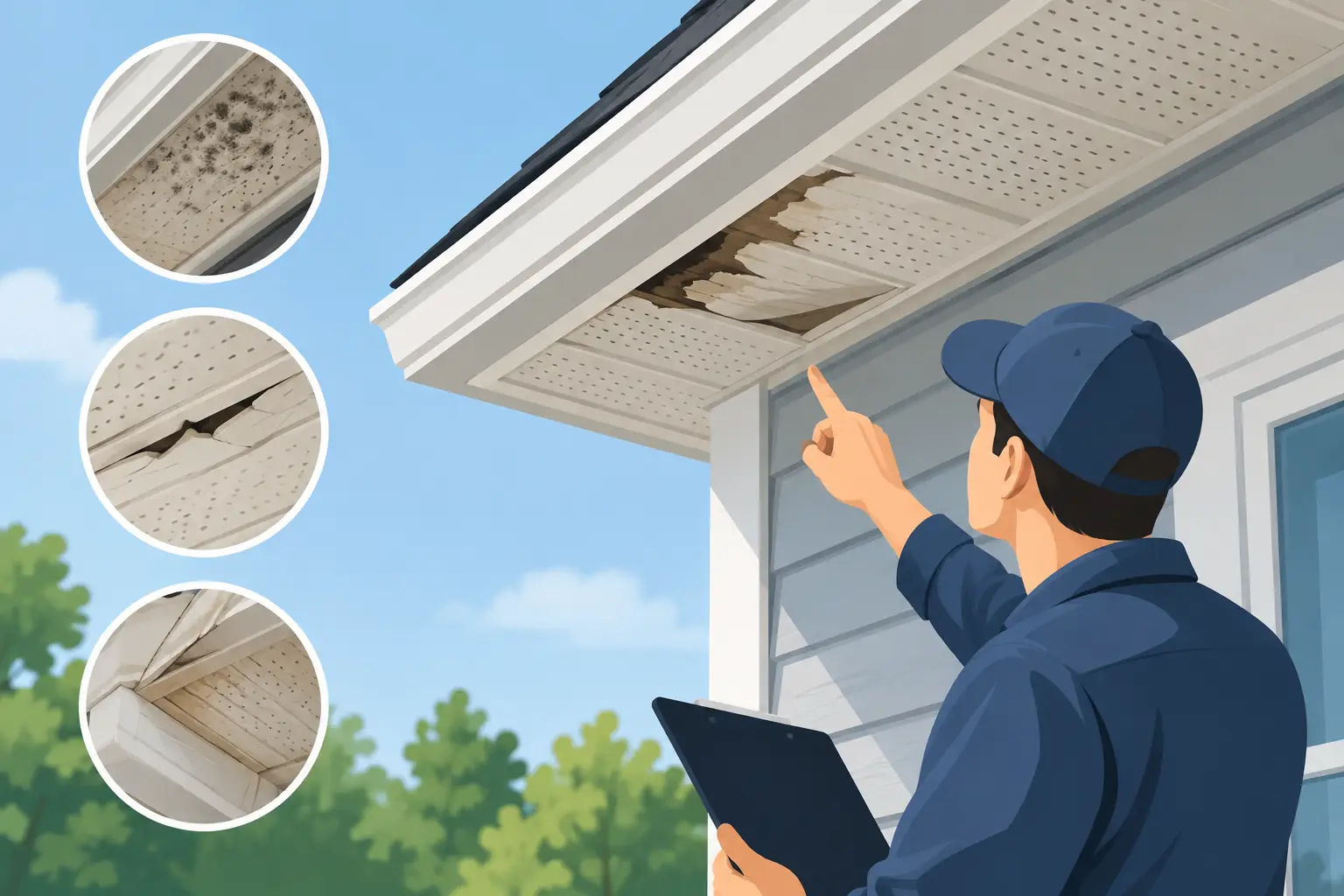
You can also ask how far apart the hangers will be placed and whether the installer checks for weak fascia before attaching the new system. If the wood behind the gutters is damaged, installing over it without addressing the problem can shorten the life of the whole job.
5. What is included in the quote, exactly?
This question can save you from the classic surprise bill. A trustworthy company should give you a detailed, itemized quote that spells out labor, materials, tear-off, disposal, downspouts, elbows, extensions, miters, leaf protection if selected, and any repairs that are known ahead of time.
You should also ask what is not included. For example, fascia replacement, soffit repairs, drainage extensions, or underground drain tie-ins may be separate. That is not automatically a red flag. The problem is when those items are left vague and appear later as added costs.
6. Do you see any drainage issues around my home that new gutters alone will not fix?
This is where a good installer becomes a real partner instead of just a crew that hangs metal. Gutters are a big part of water management, but they are not the entire solution.
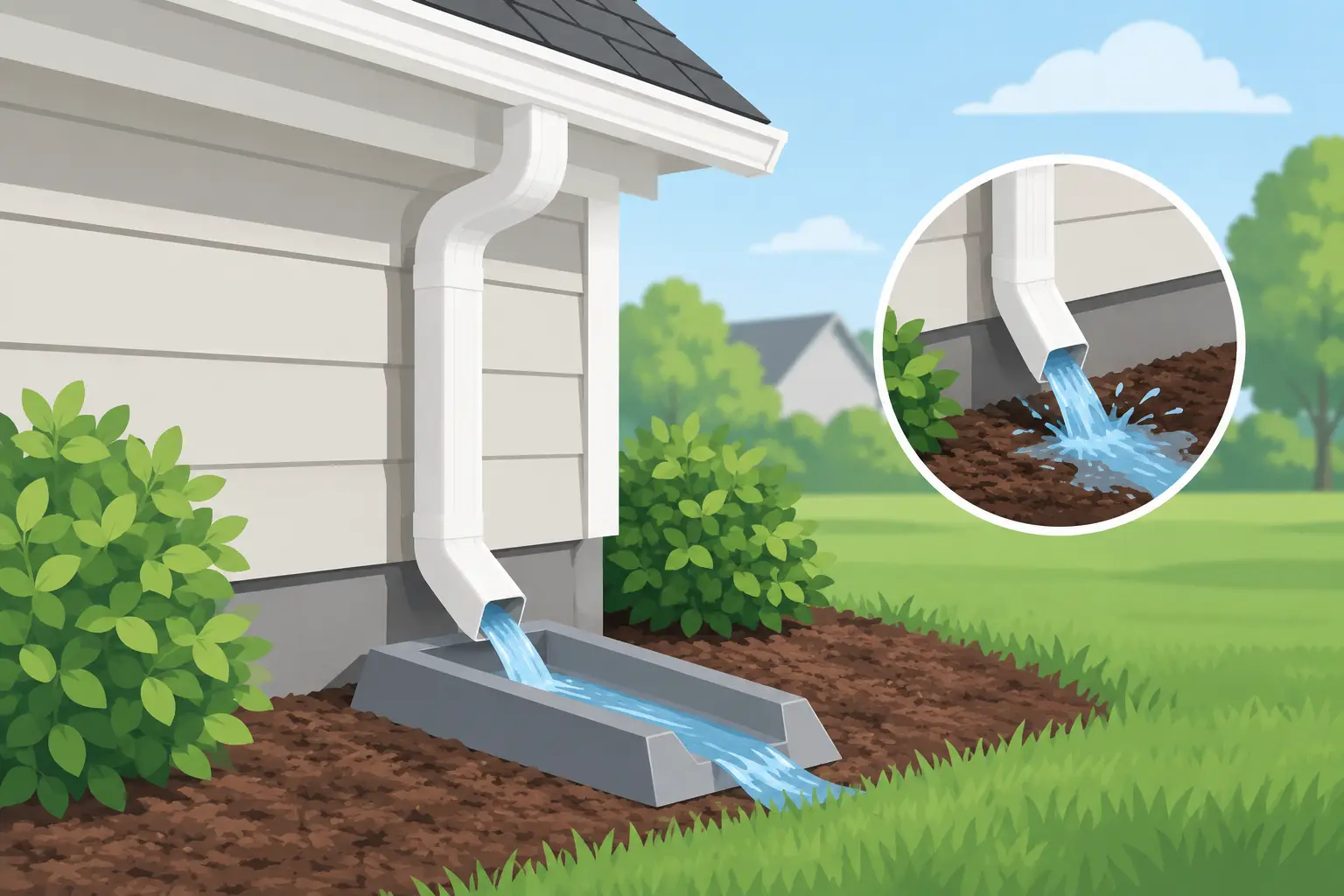
If your yard slopes toward the house, your downspouts dump too close to the foundation, or you already have standing water near the basement wall, new gutters may improve things without fully solving them. Honest contractors will tell you when the issue goes beyond the gutter itself.
7. What leaf protection options do you offer, and when is it worth adding one?
Leaf guards are not one-size-fits-all. Some homeowners truly benefit from them, especially if they have mature trees or hard-to-reach rooflines. Others may not need them yet, or they may need a higher-quality system to avoid clogging and maintenance headaches.
Ask what product the installer uses, how it performs in heavy rain, and whether it also strengthens the gutter system. Premium systems like Double Pro by Alurex are designed as both leaf protection and continuous hanger support, which can make sense if you want durability and less routine cleaning. A contractor should be able to explain the trade-off between upfront cost and long-term maintenance.
8. What warranties do you provide on materials and workmanship?
A warranty only helps if you understand what it covers. Ask how long the workmanship warranty lasts, what material warranty applies, and what kinds of problems are excluded.
You should also ask who handles warranty service. If something pulls loose or leaks at a connection, will the same company come back and address it? A clear answer usually reflects a company that stands behind its work.
Questions to ask gutter installers about the installation process
9. How long will the project take, and what should I expect on installation day?
Most homeowners are not looking for a big production. They want to know when the crew will arrive, whether someone needs to be home, how access works, and what the property will look like when the job is done.
A professional installer should explain the timeline in plain terms. Weather can affect scheduling, and larger or more complex homes can take longer. That is normal. What matters is getting a realistic expectation instead of a vague promise.
10. How do you protect landscaping, and do you clean up old materials?
Gutter replacement should not leave metal scraps, screws, and torn-out debris in your flower beds. Ask how the crew handles removal and cleanup, especially around bushes, decks, and air conditioning units.
You can also ask whether magnet cleanup is used for fasteners and whether all old gutter materials are hauled away. The answer says a lot about how carefully the company works around your home.
11. Are you licensed and insured, and can you provide proof?
This question may feel basic, but it matters. Insurance protects you if there is property damage or an on-site accident. A reputable company should not hesitate to show proof of coverage.
Licensing requirements vary by area, so the exact answer may depend on local rules. Still, any installer should be comfortable explaining their qualifications and business standing.
What good answers usually sound like
You do not need a contractor to give a speech. You do need clear, direct answers. Good installers explain their recommendations without pressure. They point out problem areas, tell you what is included in the price, and put the details in writing.
They also leave room for practical decisions. Maybe your current gutters can be repaired instead of replaced. Maybe leaf protection makes sense on the back of the home but not the whole house. Maybe a premium system costs more now but reduces cleaning and service calls over the next several years. Straight answers like that are a good sign.
A quick note on comparing estimates
When you get multiple quotes, compare scope before you compare price. One bid may include oversized downspouts, hidden hangers, debris removal, and a premium guard system. Another may only cover the bare minimum.
That is why the cheapest estimate is not always the best value. If a contractor offers free inspections, free estimates, detailed line-item pricing, and no hidden fees, that makes the decision easier because you can see what you are actually buying. For homeowners who want that kind of clarity, Seamless Gutter Solutions LLC takes that straightforward approach at https://sgsrichmond.com.
The best installer is not just the one who gives you a number. It is the one who helps you understand how your home handles water, what your options are, and what the finished job will really do for your property.