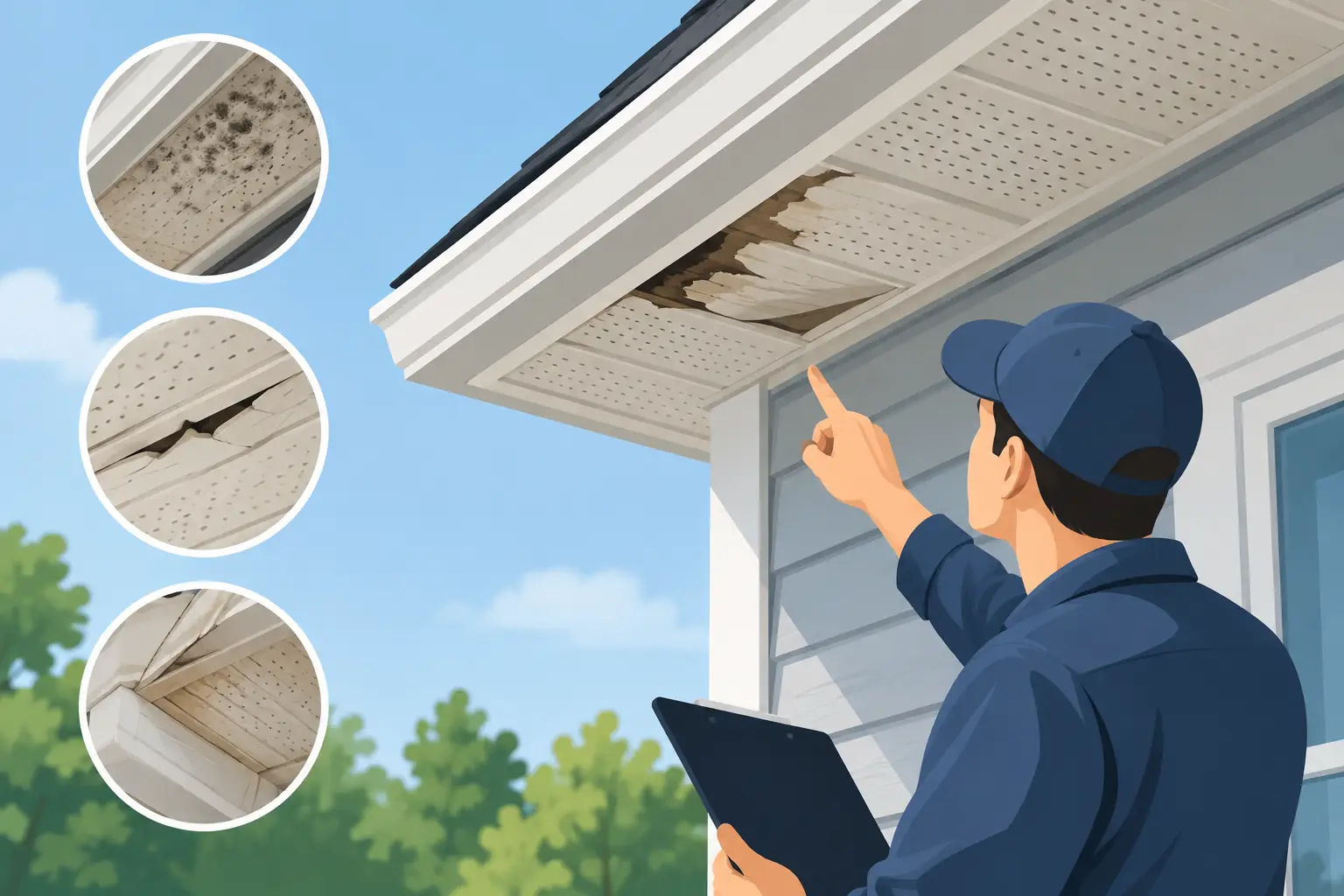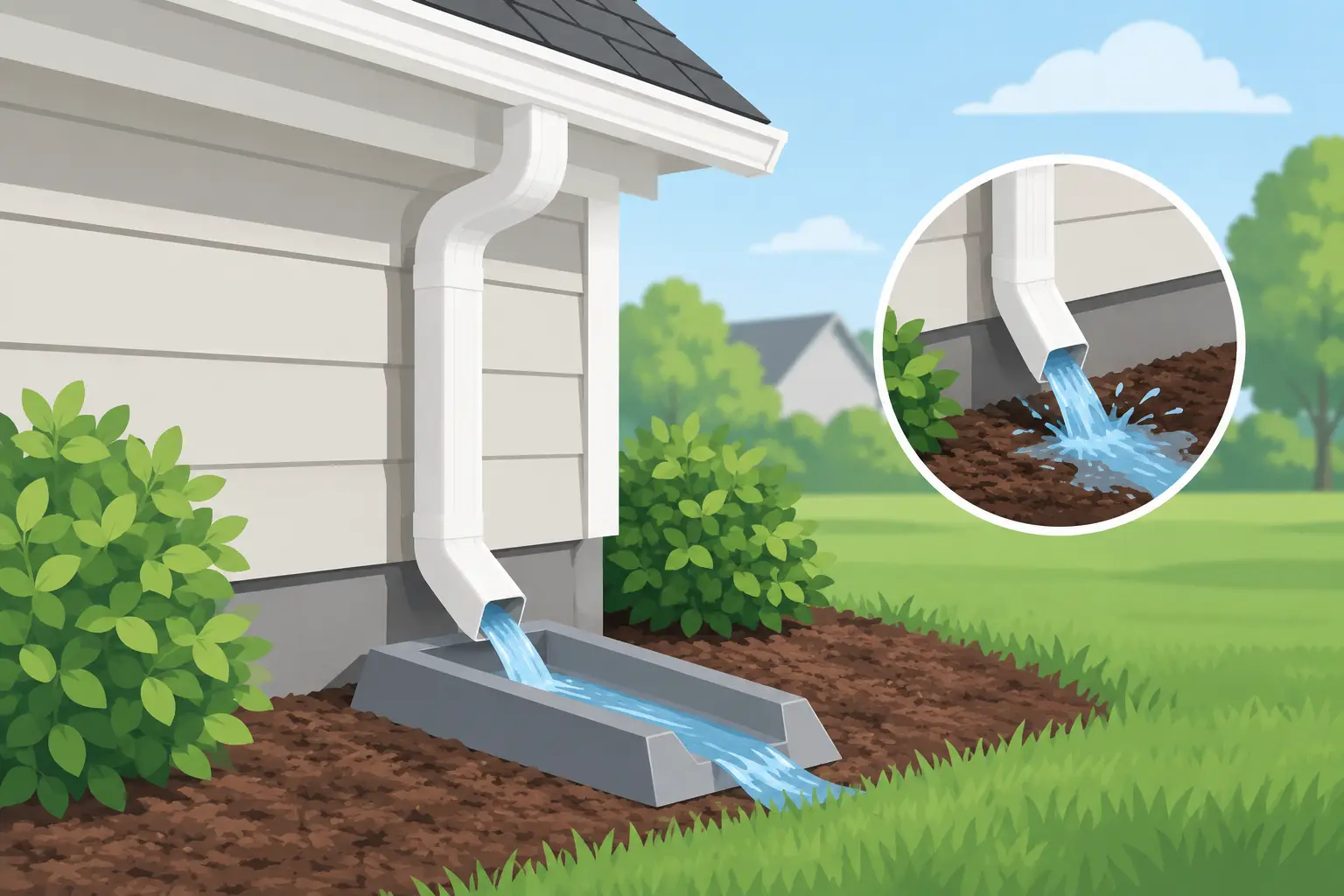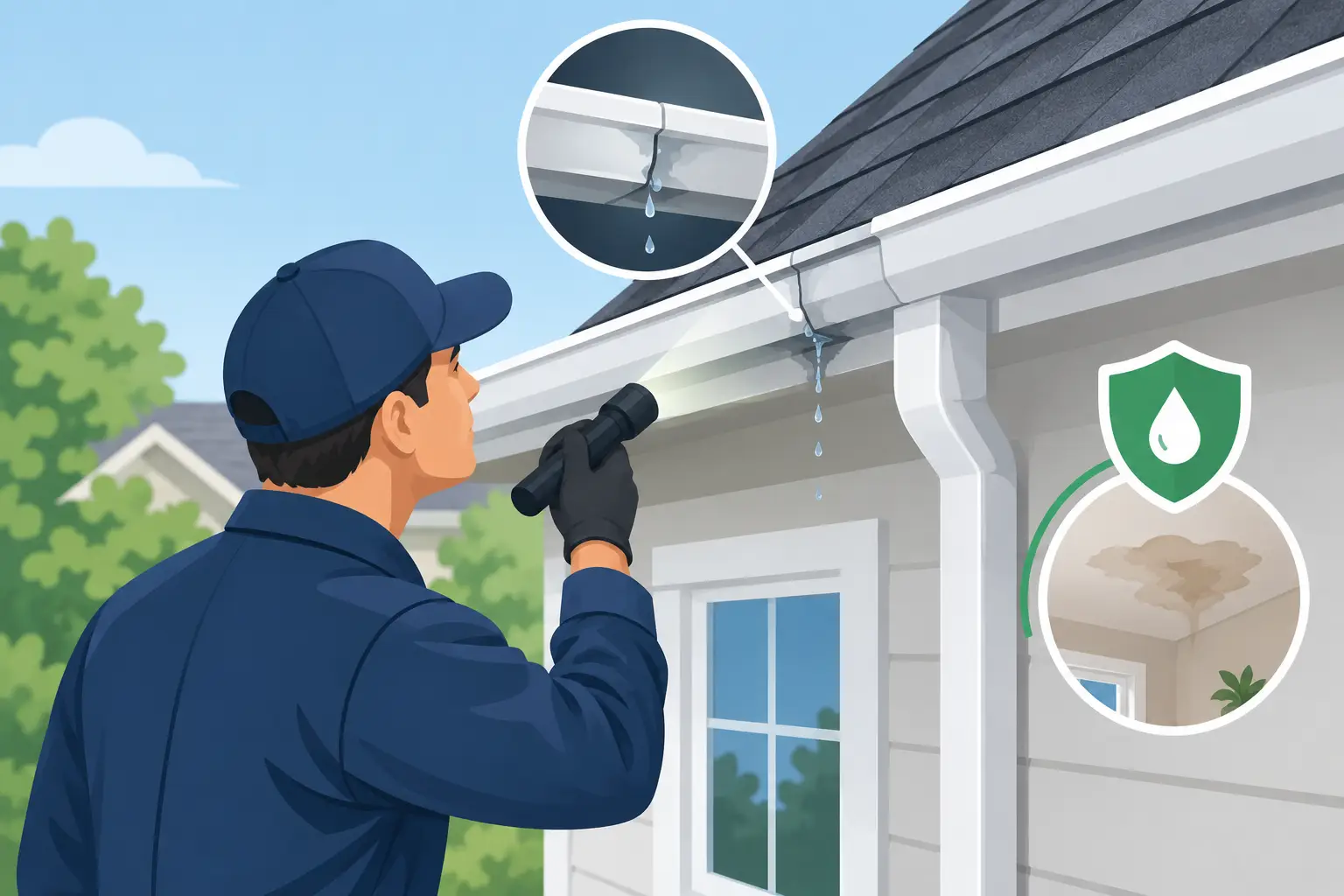


If you have ever watched water spill over the front of your gutters during a hard Midwest downpour, you already know the real issue is not “gutters.” It is where that water goes next – behind fascia, down siding, into landscaping beds, and straight toward the foundation.
Homeowners across Eastern Indiana and Western Ohio deal with the same mix: heavy spring rain, summer storms, and fall leaf drop that can turn a clean gutter into a clogged trough fast. The decision usually comes down to one question: gutter guards vs cleaning – which one actually protects the house with the least hassle and the fewest surprises?
What you are really buying: performance vs upkeep
Gutter cleaning is a maintenance routine. Gutter guards are a system upgrade meant to reduce how often that routine is needed. Both can be valid choices, but they solve different problems.
Cleaning is about restoring full flow after debris has already collected. Guards are about preventing most debris from entering in the first place so you are not relying on “we will get to it soon” when the weather does not wait.
If your gutters are the right size, correctly pitched, securely fastened, and draining to the right place, cleaning might be all you need. If any of those things are questionable, guards alone will not fix the underlying issue – and skipping cleaning entirely can still lead to trouble.
Gutter cleaning: what it does well (and where it falls short)
A proper cleaning clears leaves, seed pods, shingle grit, and sludge from the gutter trough and checks that downspouts are moving water. Done on schedule, it is the simplest way to keep an existing system functioning.
The downside is that cleaning is reactive by nature. Debris builds up between visits, and the timing is not always convenient. A single clogged downspout during one storm can cause the kind of overflow that stains siding, rots wood, or erodes soil around the home.
When cleaning alone usually makes sense
Cleaning tends to be enough when your home has light tree coverage, your roof lines are simple, and you can keep to a dependable schedule. Many homeowners also choose cleaning if they plan to move soon and do not want to invest in upgrades.
It can also be the right starting point if you are not sure what condition your gutters are in. A first cleaning is often when problems show themselves: loose hangers, sections holding water, seam leaks, or downspouts that are too small for the roof area.
The hidden cost: risk and inconsistency
The biggest cost is not always the service itself. It is the gap between cleanings. If you miss a season, or if fall drops a heavier-than-usual load, clogged gutters can back water under shingles at the edge, ice up in winter, or spill over near the foundation.
There is also a safety factor. Many homeowners start by cleaning themselves, then stop after one ladder slip or near-miss. Paying for professional cleaning is often the safer choice – but it still requires scheduling, access, and repeating the expense year after year.
Gutter guards: what they do well (and what they do not)
A good leaf protection system reduces the amount of debris that gets into the gutter, which usually means fewer cleanings and fewer emergencies. For homes with mature trees, this is not a luxury feature. It is a practical way to reduce the chance that one storm turns into an overflow problem.
But “gutter guards” is a broad category. Some products are essentially screens that can clog on top. Others are covers that rely on water adhesion and can struggle in certain roof or rainfall conditions. The design, installation quality, and how the system is supported along the fascia all matter.
Guards still need attention
This is the part that gets glossed over in a lot of sales pitches. Even premium guards are not a lifetime promise of zero maintenance. You may still need an occasional inspection, especially after heavy storms.
Depending on your trees, you might see debris collect on top of the guard, valleys dumping higher volumes, or fine material that works its way through over time. The difference is that maintenance becomes periodic and predictable, not a recurring “we have to clean because it is clogged again” cycle.
Installation quality is the make-or-break factor
A guard that is not securely fastened or properly integrated can create new problems: gaps that let debris in, edges that lift, or sections that bow under snow load. In our region, where freezing and thawing are normal, strength and support are not optional.
The strongest systems are designed to be part of the gutter structure, not just an add-on sitting on top. That is why continuous-hanger styles are popular for homeowners who want durability, not a temporary fix.
Gutter guards vs cleaning: the real comparison
Homeowners usually ask about price first, but cost is only one part of the decision. A better comparison is: how much risk you are carrying, how much time you want to spend dealing with gutters, and how forgiving your property is if something goes wrong.
Cost over time
Cleaning is typically a lower upfront expense. Guards cost more at the start, but can reduce the frequency of cleanings and the chance of overflow-related repairs.
If you plan to stay in your home for years, that shift often matters. If you are surrounded by trees and cleaning needs to happen multiple times per year to keep up, guards tend to look less like an upgrade and more like a long-term control on recurring maintenance.
Reliability during heavy rain
When gutters are clean, they can perform well. The problem is the day they are not.
Guards can help keep the system flowing through a whole season, not just right after a cleaning. That said, no guard will compensate for undersized gutters, poor pitch, or a downspout configuration that cannot handle volume.
Foundation and landscape protection
Overflow near the base of the home is where small gutter issues become expensive. If your landscaping slopes toward the house, if you have a finished basement, or if you notice pooling near the foundation, consistent drainage matters.
In those situations, guards can reduce the odds of a surprise clog – but it is still important to verify that downspouts discharge properly and that the gutter system is installed to move water where it belongs.
Your roof and tree situation
A ranch home with a simple roof line and minimal tree cover is a different world from a two-story home with multiple valleys under mature maples.
If your roof has valleys that funnel debris and water into the same area, guards need to be chosen and installed with that reality in mind. If your trees drop small seeds or “helicopters,” a cheap screen can become a mat that blocks flow on top. This is where product selection matters more than the idea of guards in general.
When it depends: the scenarios we see most
Some homes do best with cleaning only, some do best with guards plus occasional checkups, and some need repairs before either option makes sense.
If your gutters leak at seams, pull away from the fascia, or hold standing water, start with repair or replacement. Adding guards on top of a failing system is like putting a nice lid on a warped container – it may look better, but it will not stop the mess.
If you have had ice dams or icicles hanging from clogged sections, guards can help by keeping wet debris from trapping water, but ventilation and insulation in the attic also play a role. Gutters are one piece of a bigger winter picture.
If you have one trouble spot – usually under a valley or near a heavy tree line – a targeted solution might work, but mixed systems can create weak points if transitions are not handled carefully.
Choosing guards that match the goal
If your goal is “fewer ladder trips,” many guards will help. If your goal is “protect my home through storms and seasons,” focus on strength, water handling, and how the guard is supported.
A premium continuous-hanger guard is designed to reinforce the gutter while also blocking debris. That combination matters in areas that see wind, snow, and temperature swings. It is also why professional installation is worth considering – the guard is only as dependable as the fastening, alignment, and integration with the gutter edge.
Seamless Gutter Solutions LLC installs Double Pro by Alurex for homeowners who want a durable, performance-focused leaf protection system, and backs recommendations with a free inspection, a free estimate, and detailed line-item quotes with no hidden fees. If you want that kind of straightforward evaluation, you can start at https://sgsrichmond.com.
A simple way to decide without overthinking it
If you are stuck, use this practical test: ask what happens if you miss one cleaning.
If the honest answer is “probably nothing,” then routine cleaning may be a perfectly smart plan. If the answer is “we will have water pouring over the front and I will worry about the basement,” then you are not really comparing convenience. You are comparing risk.
Most homeowners do not regret investing in fewer points of failure. They do regret waiting until the overflow shows up as stained siding, washed-out mulch, or water where it should never be.
A helpful next step is not committing to guards sight unseen or guessing a cleaning schedule. It is getting eyes on the system: gutter size, pitch, hangers, downspouts, and where water discharges. Once you know what you have, the right choice between guards, cleaning, or a combination becomes a lot clearer.
You do not need to obsess over gutters. You just need a plan that keeps water moving away from your home, season after season – even when life gets busy and the weather does not cooperate.