

A clogged gutter usually does not look like an emergency until the water starts spilling over the edge, washing out mulch, staining siding, and pooling near the foundation. That is why a homeowner guide to gutter guards matters – not as a sales pitch, but as a practical way to understand what these systems actually do, what they do not do, and whether they make sense for your home.
For many homeowners in Eastern Indiana and Western Ohio, gutter guards are less about convenience and more about prevention. Trees drop leaves, seed pods, and small debris at different times of year, and heavy rain can expose weaknesses fast. A good guard system can reduce cleaning frequency and help gutters move water more reliably, but only if the product fits the home, the roofline, and the volume of debris around it.
What gutter guards are supposed to do
Gutter guards are covers, screens, or fitted protection systems installed over or into the gutter opening. Their job is simple: let water in while keeping larger debris out. In real life, the performance depends on more than that. Roof pitch, gutter size, nearby trees, rain intensity, and installation quality all affect results.
The main benefit is reduced maintenance. That does not always mean zero maintenance. Even premium systems can still collect fine debris on top or need occasional inspection after storms. Homeowners who expect to never think about their gutters again are usually disappointed. Homeowners who want fewer clogs, safer upkeep, and better overall drainage are usually much happier with the investment.
A homeowner guide to gutter guards starts with the right expectations
The biggest mistake is choosing a guard based on a broad promise like “never clean your gutters again.” The better question is whether the system will lower your maintenance and help protect your roofline, fascia, landscaping, and foundation.
That distinction matters. Some homes have a few small trees and relatively light debris. Others sit under mature maples, pines, or locust trees that can test almost any guard design. In those heavier-debris situations, a stronger and more durable system often makes more sense than a basic screen from a big-box store.
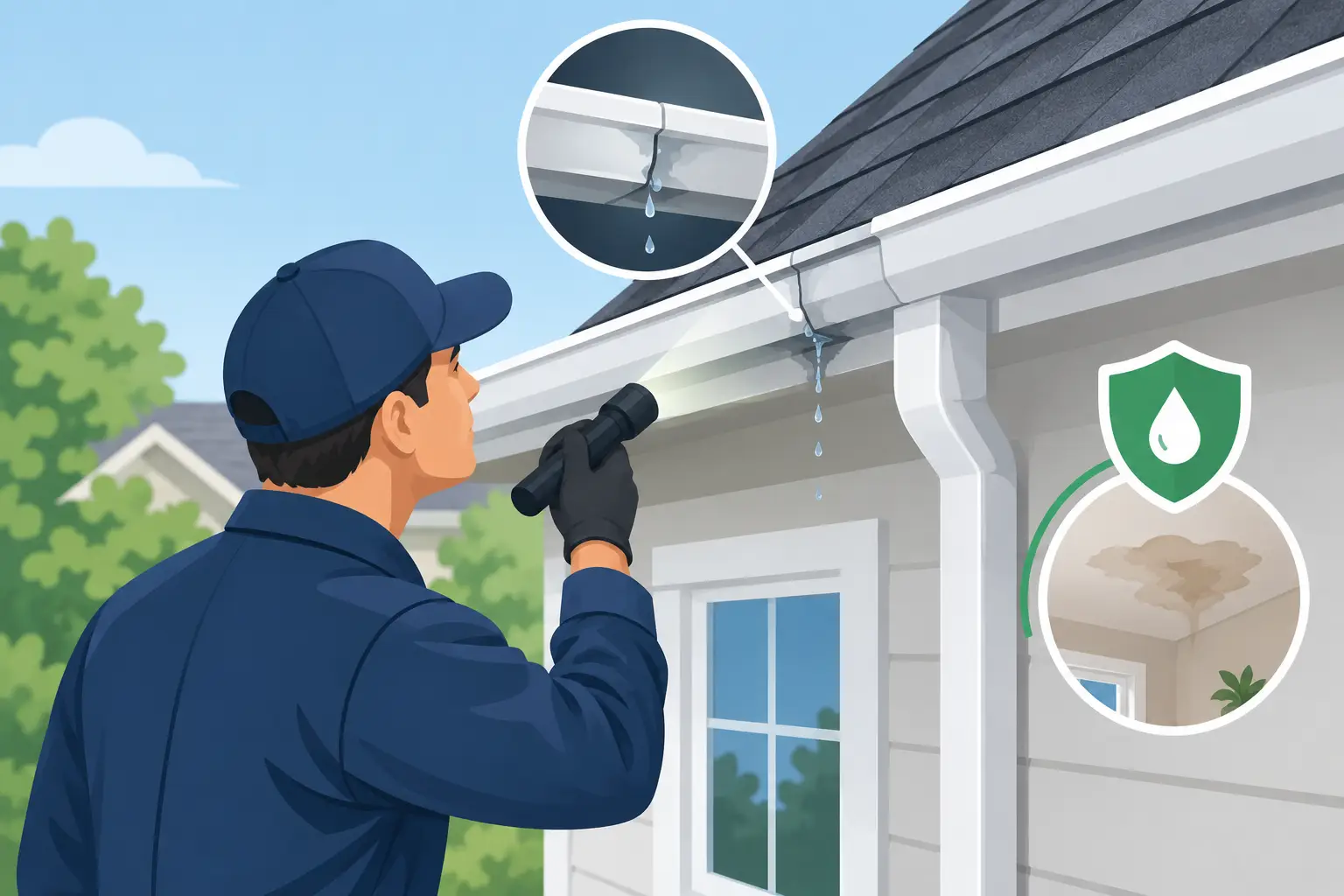
It also matters whether your current gutters are in good shape. If gutters are pulling away, pitched incorrectly, leaking at seams, or too small for the roof area, adding guards alone will not fix the underlying problem. A guard works best as part of a complete water-management system, not as a patch over failing hardware.
The main types of gutter guards
There is no single best option for every house. There is a best fit for your house.
Screen guards are one of the most common entry-level options. They are designed with openings that block larger debris while letting water pass through. They are affordable and familiar, but lower-end versions can shift, clog on top, or allow smaller debris through. They may work fine in lighter conditions, but they are often not the longest-lasting choice.
Mesh guards use finer filtering and can do a better job keeping out smaller debris. Their performance can be strong, especially when made from quality materials, but fine mesh can still collect buildup on the surface over time. That means occasional brushing or rinsing may still be needed.
Reverse-curve or surface-tension guards are designed so water wraps into the gutter while leaves slide off. These systems can work well in some setups, but they are also more sensitive to installation details and roof conditions. On certain homes, they can overshoot in heavy rain if not matched and installed properly.
Foam inserts and brush-style inserts are usually budget-minded solutions placed inside the gutter. They can be quick to install, but they tend to collect debris within the system itself and usually need replacement sooner. For homeowners looking for long-term performance, these are often more of a temporary fix.
Continuous-hanger guard systems combine leaf protection with structural support. That matters more than many homeowners realize. A product like Double Pro by Alurex does more than block debris – it also helps support the front of the gutter, which can improve durability over time. For homes in areas with seasonal debris and changing weather, that combination of protection and strength can be a better long-term value than a lighter add-on product.
Why installation matters as much as the product
A quality guard installed poorly can still fail. Water may run behind the gutter, drip at the edge, or overshoot during heavy storms if the system is not fitted correctly to the roof and gutter profile.
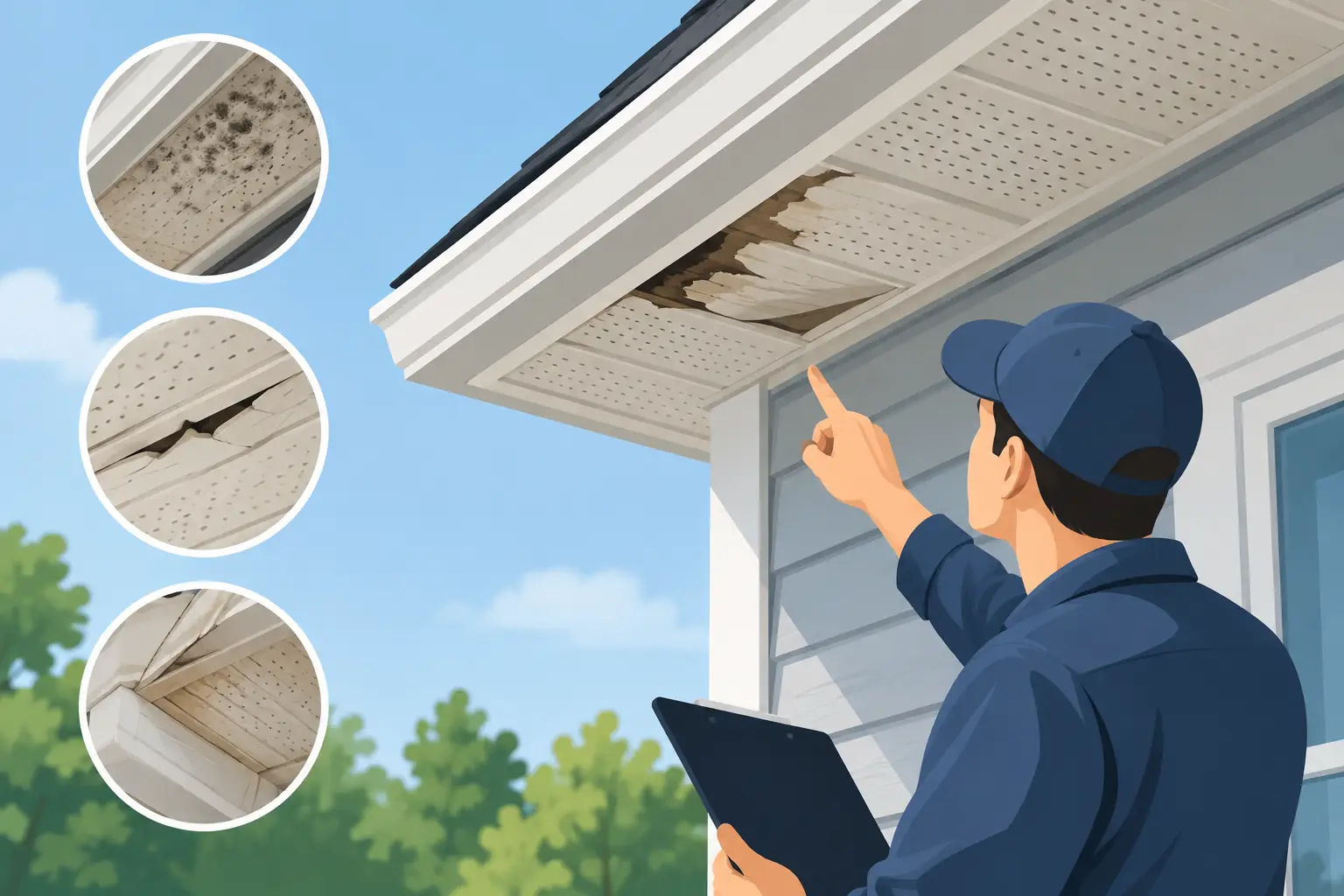
That is why a professional inspection matters before any recommendation is made. The installer should look at slope, gutter condition, fascia health, downspout capacity, roof edge details, and the kinds of trees around the home. If someone gives you a guard quote without checking those basics, that is a red flag.
It is also worth asking whether the quote includes any needed gutter repairs. A transparent, itemized estimate protects the homeowner because it separates the guard cost from other work that may be required. That makes it easier to compare options and avoid surprise charges later.
Cost, value, and the trade-offs homeowners should know
Gutter guards cost more upfront than routine cleaning, so the value question is fair. The answer depends on how often your gutters clog, how difficult your roofline is to access, and how much risk buildup creates around your home.
If you clean your gutters once every few years and have very little tree debris, guards may not be urgent. If your gutters clog several times a year, overflow near the foundation, or require tall-ladder access, the value becomes easier to see. Reduced maintenance, fewer service calls, and better drainage can offset the higher initial cost over time.
The trade-off is that premium systems usually cost more than basic guards. In return, they often offer better durability, stronger fastening, and more dependable performance in heavy conditions. That does not mean every homeowner needs the highest-end option. It means the cheapest option is not always the most affordable once repairs, repeat cleaning, or replacement are factored in.
Signs your home is a good candidate for gutter guards
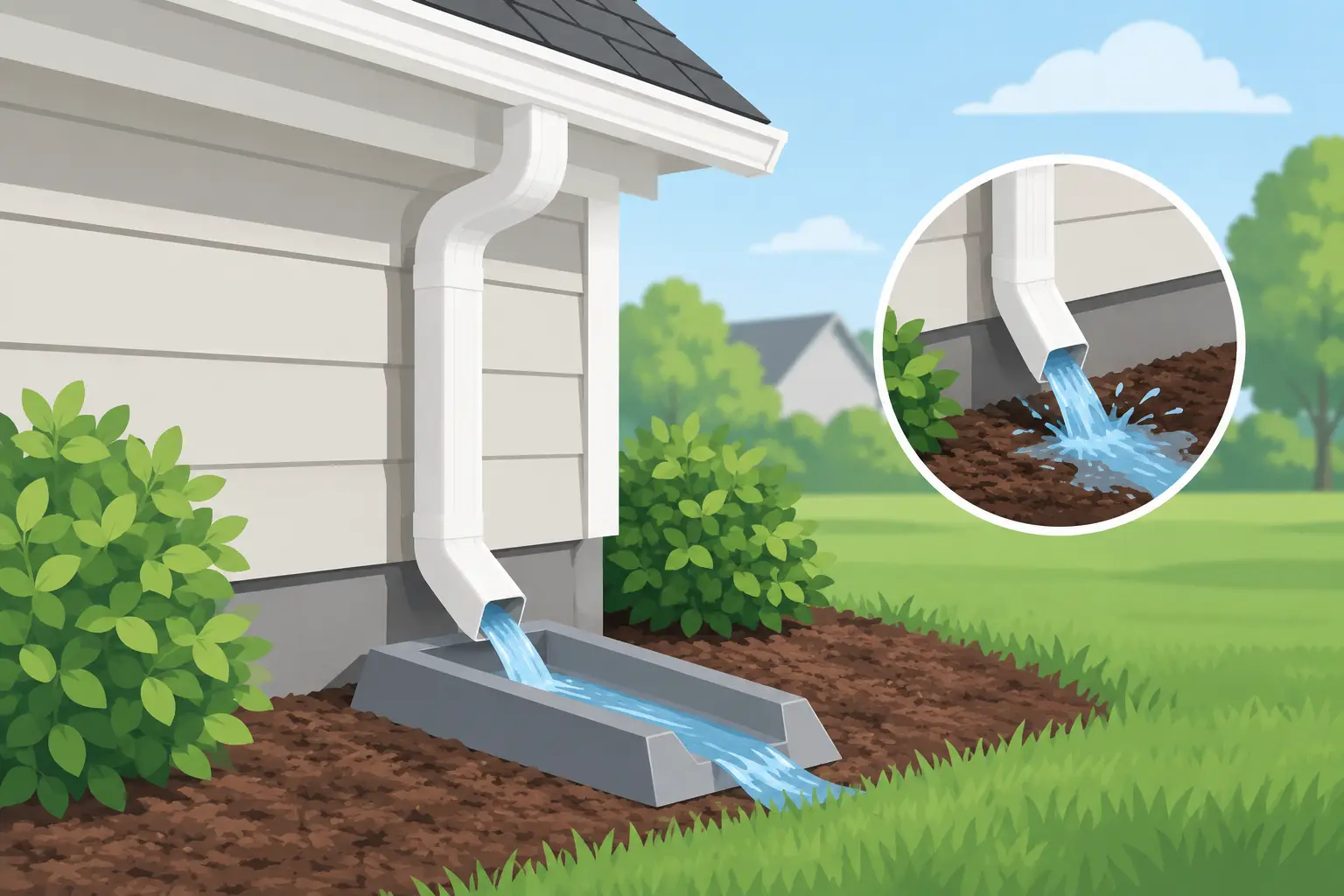
Homes with overhanging trees are obvious candidates, but they are not the only ones. If you notice water spilling over during rain, dark streaks on siding, eroded mulch beds, basement moisture near exterior walls, or repeated clogging at downspouts, your gutter system may need more than occasional cleaning.
You may also be a good candidate if you want to reduce how often someone has to get on a ladder. That is especially true for two-story homes, steep rooflines, or homeowners who simply do not want maintenance to become a safety issue.
Older sectional gutters can complicate the decision. If the gutters have multiple seams, leaks, or sagging sections, it may be smarter to address the gutter system first and then add protection. Guard performance improves when installed on a solid, properly pitched gutter.
Questions to ask before you buy
A useful homeowner guide to gutter guards should help you ask better questions, not just pick a product name. Start with the basics. Is the current gutter system sound enough for guards? How does the proposed product handle the specific debris around your home? Will the installer repair pitch or fastening issues first if needed?
Then ask about the quote. Is it free? Is it itemized? Are there any added charges for corners, downspouts, repairs, or removal of old material? Clear answers matter because vague pricing often turns a simple project into a frustrating one.
Finally, ask what kind of maintenance is still expected. Honest contractors do not promise a maintenance-free life. They explain what the system reduces, what it prevents, and what occasional upkeep may still be needed.
Choosing a contractor you can trust
This is where many homeowners get stuck. The product matters, but the company standing behind the recommendation matters just as much. Look for a contractor that treats the inspection like a real evaluation, not a rushed sales visit.
The best experience is usually straightforward: a free inspection or estimate, a clear explanation of what your home needs, and a detailed quote with no hidden fees. That approach gives you room to make a decision based on facts instead of pressure. For homeowners around Richmond and nearby communities, that kind of process matters because water damage repairs cost far more than getting the drainage system right the first time.
At Seamless Gutter Solutions LLC, that homeowner-first approach is part of the point. If a guard system makes sense, it should be recommended clearly. If your home needs repairs or a gutter upgrade first, that should be said clearly too.
A good gutter guard does not just keep leaves out. It helps your whole drainage system do its job when the weather turns rough, and that peace of mind is usually worth more than the product itself.