

A gutter can look clean from the ground and still be one hard rain away from overflowing. Leaves, maple seeds, roof grit, and small twigs collect where you cannot see them, stopping water from reaching the downspouts. Leaf guards are designed to prevent that buildup, but the right result depends on the guard, the gutter system beneath it, and the way it is installed.
For homeowners across Eastern Indiana and Western Ohio, that matters. Spring storms, summer downpours, falling leaves, and winter freeze-thaw cycles all put pressure on a home’s drainage system. A quality leaf protection system can reduce routine cleaning and help water move where it belongs: away from the roofline, siding, foundation, and landscaping.
What Leaf Guards Actually Do
Leaf guards cover or filter the open top of a gutter. Their job is to let rainwater enter the gutter while keeping larger debris out. Instead of leaves filling the channel and creating a dam, most debris stays on top of the guard and is carried away by wind or dries out for easier removal.
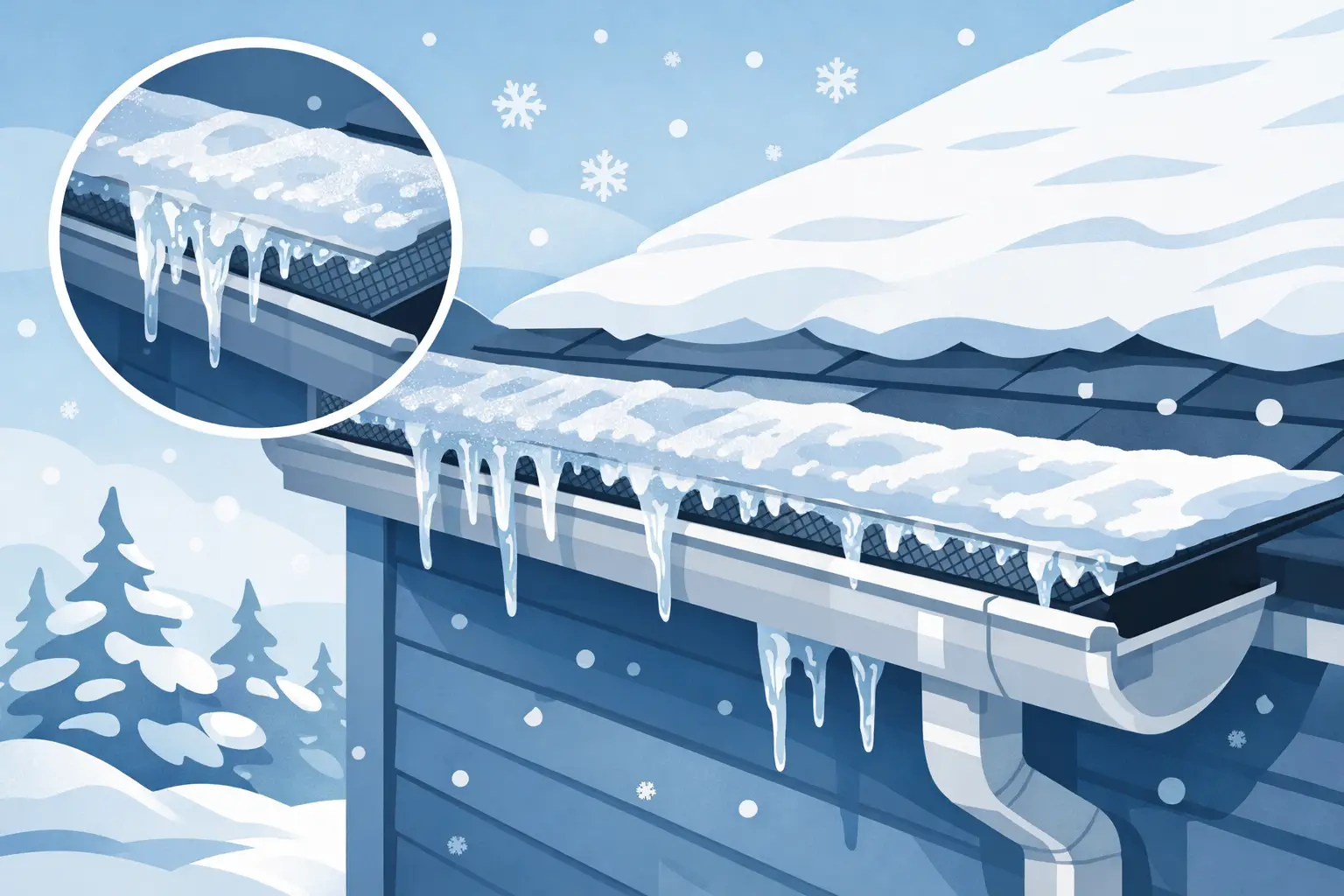
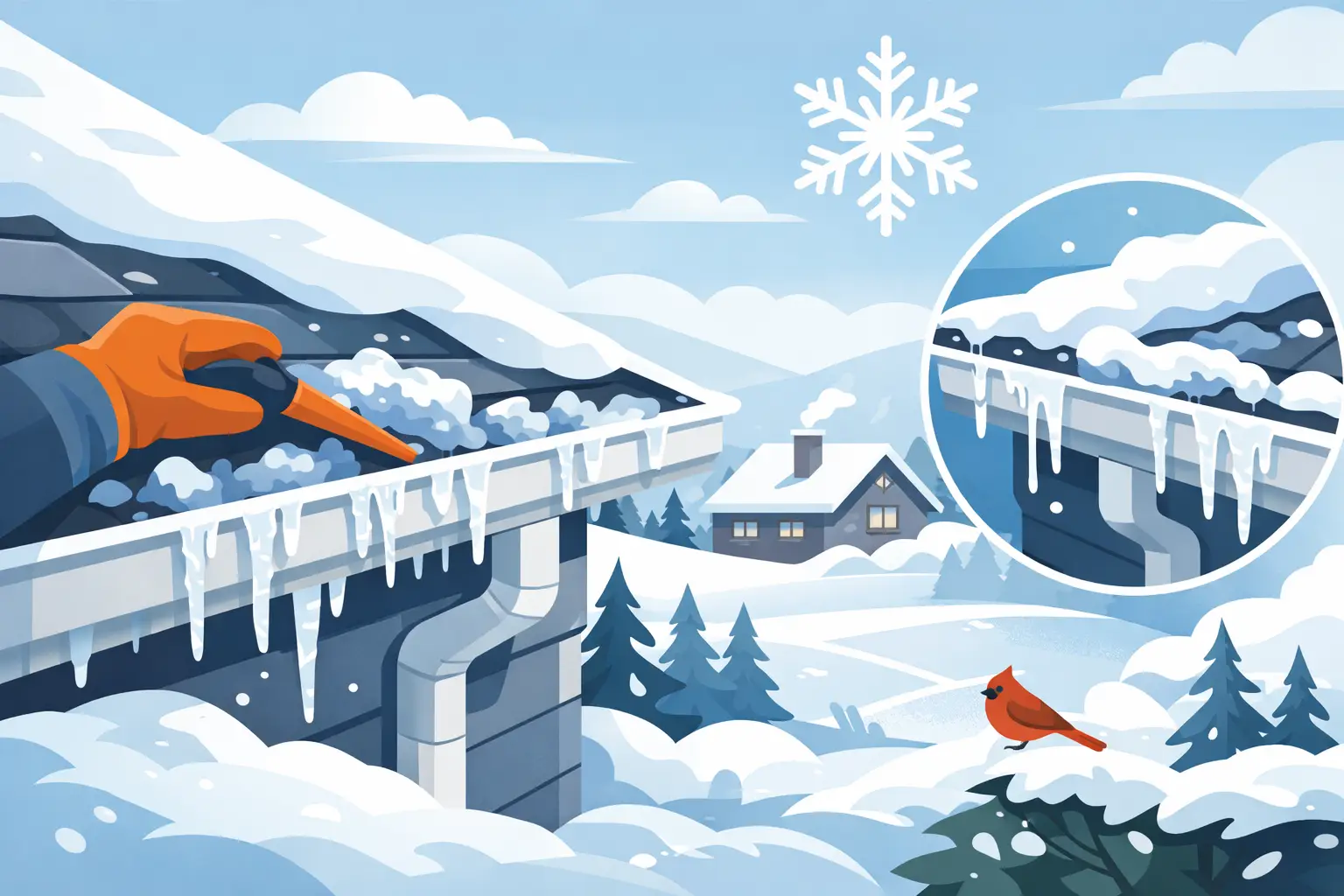
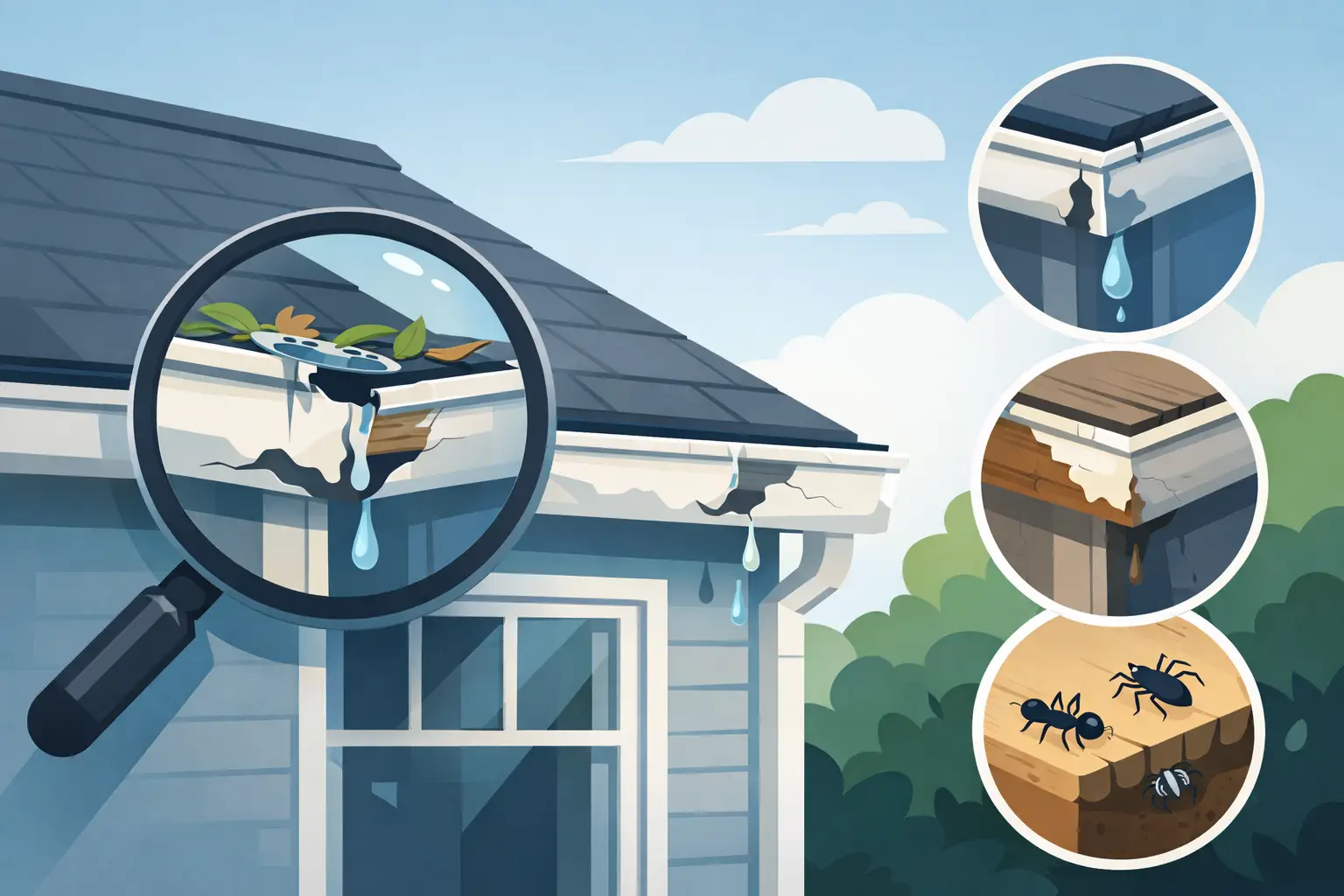
The benefit is not simply having a tidier gutter. When gutters clog, water can spill over the front edge, run behind the gutter, soak fascia boards, stain siding, wash out mulch, and pool near the foundation. In cold weather, trapped water can also contribute to ice buildup and added weight along the roof edge.
A leaf protection system helps limit those risks by keeping the drainage path open. It does not make a home maintenance-free, and no reputable installer should suggest otherwise. Pollen, shingle grit, seed pods, and fine debris can still collect over time. The goal is to greatly reduce clogging and make necessary maintenance simpler and less frequent.
Not All Leaf Guards Work the Same Way
The term “leaf guard” covers several designs, and the differences affect performance. Basic screens sit across the gutter opening and block larger leaves. They are often inexpensive, but larger debris can pile up on top and finer material can get through the openings.
Reverse-curve guards use the flow of water around a curved edge to guide rain into the gutter while debris falls away. These systems can work well in certain conditions, though heavy rain, roof pitch, and installation details matter. If water moves too fast over the roof edge, some can overshoot the gutter.
Micro-mesh guards use a fine screen to block small debris, including many seeds and roof granules. They can provide strong filtration, but their surface needs to stay clear enough for water to enter freely. In areas with heavy pollen or fine debris, occasional cleaning is still part of responsible ownership.
A continuous-hanger system combines leaf protection with added gutter support. Double Pro by Alurex is one example. It is installed continuously along the gutter and acts as a hanger while helping keep debris out. This design can be a practical choice for homeowners who want both leaf protection and reinforcement rather than a lightweight add-on attached to an existing gutter.
The best option is not always the most heavily advertised one. It should fit the roof, gutter size, nearby trees, rainfall patterns, and condition of the existing system.
A Guard Cannot Fix a Failing Gutter
Leaf protection performs best when the gutter system is properly sized, securely fastened, and pitched toward working downspouts. Adding guards to gutters that sag, leak, pull away from the fascia, or drain poorly can hide the real problem for a while, but it will not solve it.
This is why an inspection should come before a recommendation. A contractor should check the gutter slope, seams, fasteners, downspout placement, roof runoff, and signs of water damage. If repairs or replacement are needed, addressing them first protects the value of the guard installation.
For many homes, seamless gutters are a better foundation for leaf protection because they have fewer joints along the gutter run. Fewer seams can mean fewer common leak points, while a correctly planned downspout layout helps move water away efficiently.
When Leaf Guards Are Worth the Investment
Leaf guards are often a smart investment for homes surrounded by mature trees, especially oaks, maples, pines, and trees that drop seed pods. They are also useful when gutters are difficult or unsafe to access. A steep roof, two-story elevation, uneven ground, or landscaping below the eaves can make frequent ladder work a real risk.
They can also make sense for homeowners who have already dealt with the cost of clogged gutters. One overflow event can damage flower beds or leave a dirty streak down siding. Repeated overflow near the foundation may lead to a much larger drainage concern. While guards cannot replace proper grading or solve every water issue, they help keep one major part of the drainage system functioning as intended.
The value depends on expectations. If your goal is never to look at the gutters again, you may be disappointed. If your goal is to reduce leaf buildup, limit clogs, and spend less time cleaning dangerous roof-edge areas, a well-installed system can provide real peace of mind.
Questions to Ask Before You Choose a System
A good leaf guard decision starts with clear answers, not a vague promise. Ask whether the installer will inspect the existing gutters before quoting the work. Find out how the guard attaches, whether it adds support to the gutter, and how it handles heavy rainfall from your specific roof.
You should also ask what maintenance is still recommended. An honest answer will usually include periodic checks of the guard surface, downspout outlets, and valleys above the gutters. If trees hang directly over the roof, branches may still need trimming to reduce the amount of debris falling onto the system.
Pricing should be straightforward as well. The estimate should explain whether gutter repairs, cleaning, guard installation, downspout work, or replacement sections are included. A low initial number can become frustrating when necessary work appears later as an unexpected charge. Detailed, itemized quotes make it easier to compare options and understand what you are paying for.
Installation Details Matter More Than Most Homeowners Realize
Even a premium guard can underperform when installed carelessly. The guard needs to fit the gutter correctly and follow the roofline without creating gaps that invite debris inside. The gutter must remain properly sloped, securely attached, and sized for the amount of water coming off the roof.
Downspouts deserve attention too. A guard keeps debris out of the gutter channel, but water still needs a clear route down and away from the house. Downspouts that are undersized, disconnected, or empty too close to the foundation can undermine an otherwise good system.
At Seamless Gutter Solutions LLC, the right approach begins with a free inspection and estimate, then a clear, detailed quote with no hidden fees. That process gives homeowners room to choose based on the condition of their home, not pressure or guesswork.
Caring for Gutters After Guard Installation
Leaf guards reduce maintenance, but a quick seasonal check is still wise. Look for piles of leaves sitting on top of the guards, especially after fall storms. Check that downspouts discharge freely and that water is not spilling over during a hard rain. From the ground, watch for sagging sections, drips at corners, or water marks on siding.
If you see a problem, address it before the next season compounds it. Small adjustments and cleaning are usually simpler than repairing rotted fascia, damaged landscaping, or a section of gutter that has pulled loose under excess weight.
A dependable leaf protection system is not about selling a shortcut. It is about giving rainwater a clear path away from the parts of your home that should stay dry. Start with an honest inspection, choose a system built for your roof and surroundings, and let every storm test your drainage system instead of your patience.