

If you have standing water in a gutter after a normal rain, the problem is usually not the downspout – it is the slope. This guide to gutter pitch standards is meant to help homeowners understand what proper drainage should look like, what can go wrong, and when a simple adjustment turns into a repair or replacement job.
What gutter pitch actually means
Gutter pitch is the slight angle built into a gutter run so water flows toward the downspout instead of sitting in the trough. From the ground, a properly pitched gutter should look almost level. The slope is subtle on purpose. If it is too flat, water lingers and leaves debris behind. If it is too steep, it can look uneven and may not collect runoff as cleanly along the full roof edge.
Most homes do not need a dramatic drop from one end of the gutter to the other. In fact, the correct pitch is usually small enough that homeowners miss it completely until there is a drainage problem. That is why pitch issues often get blamed on clogs, roof runoff, or overflowing corners when the real issue is the gutter line itself.
Guide to gutter pitch standards: the general rule
A common standard is about 1/4 inch of slope for every 10 feet of gutter. Some installers may work within a slightly tighter or looser range depending on the gutter profile, run length, number of downspouts, and roof area feeding that section. The key is consistent fall toward drainage points.
For example, if one section of gutter is 20 feet long and drains to a downspout at one end, that run may need around 1/2 inch of total drop. If the run is longer, the pitch may need to be split toward a center downspout or designed with multiple downspouts so the gutter does not have to drop too much in one direction.
That is where standards meet real-world installation. The math matters, but so do fascia condition, roofline variations, shingle overhang, and how much water that section of roof handles during a hard storm.
Why the standard is not always one-size-fits-all
On a smaller porch roof, a mild pitch may be enough. On a long front gutter carrying water from a steep main roof, installers may need to be more careful about downspout placement and hanger spacing to keep water moving. Homes with heavy tree coverage also need extra attention because even a correctly pitched gutter can struggle if wet leaves collect and slow the flow.
This is why a quick visual guess from the yard is not a reliable way to judge gutter slope. A gutter can look straight and still be wrong. It can also look slightly off to the eye and still perform exactly as it should.
Signs your gutter pitch may be wrong
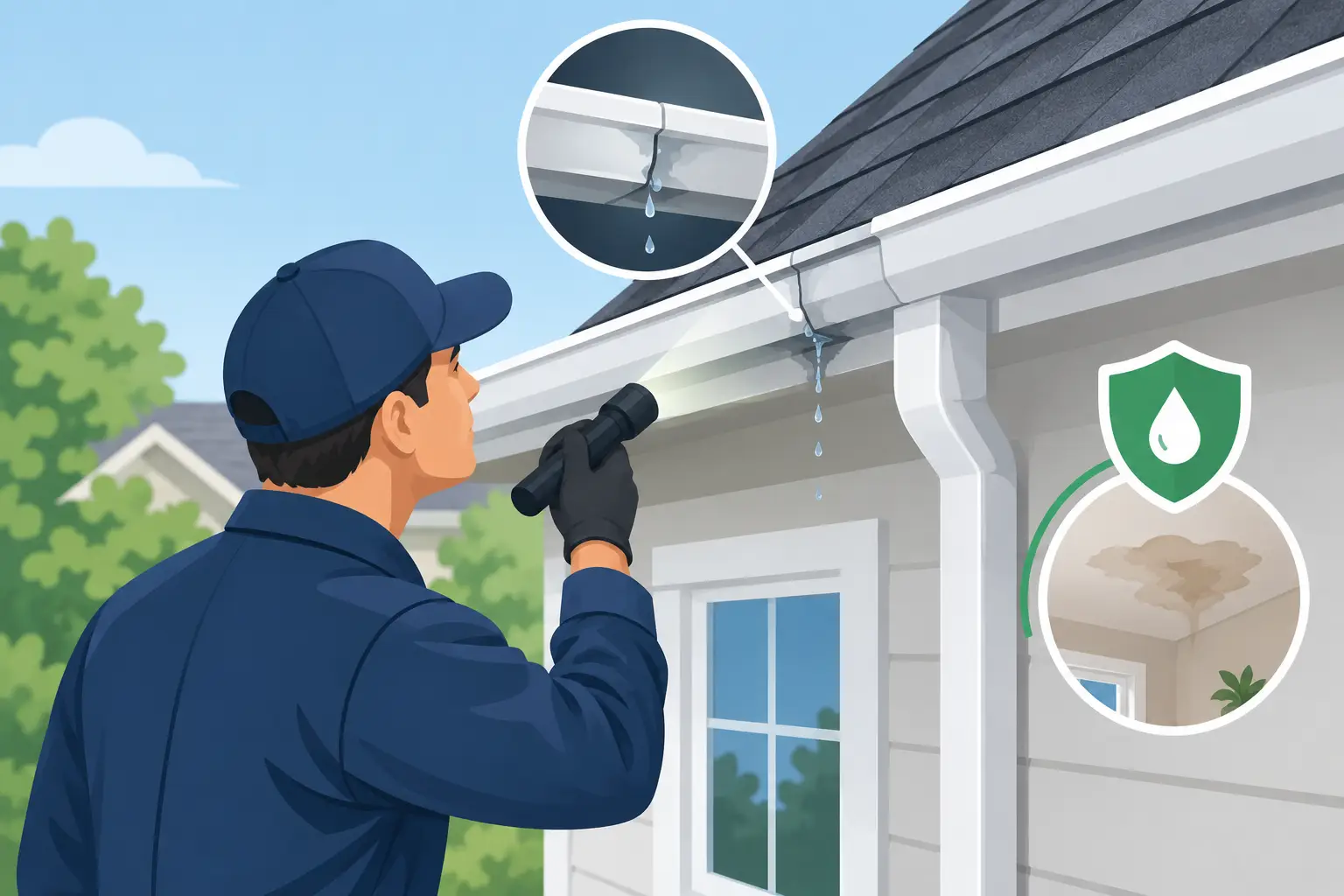
The clearest sign is standing water that remains long after rain stops. A little residual moisture is normal, but puddles or strips of trapped water are not. Over time, that standing water adds weight, attracts debris, and increases wear on seams, fasteners, and fascia boards.
You may also notice water spilling over the front edge in one area while other sections seem fine. That does not always mean the gutter is undersized. Sometimes the low point is in the wrong place, so water never reaches the downspout efficiently.
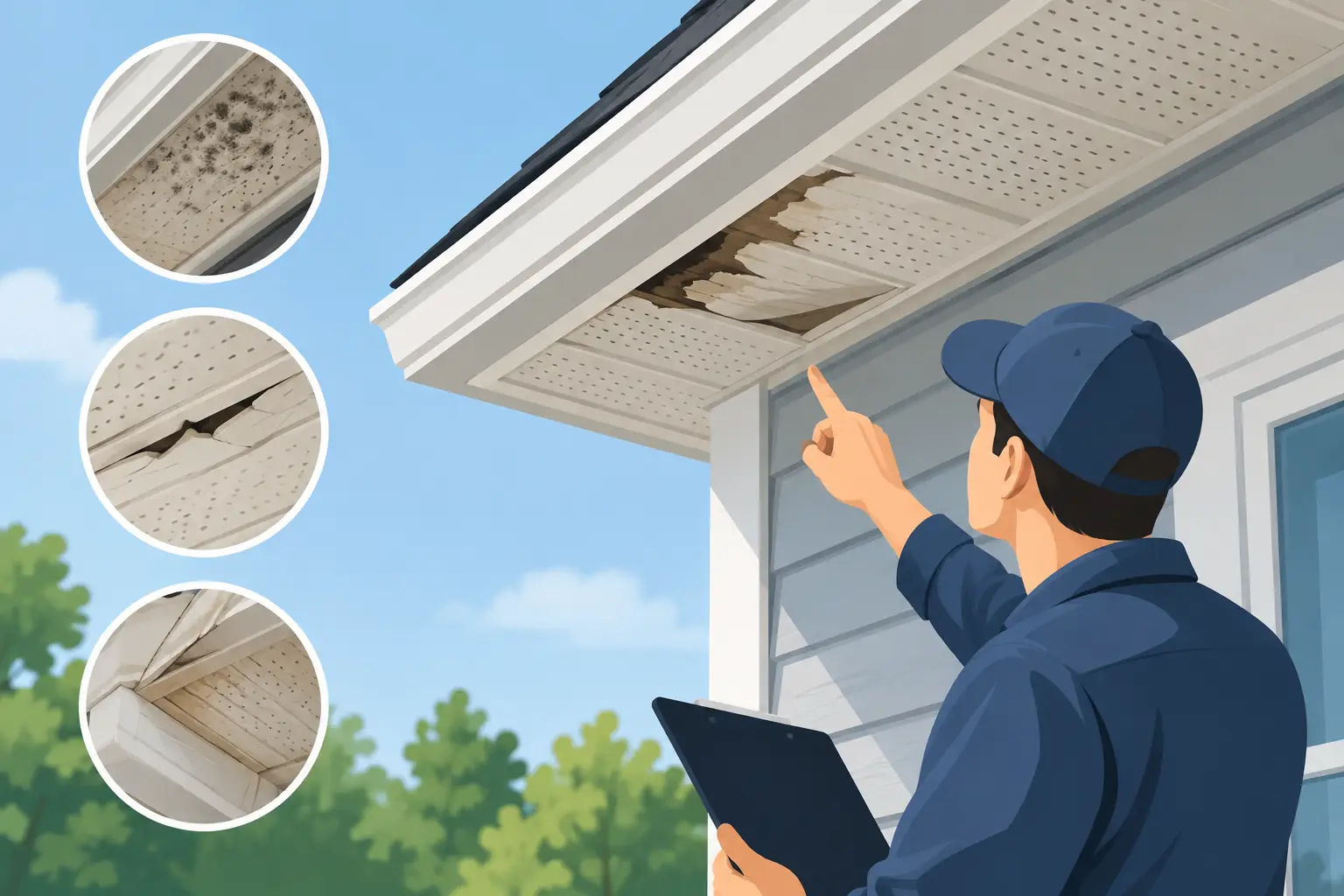
Other common clues include peeling paint near the gutter line, rust spots, sagging sections, water marks on siding, soil washout below one stretch of roof, or ice buildup in winter. In Eastern Indiana and Western Ohio, freeze-thaw cycles can turn a small pitch problem into a bigger structural issue faster than many homeowners expect.
Problems that look like pitch issues but are not
Not every overflow problem comes from improper slope. A clogged downspout can create the same symptoms. So can loose hangers, dented gutter sections, poor outlet placement, or undersized gutters on a roof with heavy runoff.
That is why inspection matters. A contractor should look at the full drainage path, not just one trouble spot. If the recommendation jumps straight to replacement without explaining the cause, ask more questions.
How professionals measure gutter pitch standards
Installers usually measure pitch by checking the high point, the low point, and the total run length. They may use a level, chalk line, tape measure, or laser tools to make sure the gutter falls consistently toward the outlet. On existing systems, they also check whether the fascia is straight and whether the gutter has pulled away over time.
That last part matters because gutters do not always fail at installation. A system can start with proper slope and then lose it. Fasteners loosen, fascia softens from moisture, or heavy debris weighs sections down. A homeowner may think the pitch was wrong from day one when the actual problem is age, movement, or lack of maintenance.
When a gutter can be re-pitched
If the gutter material is still in good condition and the main issue is alignment, re-pitching may solve the problem. This usually involves removing or adjusting fasteners, resetting the angle, and securing the run so the fall is even and stable. On sectional gutters, installers also need to watch for seam stress after repositioning.
A re-pitch is often worth considering when the gutter is relatively new, the metal is sound, and the fascia behind it is still solid. If the system already has multiple leaks, corrosion, separated joints, or recurring sagging, re-pitching alone may only delay a larger repair.
When replacement makes more sense
If a gutter has poor slope, visible wear, weak attachment points, and repeated overflow issues, replacing it can be the more practical choice. This is especially true for older sectional systems with several seams. Once water has been sitting in those low spots for years, the damage tends to spread.
Seamless gutters are often a better long-term answer because they reduce leak points and can be custom-pitched during installation for the home’s exact layout. If leaf buildup has also been part of the problem, adding a premium guard system can help preserve flow and cut down on maintenance.
Why proper pitch protects more than the gutter
Homeowners sometimes think of gutters as a minor exterior detail until drainage starts affecting other parts of the property. The slope of a gutter influences where roof runoff goes, how quickly it gets there, and whether it stays away from the house.
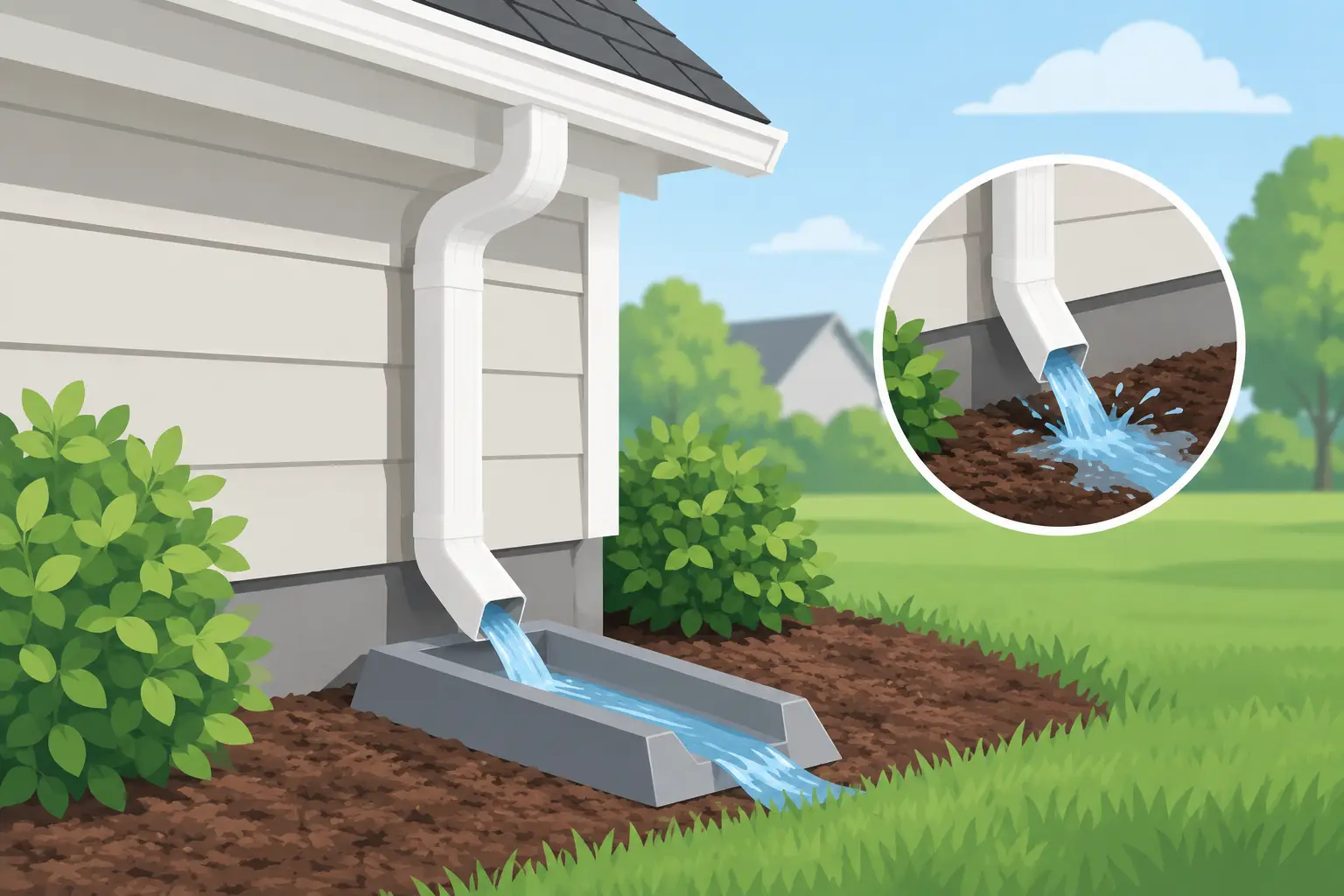
When pitch is off, water can back up near the roof edge, spill next to the foundation, stain siding, erode mulch beds, or oversaturate soil near basement walls. Over time, that can lead to issues far more expensive than a gutter adjustment. The goal is not just moving water out of the trough. It is moving water away from the home in a controlled way.
Guide to gutter pitch standards for homeowners deciding what to do next
If you suspect a pitch problem, start with observation after a moderate rain. Look for pooling, uneven overflow, and spots where water drips long after the rest of the gutter has drained. If it is safe to do so, check for debris buildup near the downspout and obvious sagging along the fascia.
After that, the smartest next step is a professional inspection. A good inspection should tell you whether the issue is slope, blockage, fastening, damage, or some combination of those problems. It should also make clear whether repair is realistic or whether replacement would save money and frustration over time.
For homeowners, the most important standard is not memorizing fractions of an inch. It is knowing that gutter pitch should be deliberate, consistent, and matched to the home. If the explanation you receive is vague, or the estimate skips over what is actually causing the drainage issue, that is a red flag.
At Seamless Gutter Solutions LLC, we believe homeowners deserve a clear answer, a detailed quote, and no surprises when it comes to protecting their property from water damage.
A properly pitched gutter is easy to overlook, and that is exactly how it should be. When it works, water moves out quietly, your foundation stays protected, and you do not have to think about it every time it rains.