
A gutter quote can look simple on paper and still hide the details that matter most. If you’re trying to figure out how to choose seamless gutter installer services for your home, the real question is not just who can hang gutters – it’s who will protect your roofline, siding, foundation, and landscaping without cutting corners.
That matters even more when you’re comparing contractors who all seem to promise the same thing. New gutters are a home-protection purchase, not a cosmetic extra. A low quote that skips proper slope, undersized downspouts, or solid fastening can cost far more later in wood rot, washout, basement moisture, and repeat service calls.
What to look for when choosing a seamless gutter installer
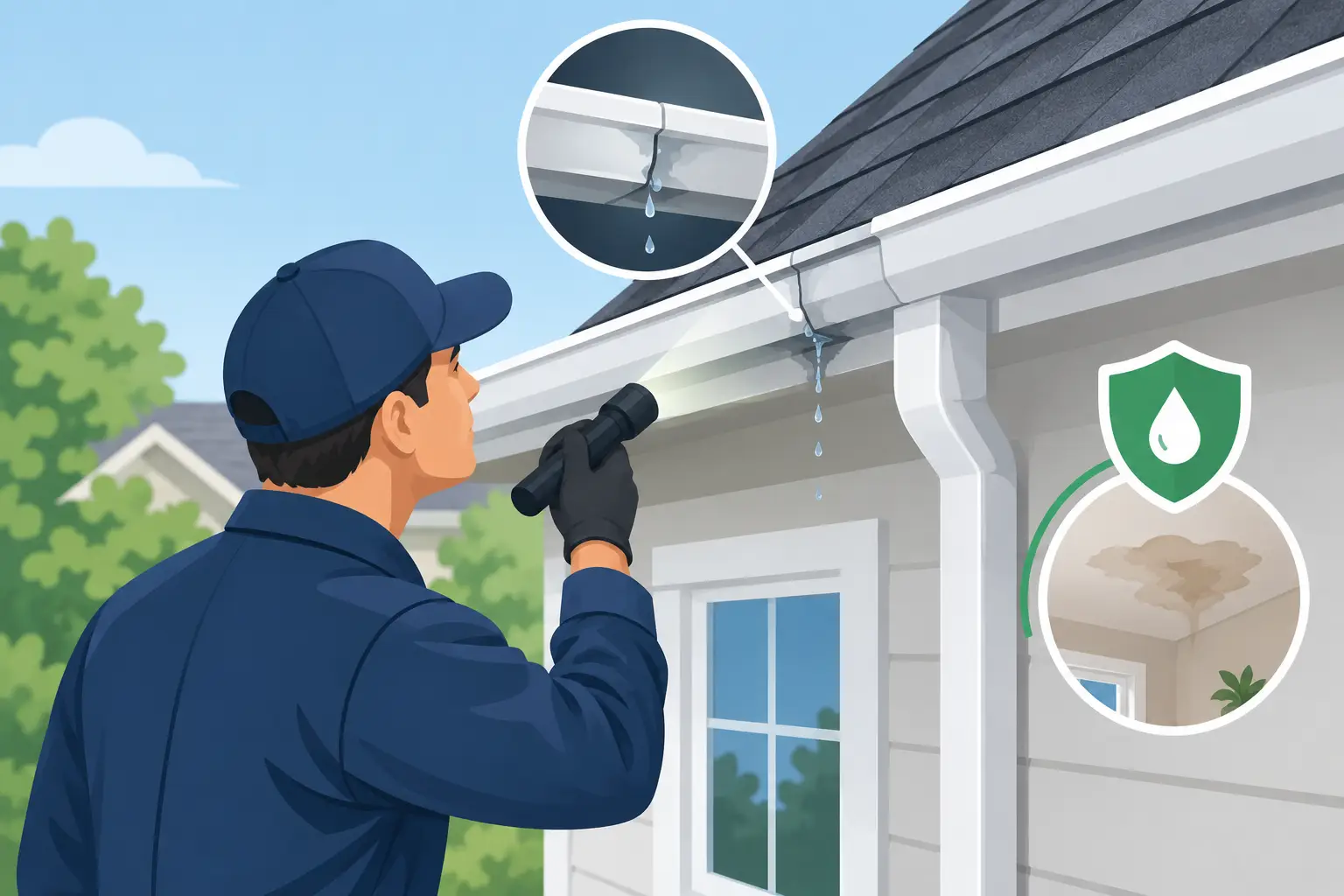
Start with how the company evaluates your home. A good installer does not throw out a price from a satellite image or a quick glance from the driveway. They should inspect rooflines, fascia condition, drainage patterns, downspout placement, and any problem areas where water already overshoots or pools.
This part matters because every house sheds water differently. A ranch home with long eaves has different needs than a two-story home with valleys that dump heavy runoff into one section. If an installer does not talk about water volume, pitch, and discharge locations, you are probably getting a generic bid instead of a real solution.
You should also pay attention to how clearly they explain their recommendations. Homeowners should not have to decode vague contractor language. If a company cannot explain why they recommend a certain gutter size, number of downspouts, or guard system in plain English, that is a problem.
The estimate should be detailed, not vague
One of the fastest ways to judge an installer is by the estimate itself. A trustworthy quote should tell you what material is being installed, what gauge or thickness applies, what color is included, how many downspouts are planned, what hardware will be used, and whether old gutter removal and disposal are part of the price.
A one-line quote leaves too much room for surprise charges. It also makes it hard to compare companies fairly. Two prices may look close, but one may include larger downspouts, better hangers, and cleanup while the other does not.
This is where transparency matters more than a bargain number. If the estimate is itemized and easy to follow, you are more likely dealing with a company that respects your budget and your property.
Ask how the gutters are made and installed
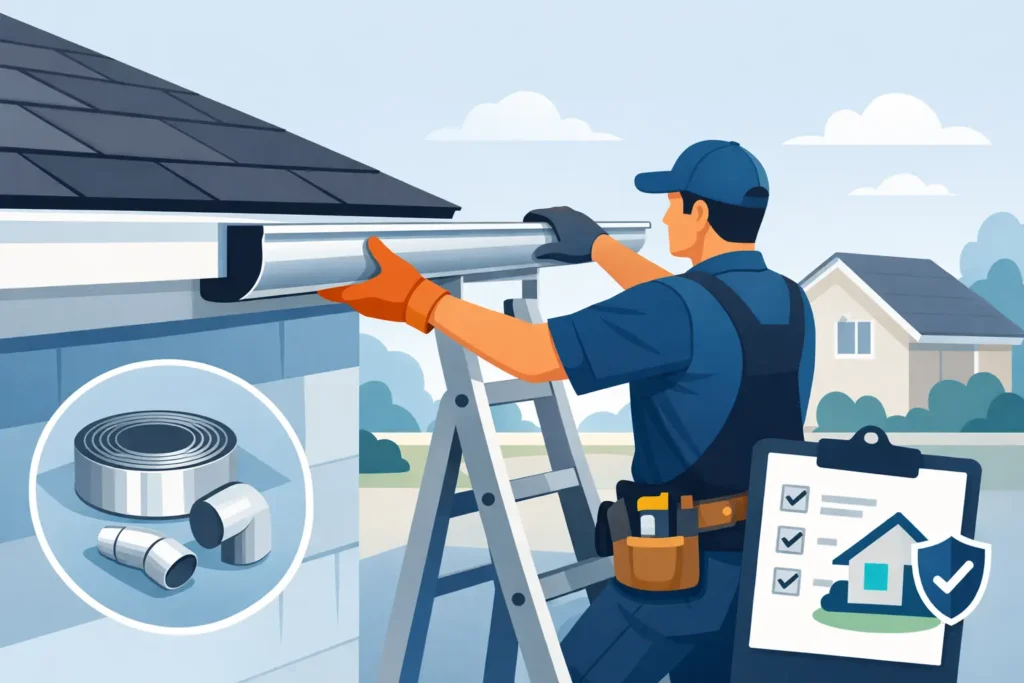
Not all “seamless” gutter jobs are equal. The main benefit of seamless gutters is fewer joints across the run, which lowers the chance of leaks and reduces weak points. But performance still depends on how those gutters are formed on site, attached to the home, and pitched for drainage.
Ask whether the company custom-cuts gutters to your home on location. Ask what type of hangers they use and how far apart they are spaced. Ask how they handle corners, end caps, and high-volume water areas. These are not small details. They affect sagging, overflow, and long-term durability.
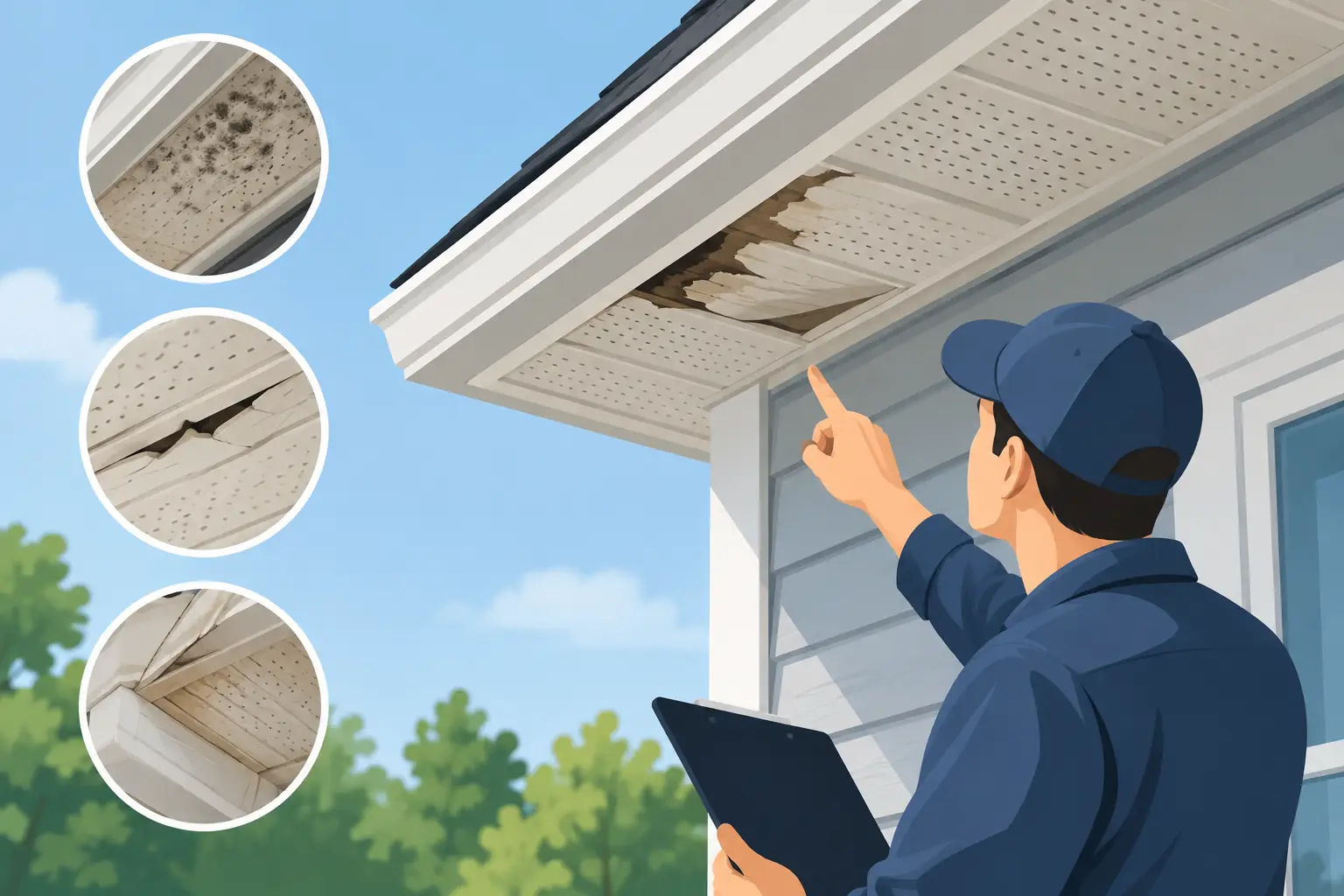
An experienced installer should also check the fascia before hanging anything new. New gutters attached to damaged wood do not solve the problem. They just cover it temporarily.
Size and drainage design are not one-size-fits-all
Many homes do well with 5-inch gutters, but not every home does. Steep roofs, large roof planes, and heavy runoff areas may need 6-inch gutters or additional downspouts. If a contractor recommends the same setup for every house, that is a sign they are selling a package, not designing drainage.
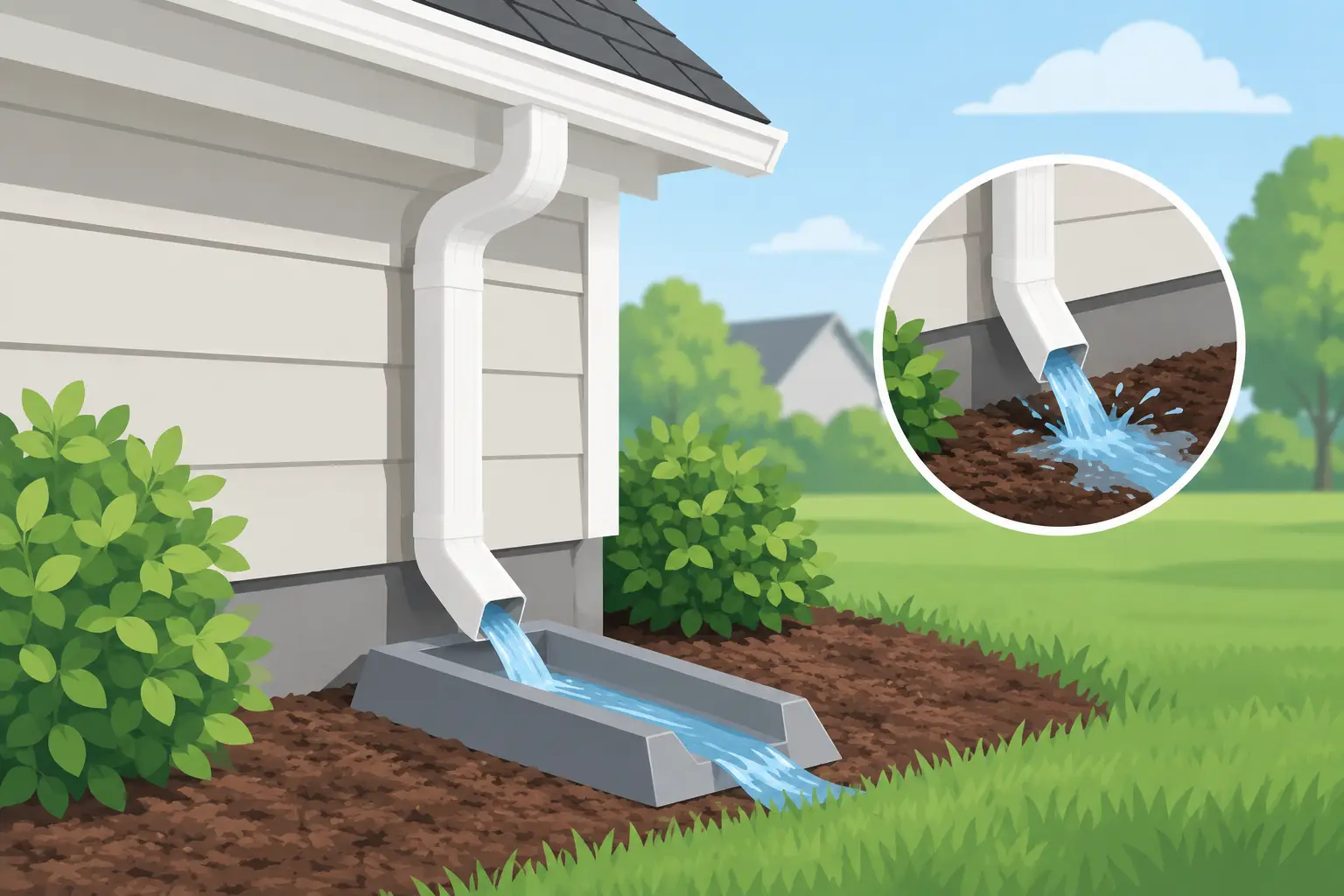
This is one of those areas where the cheapest option can become the most expensive. Saving a little upfront by using undersized materials may lead to overflow during strong storms. That overflow can damage mulch beds, stain siding, erode soil, and put too much water near the foundation.
Check repair knowledge, not just installation sales ability
A company that only wants to sell a full replacement for every problem is not always giving you the full picture. Sometimes replacement is the right call, especially if gutters are pulling away, rusted through, poorly sized, or full of failing seams. But sometimes a section repair, slope correction, or downspout improvement may be enough.
When you ask questions, listen for balance. A reliable contractor should be able to explain why repair makes sense, why replacement makes sense, or why an upgrade would reduce future maintenance. That kind of guidance usually comes from field experience, not just sales training.
If your home sits under mature trees, this is also the right time to ask about leaf protection. Guard systems vary a lot. Some are basic screens that clog on top. Others are built for better strength and water flow. If a contractor offers a premium option such as Double Pro by Alurex, ask how it handles debris, ice, and hanger support over time.
How to compare installers without getting overwhelmed
If you are getting multiple quotes, compare them line by line instead of focusing only on total price. Look at materials, gutter size, number of downspouts, fastening method, guard options, debris protection, warranty coverage, and whether cleanup is included.
Also compare the experience of the sales process. Did the company show up on time? Did they answer questions clearly? Did they inspect the whole home or just measure quickly and leave? Homeowners often sense early on which contractor is organized and which one may be hard to reach once the job starts.
The best choice is not always the lowest bid or the highest bid. It is the company that gives you confidence that the work will be done correctly, priced clearly, and backed up if something needs attention later.
Look closely at warranties and what they actually cover
A warranty sounds reassuring until you read the fine print. Ask whether the workmanship warranty covers leaks, slope issues, loose fasteners, or installation defects. Ask whether material coverage comes from the manufacturer, the installer, or both.
You should also ask what can void the warranty. In some cases, poor maintenance, storm damage, or modifications by another contractor may affect coverage. Clear answers are a good sign. Evasive answers are not.
A strong installer will not treat warranty questions like a nuisance. They will understand that you are protecting your home and making a careful decision.
Local knowledge matters more than many homeowners think
In Eastern Indiana and Western Ohio, gutter systems need to handle heavy rain, wind, falling leaves, and freeze-thaw cycles. That makes local experience valuable. An installer who works regularly in this region should understand common drainage problems, seasonal debris load, and the wear that winter can put on brackets and guards.
Local companies also have more accountability. Their reputation follows them from one neighborhood to the next. If they promise free inspections, detailed quotes, and no hidden fees, that standard has to hold up in the communities they serve.
If you are speaking with a contractor, ask how often they work in your area and what problems they see most on homes like yours. Practical answers are better than polished ones.
Red flags that should slow you down
Some warning signs are obvious, like pressure to sign on the spot. Others are easier to miss. Be cautious if the quote is vague, if the contractor avoids discussing downspout layout, if they dismiss fascia issues, or if they cannot explain the difference between gutter sizes and guard systems.
You should also be careful with companies that make everything sound easy. Good gutter work is straightforward when done properly, but it still requires planning. Roof valleys, splash zones, lower roof tie-ins, and drainage exits all need attention. If none of that comes up during the estimate, your home may not be getting the level of evaluation it needs.
And if pricing keeps changing during the conversation, pay attention. Clear companies tend to give clear numbers.
A practical way to make the final decision
If you are down to two or three installers, choose the one that gives you the clearest path from inspection to installation to follow-up service. You want a company that can explain the work, provide a detailed quote, answer questions without pressure, and stand behind the result.
That is especially valuable if you may need future gutter cleaning, repairs, or leaf protection upgrades. Ongoing service matters because gutter systems are not isolated products. They are part of how your whole home manages water year-round.
At Seamless Gutter Solutions LLC, that homeowner-first approach starts with a free inspection and estimate, followed by detailed pricing so you know exactly what you’re paying for. That process should not feel complicated or risky. It should feel clear.
When you’re deciding how to choose seamless gutter installer services, trust the company that makes your next step easier, not the one that makes the price look smaller at first glance.