
If you have ever watched water spill over your gutters in a hard Midwest rain, you know the feeling. It is not just annoying – it is a warning sign. Overflow can soak fascia boards, stain siding, wash out mulch, and push water where you do not want it: toward the foundation.
Homeowners around Richmond, Muncie, Connersville, Greenville, and Dayton see the full mix – spring seed pods, summer storms, fall leaves, and winter freeze-thaw. That combination is exactly why “gutter guard” is not a one-size-fits-all purchase. The design matters, the installation matters, and the way the guard supports the gutter matters.
That is where continuous hanger guards come in. Below are the continuous hanger gutter guards benefits that actually show up on your house, not just in a brochure.
What “continuous hanger” really means
Most gutters are attached to the house with hangers spaced every couple of feet. In between those points, the gutter can flex. It might not be obvious until you see a sagging run, a dip holding water, or a corner that pulls away after a heavy snow or a ladder leans in the wrong place.
A continuous hanger system changes that structure. Instead of support only at intervals, the hanger is integrated along the length of the gutter. When it is paired with a properly designed cover, you end up with a gutter-and-guard system that is reinforced across the entire run.
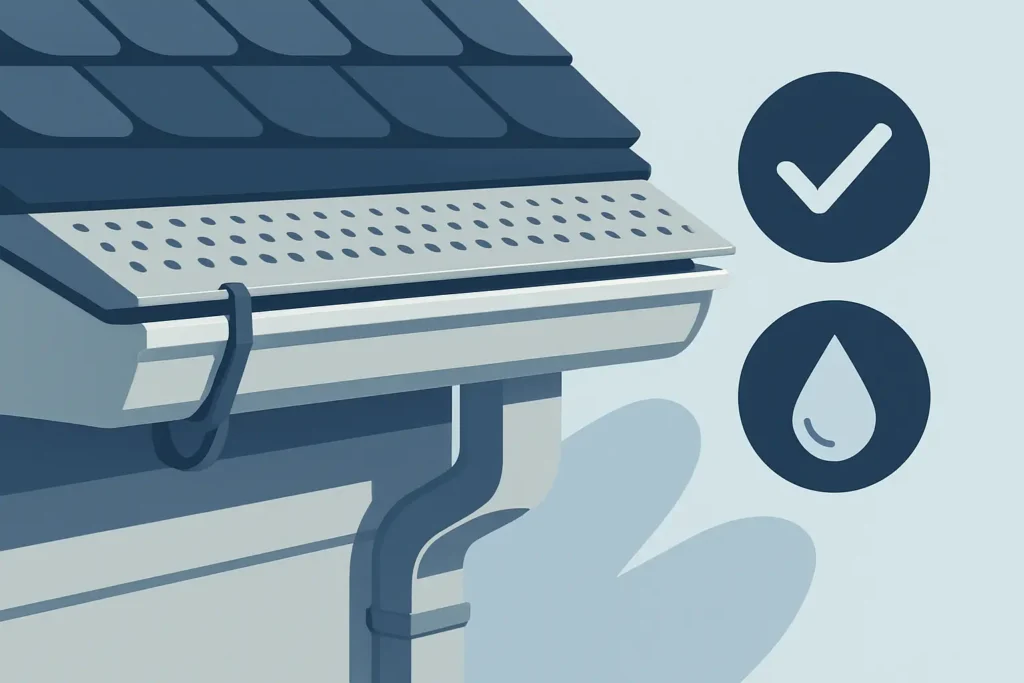
Some products are “screens” that sit on top of the gutter. Some are “covers” that rely on surface tension to pull water in. Continuous hanger guards combine debris control with structural support – and that second part is a big reason homeowners notice the difference.
Continuous hanger gutter guards benefits that matter most
They help your gutters stay straight under real-world stress
In our area, gutters take a beating. Wind gusts, downpours, branches, snow load, and the occasional “I will just clean them myself” ladder placement all add up.
A continuous hanger system reinforces the front edge of the gutter. That can reduce the chance of the gutter lip bending, the run developing waves, or the gutter pulling away from the fascia over time. It is not magic, and it does not fix rotten wood behind the gutter, but it does give the system a sturdier backbone than widely spaced hangers alone.
If you are upgrading to new seamless gutters, this is one of the cleanest times to get the structural advantage baked in from day one.
They reduce clogs without turning your gutters into “maintenance-free” promises
No honest contractor should tell you any guard makes gutters maintenance-free. Pollen can build up, tiny seed debris can collect, and roof granules can wash down. But continuous hanger guards are designed to keep out the big offenders that cause the worst backups: leaves, twigs, and bulky debris that dams water.
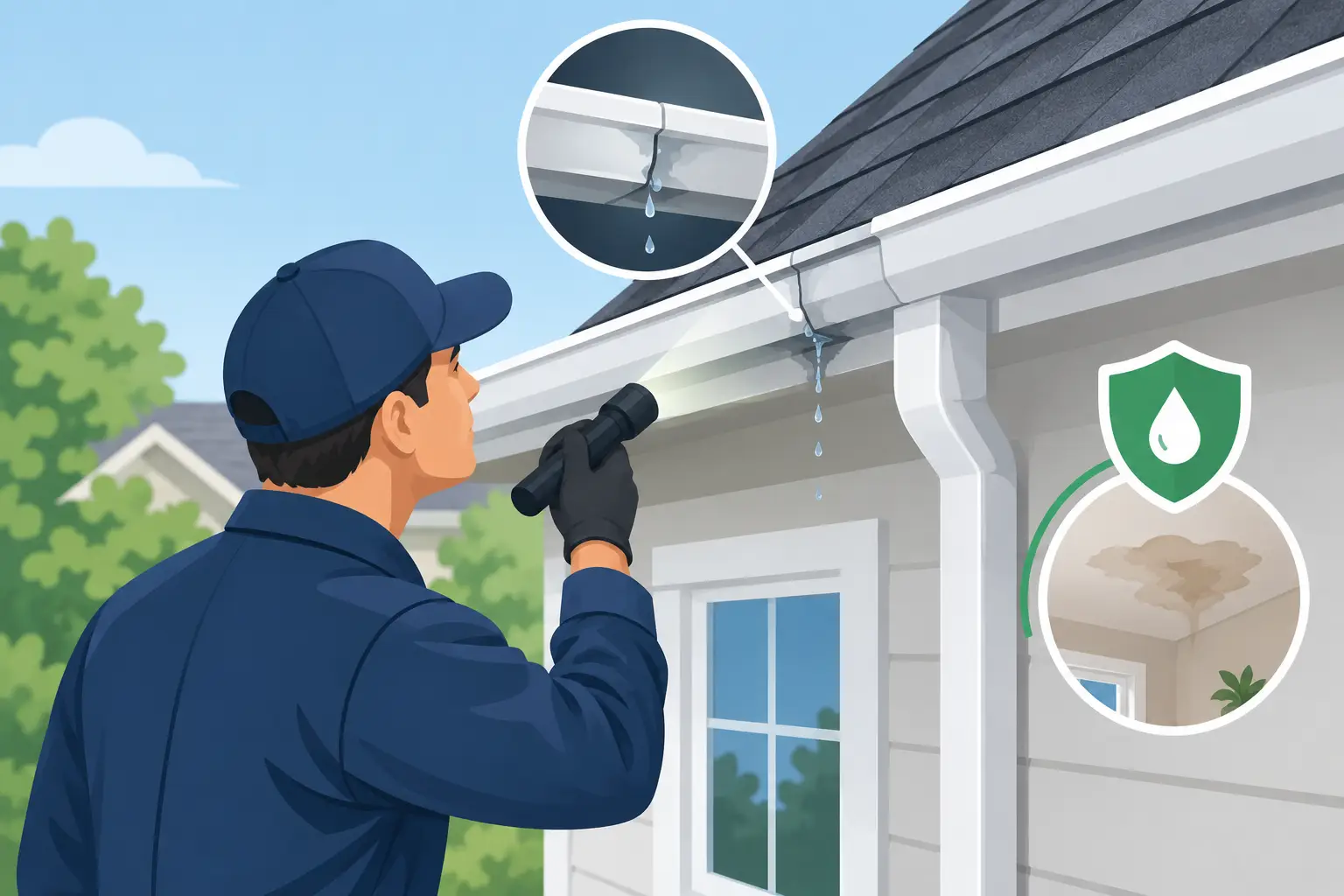
When gutters clog, water stops behaving. It spills over the front, runs behind the gutter, and finds the weak points around your home. Reducing clogging reduces those surprise “why is there a waterfall here?” moments during storms.
The practical benefit is simple: fewer cleanings, fewer emergency calls, and less risk that your first clue is water in the basement or a saturated corner of landscaping.
They can improve drainage performance in heavy rain
A guard is only helpful if it still lets water in during the storms that matter. Continuous hanger systems like Double Pro by Alurex are built to manage high volumes of water while blocking debris. That matters in the quick, intense downpours we get in Indiana and Ohio.
There is also a secondary performance win: when the gutter stays straight and supported, water is more likely to move the way it should – toward the downspouts – instead of pooling in low spots created by sag.
It still depends on correct pitch and downspout sizing. A premium guard cannot compensate for a gutter system that is undersized, installed flat, or missing downspouts where they are needed.
They protect the parts of the home you do not see every day
Overflow is the visible problem. The hidden problems are usually worse.
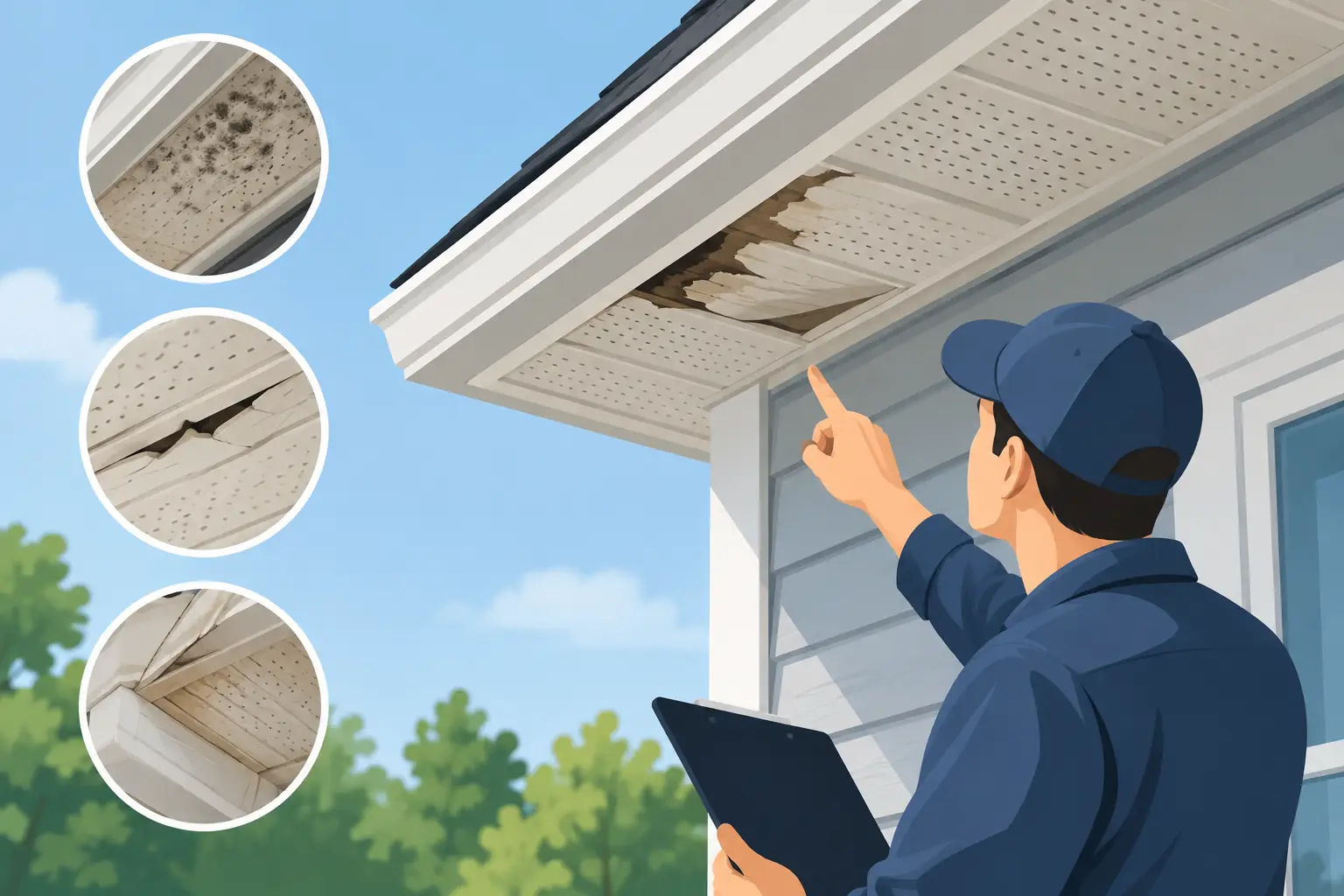
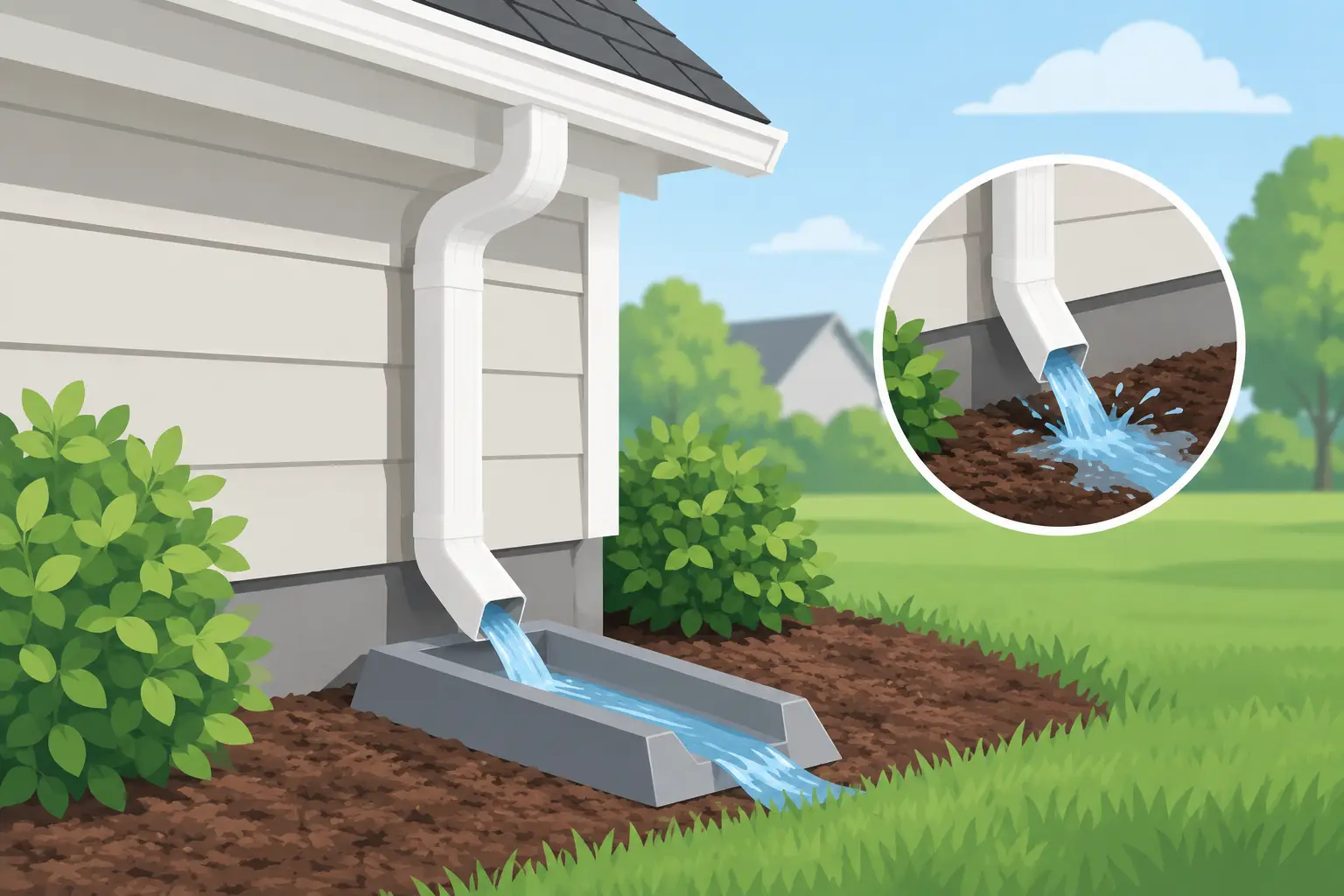
When water gets behind the gutter, it can soak fascia and soffit. Over time, that invites rot and can lead to gutters loosening because the wood they are fastened to is compromised. When water pours off an edge repeatedly, it can erode soil, splash mud onto siding, and create channels next to the foundation.
Continuous hanger guards help by reducing two common triggers: clogged gutters and gutters that shift out of alignment. Keeping water controlled is one of the cheapest ways to prevent expensive repairs.
They can reduce ice-related issues, but there are trade-offs
Homeowners often ask about ice dams and winter buildup. Gutter guards can help reduce the wet debris that freezes into a solid block, and a stronger gutter edge is less likely to deform under light-to-moderate ice weight.
That said, guards are not a cure for roof heat loss. If your attic is warm and your roof edge is cold, ice can still form. In some situations, any covered system can hold a layer of ice longer than an open gutter because less sun hits the trough.
This is one of those “it depends” situations. If winter ice is a recurring issue, the right conversation includes attic insulation, ventilation, and whether heat cable is appropriate – not just the guard choice.
They make professional cleanings and inspections more straightforward
Even with a guard, you want the system checked periodically. Fasteners can loosen, downspouts can clog at the elbow, and storms can drop odd debris in valleys.
With continuous hanger guards, there is usually less decomposing material sitting in the trough, which makes maintenance cleaner and faster when it is needed. That can reduce the frequency of service and shorten the time on site.
For homeowners who prefer scheduled, predictable upkeep over surprise problems, that is a real quality-of-life benefit.
Who gets the biggest payoff from a continuous hanger system
If your home is surrounded by mature trees, you are an obvious candidate. Maple leaves, oak leaves, helicopter seeds, and small twigs are exactly what cause repeated clogs.
But trees are not the only factor. Continuous hanger guards make a lot of sense if you have long gutter runs, higher rooflines, or spots that are hard to access safely. They are also a strong choice if your current gutters are sagging or pulling away in sections, because reinforcing the system helps prevent the same pattern from repeating.
If you rarely see debris and your gutters are easy to clean from a single-story roofline, a simpler solution might be adequate. The upgrade is most valuable when the risk and inconvenience are already high.
What to look for so you actually get the benefits
The product matters, but installation quality is the difference between “worth it” and “why did I do this?” A continuous hanger guard should be installed so water can enter properly, the gutter remains pitched correctly, and the system is anchored into solid fascia.
Pay attention to whether the contractor inspects fascia condition first. Guards and new gutters installed over soft or rotting wood can fail early. You also want clear discussion of downspouts – if your home needs another downspout to handle volume, a guard will not fix an undersized drainage plan.
This is also where transparent quoting matters. A detailed, line-item estimate helps you understand what is being replaced, what is being reinforced, and what is included so you are not surprised later.
If you are in Eastern Indiana or Western Ohio and want a straightforward inspection and quote for a premium continuous hanger system like Double Pro by Alurex, Seamless Gutter Solutions LLC offers free inspections and itemized estimates with no hidden fees.
Common questions homeowners ask (and honest answers)
Will continuous hanger guards stop all debris?
They will stop most leaves and larger debris, which is what causes the worst clogs. Fine particles can still build up over time, especially in valleys, under heavy pollen, or if your roof sheds granules.
Can they handle big storms?
A quality system can perform well in heavy rain, but performance still depends on correct pitch, adequate downspouts, and proper installation. If your current gutters overflow because they are undersized, you may need a larger gutter or better downspout placement.
Are they worth it compared to basic screens?
Basic screens can work in light debris situations, but they usually do not reinforce the gutter. Continuous hanger systems are often chosen for long-term durability and fewer structural issues, not just leaf blocking.
Do they help if my gutters are already sagging?
They can help, but sagging is often a symptom of other problems: loose fasteners, damaged fascia, or incorrect slope. The best fix starts with correcting the underlying cause, then installing a reinforced system.
A gutter system is not a flashy upgrade. You rarely notice it when it is working, and you always notice it when it is not. If you choose a continuous hanger guard for the right reasons – strength, better flow, fewer clogs, and fewer surprises – you are buying back peace of mind every time the forecast calls for another hard rain.