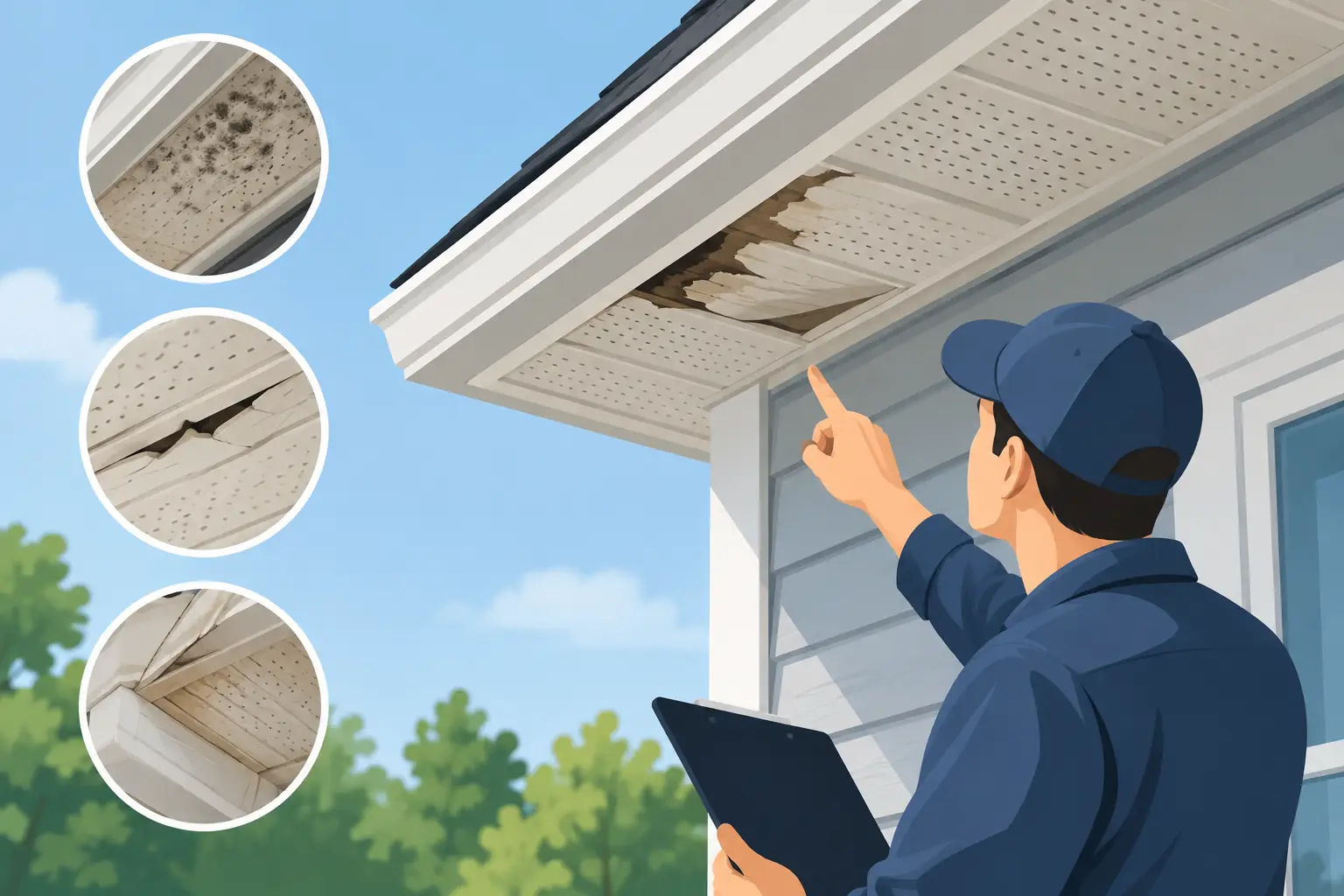


A gutter that spills over in a hard rain is not just annoying. It is a warning sign. When water runs past the gutter instead of through it, it can soak fascia boards, stain siding, erode landscaping, and put extra pressure on your foundation. For homeowners in Eastern Indiana and Western Ohio, the best ways to prevent overflows start with understanding why they happen and fixing the right part of the system.
Why gutters overflow in the first place
Most overflows come from one of three problems. The gutter is blocked, the gutter is undersized for the amount of roof water it has to carry, or the water cannot move to the downspouts fast enough. Sometimes the issue is simple, like packed leaves in a valley outlet. Other times, the system was installed with too little pitch, too few downspouts, or sections that are pulling away from the house.
Heavy storms can expose these weak spots fast. A system may look fine during average rain and still fail when a strong summer downpour hits. That is why a quick visual check is not always enough. You need to know whether the problem is maintenance, design, or wear.
The best ways to prevent overflows at the source
1. Keep gutters and downspouts clear
This is still one of the best ways to prevent overflows because debris buildup reduces capacity almost immediately. Leaves, seed pods, shingle grit, and small twigs do not need to fill the whole gutter to cause trouble. A partial clog near a downspout can slow drainage enough to send water over the front edge.
Cleaning matters most in spring and fall, but wooded lots may need more attention. If you have trees that hang over the roof, waiting until the gutter is visibly full is usually too late. Water damage often starts before the blockage looks dramatic from the ground.
2. Make sure the gutters are pitched correctly
Gutters are supposed to move water steadily toward the downspouts. If the pitch is too flat, water sits in the trough and backs up during heavier rain. If the pitch is inconsistent, one low section can collect debris and start a chain reaction that leads to overflow.
This is one of those fixes homeowners often miss because the gutter can appear straight and still be wrong. Sagging hangers, long spans, or older sections that have shifted over time can all change how water moves. Proper pitch is a small detail with a big effect.
3. Add enough downspouts
A gutter can only perform as well as its exits. If there are too few downspouts, water has to travel too far before it can leave the system. During a hard rain, that extra volume builds up quickly, especially on longer rooflines.
Adding a downspout is not always the first recommendation, but it is often one of the most effective. The right number depends on roof size, slope, and where water concentrates. Homes with large front elevations or long, uninterrupted gutter runs are especially likely to benefit.
4. Upgrade to the right gutter size
Not every home should have the same gutter profile. A standard system may handle a modest roof well, but steep roofs or larger sections can dump water faster than smaller gutters can capture it. In those cases, overflow is not a cleaning problem. It is a capacity problem.
This is why sizing matters. Larger seamless gutters can handle more water and reduce the number of leak points compared with sectional systems. If overflows happen even after cleaning and minor repairs, an upgrade may be the more reliable fix.
Best ways to prevent overflows during heavy rain
5. Address roof valleys and fast-flow areas
Some sections of a roof collect more water than others. Valleys are the biggest example. Two roof planes meet, and all that runoff rushes into one concentrated area. If the gutter below that valley is too small, clogged, or poorly pitched, it can overflow even when the rest of the system seems fine.
A splash guard or a targeted adjustment can help in these spots, but only when it matches the actual cause. If the valley is pushing more water than the gutter can manage, the answer may be more than a simple accessory. This is where a proper inspection saves guesswork.
6. Repair loose, separated, or sagging sections
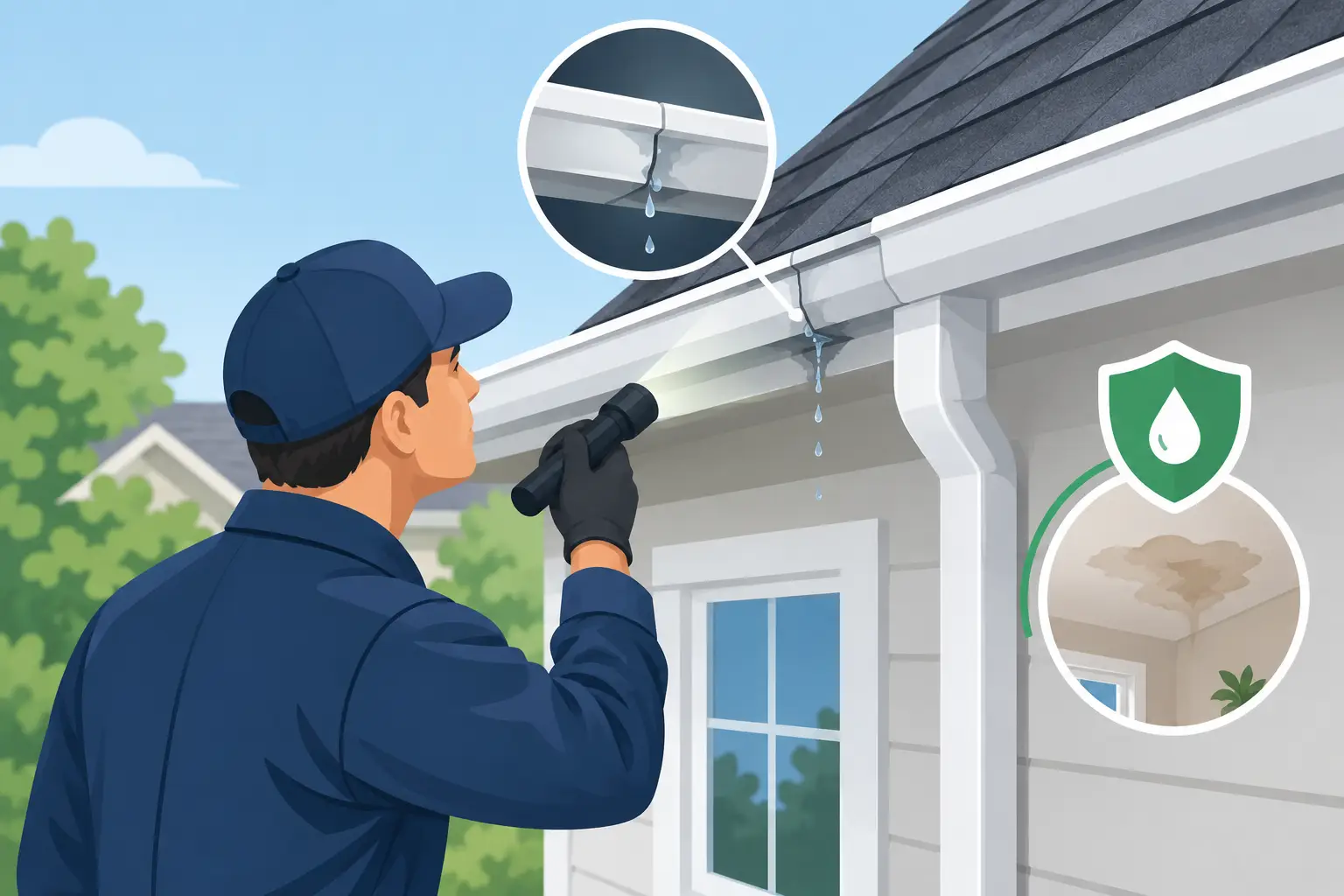
Overflow is not always about volume. Sometimes water is escaping because the gutter is no longer sitting where it should. Loose fasteners, separated joints, and sagging runs create low spots and gaps that let water spill out before it reaches the downspout.
These problems tend to get worse over time. A section that has started pulling away from the fascia will collect water, become heavier, and pull even more. Catching that early is far less expensive than waiting for wood rot or fascia damage to follow.
7. Install a quality gutter guard
For many homeowners, this is one of the best ways to prevent overflows without relying on constant cleanings. A well-built gutter guard helps keep leaves and larger debris out while allowing water to enter and move through the gutter system. It does not mean zero maintenance forever, but it can reduce buildup and improve performance through the seasons.
The key is quality. Not every guard performs well in real-world conditions, and some cheaper options can create new problems instead of solving old ones. A continuous-hanger system with proven water-handling performance is often a better long-term investment than a basic screen that shifts, clogs, or allows debris to settle inside the trough.
What homeowners often overlook
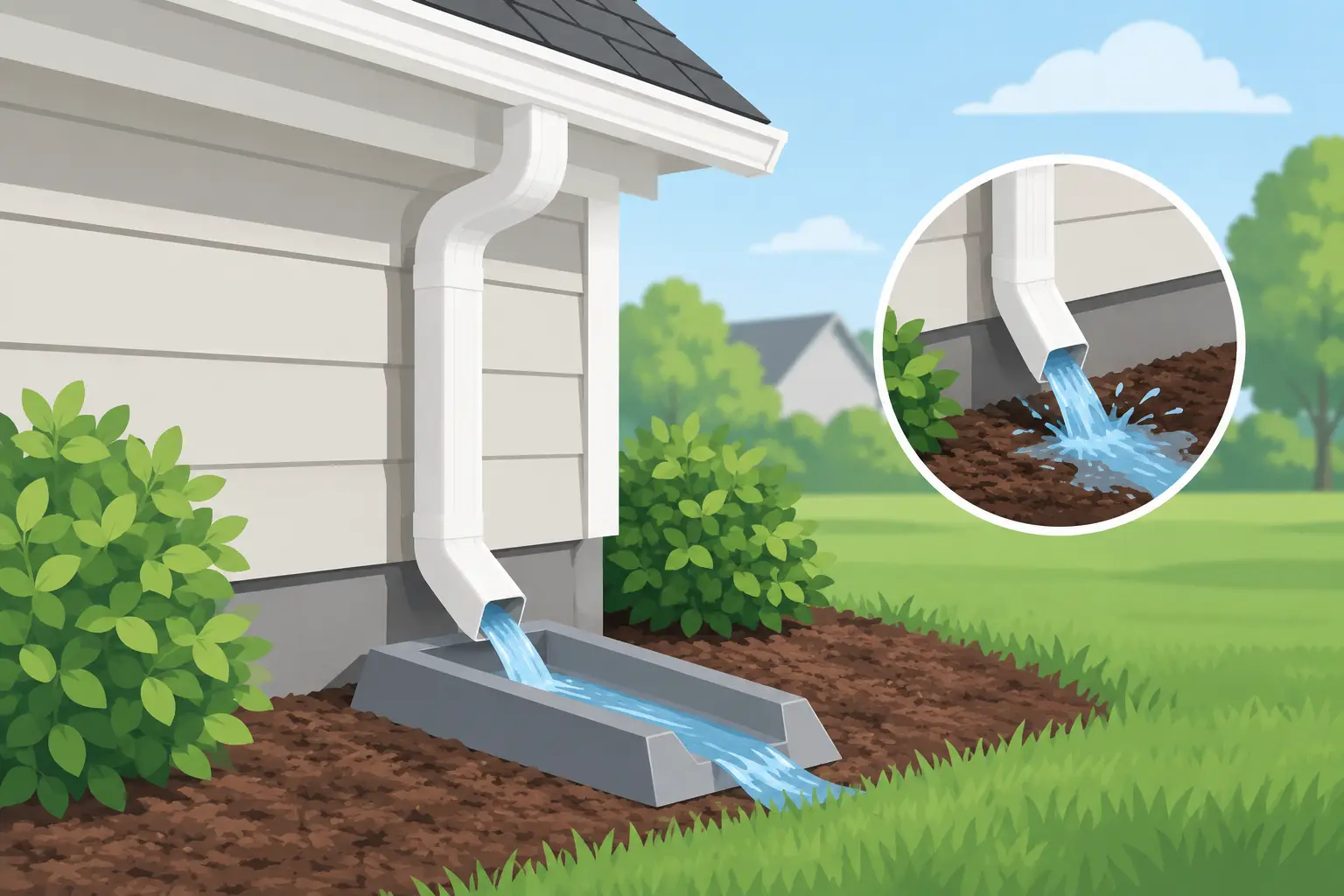
8. Check where the downspouts discharge
Even if the gutter itself is draining, the job is not finished if water dumps right at the base of the home. Poor discharge can create pooling near the foundation, wash out mulch beds, and make it seem like the gutter system is failing when the real issue is what happens after the downspout.
Extensions, better routing, or drainage improvements can make a big difference. This is especially important on homes with basement concerns, low spots near the house, or flower beds that keep getting washed out after storms.
9. Do not ignore small repair signs
Minor dripping at a seam, a short section that always holds water, or one corner that spills first may not feel urgent. But those are often the early signs of a larger overflow problem. The gutter system works as a chain. One weak point affects the rest.
Repairs are most cost-effective when they happen before the system is under full stress. Once water starts getting behind the gutter or into the wood trim, the repair scope can expand beyond the gutter itself.
10. Schedule inspections before peak problem seasons
Most homeowners wait until they see water pouring over the side. By then, the house may already be dealing with staining, erosion, or moisture damage. A pre-season inspection is a smarter move, especially before spring rains or fall leaf drop.
A good inspection should look at more than debris. It should check pitch, attachment strength, outlet flow, gutter sizing, and the roof areas that send the most runoff into the system. That kind of evaluation gives you a clearer answer than a quick cleanout alone.
When cleaning is not enough
If you are cleaning gutters regularly and still seeing overflow, the system is telling you something. Either the design does not match the roof, the drainage path is restricted, or the materials are wearing out. Repeating the same maintenance without correcting those issues usually means repeating the same problem.
This is where homeowners benefit from a straightforward, itemized estimate instead of vague recommendations. You should know whether the right fix is a repair, a guard installation, a downspout addition, or a full gutter replacement. Those are very different solutions, and guessing can cost more in the long run.
For homes across Richmond and surrounding communities, a professional evaluation often reveals a combination of causes rather than one obvious failure. That is common. A slightly undersized gutter plus a clogged valley outlet plus a loose section can all show up as the same symptom – water spilling over the edge.
Choosing the right long-term fix
The best long-term answer depends on your home, your tree coverage, and how your roof handles water. If the system is structurally sound, cleaning and minor repairs may be enough. If leaves are the constant issue, a premium guard may be the better investment. If the gutter simply cannot keep up with roof runoff, replacement with properly sized seamless gutters is usually the more dependable path.
What matters most is avoiding one-size-fits-all advice. A trustworthy contractor should be able to explain what is happening, show you where the weakness is, and give you clear pricing without pressure. That is the kind of process that helps homeowners protect the house instead of just reacting to the next storm.
A gutter system should move water away so quietly that you barely think about it. If yours is overflowing, it is worth fixing now while the problem is still mostly about drainage and not about damaged wood, soil erosion, or foundation trouble later.