
Winter has a way of hiding gutter problems until the first heavy spring rain hits. If you are wondering how to prepare gutters for spring, the goal is simple – make sure water can move away from your roof, siding, foundation, and landscaping without backing up or spilling over.
For homeowners in Eastern Indiana and Western Ohio, that matters more than it may seem. Freeze-thaw cycles, wind, wet leaves, and late snow can leave gutters clogged, loosened, or damaged in ways that are easy to miss from the ground. A little attention in early spring can prevent the kind of water issues that turn into repair bills later.
Why spring gutter prep matters
Your gutters do more than catch rain. They control where roof runoff goes, which helps protect fascia boards, soffits, siding, flower beds, walkways, and the foundation around your home.
When gutters are blocked or pulling away from the house, water usually finds the next easiest path. That might mean overflow at the corners, pooling near the foundation, staining on siding, or erosion around mulch beds. In some cases, trapped water can even work its way back toward the roof edge. Spring storms tend to expose all of it at once.
That is why knowing how to prepare gutters for spring is less about seasonal housekeeping and more about protecting your home from preventable water damage.
Start with a ground-level inspection
Before grabbing a ladder, walk the perimeter of your home and look up. This first pass can tell you a lot.
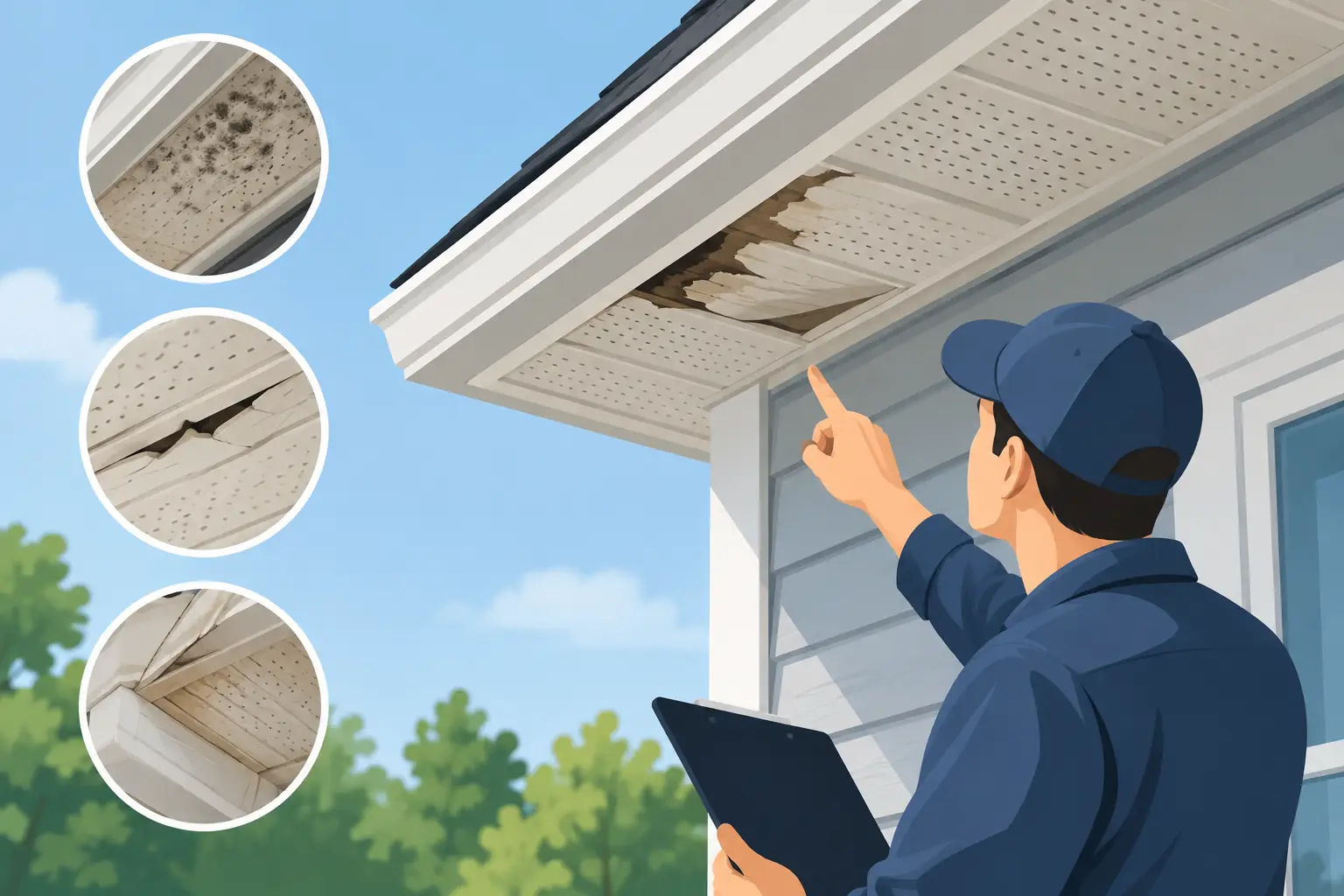
Check for sagging sections, gutters that appear tilted, downspouts that are disconnected, and visible debris sticking up over the top edge. Look for dark streaks on siding, soil washout below roof lines, or puddling near the base of the house. Those are signs the system may not have drained properly over the winter.
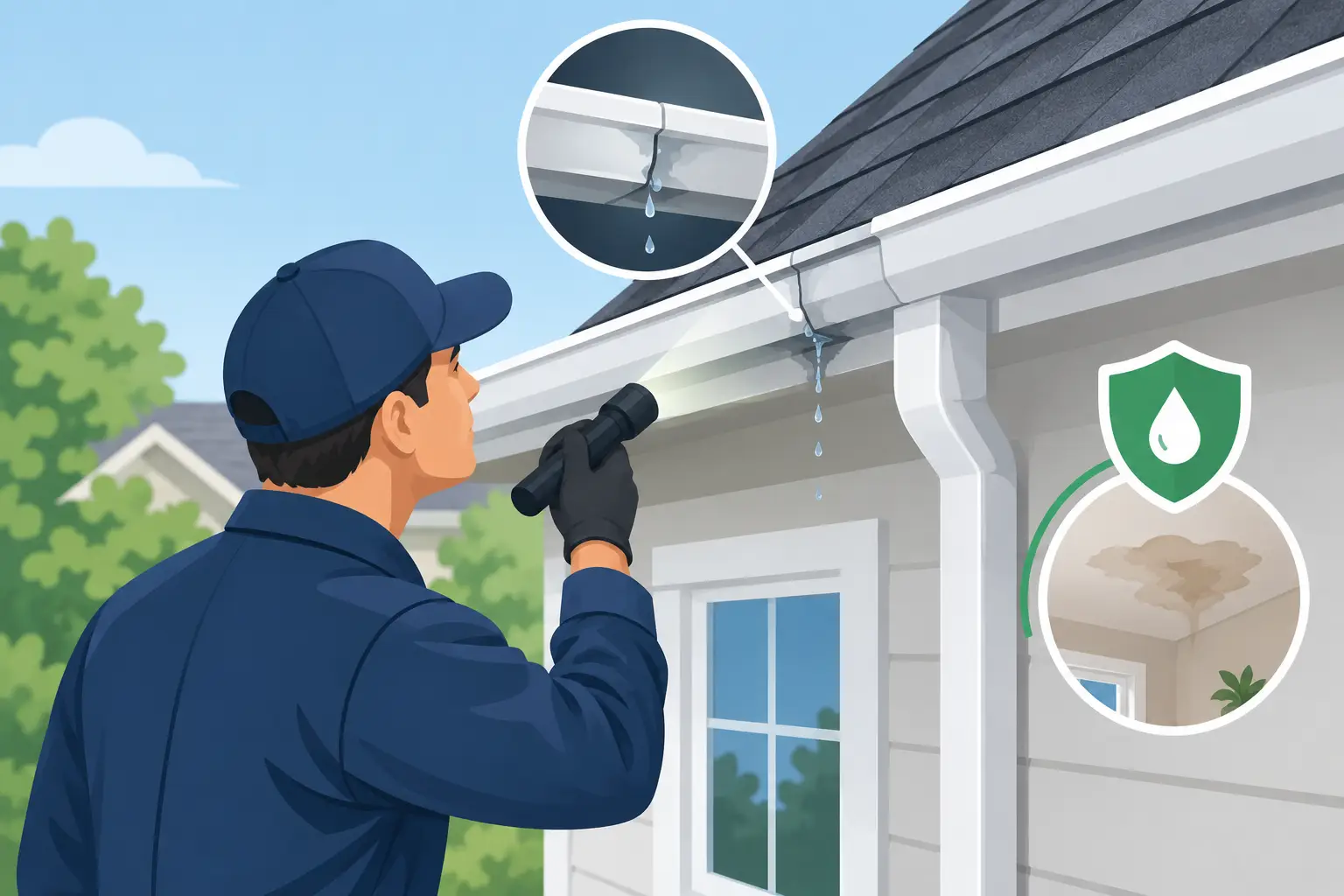
Also pay attention to fasteners and seams if you can see them. Older sectional gutters often develop leaks where pieces join together. If you notice separation or repeated staining below a seam, repair may be needed rather than another cleaning.
Clear out winter debris safely
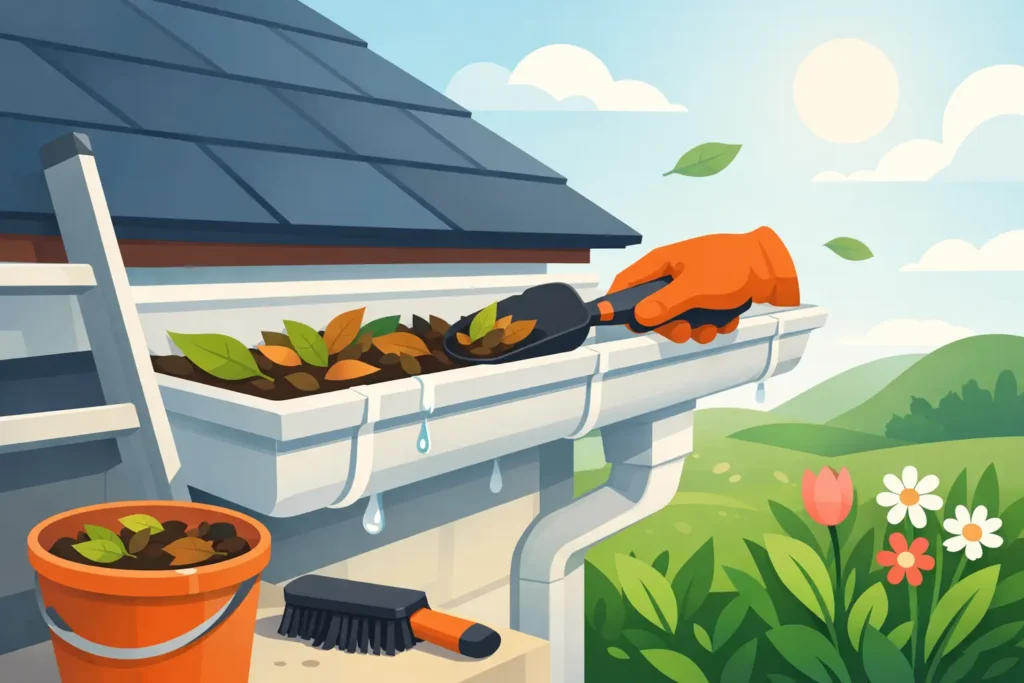
If conditions are safe and you are comfortable using a ladder, the next step is removing debris from the gutter channels. Wet leaves, twigs, seed pods, and shingle grit are the usual buildup. In shaded areas, you may also find compacted material that has started to break down into sludge.
Use gloves and a small scoop or garden trowel to remove material by hand. Place debris in a bucket or on a tarp below so it does not end up back in your landscaping. Work in short sections and avoid leaning too far to either side on the ladder.
Safety is the trade-off here. A single-story ranch with open access is one thing. A two-story home, uneven ground, or gutters above porches and sunrooms is another. If ladder placement is awkward or the roofline is steep, it makes sense to have the system professionally inspected and cleaned.
Flush the gutters and downspouts
Once the debris is out, run water through the gutters with a garden hose. This helps wash out smaller particles and shows you how the system is actually performing.
Start at the end opposite the downspout and let the water flow toward the outlet. If it backs up, drains slowly, or spills over the front edge, you may still have a clog or a pitch problem. Then check each downspout. Water should move through freely and discharge away from the house.
If a downspout is blocked, try flushing it from the top first. If that does not work, disconnecting the lower elbow can sometimes reveal the clog. Just be careful not to force tools into the downspout and dent the metal. A crushed section can restrict flow even after the blockage is gone.
Check for leaks, loose parts, and bad pitch
Cleaning alone does not solve structural problems. As you flush the system, watch for drips at joints, corners, and end caps. Small leaks have a way of becoming bigger once spring rain becomes consistent.
Look at how securely the gutters are attached to the fascia. If sections wiggle, bow, or pull away, the fasteners may be failing or the wood behind them may be compromised. That is especially common after a hard winter.
Pitch matters too. Gutters should slope slightly toward the downspout so water does not sit in the channel. Standing water after flushing usually means the gutter is not aligned correctly. That can be adjusted in some cases, but repeated slope issues are often a sign the system is aging out or was not installed well in the first place.
Make sure water exits far enough from the house
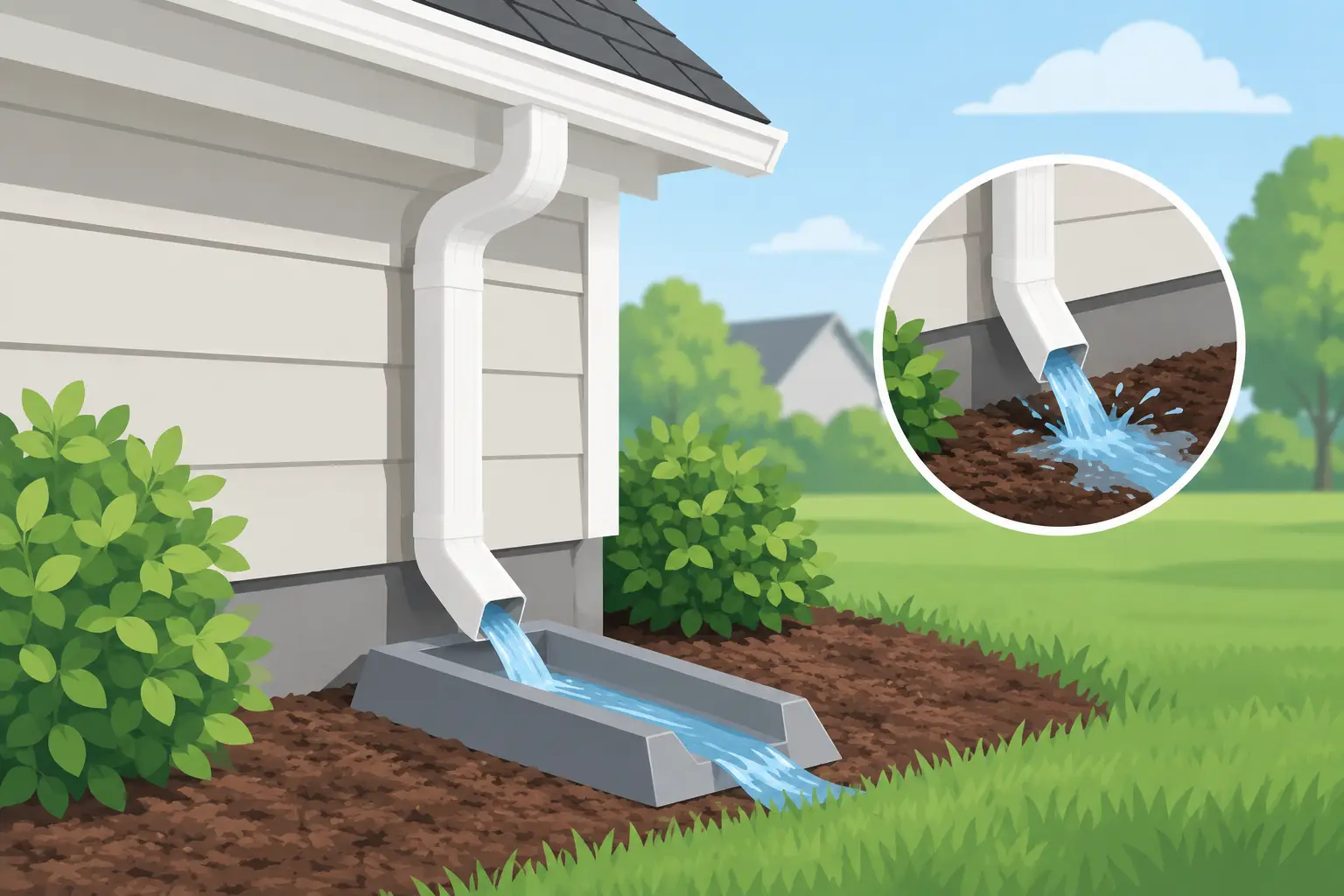
A clean gutter system still falls short if the downspouts dump water right next to the foundation. During spring rains, that can lead to basement moisture, settling concerns, and muddy washout around the home.
Check where each downspout ends. Extensions or splash blocks should direct water away from the foundation in a controlled way. The right distance depends on your lot and grading, so there is no one-size-fits-all answer, but closer is rarely better.
If you see water pooling near the house after a rain, that is worth addressing quickly. Sometimes the fix is as simple as improving discharge direction. Other times, the home needs a more complete drainage plan.
Watch for signs you need repair, not just cleaning
One of the biggest mistakes homeowners make in spring is assuming every gutter issue is a cleaning issue. Sometimes debris is only part of the problem.
If your gutters overflow even after being cleared, separate at the seams, rust through, or pull away from the fascia, repairs may be the smarter next step. Frequent leaks at multiple joints can be a sign that older sectional gutters are costing you more in maintenance than they are worth. In those cases, seamless gutters often provide a cleaner, more reliable long-term solution because there are fewer points where leaks can develop.
This is also the time to look at recurring nuisance areas. If you clean the same corner every season because leaves pile up there, a gutter protection system may be worth considering. The right guard can reduce maintenance, but product quality and installation matter. Not every guard performs the same, especially in areas with heavy leaf drop, seed debris, or freeze-thaw weather.
How to prepare gutters for spring if you want less maintenance
For some homeowners, spring prep is not just about getting through one more season. It is about reducing the amount of upkeep the system needs going forward.
If your current gutters are older, undersized, or made from multiple pieced-together sections, upgrading can make a noticeable difference in performance. Seamless gutters are designed to limit leak-prone joints, and a properly planned system can improve water control at the roofline and around the foundation.
Leaf protection is another option if clogs are a recurring problem. A premium system with strong support and reliable water handling can help keep debris out while maintaining flow during heavy rain. That said, no product should be sold as magic. The real value comes from matching the guard and the gutter system to the home, the tree cover, and the drainage needs of the property.
When to call for a professional inspection
If you see active leaking, sagging, detached downspouts, fascia damage, or overflow around the house, it is a good time to bring in a professional. The same goes for homes with second-story rooflines, difficult ladder access, or signs that water may already be affecting the foundation or siding.
A professional inspection should give you clarity, not pressure. You want to know what is working, what is failing, and what can wait. If repairs or replacement are needed, clear line-item pricing matters. Homeowners should not have to guess what they are paying for or worry about hidden fees showing up later.
That is one reason many local homeowners look for a company that can handle cleaning, repairs, seamless gutter installation, and premium gutter guards under one roof. Seamless Gutter Solutions LLC serves that role for many homes in the Richmond area and surrounding communities, especially when spring inspections uncover bigger drainage concerns.
Spring gutter prep does not have to be complicated. What matters is catching small issues before the next storm turns them into bigger ones. A clean, secure, properly draining gutter system gives your home one less weak spot when the season shifts.