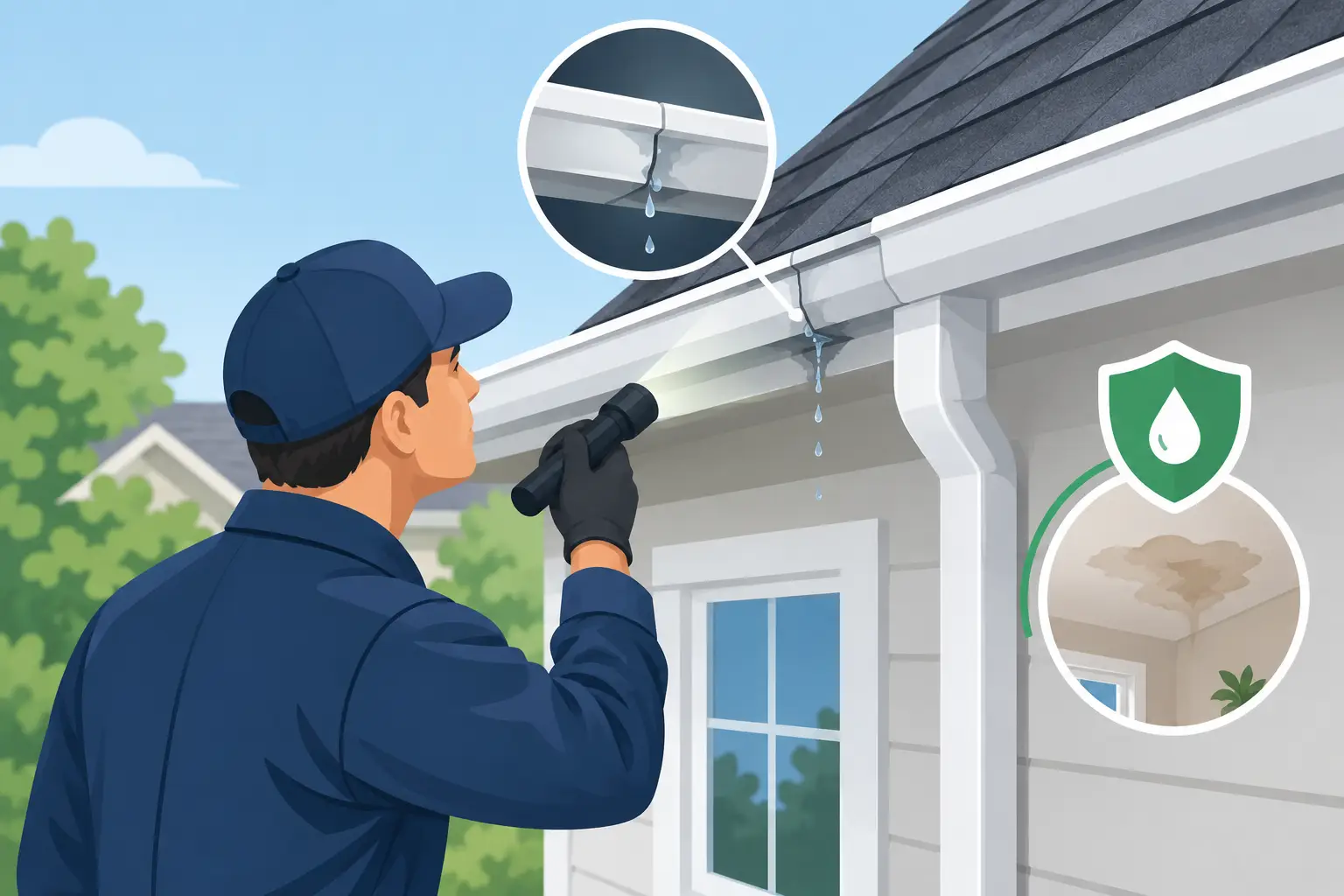

If your gutters are pulling away, overflowing in a hard rain, or showing rust at the seams, the material matters more than most homeowners think. Choosing the best seamless gutter material options is not just about looks. It affects how well your gutters handle Midwest storms, how much maintenance you take on, and how long the system protects your roofline, siding, foundation, and landscaping.
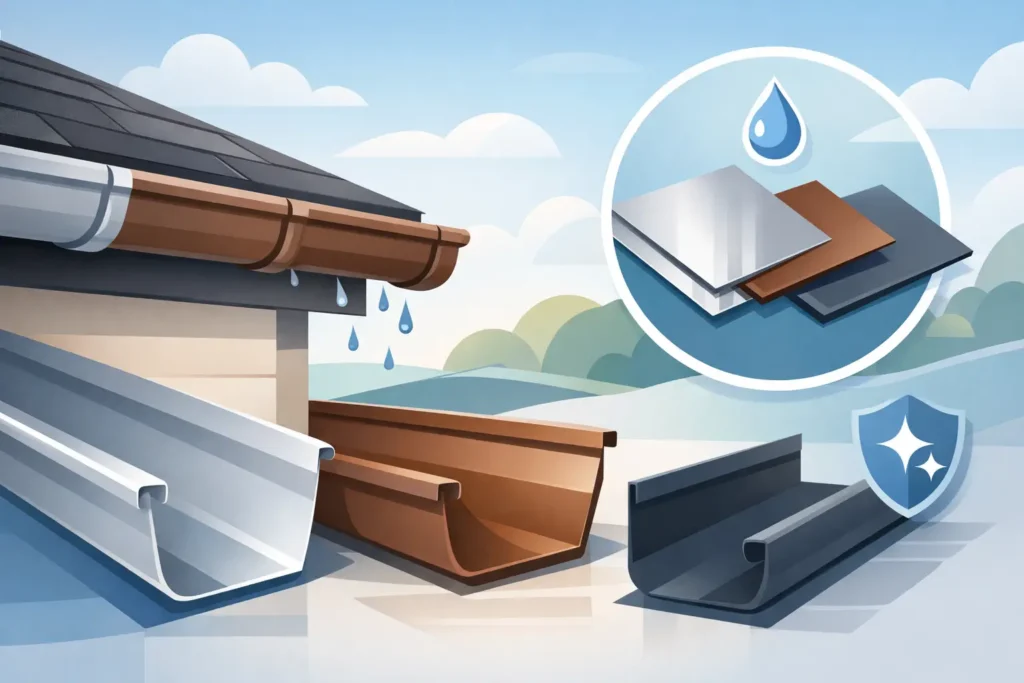
For homeowners in Eastern Indiana and Western Ohio, the right choice usually comes down to four materials: aluminum, steel, copper, and zinc. Each one has real strengths, and each comes with trade-offs. The best fit depends on your home, your budget, and how long you plan to stay in the property.
Best seamless gutter material options for most homes
For the average homeowner, aluminum is usually the first material worth considering. There is a reason it shows up on so many homes. It is lightweight, resists rust, comes in a wide range of colors, and performs well in most residential applications. It also works well for custom on-site fabrication, which helps create long continuous runs with fewer leak points.
That does not mean aluminum is perfect. Lower-gauge aluminum can dent from ladders, fallen branches, or hail. If your property has a lot of tree cover or you have had problems with storm damage before, that softer metal may not be ideal unless you choose a heavier gauge.
Steel is the next common option, especially for homeowners who care more about strength than price. Galvanized steel gutters are tougher than aluminum and less likely to bend under impact. That added strength can be attractive in areas where snow, ice, or debris put more pressure on the system.
The trade-off is that steel is heavier and more vulnerable to rust over time if the protective coating gets compromised. It can also cost more to install. In many cases, steel makes sense when durability is the top priority and the homeowner is comfortable with a little more long-term upkeep.
Copper and zinc sit in a different category. These are premium materials, usually chosen for long service life, appearance, or architectural fit. They can last for decades and develop a natural patina that many homeowners love. They also cost significantly more than aluminum or steel, so they tend to make the most sense on higher-end homes or when matching a specific design style matters.
Aluminum gutters: the practical favorite
If you want the most balanced choice, aluminum is often it. It offers good performance without pushing the budget into premium territory. For many residential installations, especially in neighborhoods with standard rooflines and moderate tree cover, aluminum gives homeowners the best mix of value and protection.
It is also one of the easier materials to color-match with the trim, fascia, or siding. That matters more than people expect. Gutters should protect the home, but they should not draw attention for the wrong reason.
There are still important differences within aluminum itself. Thicker material generally holds up better than thinner stock. If you are comparing quotes, this is one of the details worth asking about. Two aluminum gutter systems may sound similar on paper while offering very different durability.
For homeowners who want to reduce maintenance even further, aluminum often pairs well with a premium guard system. That combination can cut down on clogging and reduce the need for frequent cleanings, especially around mature trees.
Steel gutters: stronger, but with trade-offs
Steel earns its place in any honest discussion of the best seamless gutter material options because it is tough. If your current gutters have been bent by weather, ladders, or falling limbs, steel may solve a problem aluminum did not.
It also tends to feel more substantial once installed. Some homeowners prefer that, particularly on larger homes or steep roof sections where runoff volume can be heavier and the system sees more stress.
Still, strength is not the only factor. Steel can rust if exposed areas lose their coating, and that means long-term condition matters. In a climate with wet seasons, freeze-thaw cycles, and storm debris, maintenance cannot be ignored. If you want a set-it-and-forget-it approach, steel may not be your first choice unless the installation and ongoing care are handled well.
Copper gutters: premium look, premium cost
Copper gutters are usually chosen as much for appearance as performance. They stand out on historic homes, custom homes, and properties where exterior detail matters. Over time, copper changes color and develops a distinctive aged finish that many homeowners consider a feature, not a flaw.
From a lifespan standpoint, copper can be excellent. It is durable and resists corrosion well. But the upfront investment is much higher, and repairs or additions later can also be more expensive.
That makes copper less about pure practicality and more about priorities. If curb appeal, architectural character, and long-term value are all high on your list, copper may be worth considering. If your main goal is dependable protection at a reasonable cost, aluminum will usually make more financial sense.
Zinc gutters: long-lasting and low-maintenance
Zinc is less common than aluminum or steel, but it deserves attention. It is highly durable, naturally corrosion-resistant, and known for long service life. Like copper, zinc develops a patina over time, which can help protect the material and create a refined appearance.
Many homeowners like zinc because it sits between pure function and premium finish. It offers longevity and relatively low maintenance, but it still carries a premium price tag and may not fit every budget.
Availability can also be a factor. Not every contractor installs zinc regularly, and experience matters when working with specialty metals. A material can be excellent on paper and still underperform if installation quality is weak.
What matters more than the material alone
Homeowners often focus on the metal and overlook the system around it. That is a mistake. The best gutter material can still fail if the sizing is wrong, the pitch is off, or the fastening method is not strong enough for the home.
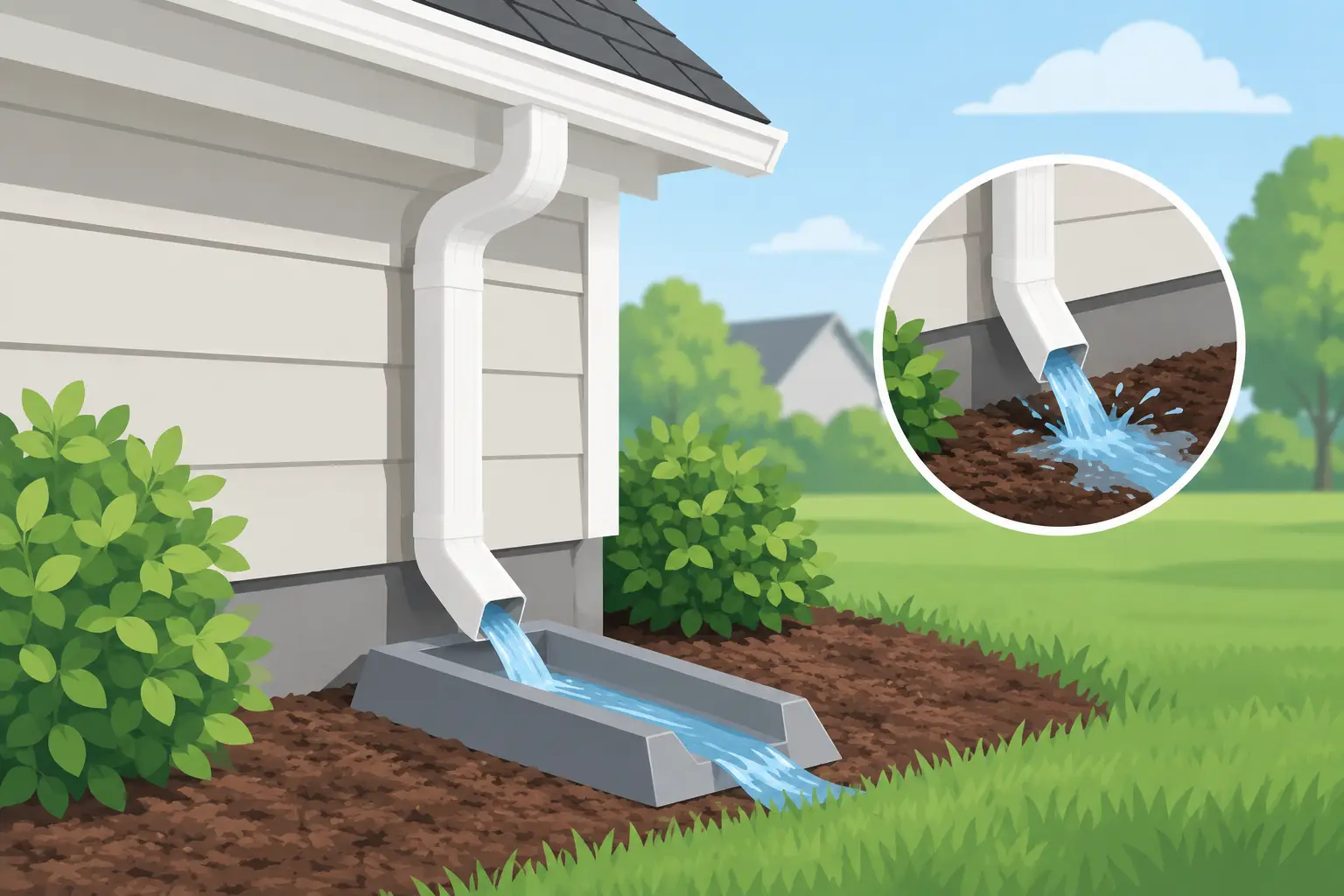
This is especially true in areas with heavy rainfall, leaf buildup, and seasonal weather swings. A properly sized downspout layout, strong hanger support, and clean water exit path matter just as much as the gutter metal itself. If your home has valleys, long roof runs, or trouble spots where water already overshoots or pools, those design details need attention from the start.
Gutter protection matters too. A clogged premium gutter will still overflow. A well-installed guard system can help preserve the performance of the material you choose by keeping water moving and reducing strain from trapped debris. For homes surrounded by trees, that can be one of the smartest upgrades in the whole project.
How to choose the right material for your home
If budget is your biggest concern, aluminum is usually the practical answer. It delivers solid performance, looks clean, and fits most residential needs without overcomplicating the decision.
If impact resistance matters most, steel deserves a look, especially if your property sees more abuse from weather or debris. Just go into it understanding the maintenance side.
If you are investing in a high-end exterior or preserving a distinctive home style, copper or zinc may be worth the added cost. In those cases, the decision is often about longevity and visual fit as much as drainage.
And if you are not sure, that is normal. A good estimate process should make the choice clearer, not more confusing. You should be able to ask what gauge is being used, how the gutters will be fastened, whether guards are recommended, and what the full scope includes without worrying about vague answers or surprise charges later.
At Seamless Gutter Solutions LLC, that is exactly how we believe the process should work – clear recommendations, detailed quotes, and no hidden fees. Homeowners should know what they are getting and why it fits their house.
The right gutter material is the one that protects your home well, fits your budget honestly, and holds up under local conditions without becoming a constant maintenance issue. If you are weighing your options, start with the material that matches your real priorities, not just the lowest number on a quote.