
A gutter guard can keep you off a ladder far less often, but it cannot make your gutter system maintenance-free. So, can gutter guards clog? Yes. Leaves, roof grit, pine needles, seed pods, and ice can still collect on or around a guard. The difference is where the debris collects and how easily water can continue moving through the system.
For homeowners in Eastern Indiana and Western Ohio, that distinction matters. Heavy spring rain, summer storms, falling leaves, and winter freeze-thaw cycles put gutters through a lot. A well-designed guard can greatly reduce cleaning and help protect your foundation, siding, landscaping, and roofline. A poor-fitting guard or neglected system can still overflow when you need it most.
Can Gutter Guards Clog?
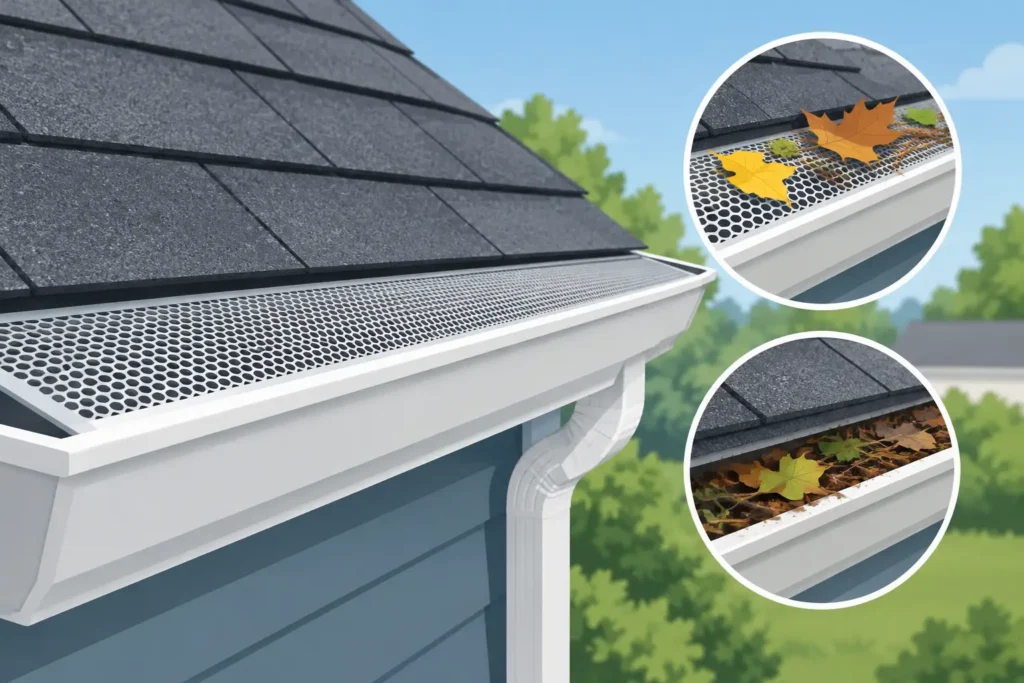
Yes, gutter guards can clog, but a clog does not always look like a gutter packed full of wet leaves. With an open gutter, debris often settles inside the trough and blocks the outlet or downspout. With a gutter guard, debris may sit on top of the guard, collect at the front edge, or build up where the gutter meets the roof.
Fine material is usually the biggest challenge. Maple seeds, shingle grit, pine needles, roof moss, and small leaf pieces can gather over time. If water cannot pass through the guard quickly enough, it may run over the front of the gutter. That overflow can stain siding, wash out mulch, soak the soil near your foundation, and create slippery areas near walkways.
The good news is that a quality guard is designed to reduce the amount of debris that gets into the gutter itself. Instead of a full gutter cleanout several times a year, many homes only need occasional surface debris removal and a professional inspection. That is a meaningful reduction in maintenance, not a promise of zero maintenance forever.
Why Gutter Guards Clog or Overflow
The guard itself is only one part of the drainage system. Its performance depends on the roof, the pitch of the gutters, the downspouts, nearby trees, and the quality of installation.
Debris on top of the guard
Large leaves often blow away or dry out and fall off naturally. However, wet leaves can mat together after a storm, especially in shaded areas or valleys where the roof directs a concentrated flow of water. Pine needles and seed pods are more likely to catch on certain guard styles than broad leaves.
Fine debris gets through the openings
No guard blocks every particle. Small organic material and asphalt shingle grit can enter even a tightly designed system. Over several years, this material can settle in the gutter bottom or collect near the downspout opening. If the downspout becomes restricted, water may back up and spill over.
Improper installation affects water flow
A guard has to work with the roof edge and the gutter’s existing slope. If it sits at the wrong angle, has gaps, or is installed over a damaged gutter, water can overshoot the system during a hard rain. That is not always a guard clog. Sometimes it is an installation or drainage design problem that needs to be corrected.
Existing gutter and downspout issues
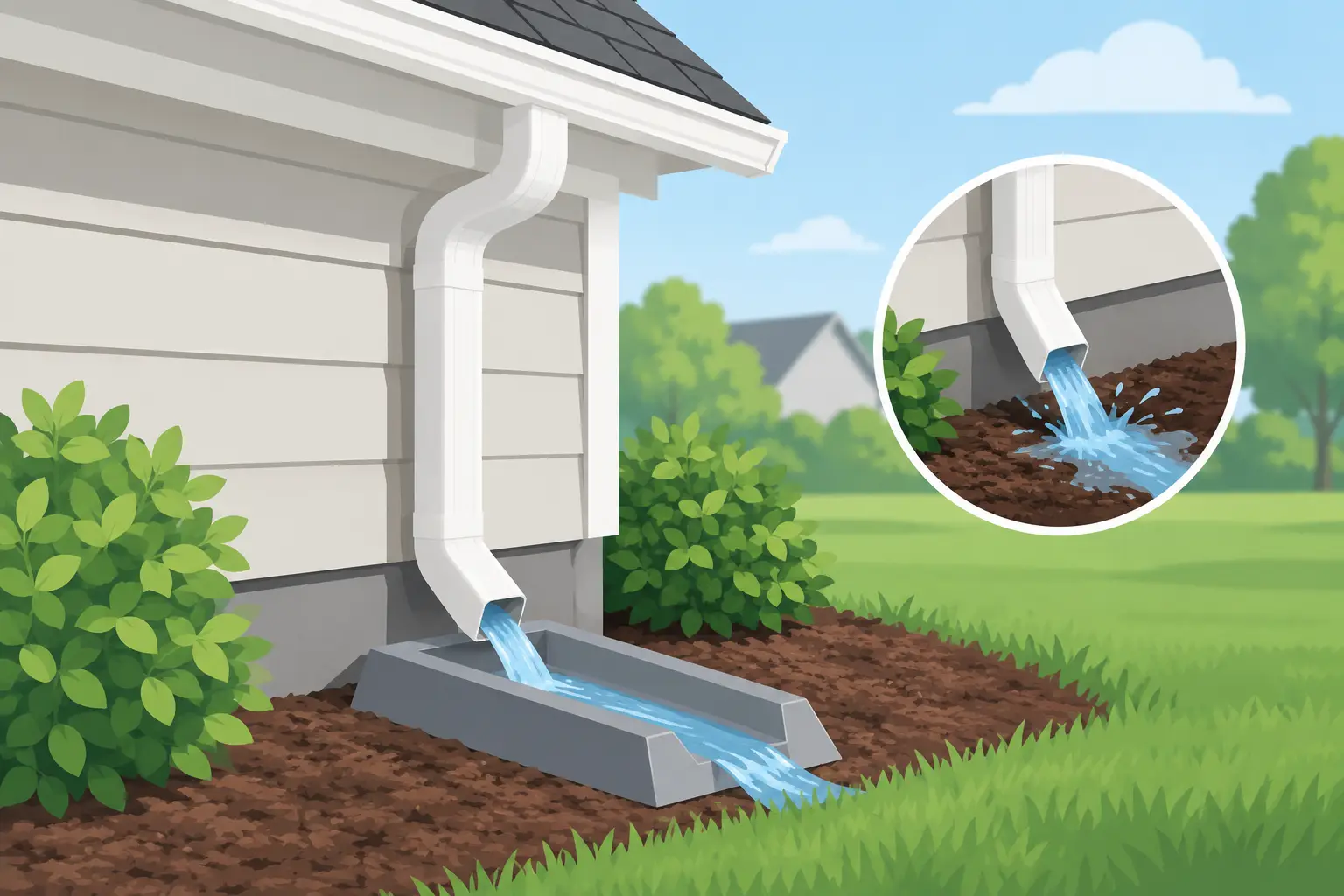
Sagging sections, loose hangers, undersized downspouts, and poor drainage away from the home can make a guard system seem ineffective. Water has to enter the gutter, travel through it, exit the downspout, and discharge safely away from the foundation. A guard cannot compensate for problems in the rest of that path.
Not All Gutter Guards Handle Debris the Same Way
Homeowners often hear “gutter guards” as if every product works the same way. They do not. Screen guards, foam inserts, brush-style guards, reverse-curve covers, micro-mesh systems, and continuous-hanger guards each manage water and debris differently.
Foam and brush inserts are often inexpensive at the start, but they can hold debris and moisture within the gutter. They may need frequent removal and cleaning. Basic screens can keep out larger leaves, yet smaller material may pass through or rest on top. Fine mesh can filter smaller debris well, although the mesh surface still needs to shed material and handle heavy rain correctly.
A continuous-hanger guard system can offer another advantage: it helps secure the gutter while protecting the opening. Seamless Gutter Solutions installs Double Pro by Alurex, a premium continuous-hanger leaf protection system designed to keep debris out while supporting reliable water flow. The right choice still depends on your roof design, tree coverage, and the condition of your current gutters.
Signs Your Guards Need Attention
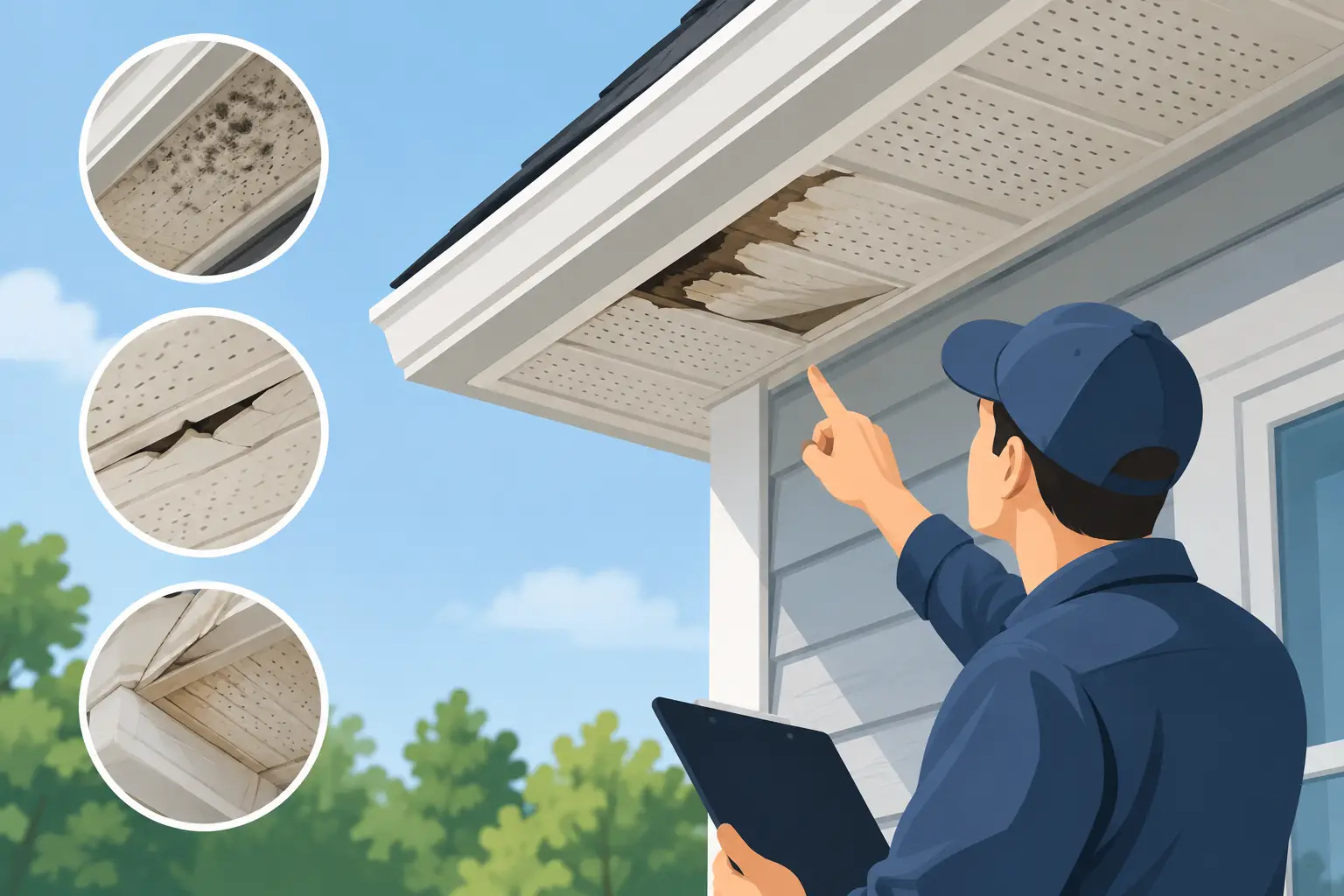
You do not need to wait for obvious damage to find out a guard is struggling. Watch your gutters during a steady rain from the ground. Water pouring over the front edge, dripping behind the gutter, or spilling at one section is a sign that something needs inspection.
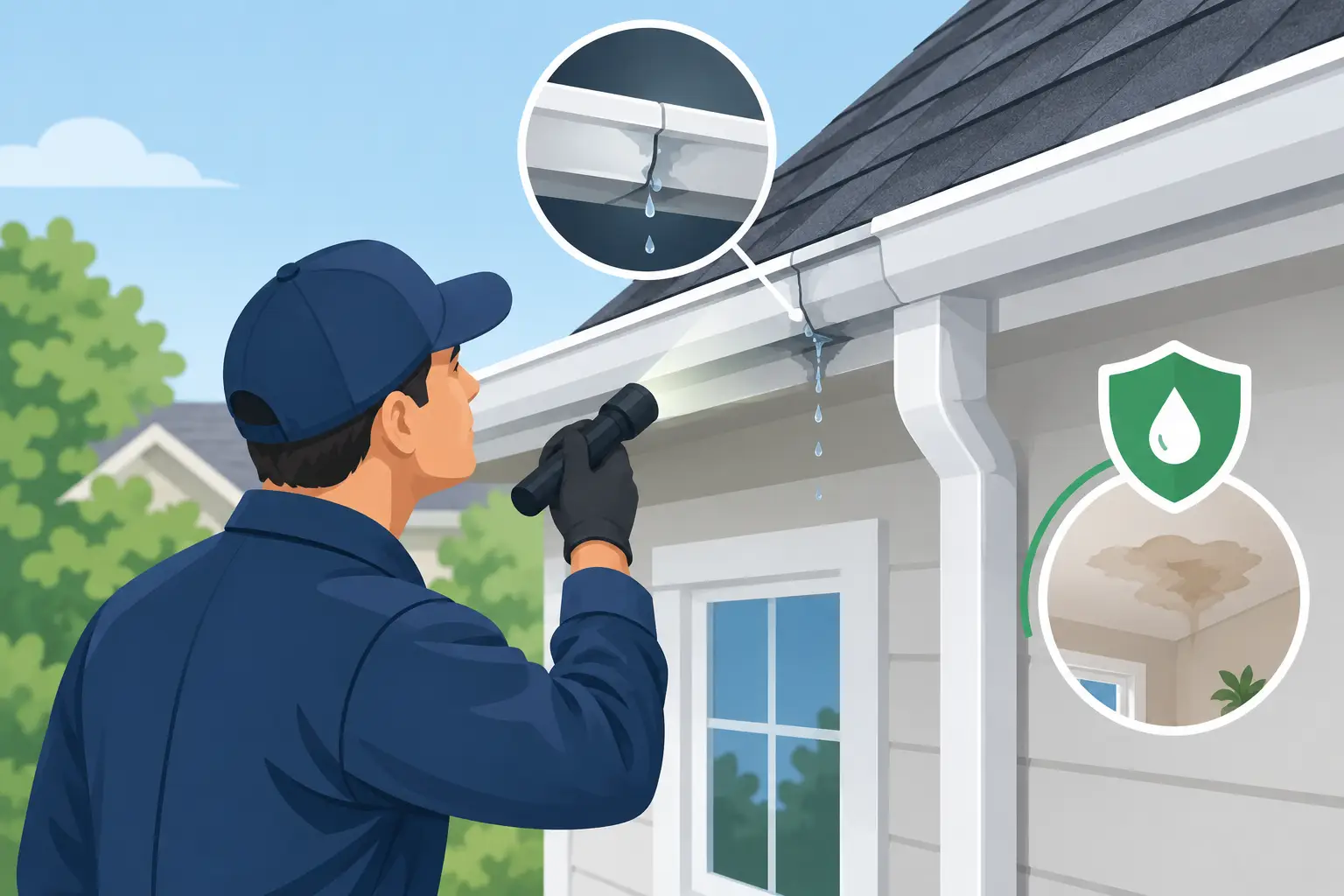
Other warning signs include streaks on siding, mulch displaced below the roofline, standing water near the foundation, or gutters that appear to sag. You may also notice water leaking from seams or a downspout that barely flows during rain. These problems can be caused by a surface buildup, a clogged outlet, loose fasteners, or a gutter that no longer has the correct pitch.
If the issue appears only during the heaviest storms, your system may need a drainage-capacity review rather than a simple cleaning. Large roof areas and steep roof slopes move water quickly. In some cases, additional or larger downspouts provide a better answer than changing the guard alone.
How to Reduce Gutter Guard Clogs
The best approach is prevention combined with periodic checks. Start with a properly sized, securely installed gutter system. Gutters should be pitched toward clear downspouts, fastened tightly to the home, and positioned to capture runoff from the roof edge.
Keep nearby trees trimmed back when practical. This will not eliminate debris, but it can reduce leaf piles, branches rubbing against the roof, and seed buildup in valleys. It also makes it easier for sunlight and wind to dry debris so it can move off the guard surface.
A professional check after the main fall leaf drop is a smart habit, especially for homes surrounded by mature trees. A second inspection in spring can catch winter damage, shingle grit, and debris left after storms. Homes with few trees may need less attention, while properties under pines, maples, or heavily wooded lots may need more.
Avoid trying to force debris through a guard with a high-pressure washer. That can drive material into the gutter, damage guard components, loosen fasteners, or force water behind the siding. It is also risky work from a ladder. A trained gutter professional can identify whether debris needs to be removed from the surface, the trough, or the downspout.
When a Gutter Guard Is Worth It
Gutter guards are often worthwhile when you are tired of repeated cleanings, have mature trees near the home, or want to reduce the safety risk of ladder work. They can also help keep downspouts clearer between service visits and make seasonal maintenance more manageable.
They may be less helpful if the underlying gutter system is damaged or poorly sized. Installing a guard over loose, leaking, or sagging gutters only covers up the real issue. In that situation, repairs or replacement should come first. An honest inspection should identify those needs clearly, rather than treating a guard as a one-size-fits-all fix.
A guard system also should not be sold as a substitute for checking your drainage. Every home has different rooflines, tree cover, and water-flow demands. The goal is dependable drainage with less maintenance, not a product promise that ignores the conditions around your property.
A Better Way to Think About Gutter Protection
The question is not simply whether gutter guards can clog. They can. The better question is whether your gutter protection system reduces debris enough, handles the rain your roof sheds, and allows problems to be found before they turn into water damage.
If you see overflow, staining, or standing water around your home, a free inspection can give you a clear answer about what is happening. A detailed, itemized recommendation helps you decide whether cleaning, repair, new seamless gutters, or leaf protection is the right next step – without hidden fees or guesswork.