
Pine needles do not clog gutters the same way maple leaves do. They behave more like roofing shingles’ worst confetti – they slide, they mat together, they sneak through openings that look “small enough,” and they love to hang up on hidden gutter brackets where you cannot see the blockage until water is already spilling over.
If you live around Richmond, Muncie, Connersville, New Castle, Greenville, Oxford, or Dayton, you already know the setup: tall pines at the property line, wind that pushes needles onto one roof plane, and heavy spring and summer storms that punish any weak spot in your drainage.
What “best” really means for pine needles
The best gutter guard for pine needles is the one that keeps needles out without creating a new problem – like trapping roof grit, slowing water entry during downpours, or being so fussy to maintain that you end up back on a ladder every month.
Pine needle performance comes down to three factors: opening size, surface behavior, and support underneath. If openings are large, needles get in. If the surface is “sticky” or has lots of edges, needles hang up and build a mat. If the guard flexes, gaps form and debris finds its way into the gutter anyway.
You are not just buying a cover. You are choosing how water and debris will interact during real storms, not brochure conditions.
The main gutter guard styles – and how they handle pine needles
Screen and mesh guards: the most common, the most misunderstood
Basic screens (the kind with larger holes) are usually a poor match for pine needles. Needles can bridge across openings, get pushed through by wind, and then tangle around hangers and seams inside the gutter. Even when they do not fall in, they often collect on top and start forming a damp layer that slows drainage.
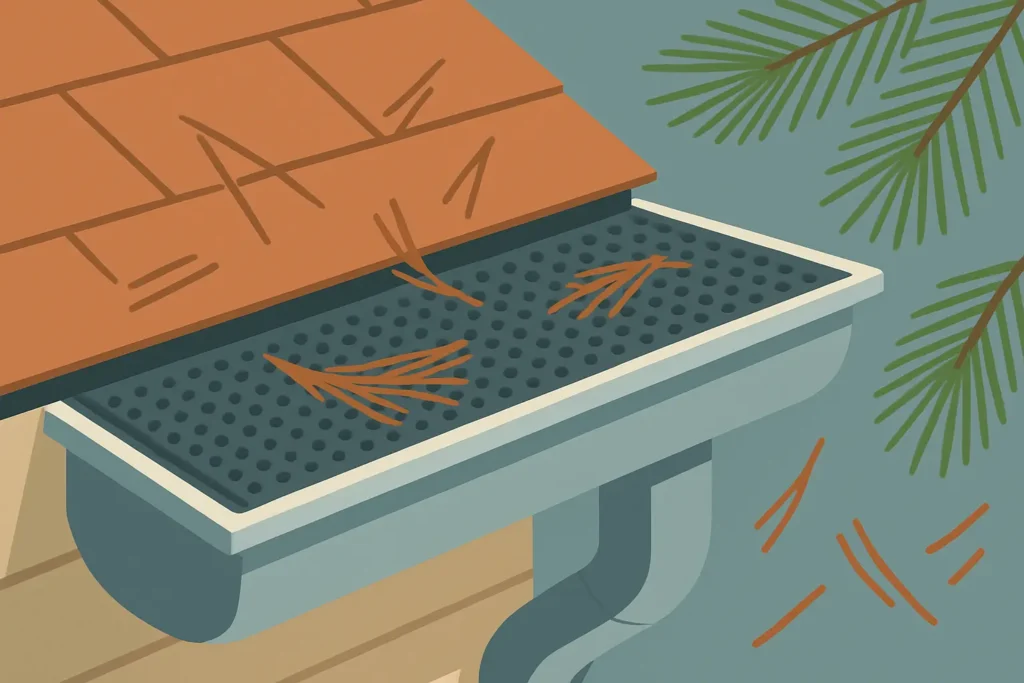
Fine micro-mesh is a different story. High-quality stainless micro-mesh can block needles effectively because the openings are small enough that needles stay on top. The trade-off is that micro-mesh also catches more shingle grit and pollen. Over time, that layer can reduce how quickly water gets through, especially in a hard Indiana or Ohio downpour.
Micro-mesh can be an excellent option if it is rigidly supported, properly pitched, and installed so there are no edge gaps. If it is thin, wavy, or loosely attached, it tends to separate at corners and end caps – exactly where pine needles like to collect.
Reverse-curve and “helmet” styles: good marketing, mixed real-world results
Reverse-curve guards use surface tension to pull water around a curved nose while debris sheds off the front. In light to moderate rain, they can work well.
Pine needles complicate this. Needles can ride the curve and wedge at the nose, and the small front slot that water enters through can clog with short needles, seed pods, or roof grit. When that slot clogs, water does not politely wait – it spills.
These systems can also be more sensitive to roof pitch and water volume. If you get heavy runoff from a steep roof plane, the water can overshoot the entry slot. That is not a “bad product” problem as much as a “depends on your roof and storm intensity” reality.
Foam inserts and brush guards: quick fixes that usually turn into maintenance
Foam and brush inserts are often sold as easy DIY solutions. For pine needles, they tend to become filters that trap debris. Needles lodge inside the foam or brush, hold moisture, and create a perfect environment for sediment buildup. Instead of cleaning a gutter, you end up cleaning a long sponge.
If your goal is fewer cleanings and less ladder time, these are rarely the best long-term answer.
Surface-tension micro-mesh hybrids with continuous support: where pine needle performance improves
Pine needles exploit weak support. If a guard bows, lifts, or creates a small gap at the back edge, needles find it.
Systems that combine a rigid cover, fine filtration, and continuous hanger support tend to perform better because they are engineered as part of the gutter system, not a thin add-on. The “continuous support” detail matters more than most homeowners realize. It strengthens the gutter line, reduces sag points, and helps keep the guard seated tightly so you do not get those sneaky entry gaps at fasteners or between brackets.
What to look for in the best gutter guard for pine needles
1) Openings small enough to stop needles, not just leaves
If you can easily see daylight through the holes, assume needles can eventually get through. Pine needles are thin, stiff, and persistent. For needle-heavy properties, fine mesh or a system designed specifically for small debris is usually the safer bet.
2) A surface that sheds, not one that “grabs”
A guard can technically block needles and still fail if needles collect on top and form a mat. Look for designs that encourage debris to slide off with wind and rain rather than hang up on sharp edges.
3) Strong support under the guard
This is where many installations fall short. A premium guard installed on a weak or sagging gutter line will still underperform.
Continuous hanger systems are designed to reinforce the entire run. That matters in our region because freeze-thaw cycles, heavy rain, and occasional ice loads can stress gutters and loosen fasteners over time.
4) Reliable performance in heavy rain
Pine needle protection is pointless if the guard cannot handle a Midwest downpour.
The best setups balance filtration with flow. That can mean a micro-mesh system with enough surface area and pitch to accept high volumes of water without backing up.
5) Reasonable maintenance expectations
No guard makes gutters “maintenance-free.” The honest goal is fewer cleanings and less risk.
With pine needles, even great guards may need an occasional light brushing or rinse to remove the layer of fine debris that collects on top. The difference is whether that maintenance is once or twice a year from the ground with a hose attachment, or multiple risky ladder trips.
When the “best” choice depends on your home
Two houses on the same street can need different solutions.
If you have tall pines over one section of roof, you might prioritize the guard’s ability to stop needles and shed them. If your roof drops a lot of grit (newer shingles often shed more at first), a system that clogs with sediment may frustrate you even if it blocks needles perfectly.
Roof pitch and gutter size matter too. A steep roof dumps water fast. A smaller gutter has less room for error. Valley areas where two roof planes meet concentrate runoff and debris – those are the stress points where lower-grade guards fail first.
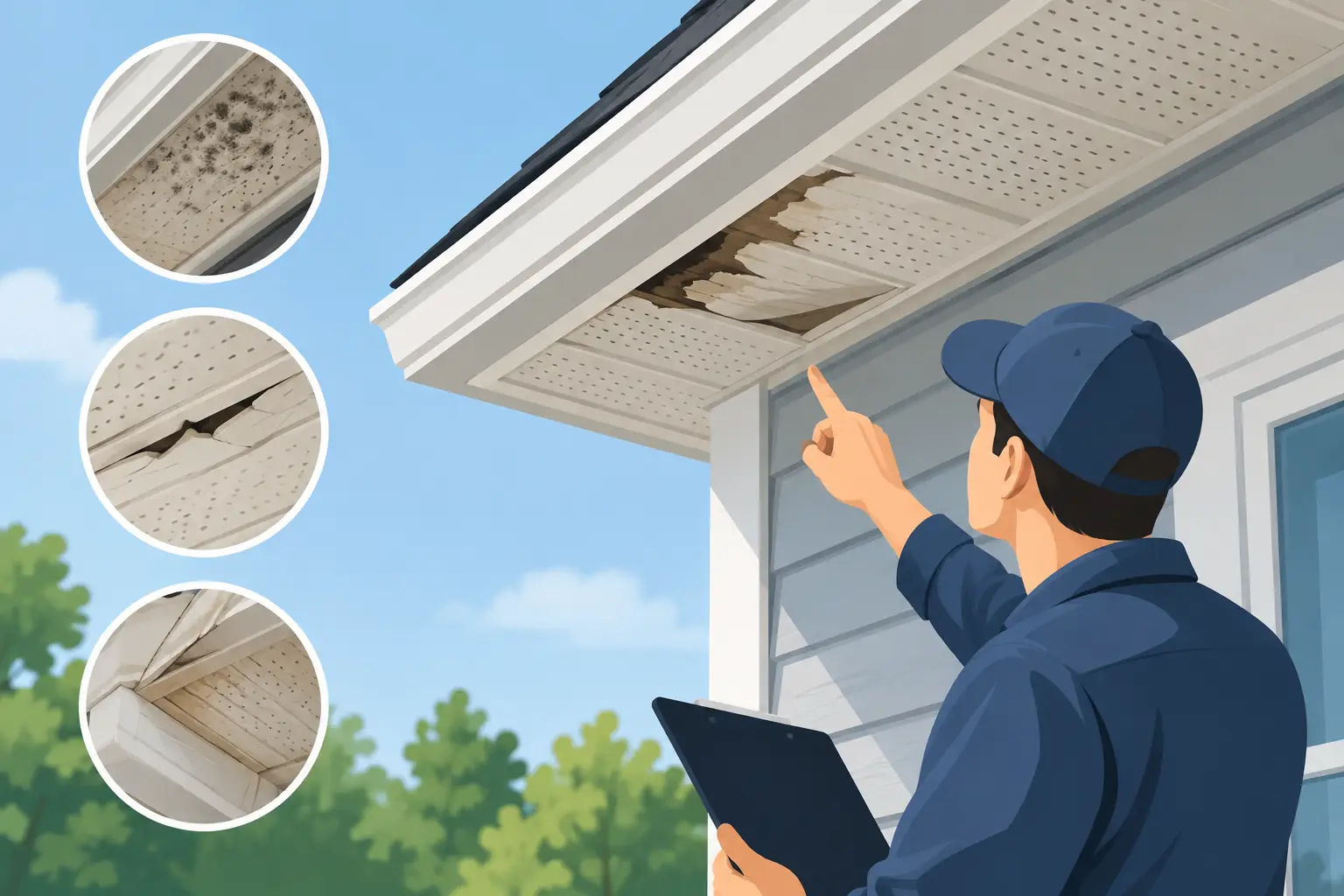
This is why a real inspection beats guessing. You want someone to look at the roofline, the tree coverage, the fascia condition, and how the downspouts are placed – then recommend a system that fits your actual drainage load.
A premium option built for needle-heavy conditions
For homeowners who want a durability-forward solution, a continuous-hanger guard system like Double Pro by Alurex is designed to combine rigid support with fine filtration and high water intake. The continuous hanger reinforces the gutter run while the guard surface blocks small debris like pine needles.
Just as important, it is installed as a complete system, not pieced together. That installation quality – tight edges, solid corners, correct pitch, and secure fastening – is often the difference between “works great for years” and “mystery overflow every time it storms.”
If you want a local team to look at your specific roof and tree coverage, Seamless Gutter Solutions LLC offers free inspections and detailed, itemized estimates with no hidden fees. You can start here: https://sgsrichmond.com.
Don’t ignore the rest of the gutter system
Pine needle problems get worse when gutters are undersized, poorly sloped, or already compromised.
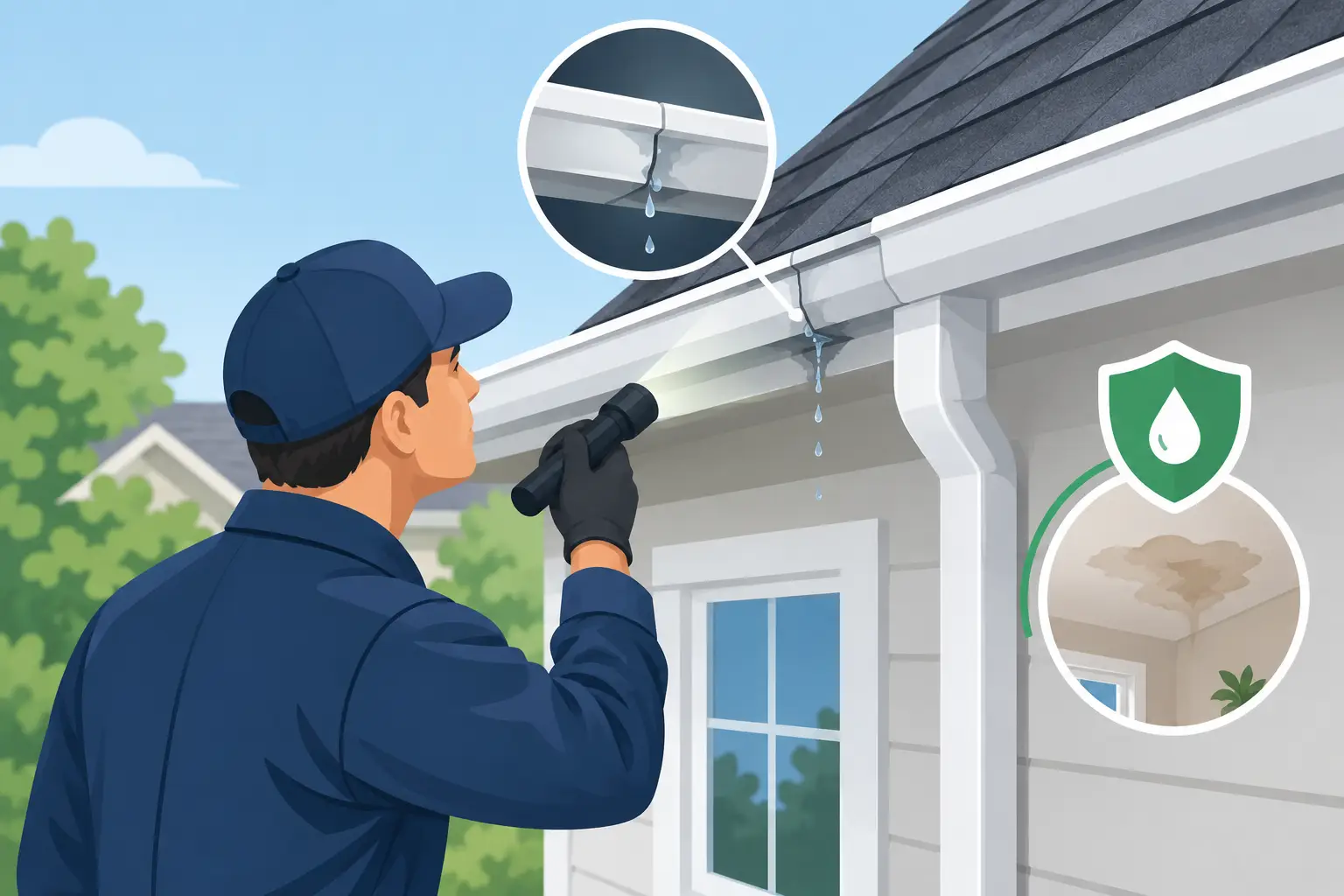
If your gutters overflow even when they are clean, a guard will not fix the root issue. You may need better pitch, additional downspouts, repairs at seams or end caps, or replacement with properly sized seamless gutters.
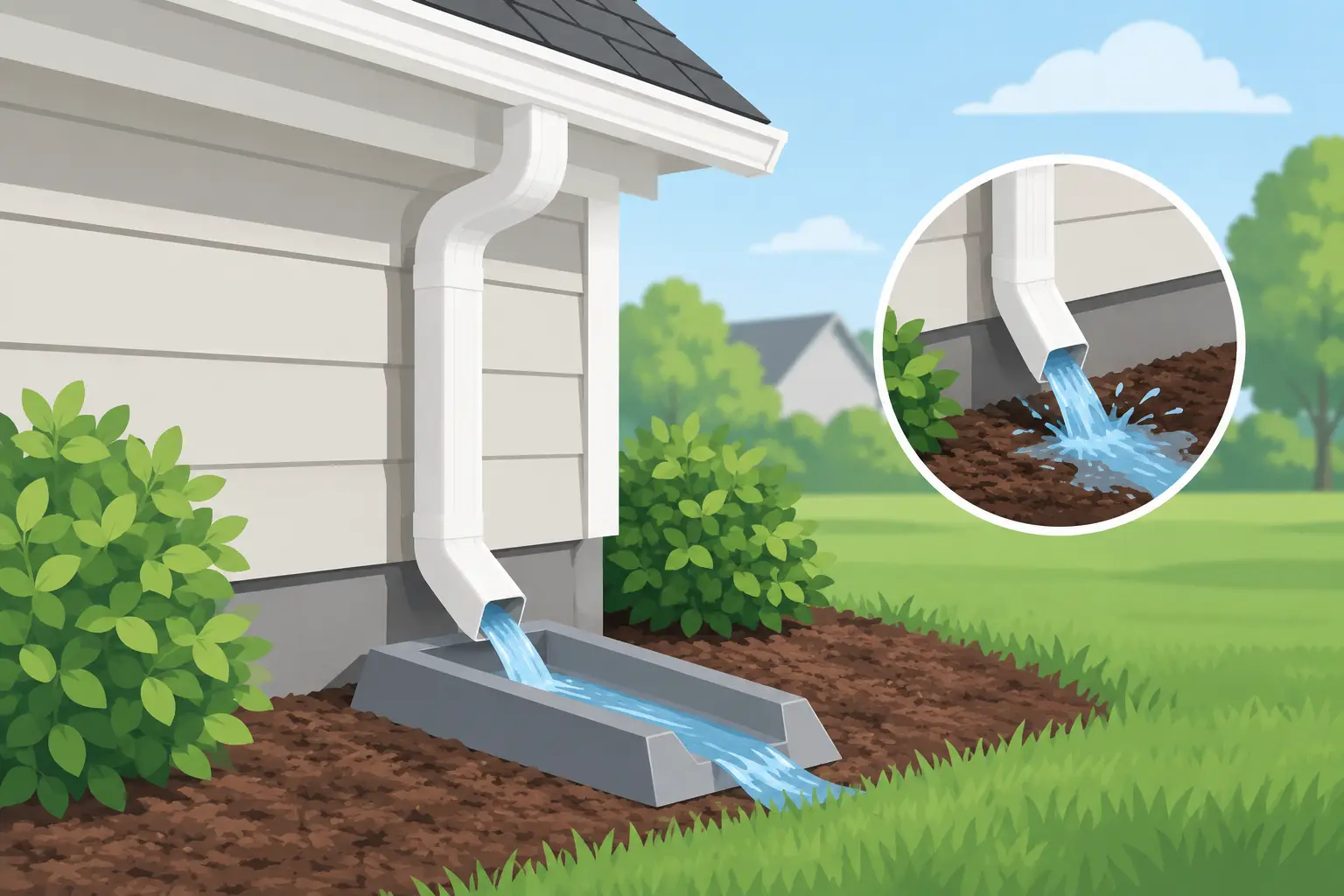
Also pay attention to where the water is going. Extensions, splash blocks, and proper discharge away from the foundation matter. A guard that keeps needles out is only part of protecting siding, landscaping, and basements from repeated runoff.
A realistic expectation that keeps you out of trouble
Homeowners get frustrated when they buy a “top-rated” guard and still see debris. With pines, you will still see needles on the roof, on the guard, and in the valleys. That is normal.
What you should not see is water pouring over the front edge during normal rain, staining on fascia from constant overflow, or a downspout that stops flowing because the gutter is packed with needle mats. Those are signs the system is either the wrong style for pine needles or it was installed without the support and sealing details that matter.
The best gutter guard for pine needles is not the one with the loudest claims. It is the one that matches your roof’s water volume, blocks needles without becoming a sediment trap, and stays tightly supported year after year so gaps never become “entry points.”
If you choose with that standard, you are not just buying a product – you are buying fewer ladder trips, fewer surprises in heavy rain, and a home that stays protected when the weather does what it always does around here.