

You usually start thinking about gutters when something goes wrong – a wet basement corner after a heavy rain, mulch washed into the driveway, or paint peeling where water keeps hitting the siding. At that point, the question gets practical fast: how much will it cost to fix it the right way, and will you get hit with extras after the fact?
How much do seamless gutters cost?
For most homeowners in Eastern Indiana and Western Ohio, seamless gutter installation typically lands in a range that depends mainly on three things: the total linear footage of gutter, the material you choose, and the complexity of your roofline.
As a real-world starting point, many standard single-family homes end up in the $1,200 to $3,500 range for new seamless gutters installed. Smaller homes with simple rooflines can come in below that, and larger homes with multiple stories, lots of corners, or premium material can run higher.
Contractors commonly price gutters by the linear foot. While pricing varies by market and season, a typical ballpark for installed seamless aluminum gutters is often $8 to $15 per linear foot. Premium materials (like copper) can be multiple times that. The most honest answer is “it depends,” but not in a hand-wavy way – it depends on measurable items you can see and verify on a line-item quote.
What you’re really paying for (and why estimates vary)
Seamless gutters aren’t a “one number” product. Two houses can look similar from the street and still price out differently once someone actually measures and inspects.
Linear footage and layout
The biggest driver is simply how many feet of gutter your home needs. A basic rectangular footprint with long, straight runs is cheaper per foot than a home with lots of short sections, bump-outs, and inside/outside corners. Corners, end caps, miters, and tie-ins take more time and more pieces.
Downspouts matter too. More roof sections usually means more downspouts to move water away from the foundation. Each downspout run needs outlets, elbows, straps, and a clean discharge plan.
Number of stories and access
A one-story ranch is faster and safer to work on than a tall two-story (or a home with steep pitches, dormers, or hard-to-reach back sections). Extra height and difficult access can increase labor time and the equipment needed to do it safely.
Material choice
Most homeowners choose aluminum because it hits the sweet spot: durable, rust-resistant, and cost-effective. Steel is tougher but can be more expensive and can still rust if coatings are compromised. Copper is the premium option – beautiful and long-lasting, but priced accordingly.
Material isn’t just about looks. If your home gets hammered by heavy winds, falling branches, or ice, you may benefit from a heavier-gauge aluminum system and strong hangers.
Gutter size and capacity
A lot of homes are fine with 5-inch gutters, but certain roof shapes or heavy runoff areas do better with 6-inch gutters and larger downspouts. Larger systems use more material and can cost more, but the trade-off can be fewer overflows during the storms that actually cause damage.
Removal and disposal of old gutters
If you’re replacing old gutters, you’re paying for careful removal, haul-off, and disposal. It’s not always expensive, but it should be clearly stated. If a quote feels low, check whether removal is included.
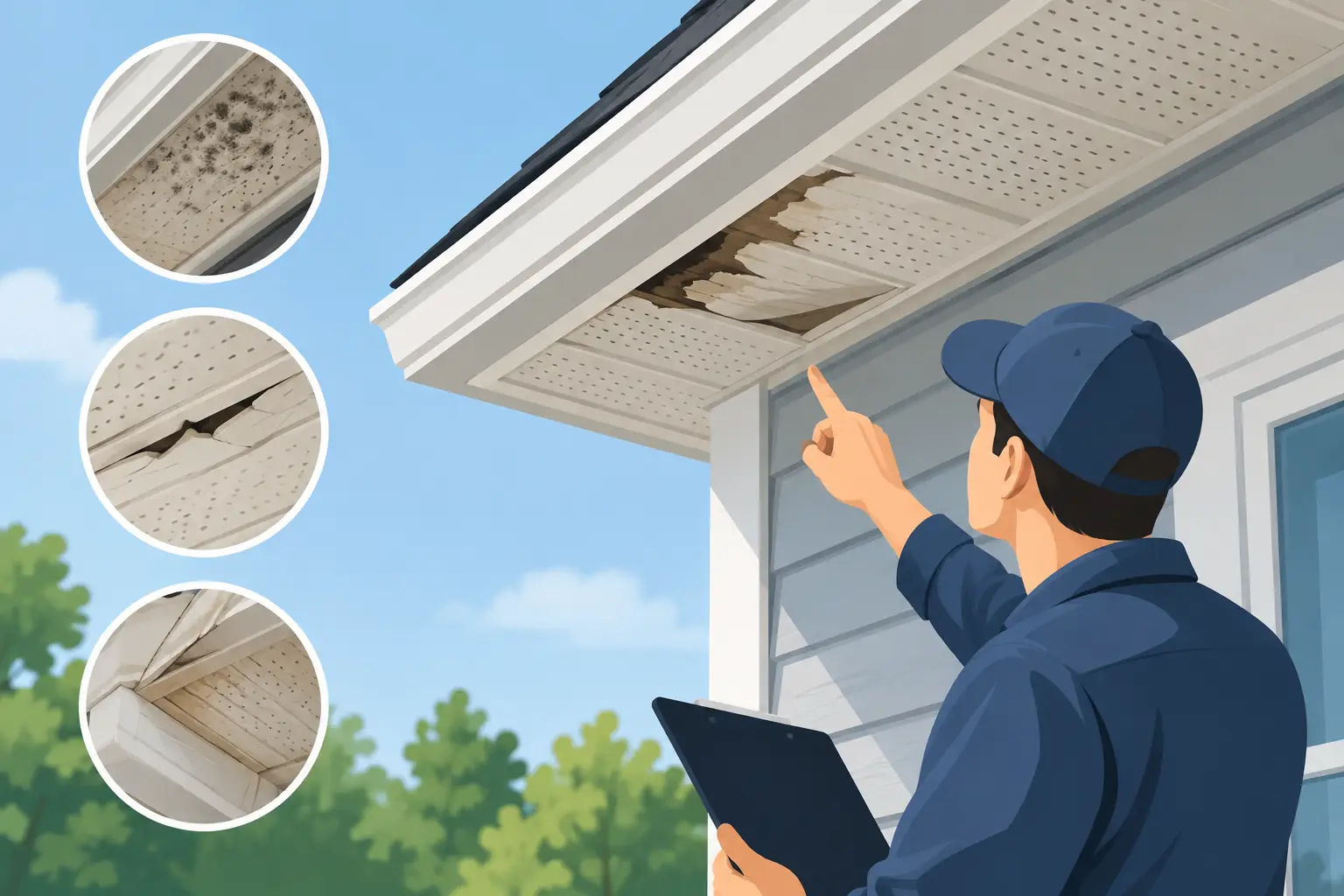
Fascia and soffit condition
New gutters need solid mounting surfaces. If fascia boards are rotted, bowed, or separating, that repair has to happen first or the new system won’t hold the correct pitch. Some homes need minor carpentry; others need more extensive replacement. This is one of the most common “surprise” costs when contractors skip a real inspection.
Color matching and finishes
Most seamless aluminum gutters can be color-matched to your trim. Specialty colors or unusual finish requirements can add cost, but it’s usually a small part of the total compared to footage and labor.
Add-ons that change the total (sometimes for the better)
A good gutter system isn’t just the trough. It’s the full water-management plan – how water gets collected, how it moves through downspouts, and where it ends up.
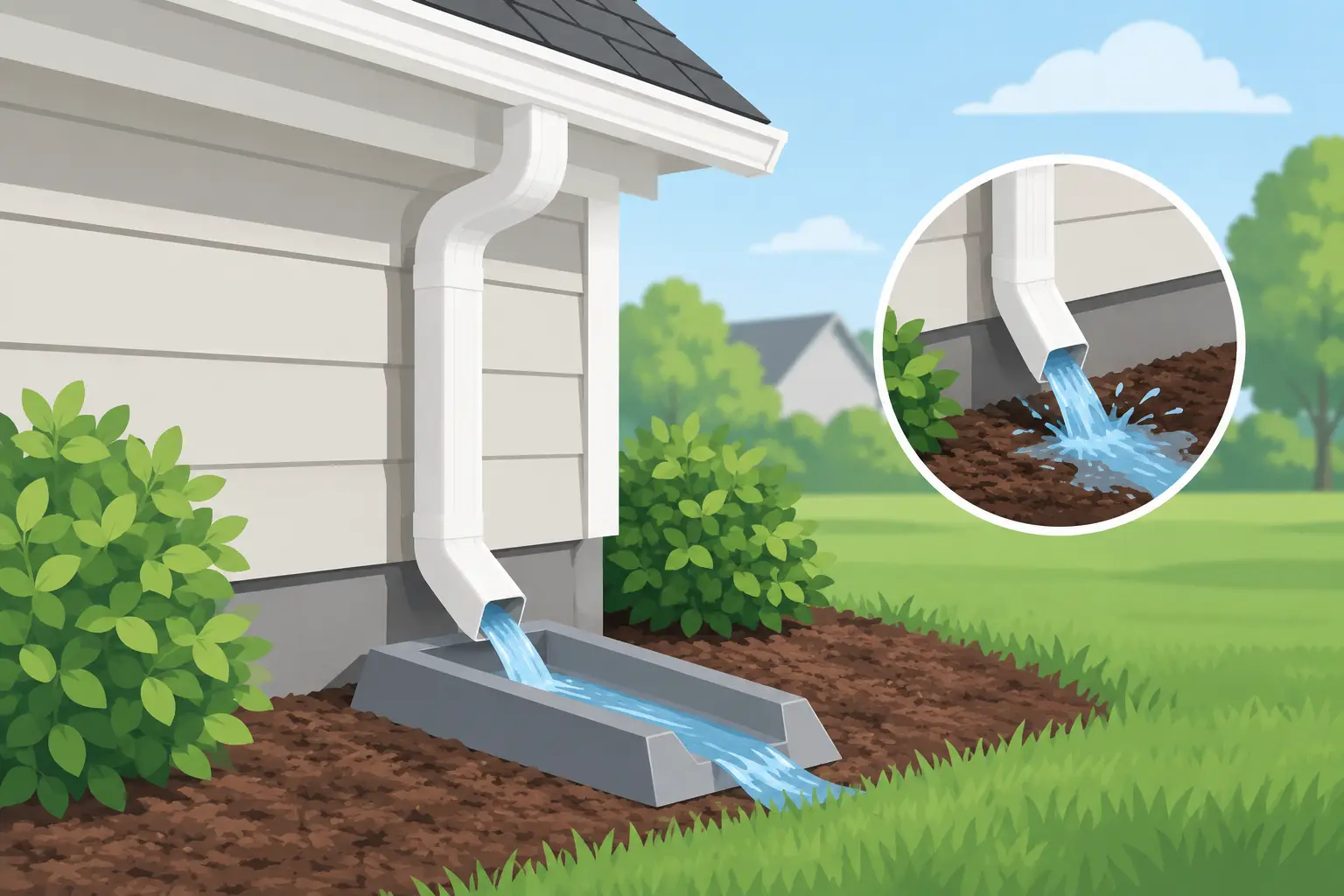
Downspout extensions and drainage improvements
If downspouts dump water right next to the foundation, you may be paying now (or later) through basement seepage, cracked concrete, or eroded landscaping. Extensions, splash blocks, or more thoughtful discharge routing can be inexpensive compared to the damage they prevent.
Leaf protection systems
Gutter guards can change both the upfront cost and the long-term maintenance cycle. Cheap guards that pop in and clog can be a waste of money. A premium system costs more but can reduce cleanings and help prevent overflow caused by packed debris.
For homeowners who want a durability-focused option, systems like Double Pro by Alurex (a continuous-hanger gutter guard) combine support and protection in one design. The practical value is that you’re not just covering the gutter – you’re reinforcing it while keeping leaves and larger debris out.
The trade-off is simple: you’re paying more upfront to buy back time and reduce the chance of clogged gutters during the seasons when you’re busiest.
Why “cheap gutters” can get expensive
If you’re comparing estimates, it’s tempting to choose the lowest number and move on. But gutters are one of those home projects where shortcuts show up during the next hard rain.
A low price can mean thinner material, fewer hangers, sloppy pitch, under-sized downspouts, or skipped steps like sealing joints and properly fastening outlets. Any one of those can lead to overflow. Overflow is what damages fascia, stains siding, floods flower beds, and pushes water toward the foundation.
Another issue is the quote itself. Vague estimates are where surprise charges come from. If the contractor can’t clearly explain what’s included, you’re not comparing apples to apples.
What a transparent gutter quote should include
When you’re trying to answer “how much do seamless gutters cost,” the best tool is a detailed, itemized estimate. You should be able to see what you’re buying and why.
A homeowner-friendly quote typically spells out the gutter material, size, total footage, number of downspouts, the hanger type, removal/disposal (if applicable), and any repairs needed to install correctly. It should also clarify whether extras like additional elbows, extensions, or color matching are included.
If you’re in the Richmond-area service region and want a clear, no-pressure starting point, Seamless Gutter Solutions LLC offers free inspections and estimates with detailed line-item pricing and a no hidden fees approach – which is exactly what you want when you’re protecting your home from water damage.
Budgeting scenarios homeowners actually face
Most homeowners don’t start from scratch. You’re usually dealing with one of these situations:
You’re replacing old gutters that “mostly worked”
If your current gutters are undersized, constantly clogging, or pulling away from the fascia, replacement is often more cost-effective than patchwork repairs. Expect your cost to be driven by footage and access, plus removal/disposal. If fascia is soft or rotten in places, budget for repairs so the new system is anchored correctly.
You’re upgrading after repeated clogging or overflow
If the problem is debris, the real decision is whether to pay for ongoing cleanings or invest in a guard system that reduces them. The cheapest path this month may be cleaning, but if you’re cleaning multiple times a year or dealing with overflow damage, upgrades start to pencil out.
You’re trying to prevent basement or foundation issues
If water is pooling near the foundation, don’t treat gutters as a standalone purchase. The right downspout placement and discharge routing can matter as much as the gutters themselves. A quote that includes a plan for where the water goes is usually the quote that saves you money long-term.
How to keep your cost predictable
Homeowners don’t mind paying for quality. What they hate is not knowing what they’ll pay until the job is half done.
The best way to keep your gutter cost predictable is to insist on an inspection, measurements taken on-site, and a quote that separates base installation from any repair work. If fascia or soffit issues are visible, a contractor should show you the problem area and explain the options before you sign.
It also helps to be clear about what you want from the system. If you want fewer cleanings, say that up front. If you’re seeing overflow at one valley or one back corner, point it out. The more specific you are about the pain point, the more accurately the system can be designed – and the fewer “surprises” you’ll face later.
A quick reality check before you schedule
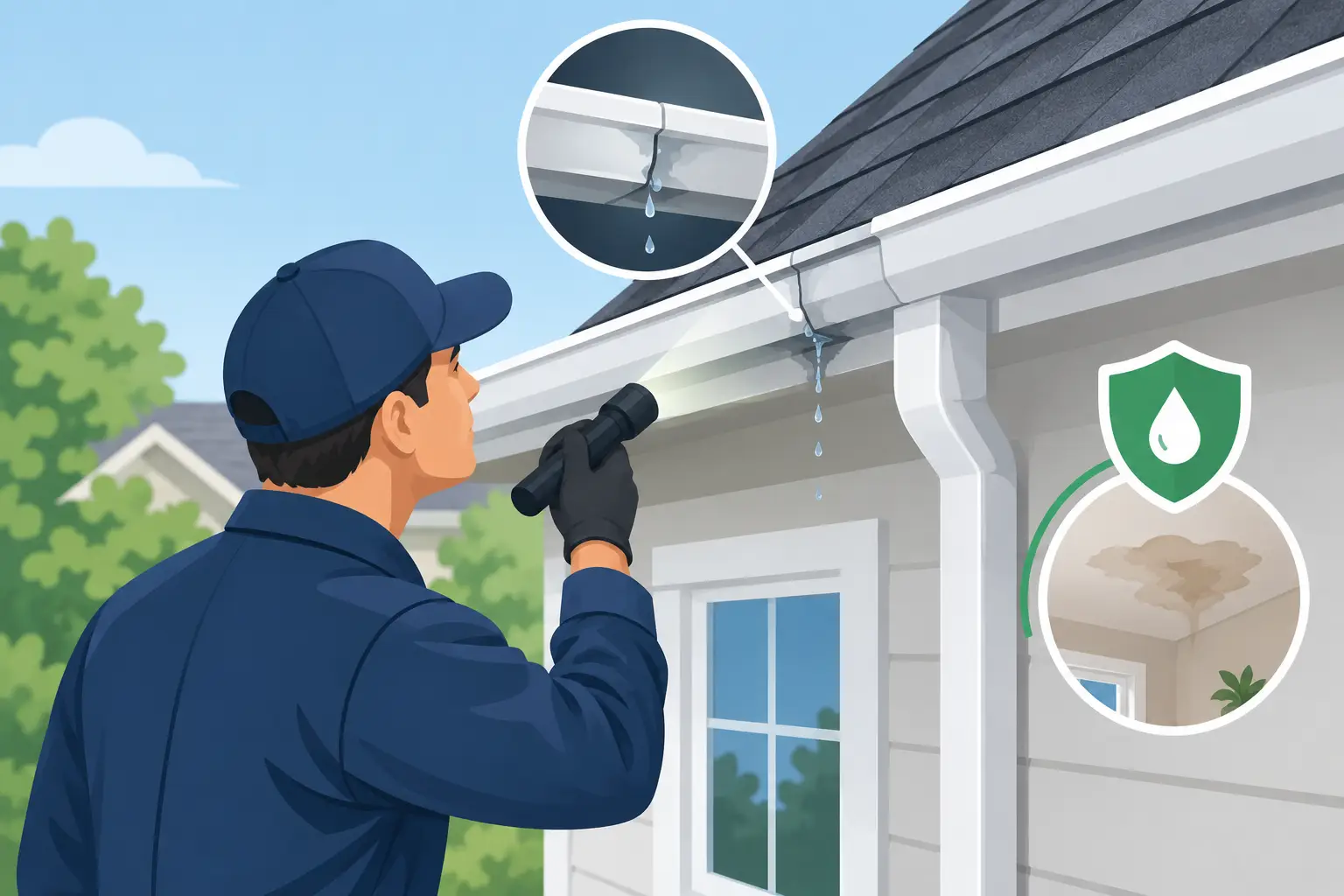
If your gutters overflow only during the hardest rains, you may not need a full replacement. You might need cleaning, a downspout adjustment, or a capacity upgrade in one area. On the other hand, if the gutters are sagging, leaking at multiple joints, or pulling loose, you’re usually past the point where small repairs stay small.
A helpful closing thought: when you’re pricing gutters, don’t focus only on the number – focus on whether the estimate tells the whole story of how water will move off your roof and away from your home, every time it rains.