
A lot of homeowners do not think much about their gutters until they see water where it should not be – washing out mulch, staining siding, dripping near the foundation, or pouring over the edge in a hard rain. That is usually the moment the value of before and after gutter replacement becomes obvious. The change is not just cosmetic. It affects how your home handles water every single time it rains.
If you have been looking at sagging sections, separated joints, or downspouts that never seem to keep up, replacement can feel like a bigger project than it really is. The good news is that when the work is done correctly, the difference is immediate and practical. You can see it, but more importantly, your home benefits from it where it matters most.
What homeowners usually see before gutter replacement
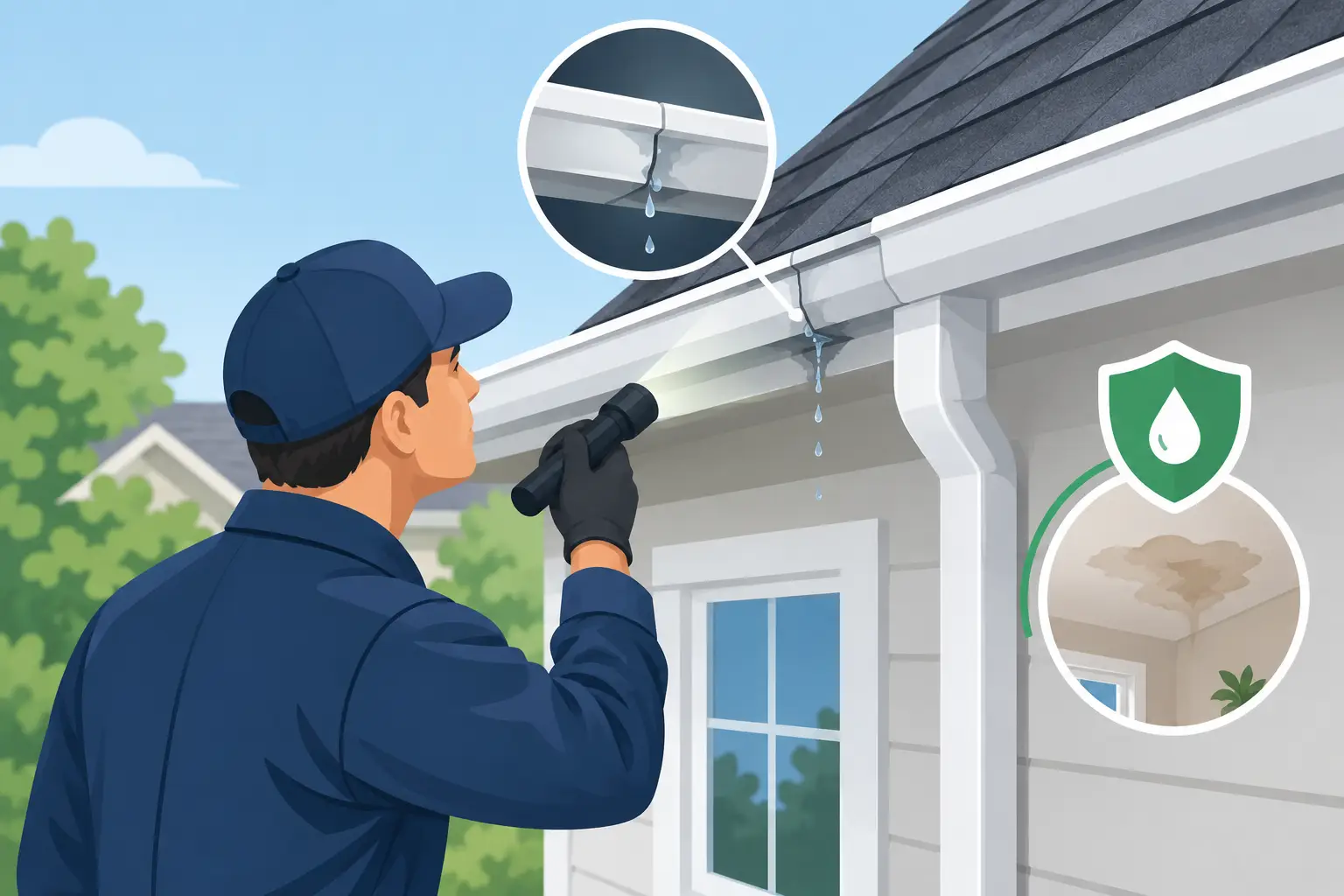
Before replacement, most failing gutter systems share the same warning signs. Water spills over front edges during storms. Gutters pull away from the fascia. Seams leak. Fasteners loosen over time. In colder months, standing water can freeze and add more stress to already weak sections.
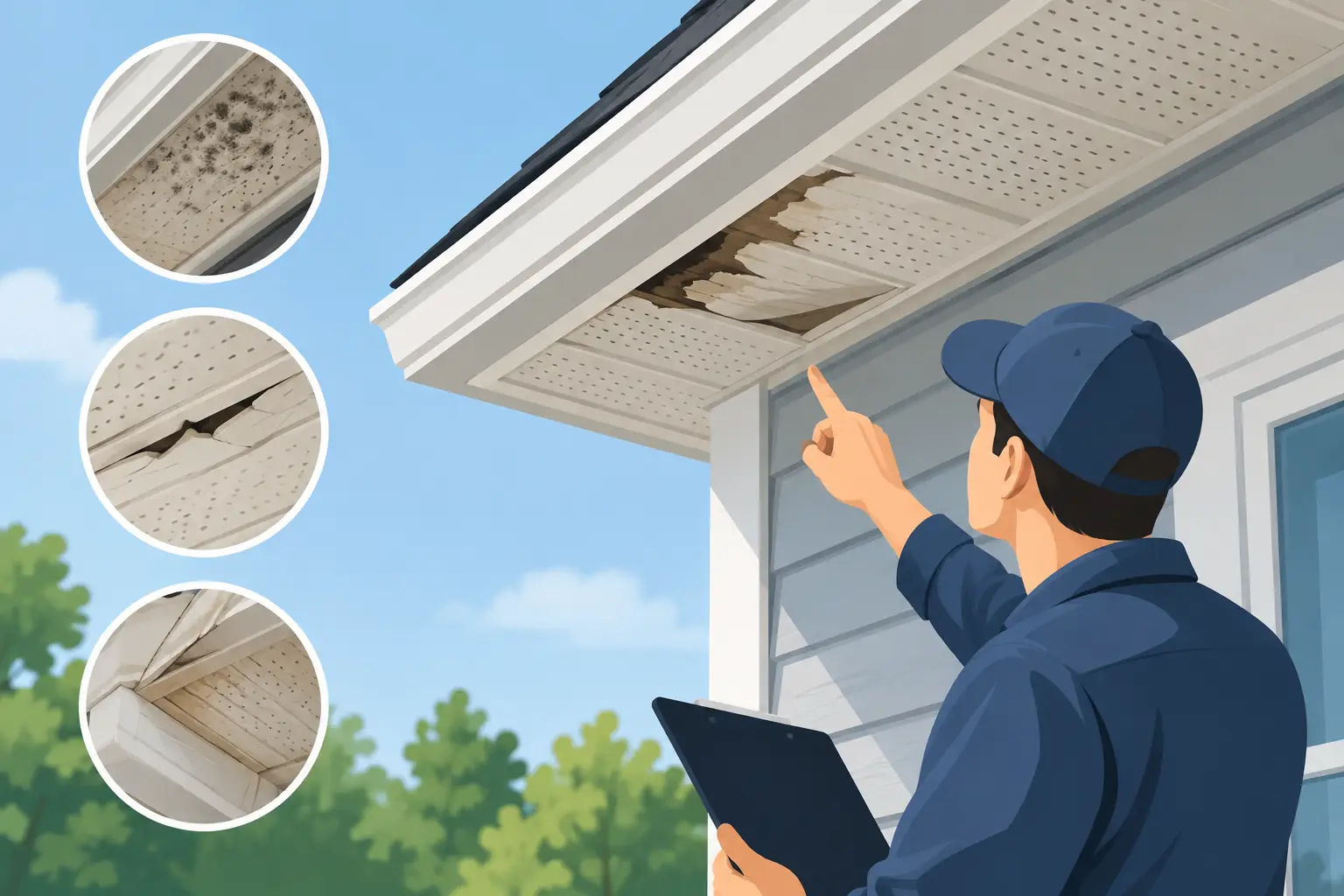
Older sectional gutters often develop problems slowly enough that homeowners get used to them. A little overflow here, a little staining there, and before long it starts to feel normal. But normal does not mean safe for the house. Repeated runoff in the wrong places can damage flower beds, erode soil, stain brick, rot trim, and contribute to moisture problems around the foundation.
There is also the maintenance side of it. If your gutters clog often, hold debris at the seams, or require frequent patching, you are spending time and money to keep an aging system going. At a certain point, repair stops being the cost-effective option.
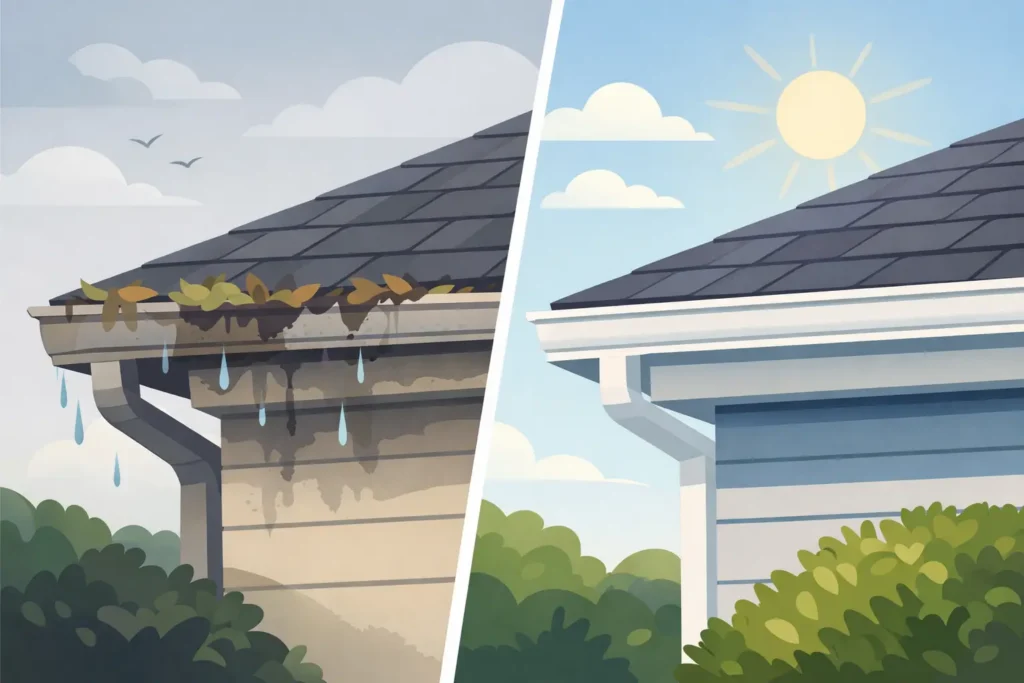
Before and after gutter replacement: what really changes
The biggest difference after gutter replacement is water control. That sounds simple, but it is the whole job. A properly sized and correctly pitched gutter system moves rainwater off the roof, through the gutters, and away from the house through downspouts placed where drainage makes sense.
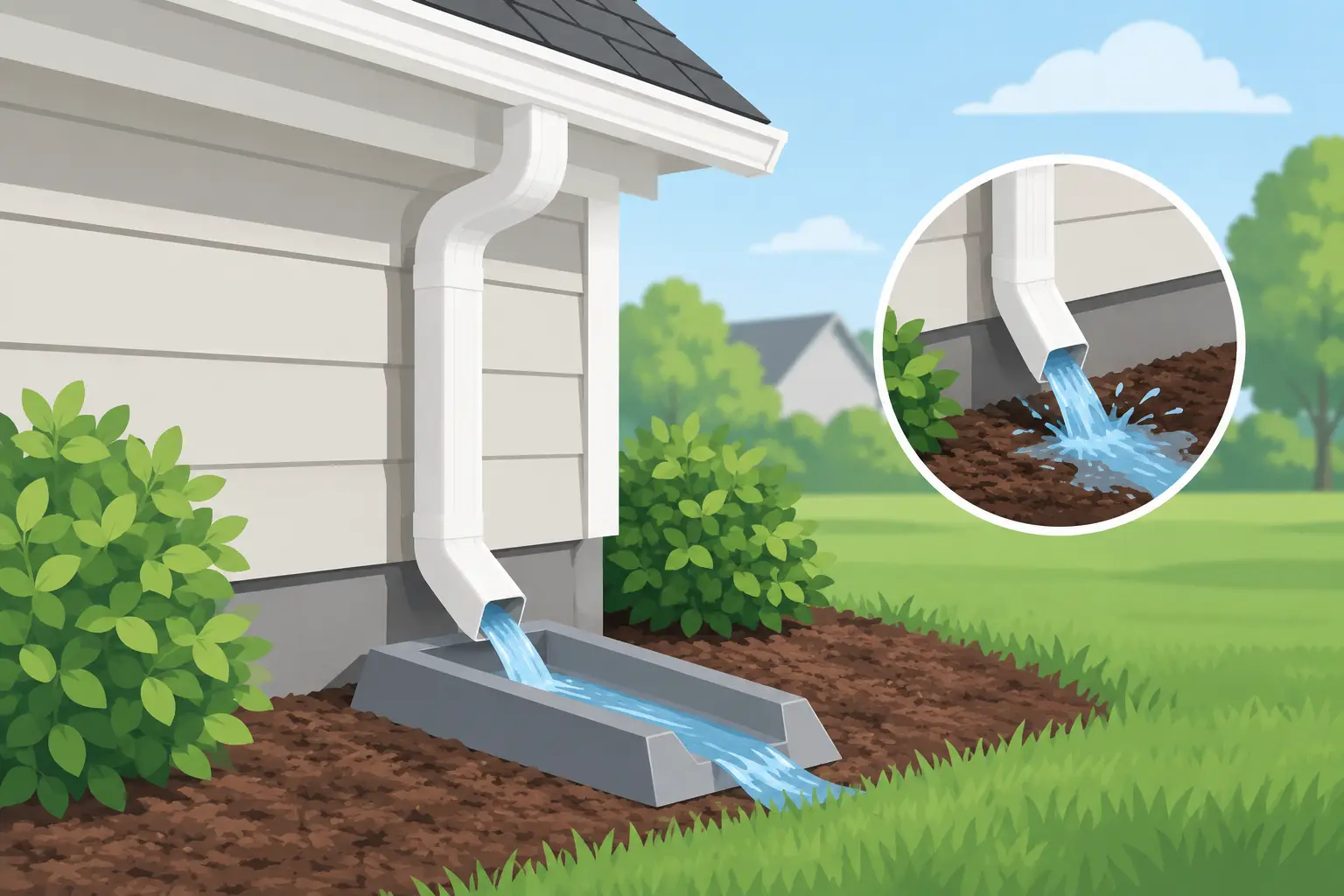
That means fewer overflows during heavy rain, fewer puddles near the home, and less water beating against siding or windows. It also means your landscaping has a better chance of staying in place instead of being washed out by runoff from one problem corner of the roofline.
The visual improvement matters too. New gutters straighten the roof edge visually and clean up the exterior fast. Bent, mismatched, or rusted sections can make a home look neglected even when the rest of the property is well maintained. Seamless gutters, in particular, give the house a cleaner and more finished appearance because they reduce the number of joints where leaks and weak points usually start.
Then there is peace of mind. Homeowners often live with bad gutters longer than they should because the damage feels gradual. Once the old system is gone and the new one is in place, the next storm usually tells the story. Water follows the path it is supposed to follow, and you are not standing at the window wondering what is getting soaked.
Why the “after” depends on the system you install
Not every replacement delivers the same result. The biggest factor is whether the new system is designed for the home instead of treated like a one-size-fits-all product.
A proper gutter replacement should account for roof size, roof pitch, valley locations, fascia condition, and where water should discharge. If those details are ignored, even a brand-new gutter system can underperform. New materials alone do not solve poor design.
This is one reason seamless gutters are such a strong upgrade for many homes. Because they are formed to fit the structure, they reduce seam-related leaks and usually provide a cleaner finished look. For homeowners who are tired of recurring drip points and patch jobs, that matters.
Leaf protection can also change the long-term outcome. If your home deals with heavy tree debris, replacing gutters without addressing clogging may solve only part of the problem. A premium guard system can reduce maintenance and help water keep moving through the system instead of backing up over the edges.
The curb appeal factor is real, but it should not be the only reason
Many before-and-after photos focus on looks, and fair enough – new gutters do improve the appearance of a home. Fresh, properly aligned gutters can sharpen rooflines and complement new soffit, fascia, or siding. If your old gutters are streaked, dented, or visibly sloped in the wrong direction, the improvement is easy to notice from the street.
Still, the better reason to replace them is protection. Gutters are not trim pieces. They are part of your home’s drainage system. If they fail, the cost can show up in places that are much more expensive than the gutters themselves.
That is where homeowners sometimes get stuck. If the gutters do not look terrible, it is easy to postpone the decision. But appearance and performance are not always the same. Some systems look passable from the driveway and still leak badly at seams, overflow at corners, or drain too close to the foundation.
When repair makes sense and when replacement is the smarter move
It depends on the age and condition of the system. A minor leak, one loose section, or a single damaged downspout can often be repaired if the rest of the gutters are still solid. Repair is especially reasonable when the system is relatively new and the issue is isolated.
Replacement becomes the smarter move when problems stack up. If you have multiple leaks, visible sagging, rust, failing fasteners, or frequent clogs tied to poor layout, repairs can turn into repeated short-term spending. That is frustrating, and it does not always protect the home the way it should.
This is where a clear inspection matters. Homeowners should not have to guess whether they need a small fix or a full replacement. A trustworthy contractor should be able to explain what is failing, what can be saved, and what the long-term trade-off looks like. Straight answers matter, especially when you are making a home investment that affects water damage risk.
What to expect during the replacement process
For most homeowners, the stressful part is not the installation itself. It is the uncertainty before the job starts. They want to know what they are paying for, whether extra charges will show up later, and whether the finished system will actually solve the problem.
A professional replacement process should remove that uncertainty. It starts with an inspection of the existing system and the roofline. Measurements are taken, drainage trouble spots are identified, and the estimate should clearly explain the scope of work. If fascia damage or drainage corrections are needed, those details should be addressed directly instead of being left vague.
During installation, the old gutters are removed, the new system is fitted to the home, and downspouts are placed to move water away from problem areas. If gutter guards are part of the project, they should be installed in a way that supports drainage rather than interfering with it. Afterward, the system should look clean, straight, and consistent across the roofline.
For homeowners in Eastern Indiana and Western Ohio, working with a company that offers free inspections, detailed quotes, and no hidden fees makes the process a lot less stressful. That kind of transparency is not a bonus. It should be the baseline.
Before and after gutter replacement in heavy rain
The real test is not the installation day. It is the next strong storm.
Before replacement, heavy rain often exposes every weakness at once. Water overshoots clogged sections, spills at corners, or pours out where a seam has opened. You may see splashback against siding or pooling at the base of the house. If downspouts are undersized or badly placed, even a moderate storm can create runoff problems.
After replacement, the performance should be noticeably calmer. Water moves through the system with less drama. You are not hearing constant drips at problem joints or seeing sheets of runoff where gutters are supposed to catch it. That does not mean no gutter system ever needs maintenance. It means the system is finally doing its job instead of fighting against its own wear and design issues.
A good replacement does not just improve what your home looks like after the rain. It improves what your home avoids during the rain.
If your current gutters have become one more thing you monitor every time the forecast turns bad, it may be time to stop managing the symptoms and fix the source. The best before-and-after gutter replacement result is not just a cleaner roofline. It is a home that is better protected without you having to think about it every time the clouds roll in.