
Water rarely announces a gutter problem from the roofline. It shows up as soil washed out beside the house, a damp basement wall, peeling siding paint, or ice building near the entry. This residential gutter replacement guide helps homeowners recognize when repairs are no longer enough and make a clear plan for protecting the home from runoff.
For homes across Eastern Indiana and Western Ohio, gutters have to handle spring storms, leaf drop, heavy summer rain, and winter freeze-thaw cycles. A system that is undersized, loosely attached, or sending water too close to the foundation can create expensive problems well beyond the gutter itself.
When Gutter Replacement Makes More Sense Than Repair
A small leak at a joint, a loose hanger, or a downspout knocked out of place can often be repaired. Replacement becomes the better investment when problems are repeated, widespread, or tied to the design of the existing system.
Look closely after a steady rain. Water pouring over the front edge of the gutter usually means the channel is clogged, pitched incorrectly, too small for the roof area, or overwhelmed where roof valleys concentrate runoff. If cleaning does not solve the overflow, the issue may be capacity or layout rather than maintenance.
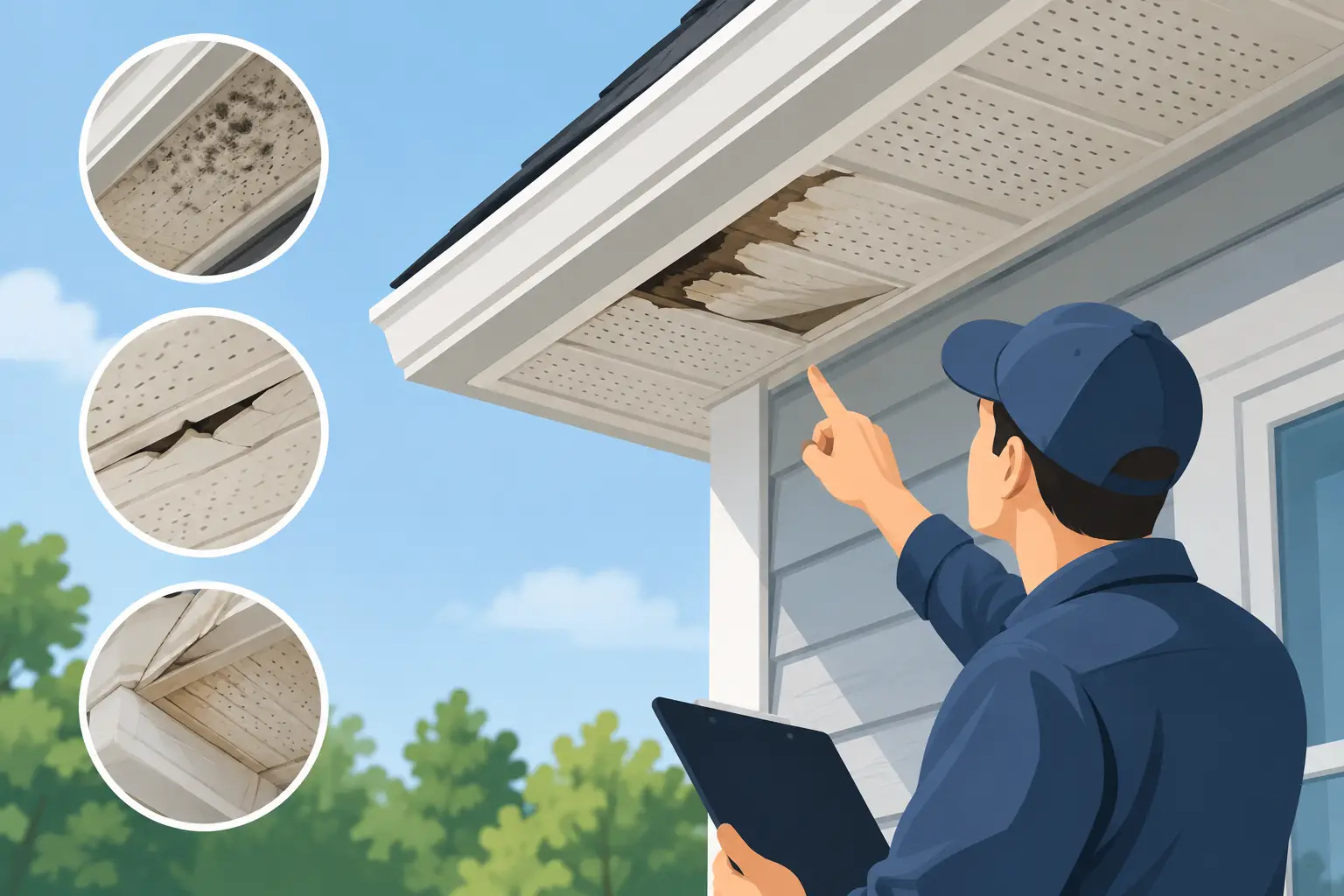
Sagging sections are another warning sign. Gutters should hold a consistent line and slope gently toward each downspout. Sections pulling away from the fascia can indicate failing fasteners, rotted wood behind the gutter, standing water, or years of snow and debris weight. Refastening may help in a limited area, but a system with frequent sagging often needs a more durable installation approach.
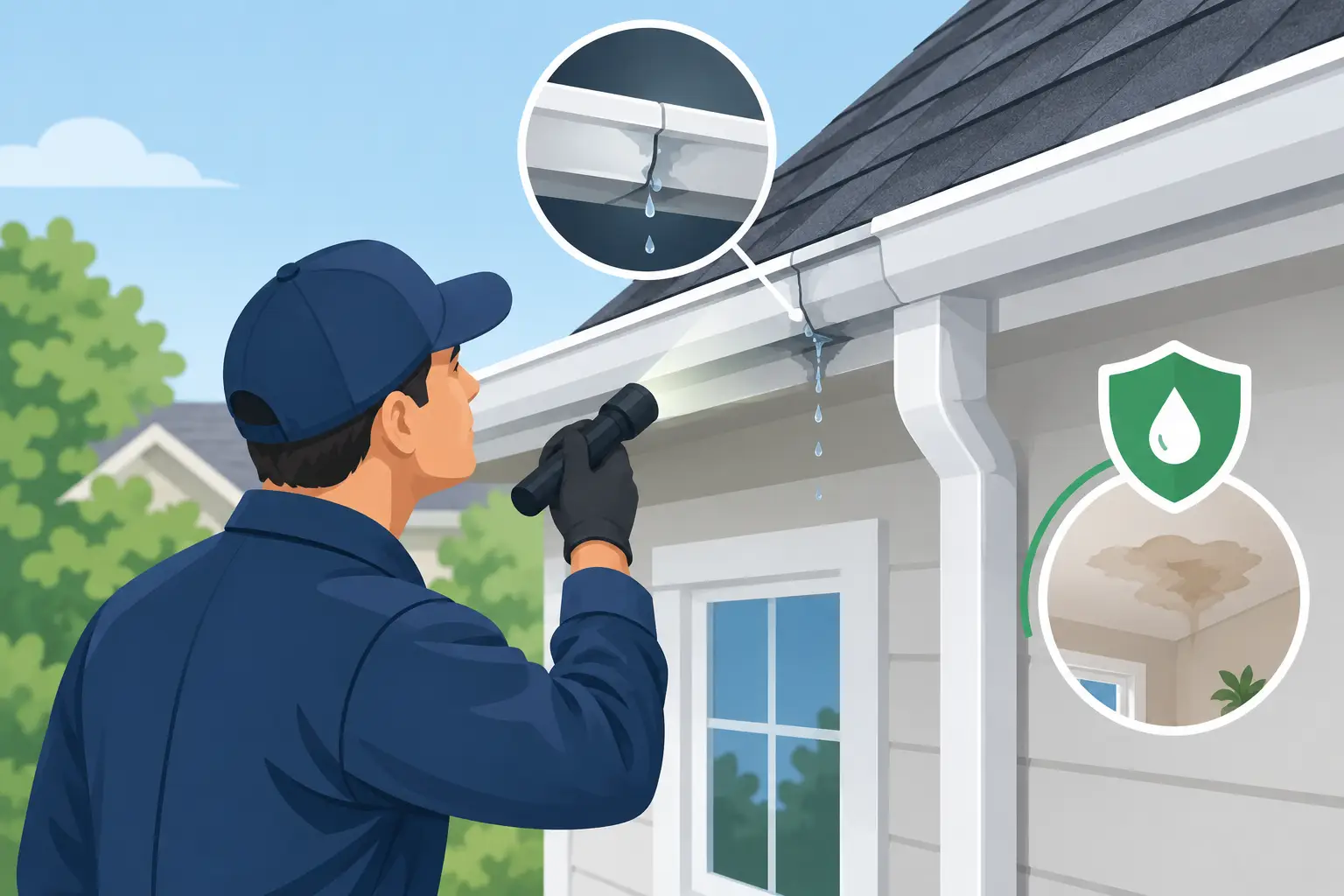
Replacement is also worth considering if you see several leaking seams, rust, cracks, holes, recurring basement moisture, or staining beneath the gutter line. Older sectional gutters have joints at every connection. Those joints can become common leak points as sealant ages and the system expands and contracts through the seasons.
A Residential Gutter Replacement Guide to the Right System
The best gutter system is not simply the largest one or the least expensive one. It is the system sized and installed for your roof, drainage pattern, and maintenance expectations.
Why seamless gutters are a practical upgrade
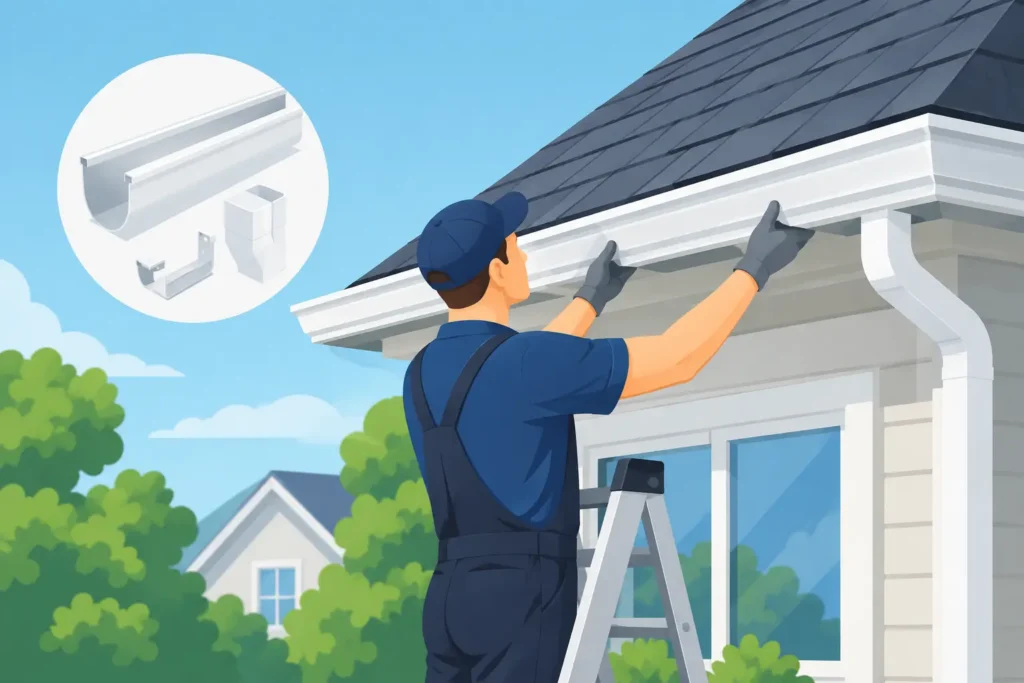
Seamless aluminum gutters are formed on site to match the lengths of the home. They still have connections at corners and downspouts, but they eliminate many of the joints found along sectional gutter runs. Fewer seams generally mean fewer places for leaks and debris buildup to begin.
Aluminum is a popular residential choice because it resists rust, comes in many colors, and provides a good balance of durability and cost. Steel can be strong but may rust if its protective finish is damaged. Copper offers a distinctive appearance and long service life, but it comes at a substantially higher price. For most homeowners, properly installed seamless aluminum provides dependable value.
Choosing gutter size and profile
Many homes use 5-inch K-style gutters, which have a decorative profile similar to crown molding. They work well on many standard rooflines. A 6-inch gutter may be the better choice for a large roof, a steep roof, long gutter runs, or areas where valleys send a high volume of water to one location.
The downspouts matter just as much as the gutter channel. A larger gutter cannot perform as intended if the downspouts are too small, too few, or placed poorly. A professional inspection should consider roof square footage, pitch, valleys, run length, and where water can safely exit the property.
Planning where the water goes
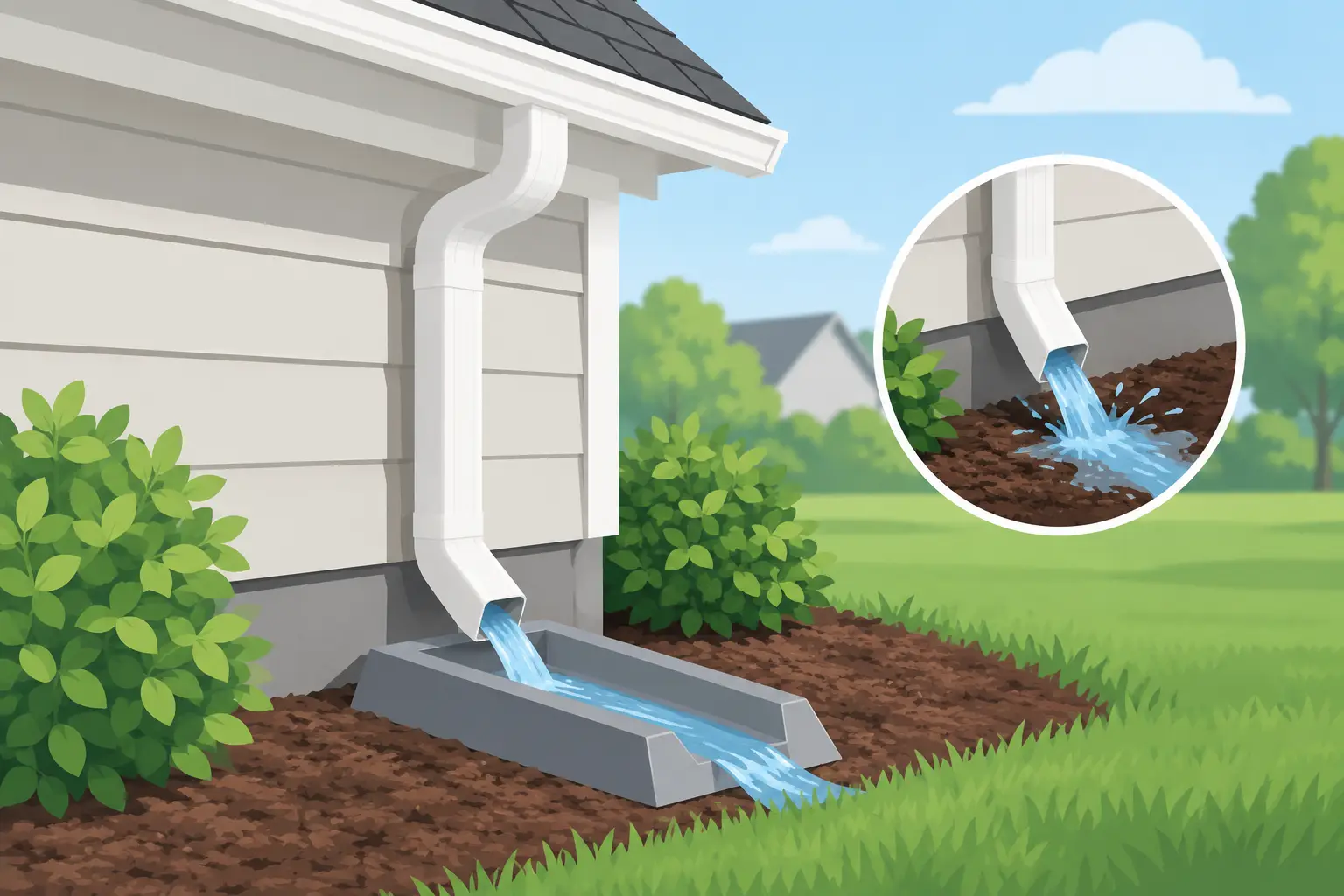
Gutters collect water, but downspouts direct it. If discharge lands beside the foundation, the system is only moving the problem from the roof to the ground.
Downspouts should carry runoff away from the home without creating a trip hazard, washing out mulch, flooding a walkway, or sending water toward a neighbor’s property. Extensions, underground drainage, splash blocks, and carefully planned outlet locations can all help, depending on the lot and grading. There is no one-size-fits-all answer. A flat lot with heavy clay soil needs a different plan than a sloped lot with a clear drainage path.
What a Proper Replacement Process Should Include
A gutter quote should be based on more than a quick measurement from the driveway. The installer should inspect the roof edges, fascia condition, existing drainage, visible water damage, and areas where runoff concentrates.
Before work begins, ask how the old gutters will be removed, whether damaged fascia will be identified, what hanger system will be used, and how the crew will verify slope. Hidden issues can exist behind an old gutter, especially when it has leaked for years. A trustworthy contractor will explain what is included and what would require additional work rather than leaving you to discover it on the final bill.
During installation, gutters should be securely fastened, pitched for drainage, and sealed at necessary end caps, corners, and outlets. Downspouts should be attached firmly and directed away from the home. The finished system should look straight from the ground, but appearance is only part of the job. Its performance during the next hard rain is what protects the property.
For homeowners comparing estimates, an itemized quote is useful. It should clearly identify gutter size and material, downspout quantity and size, removal of existing materials, accessories, and any leaf protection. A lower number is not automatically a better value if it leaves out drainage extensions, uses inadequate fastening, or does not address the reason the old system failed.
Should You Add Gutter Guards During Replacement?
Gutter guards can reduce the amount of cleaning required, but they are not all built the same. Screens that sit loosely on top of the gutter can shift, clog, or allow debris to collect at the edge. Fine mesh products can block small debris well but may require attention in certain roof and tree conditions. The best option depends on the type of debris around the home and how the guard works with the gutter itself.
A continuous-hanger guard, such as Double Pro by Alurex, serves two roles: it helps keep leaves and larger debris out while supporting the gutter along its length. That design can be a strong fit for homeowners who want improved durability and less routine cleaning, particularly where mature trees create recurring buildup.
Guards do not eliminate every maintenance task. Pollen, roof grit, seed pods, and debris around downspout outlets can still require periodic checks. But a quality guard can make those checks far less frequent and help the gutter maintain better water flow through the seasons.
Questions to Ask Before You Approve a Quote
A good conversation with an installer should leave you with fewer unknowns, not more. Ask whether the proposed gutter size is based on your roof’s runoff needs, how many downspouts are included, and where each one will discharge. Ask how the gutters will be fastened and whether the existing fascia shows signs of damage.
You should also ask what the estimate includes, what could change the price, and whether the contractor will explain any added work before it is completed. Clear answers matter because gutter replacement is a home-protection project, not a cosmetic add-on. The goal is to avoid surprises while making sure the system solves the actual drainage problem.
Seamless Gutter Solutions LLC offers free inspections and detailed, itemized estimates so homeowners can see the recommended scope before making a decision. There should be no pressure to replace a system that can be repaired, and no hidden fees when replacement is the right call.
A new gutter system is easiest to appreciate during the storm that would have exposed the old one’s weaknesses. If water is spilling over, pooling near the foundation, or leaving you unsure what is happening above the roofline, a professional inspection can turn a frustrating unknown into a straightforward plan.