

A gutter that pulls away from the roofline is more than a curb-appeal problem. It can dump water behind siding, along the foundation, or onto the ground directly below your entryway. Learning how to fix sagging gutters starts with finding out why they dropped in the first place. A quick adjustment may solve the issue, but loose fasteners, damaged fascia boards, poor pitch, or overloaded gutters can all require a different repair.
For homeowners in Eastern Indiana and Western Ohio, sagging often becomes obvious after heavy rain, snow, ice, or a season of leaves and debris. Address the problem before the next storm. Water follows the easiest path, and a sagging gutter gives it several opportunities to go where it should not.
Why Gutters Sag in the First Place
Gutters need consistent support along the fascia board, the horizontal board at the edge of the roof. When that support weakens or the gutter carries too much weight, the channel can bow, tilt forward, or separate from the house.
Clogs are a common cause. Wet leaves, seed pods, roof grit, and standing water add surprising weight. In winter, trapped water can freeze and create ice that strains the gutter, hangers, and fascia. Cleaning may remove the immediate load, but it will not correct hardware that has already bent or pulled loose.
Old or improperly spaced hangers are another frequent issue. Spikes, ferrules, and undersized fasteners can slowly work out of the wood. Hangers may also be spaced too far apart for the gutter run, especially on systems that have carried heavy snow or ice over multiple winters.
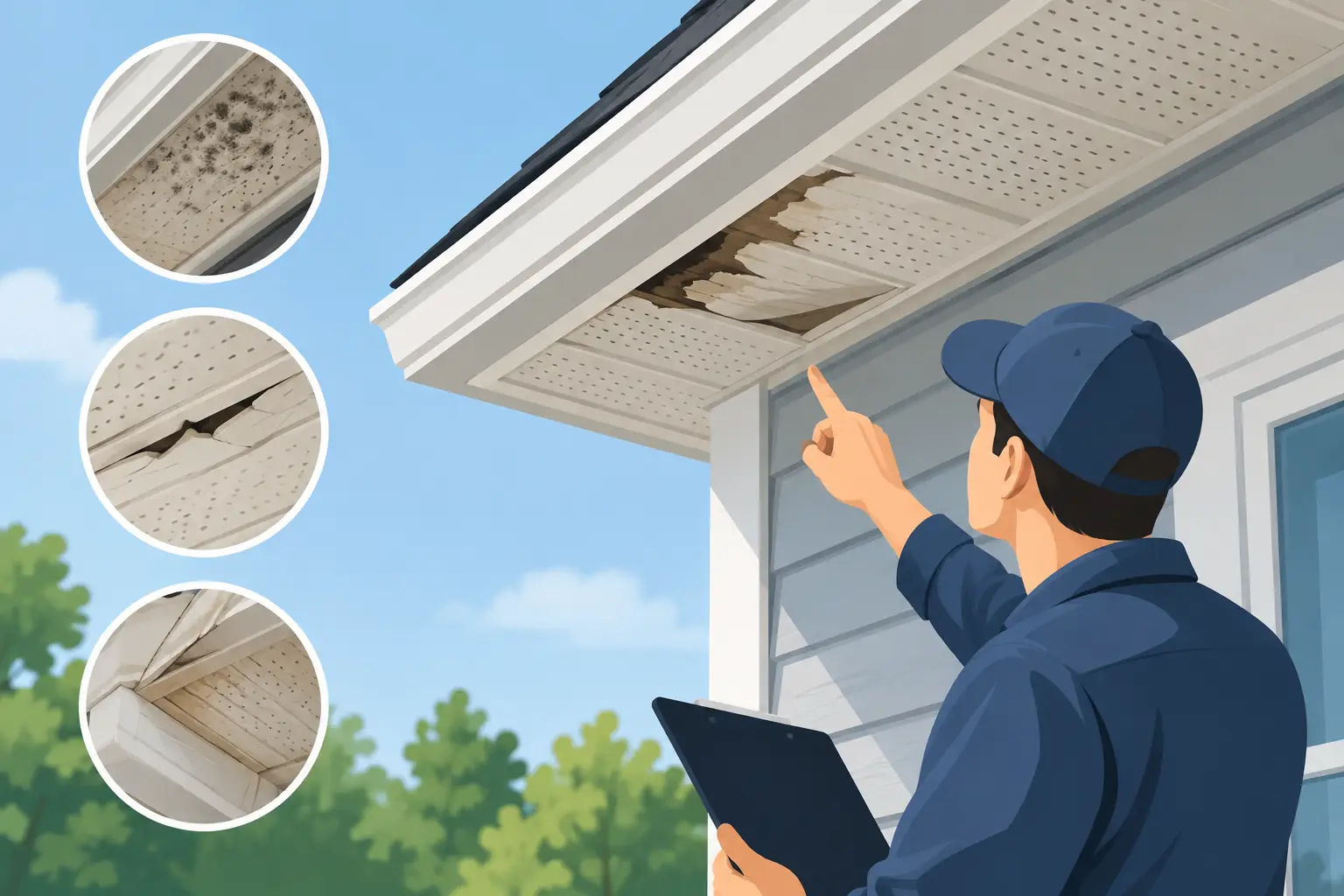
The condition of the fascia matters just as much. If water has been getting behind the gutter for years, the wood may be soft, split, or rotted. A new screw cannot hold securely in damaged wood. Trying to tighten a gutter into failing fascia may make it look better for a short time, then lead to another pullout during the next hard rain.
Finally, the gutter may have the wrong slope. Gutters should have a subtle downward pitch toward the downspout, usually about one-quarter inch for every 10 feet of run. Too little slope leaves standing water. Too much slope can make one end look noticeably low and allow water to overshoot during a downpour.
How to Fix Sagging Gutters: Start With a Close Inspection
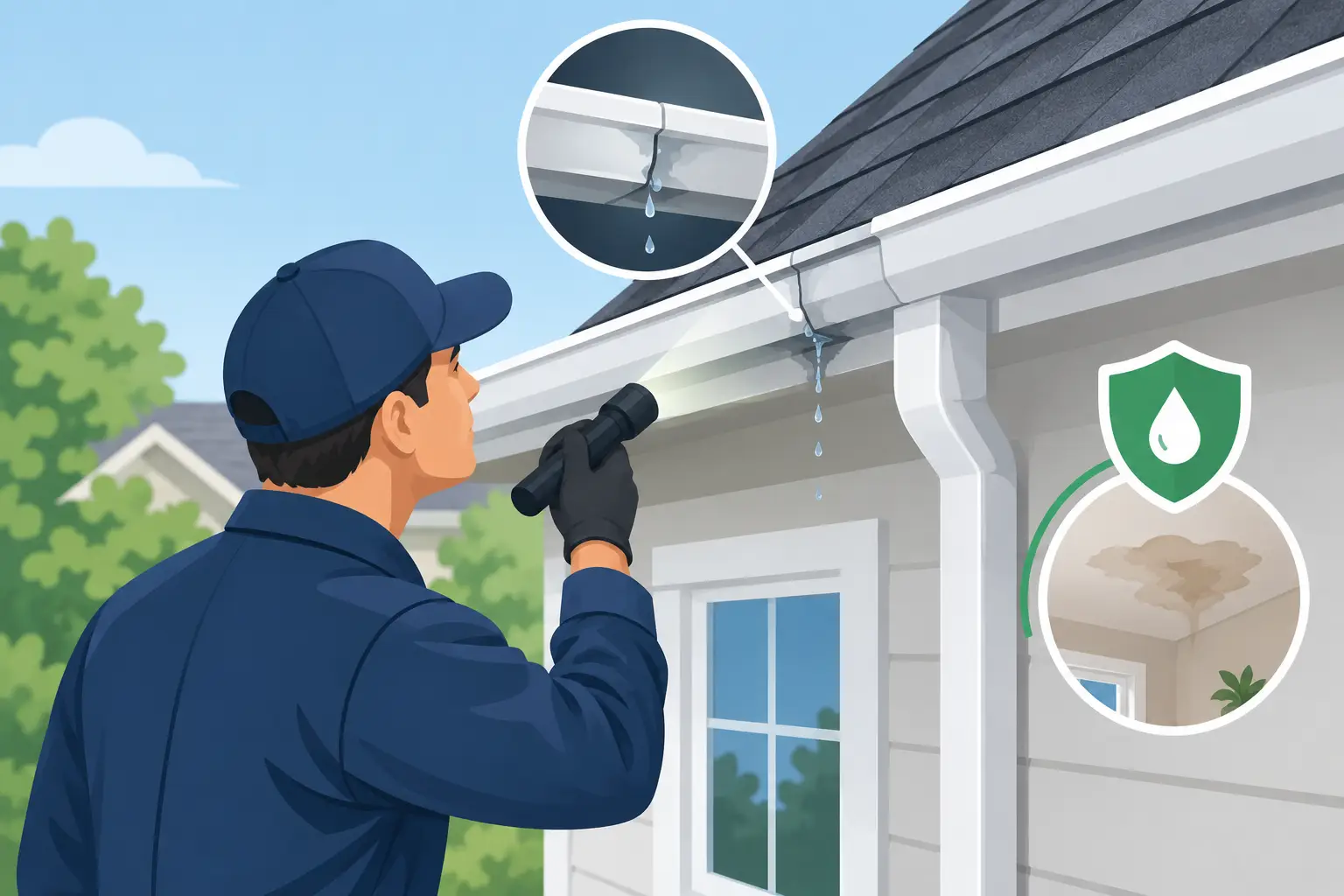
Choose a dry day and inspect the entire gutter line from the ground before getting on a ladder. Look for low spots that hold water, sections that pull away from the fascia, loose or missing hangers, visible gaps at seams, and downspouts that are blocked or disconnected. If a gutter is twisted or sharply bent, take note. That may be a replacement issue rather than a simple adjustment.
Do not work from a ladder alone. Use a stable ladder on firm, level ground and have another adult nearby. Avoid leaning a ladder directly against the gutter, since that can worsen the sag or damage the metal. If the repair requires working near a steep roofline, electrical service, or a second-story gutter, a professional inspection is the safer choice.
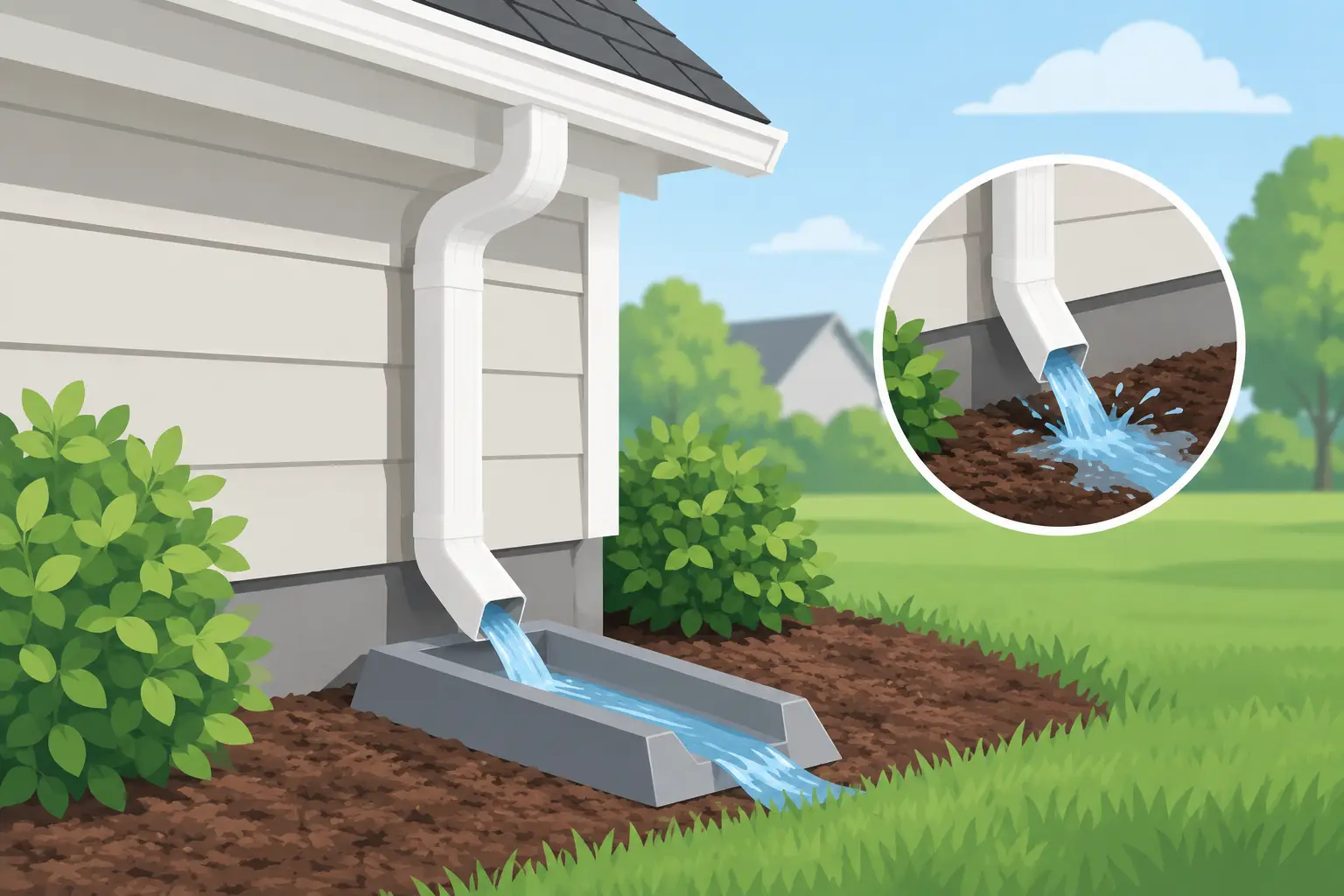
Once you can safely access the gutter, remove leaves and debris first. Flush the channel with a garden hose and watch where the water travels. This tells you whether a clog is adding weight and whether the gutter is still pitched toward the downspout.
Tighten or Replace Loose Fasteners
If the fascia is solid and the gutter itself is in good condition, replacing loose fasteners may be enough. Modern hidden hangers secured with long exterior-rated screws are generally more dependable than old gutter spikes. The hanger should grip the gutter properly and fasten into sound fascia rather than loose, cracked, or deteriorated wood.
Set hangers close enough together to support the system consistently. Spacing depends on the gutter material, local weather exposure, and the type of hanger, but a professional can determine where additional support is needed. Areas near downspouts, corners, and long runs often benefit from careful reinforcement.
Do not simply drive screws through the face of the gutter wherever it sags. That can distort the channel, create openings for leaks, and fail to provide the support needed behind the gutter. The goal is to restore a secure attachment while keeping the gutter aligned and properly pitched.
Reset the Gutter Pitch
A gutter can be firmly attached and still perform poorly if it is out of pitch. Use a level or a string line to identify the high point and confirm that the gutter slopes gradually toward the downspout. On a longer run, the slope may be divided toward a downspout at each end, depending on the roof layout.
To reset the pitch, loosen the affected hangers, support the gutter, and reposition it in small increments. Then tighten or replace the hangers while checking the slope again. A hose test is the best final check: water should move steadily to the downspout without pooling in the middle of the run.
This is one repair where small measurements matter. Raising or lowering a gutter too much can create an obvious uneven roofline or cause water to spill over the front edge. If the run is long, the roofline is high, or several sections have different slopes, professional adjustment can prevent a frustrating repeat repair.
Repair the Fascia Before Reattaching the Gutter
When screws spin without grabbing, wood flakes away, or the fascia feels soft, stop and assess the board. The gutter should not be reinstalled until the damaged fascia is repaired or replaced. Otherwise, even new hangers will eventually tear out.
Fascia repair can involve removing the gutter, replacing affected wood, checking the roof edge for moisture damage, and installing proper drip edge where needed. This work protects the structure behind the gutter, not just the appearance of the front edge. It also gives the gutter a solid base for a long-lasting repair.
When a Sagging Gutter Should Be Replaced
Repairs make sense when the gutter is structurally sound, the fascia is repairable, and the problem is limited to a few loose hangers or a minor pitch issue. Replacement is often the better value when the system has repeated leaks, multiple separated seams, corrosion, deep dents, widespread sagging, or sections that regularly overflow even after cleaning.
Older sectional gutters can develop problems at the joints over time. A seamless gutter system has fewer joints along each run, which reduces common leak points and creates a cleaner, more continuous fit. It will still need proper hangers, correct pitch, and occasional maintenance, but replacing a failing system can eliminate the cycle of patching one weak section after another.
Gutter size and downspout capacity should also be considered. If water consistently pours over the top during ordinary storms, the issue may not be sag alone. A larger gutter, additional downspout, or a revised drainage layout may be needed to handle the roof’s runoff.
Keep the Repair From Happening Again
After the gutter is securely fastened, keep it clear enough for water to move freely. Check it in spring and fall, and inspect after major storms or periods of ice. Pay attention to water marks on siding, mulch washed out below the roofline, and puddles near the foundation. Those signs can reveal a developing gutter problem before the gutter visibly drops.
Leaf protection can reduce the buildup that adds weight to gutters, but the right product depends on the roof, tree coverage, and existing gutter condition. A continuous-hanger guard system, such as Double Pro by Alurex, can provide both debris protection and added structural support when it is installed as part of a properly designed gutter system. It is not a substitute for repairing damaged fascia or correcting poor drainage, but it can reduce ongoing maintenance demands.
If you are unsure whether your gutters need a few new hangers or a full replacement, a free inspection can take the guesswork out of the decision. Seamless Gutter Solutions LLC provides detailed, itemized estimates with no hidden fees, so you can see what the repair involves before work begins. A secure gutter line is a small detail that protects some of the biggest parts of your home: the roof edge, siding, landscaping, and foundation.