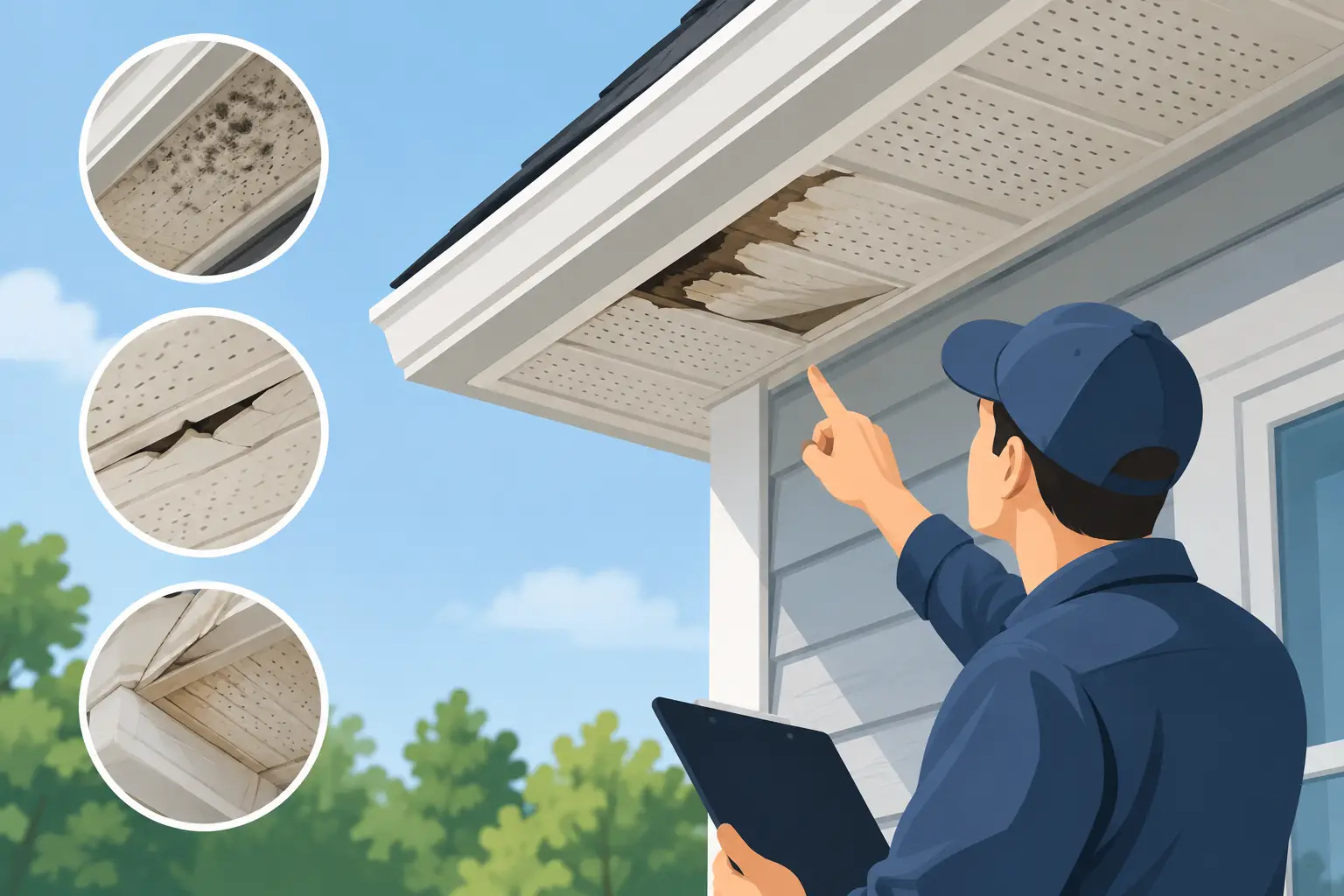


A gutter guard can look like a simple upgrade until you start reading gutter guard product reviews. One homeowner says a guard ended gutter cleaning. Another says it trapped shingle grit, overflowed in a hard storm, or created a costly repair when it was removed. Both experiences can be true. The difference usually comes down to the guard design, the roof and tree conditions, and whether the gutter system underneath was sized and installed correctly.
For homeowners in Eastern Indiana and Western Ohio, leaf protection has to handle more than a few falling leaves. Maple seeds, oak tassels, pine needles, roof grit, spring storms, ice, and windblown debris all affect performance. A useful review is not the one with the strongest claim. It is the one that helps you decide whether a product fits your home.
Why Gutter Guard Reviews Can Tell Different Stories
A gutter guard is not a one-size-fits-all product. A screen that works well on a low-pitch roof surrounded by broadleaf trees may struggle on a steep roof beneath pine trees. A fine-mesh product may block tiny debris effectively but require attention if roof grit builds on top. A larger-opening screen may pass water easily yet allow smaller debris into the gutter.
Reviews also often leave out the condition of the original gutters. If gutters are undersized, sagging, poorly pitched, or pulling away from the fascia, adding a guard will not correct those drainage problems. Water may still spill over the front edge, even though the guard itself is not clogged.
Installation details matter just as much. Guards that fasten into the roof, tuck beneath shingles, or rely on clips should be installed with care. Poor fastening can create gaps, rattling, or sections that shift in wind and snow. A strong product installed poorly is still a disappointing investment.
When you read a review, look for specifics: the tree types around the house, the type of roof, how long the product has been installed, and whether the reviewer had existing gutter problems. Those details are more valuable than a simple five-star or one-star rating.
How to Read Gutter Guard Product Reviews More Clearly
Start by separating a promise from a realistic result. No legitimate guard should be expected to make a gutter system completely maintenance-free forever. The practical goal is to keep the gutter channel clear, reduce the frequency and difficulty of cleaning, and help water move away from the home as intended.
A review that says, “I never have to think about my gutters again,” may reflect a great early experience, but it does not tell you how the guard will perform after several seasons. On the other hand, a review complaining about debris on top of a guard is not automatically a failure. Some surface debris is normal. The real question is whether the debris prevents water from entering the gutter or can be cleared easily without digging packed material out of the gutter channel.
Match the Review to Your Debris
Homes near mature maple, oak, and sycamore trees tend to deal with leaves, seed pods, and small spring debris. Pine-heavy properties need a design that addresses needles without restricting water flow. Homes with newer asphalt roofs may see loose granules after installation, while older roofs can shed more grit over time.
Look for reviews from homes with conditions similar to yours. If your property has no pine trees, a complaint about pine needles may not carry much weight. If your gutters sit beneath several large maples, reviews that mention helicopters and wet leaf buildup deserve closer attention.
Check What the Review Says About Water Flow
The first job of a gutter guard is not simply keeping leaves out. It is helping rainwater enter the gutter during ordinary rainfall and heavier downpours. Reviews should describe how the product handles rain, not just debris.
Pay attention to reports of water skipping past the guard, spilling at roof valleys, or overflowing near downspouts. These issues may point to a guard design, but they can also signal undersized gutters, improper slope, clogged downspouts, or concentrated water coming off a roof valley. A professional inspection can identify the actual cause before you spend money on a product that cannot solve it.
Consider the Timeframe
A review written one week after installation is useful for customer service feedback, but it does not prove long-term durability. Reviews after one or more full seasons can reveal whether fasteners stayed secure, whether the guard held up under snow, and whether cleaning needs changed.
Also consider the warranty behind the product and the installer. A warranty is only helpful when the terms are clear and the company explains what is covered. Ask whether the warranty applies to the guard, the installation labor, the gutters, or all three.
Common Gutter Guard Types and Their Trade-Offs
Basic plastic or metal screens are often the lowest-cost option. They can stop larger leaves and are widely available, but larger openings may allow seeds, grit, and smaller debris through. Some clip-on versions can shift or become difficult to remove and clean. They may be a reasonable choice for light debris conditions, but they are not automatically the best long-term solution.
Fine-mesh guards provide smaller openings that can block finer debris. Their performance depends heavily on mesh quality, frame strength, and how the product is attached. Fine mesh can be effective around small leaves and seed debris, though surface buildup may still need to be brushed away in certain tree conditions. A poorly supported mesh can bend, sag, or separate over time.
Reverse-curve or surface-tension guards are designed to guide water around a curved edge and into the gutter while debris falls away. They can work well in the right setup, but roof pitch, water speed, and installation accuracy are especially important. In intense storms or at heavy roof valleys, water behavior needs to be evaluated carefully.
Foam inserts and brush-style guards are usually easy to install, but they sit inside the gutter channel. That means debris can settle on or within the product, and moisture may remain in the gutter longer. They can be appropriate as a temporary or budget-minded approach, but homeowners should understand the maintenance trade-off before treating them as permanent protection.
Continuous-hanger systems combine gutter support with leaf protection. This design can strengthen the gutter along its length while covering the open channel, which is valuable when the existing system needs more than a surface add-on. Double Pro by Alurex is one example of this approach. Its fit and continuous support make it a strong option for homeowners who want a durable guard paired with properly installed gutters, rather than a quick cover added to an aging system.
The Installation Is Part of the Product
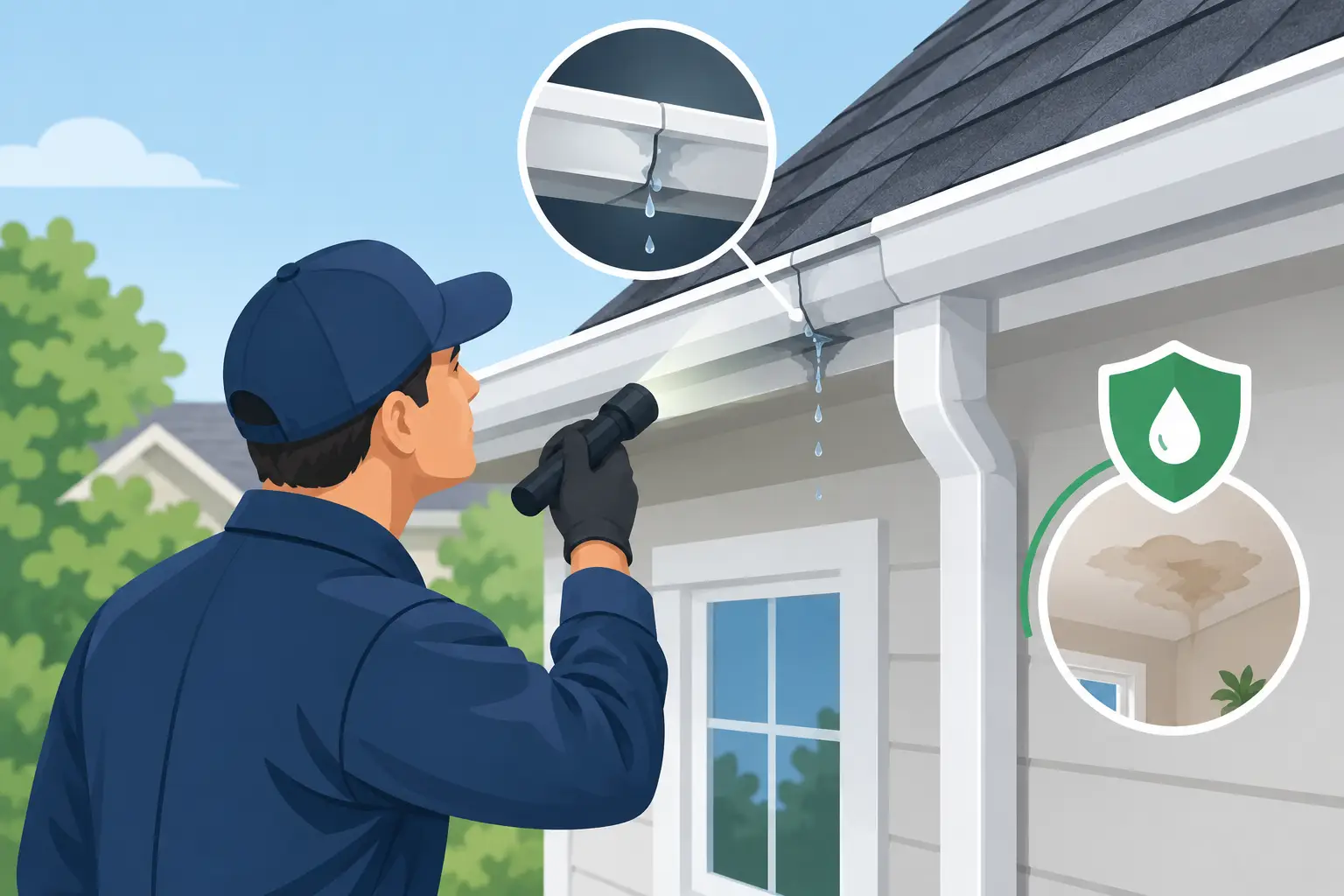
Product reviews often focus on the guard itself, but the installation process determines a large share of the result. Before guards are added, gutters should be checked for proper pitch, secure attachment, adequate downspouts, and visible leaks or damage. Existing debris should be removed, and the roof edge should be evaluated so the guard fits without creating avoidable problems.
This is why an estimate should be detailed. You should be able to see whether the project includes gutter cleaning, repairs, replacement sections, downspout work, guard installation, and disposal. Vague pricing makes it hard to compare proposals and easy for surprise charges to appear later.
Seamless Gutter Solutions LLC approaches leaf protection as part of the whole drainage system. A free inspection and itemized quote give homeowners a chance to understand what their gutters need before choosing a guard option. That is especially helpful when a home has overflow issues that may involve more than leaves.
Questions Worth Asking Before You Choose
Ask the installer what debris the recommended guard is designed to handle and what maintenance is still realistic for your property. Ask how the product is secured, whether it affects roof-shingle access, and how the system performs near valleys and other high-flow areas.
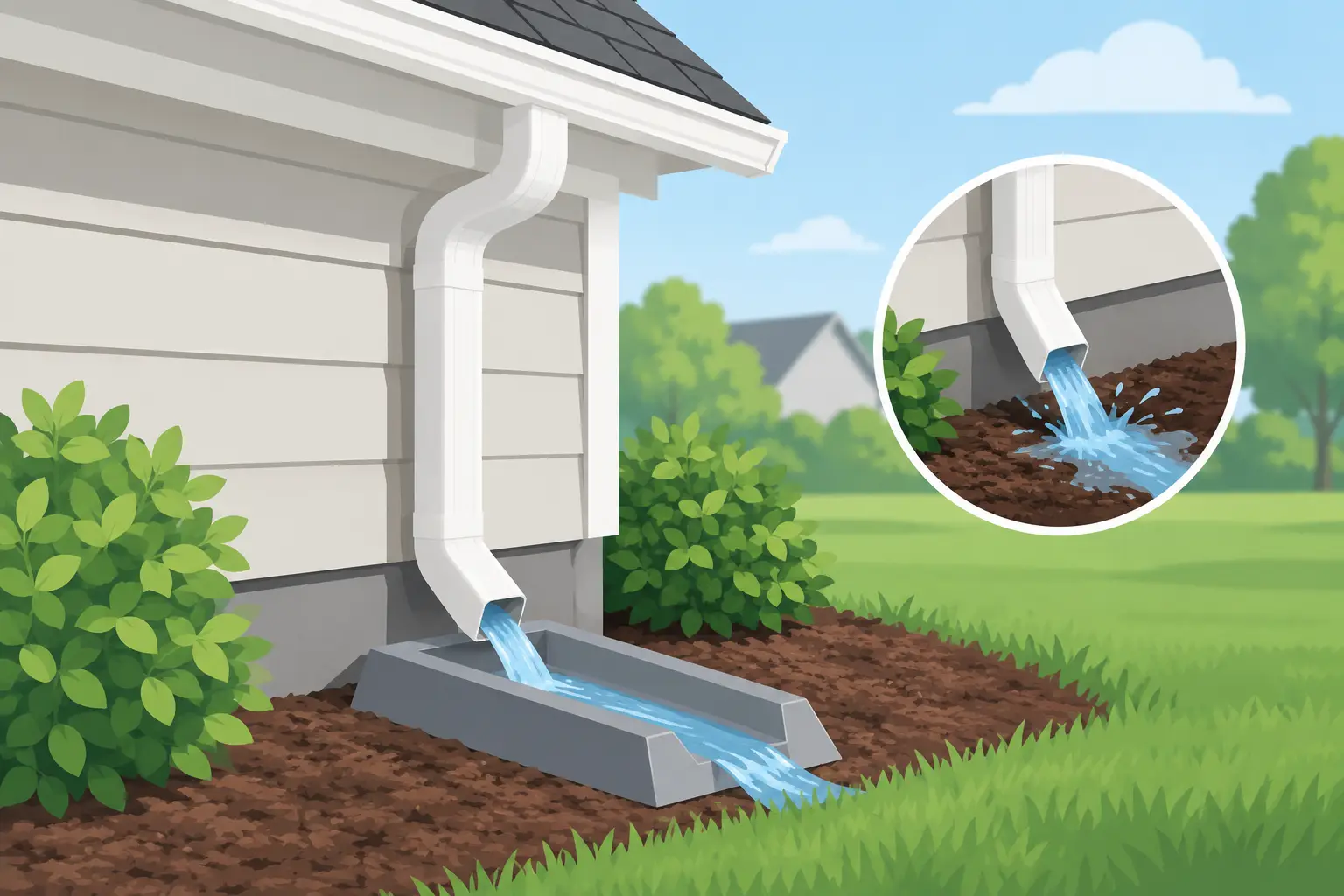
You should also ask whether your current gutters are large enough for the roof area and whether the downspouts are positioned to move water away from the foundation. A guard can reduce clogs, but it cannot compensate for gutters that drain toward the wrong place or downspouts that empty beside the house.
Finally, request clear pricing in writing. A trustworthy quote explains the work, the materials, and any recommended repairs without hiding costs behind a low starting number.
The best guard for your home is the one that fits your roof, trees, gutter condition, and budget – then gets installed as part of a drainage system built to protect the home. A careful inspection before you decide can save you from choosing based on the loudest review instead of the right solution.