

Maple trees are beautiful until the first heavy rain sends wet leaves, spinning seeds, and small twigs toward your gutters. Finding the best leaf guards for maples is less about buying the most aggressive-looking cover and more about choosing a system that can handle the specific debris maples produce without slowing water flow.
For homeowners in Eastern Indiana and Western Ohio, that matters through every season. Maple leaves can blanket a roof in fall, buds and seed pods show up in spring, and winter freeze-thaw cycles can expose weak gutter attachments. A guard needs to keep debris out while staying secure, accessible for service, and compatible with the gutter system protecting your home.
Why Maple Trees Are Hard on Gutters
A maple does not create just one kind of gutter clog. Its large, flat leaves can lie across a gutter opening like a lid, especially when rain makes them heavy. If water cannot enter the gutter quickly enough, it can run over the edge and soak siding, landscaping, walkways, and the soil around the foundation.
Then there are the maple seeds, often called helicopters or samaras. These lightweight seeds can collect in clusters, catch on rough surfaces, and settle into gaps that appear too small for ordinary leaves. Spring pollen, flower stems, roof grit, and small twigs add another layer of debris. A guard that looks effective against dry leaves may still struggle when that material becomes wet and compacted.
The goal is not to promise a completely maintenance-free gutter. No guard can prevent every bit of debris from landing on a roof or resting on top of its surface. The right system greatly reduces material entering the gutter, helps water move where it belongs, and makes occasional maintenance far more manageable.
What the Best Leaf Guards for Maples Need to Do
The best option depends on your roof pitch, gutter size, nearby trees, and how much debris falls on the home. Still, a reliable maple-ready guard should meet several practical requirements.
First, it needs effective debris blocking. The openings should be small enough to limit seeds and leaf fragments from reaching the gutter channel. At the same time, the guard needs enough surface area and drainage capacity for heavy Midwest rain. A guard that blocks debris but lets water overshoot during a downpour does not solve the underlying drainage problem.
Second, look at the attachment method. Leaf guards should not simply sit loosely inside the gutter. Loose or lightly supported products can shift, bow under wet debris, or create places where leaves collect. A continuous-hanger design adds support along the gutter run, which can be especially valuable when gutters already carry the weight of rainwater and seasonal debris.
Finally, consider the guard’s profile. A smooth, properly installed surface encourages leaves to dry and blow away rather than catch at the roof edge. But the roofline, shingles, and gutter pitch all affect performance. That is why an in-person inspection is more useful than choosing a guard based on a photo or a one-size-fits-all claim.
Comparing Common Gutter Guard Styles
Screen Guards
Basic screens are among the most familiar options. They span the gutter opening and keep full-size leaves from dropping directly into the trough. They can be an improvement over open gutters, but they have limits beneath mature maples.
Larger screen openings may allow maple seeds, flower debris, and small leaf pieces through. Fine screens can block more debris, yet pollen and roof grit may collect on the surface over time. Screen guards also vary widely in material strength and fastening quality. A thin screen that is not firmly secured can become a maintenance issue of its own.
Brush and Foam Inserts
Brushes and foam inserts sit inside the gutter. They are often marketed as easy solutions because they do not require major installation work. For a homeowner dealing with maple debris, however, they can create a place for organic material to settle.
Leaves may stay on top, but smaller debris can lodge in the brush bristles or foam. As that debris breaks down, water flow can become restricted inside the gutter channel. These products may have a place in limited situations, but they are generally not the strongest long-term choice for a home with frequent maple leaf and seed buildup.
Surface-Tension or Hooded Guards
Hooded systems use a curved cover and a narrow opening to direct water into the gutter while encouraging leaves to pass over the edge. A well-designed, professionally installed version can perform well with large maple leaves because there is not a broad, flat screen for leaves to cover.
The trade-off is that performance depends heavily on the design and installation. The opening must be positioned correctly for the roof and expected water volume. In a hard rainfall, an improperly fitted hood may allow water to run past the gutter. It may also need more attention where pine needles, roof grit, or seed clusters collect along the front edge.
Fine-Mesh Guards
Fine-mesh guards use a tightly woven or perforated surface to filter out small debris while allowing water through. They are often a strong match for maple trees because they can block seeds and smaller fragments better than wide-opening screens.
Not all mesh guards are equal. Mesh needs a durable frame, secure attachment, and a profile that does not sag under debris. Very fine openings can also accumulate pollen or gritty roof sediment, particularly after a wet spring. Professional installation and realistic maintenance expectations make a major difference here.
Continuous-Hanger Guard Systems
For homeowners who want leaf protection and added gutter support, a continuous-hanger system deserves close consideration. Rather than relying on individual spikes or hangers spaced apart, this style supports the gutter along its length while covering the opening.
Double Pro by Alurex is one example of this approach. Its continuous-hanger design is intended to strengthen the gutter installation while reducing the leaves and debris that enter it. That combination can be particularly helpful around maples, where wet leaf piles can add weight and create overflow risks if the gutter system is not properly supported.
Installation Matters as Much as the Guard
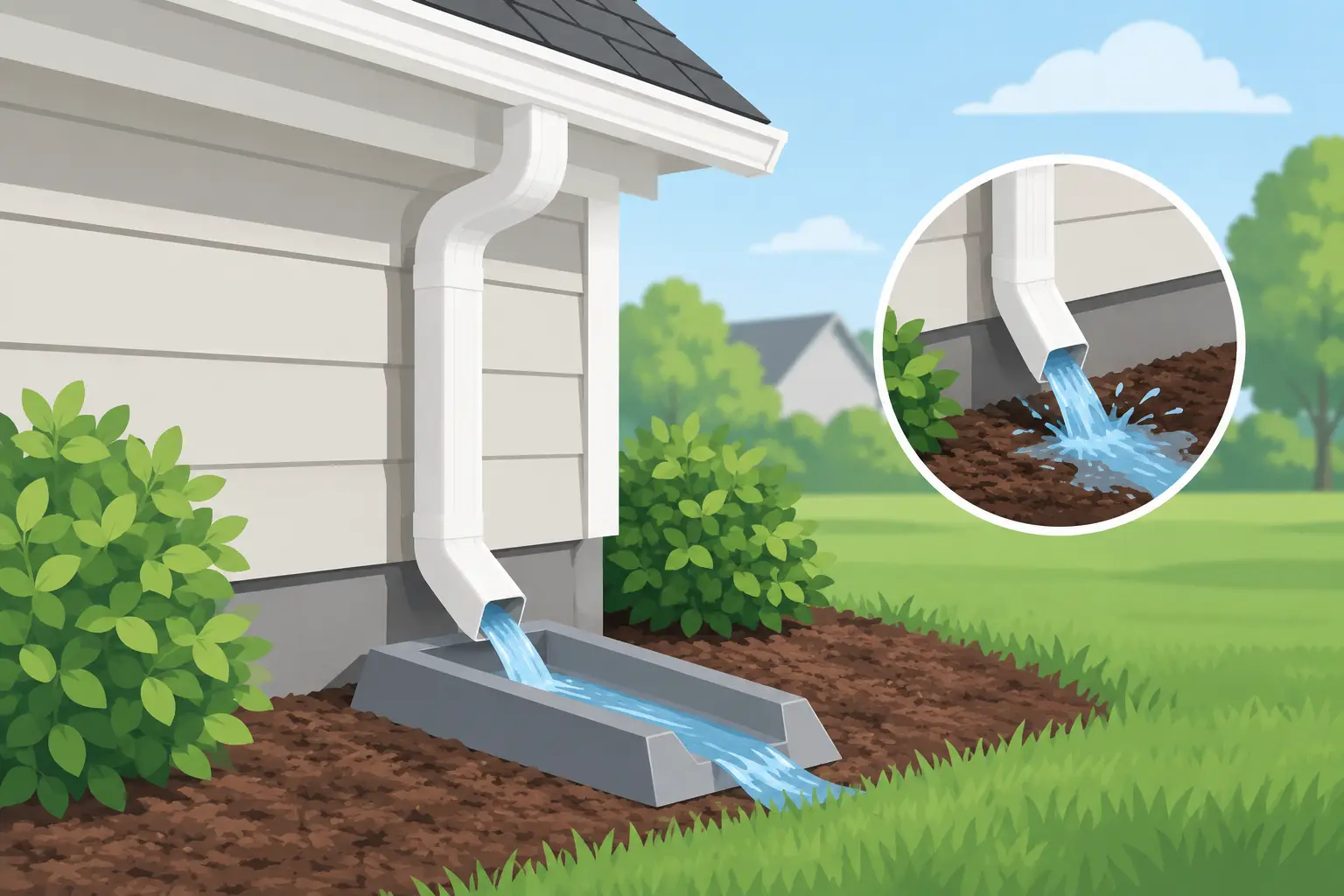
Even an excellent guard cannot overcome a poorly pitched, undersized, loose, or damaged gutter. Before adding leaf protection, check that gutters are securely attached, correctly sloped toward the downspouts, and free of standing water. Downspouts should also carry water far enough away from the foundation.
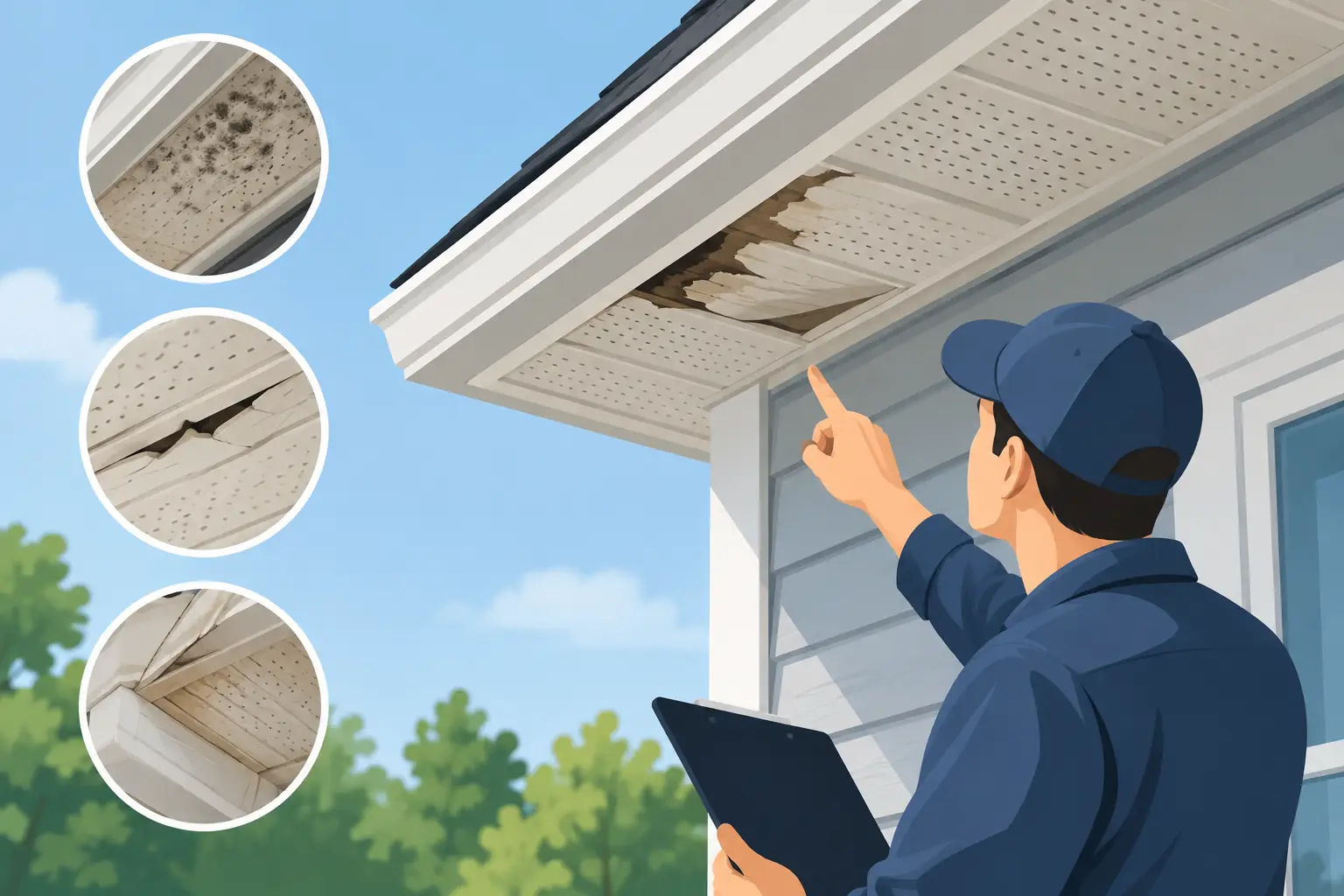
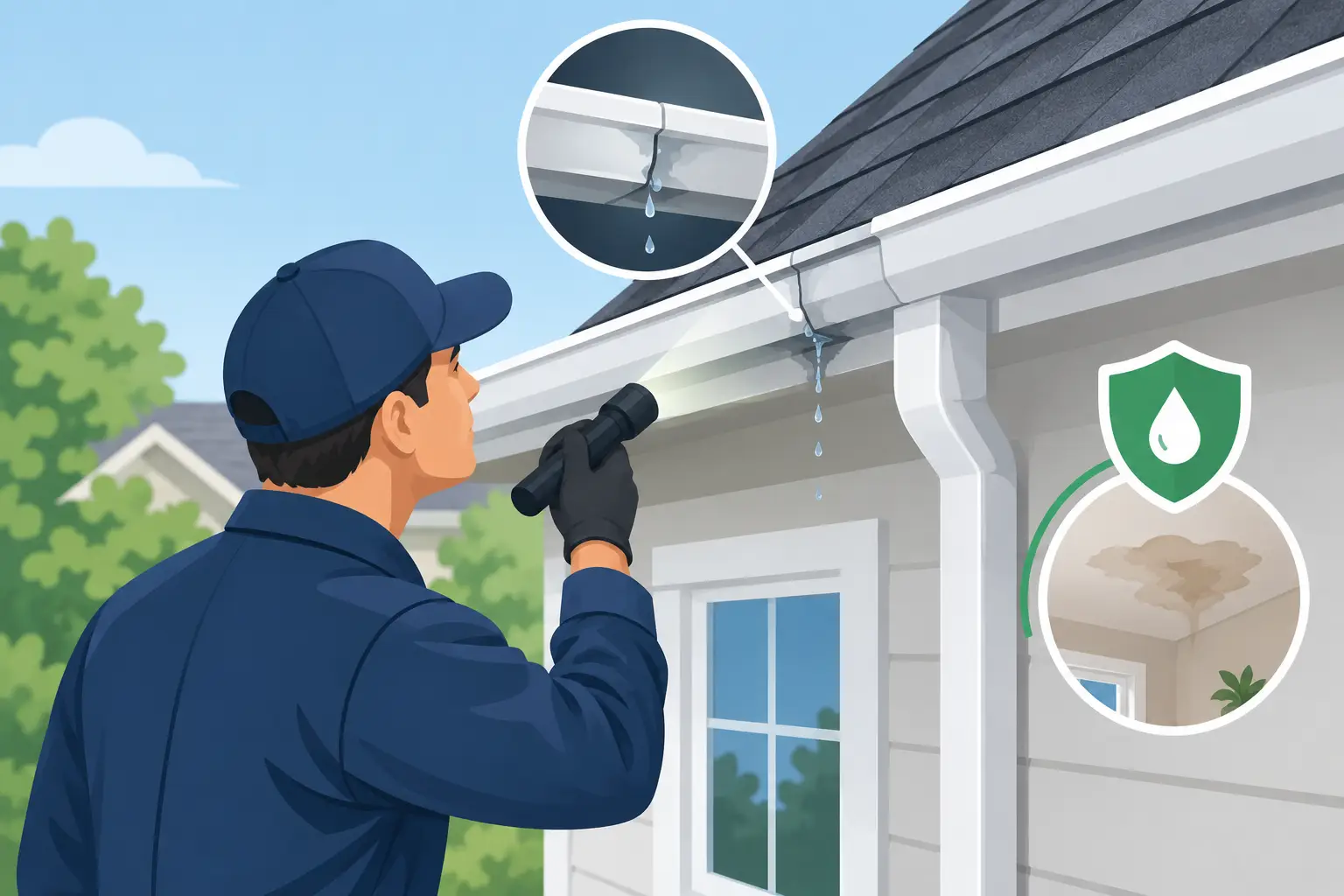
This is especially relevant for older homes and homes that have received partial gutter repairs over the years. A guard installation is a good time to identify hidden issues such as pulled fasteners, separated seams, damaged fascia, or downspouts that clog below ground level. Addressing those issues first protects the value of the guard investment.
Seamless gutters can also improve the overall system by reducing the number of joints along the gutter run. Fewer seams mean fewer places where leaks may develop, though proper sizing and installation remain essential.
Questions to Ask Before Choosing a Guard
A straightforward estimate should tell you what guard is being installed, how it will be attached, and whether repairs are needed before installation. It should also explain what is included in the price. Homeowners should not have to guess whether gutter cleaning, old guard removal, downspout work, or repairs will appear later as surprise charges.
Ask how the guard handles maple seeds and small debris, not just large leaves. Ask whether the system adds gutter support, whether it works with your existing roof and gutter profile, and what ongoing care is recommended. A trustworthy contractor will explain the trade-offs instead of claiming one product is perfect for every house.
It is also wise to ask whether the installer will inspect the full drainage path. Water needs a clear route from the roof, through the gutter and downspout, and away from the home. Leaf protection is one part of that system, not a replacement for proper drainage design.
Plan for Less Maintenance, Not Zero Maintenance
The right guard can reduce how often you need gutter cleaning, but maples still shed debris onto the roof and around the downspouts. Plan to look at the gutters after major storms and during peak leaf drop. From the ground, watch for water spilling over the gutter edge, staining on siding, sagging sections, or mulch washed away below a downspout.
If your home sits beneath several mature maples, a professional inspection before fall is a practical move. It gives you time to correct gutter issues before cold weather, heavy leaf accumulation, and freezing water turn a small problem into a more expensive repair.
A good leaf guard should make home maintenance less stressful, not add another product for you to worry about. Choose a system built for the debris your trees actually produce, installed with clear expectations and honest pricing. Your gutters will have a much better chance of doing their quiet but essential job when the next maple leaf season arrives.