
One hard rain is often all it takes to show you where your home is vulnerable. Water spilling over the front gutter, mulch washing into the driveway, a wet basement corner, or soil pulling away near the foundation are not small annoyances. They are early warnings. This guide to residential water runoff is built for homeowners who want to catch problems early, understand what is happening, and make practical decisions before water damage gets expensive.
What residential water runoff actually means
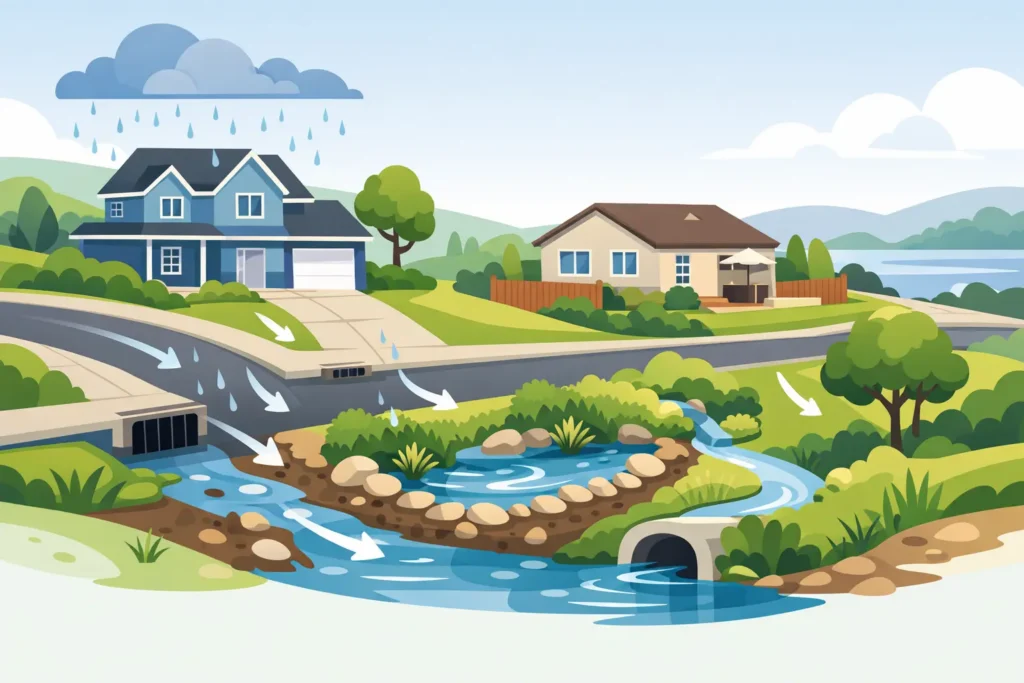
Residential water runoff is the rainwater or melting snow that does not soak into the ground and instead moves across your roof, gutters, driveway, lawn, and foundation. Every home has runoff. The real issue is whether that water is being directed where it should go.
When runoff is controlled, it leaves the roof cleanly, moves through the gutter system, exits through downspouts, and drains away from the house without eroding soil or pooling near the structure. When runoff is not controlled, it starts finding weak spots. That is when you see fascia staining, peeling paint, trenching in flower beds, foundation settling concerns, and moisture where it does not belong.
Why runoff problems get expensive fast
Water is persistent. It does not need a large opening or a dramatic storm to create damage over time. Small failures repeated over many storms are what usually lead to the big repair bills.
Foundation issues are one of the biggest concerns. If water is discharged too close to the home, the soil around the foundation expands when wet and contracts when dry. That repeated cycle can contribute to cracks, uneven settling, and water entry in basements or crawl spaces. Even homes without basements can develop grading and slab concerns when runoff is ignored.
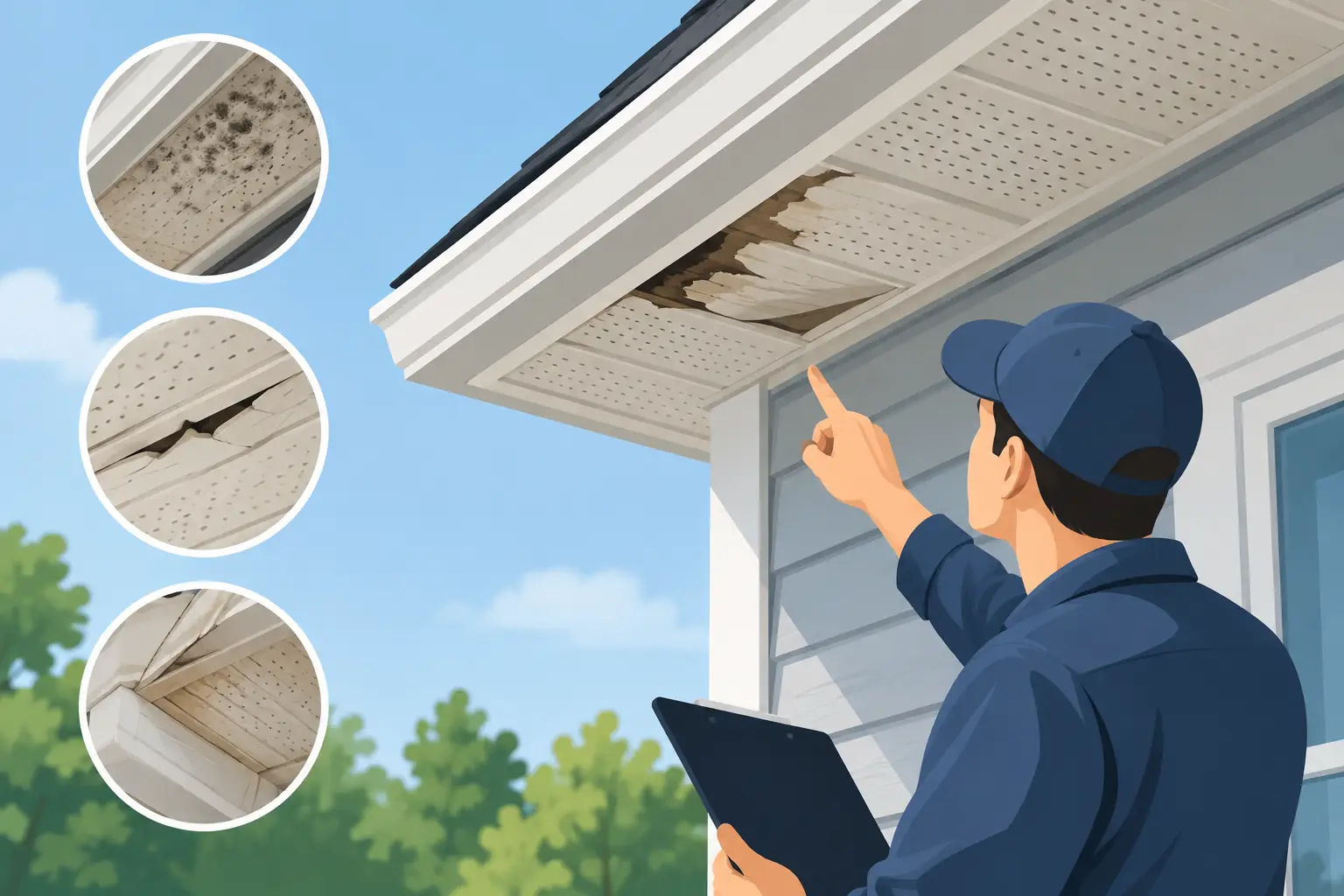
Siding and trim are also at risk. Overflowing gutters send water back onto fascia boards, soffits, windows, and exterior walls. Wood rot, mildew, and paint failure often start there. Roof edges can suffer too, especially if clogged gutters hold water where it should be draining.
Your yard pays the price as well. Fast-moving water can wash out mulch, kill grass, erode planting beds, and create muddy low spots. Homeowners sometimes focus on the visible yard damage first, but the bigger concern is usually where that same water is collecting near the home.
A guide to residential water runoff starts at the roofline
Most runoff problems begin with one simple fact – the roof sheds an enormous amount of water quickly. A moderate storm can send hundreds of gallons off a roof in a short period of time. If the gutter system is undersized, loose, clogged, pitched incorrectly, or missing in key sections, water is going to escape before it reaches the downspout.
That is why gutters are not just trim pieces. They are part of your drainage system. Seamless gutters, when properly sized and installed, reduce leak points and move water more reliably than sectional systems with multiple joints. But even a good gutter system can fail if it is packed with leaves, pulling away from the fascia, or draining into a poor discharge area.
Leaf protection matters here too, especially in neighborhoods with mature trees. Guards can reduce the constant cycle of clogging and overflow, but product quality and installation matter. Some guards simply cover the problem without improving long-term performance. Others are built to support the gutter while keeping debris out more effectively. The right choice depends on the tree coverage around your home, the roofline design, and how much maintenance you want to reduce.
The signs your runoff is not under control
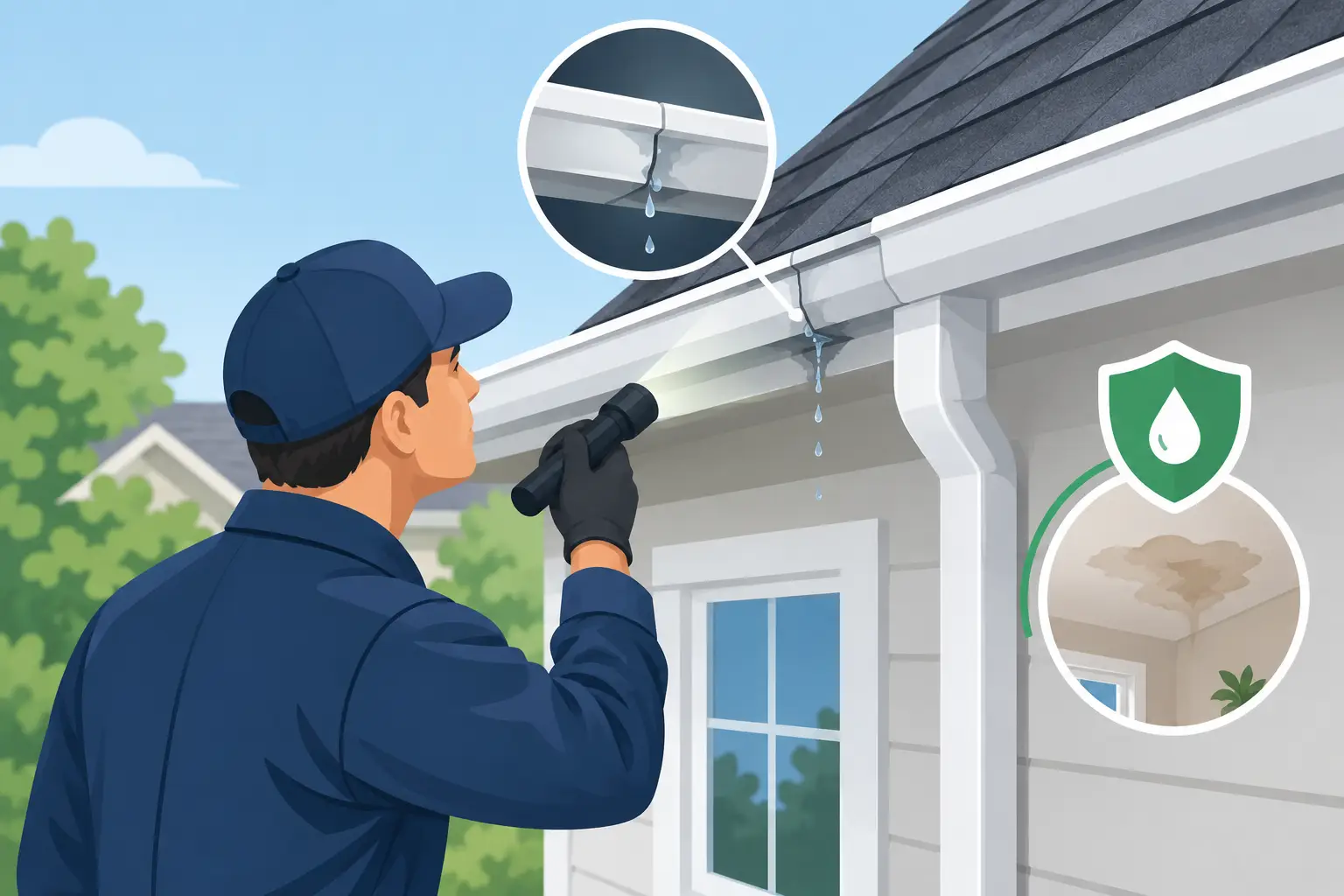
Some warning signs are obvious, and some are easy to miss until they become routine. If you notice water pouring over gutter edges during rain, that is a direct signal that the system is clogged, undersized, or not draining properly. If downspouts empty right beside the foundation, the system may be working only halfway.
Less obvious signs include dirt splash marks on siding, sagging gutters, standing water in low yard areas, and channels carved into mulch beds. Inside the home, damp basement walls, musty smells, or recurring moisture in one corner can also point back to outdoor drainage.
It depends on the age of the home and the layout of the lot. Some properties have a grading problem more than a gutter problem. Others have functional grading but poor roof drainage. Many have both, which is why runoff should be looked at as a whole system instead of one isolated fix.
What causes runoff problems at most homes
Clogged gutters are common, but they are not the only cause. Improper pitch can keep water from flowing toward the downspout. Too few downspouts can overload long gutter runs. Short downspout extensions can dump water exactly where it should not go. In some cases, splash blocks shift over time and stop directing water far enough away.
Ground slope is another major factor. If the soil angles toward the house, runoff from the roof and yard naturally returns to the foundation. Compacted soil, heavy clay, and worn-out landscaping beds can make this worse because they slow absorption and increase surface flow.
Hard surfaces add pressure too. Driveways, patios, and walkways do not absorb water, so they speed it up. On some properties, runoff from neighboring lots or shared drainage patterns can also affect your home. That is why two houses on the same street can have very different drainage issues.
The best fixes depend on where the water starts and where it ends up
A good runoff plan is not about throwing one product at the problem. It is about following the water path and correcting weak points in order.
If the issue starts at the roof edge, the first step is usually gutter repair, cleaning, or replacement. Loose hangers, leaking seams, and sagging sections all reduce performance. If the system is older or patched repeatedly, replacement may be more cost-effective than ongoing repairs. For many homeowners, seamless gutters are the cleanest long-term fix because they minimize joints and improve flow consistency.
If debris is the main issue, adding a high-quality leaf protection system can reduce overflow and cut back on risky ladder work. That does not mean every home will never need maintenance again, but it can dramatically improve day-to-day performance.
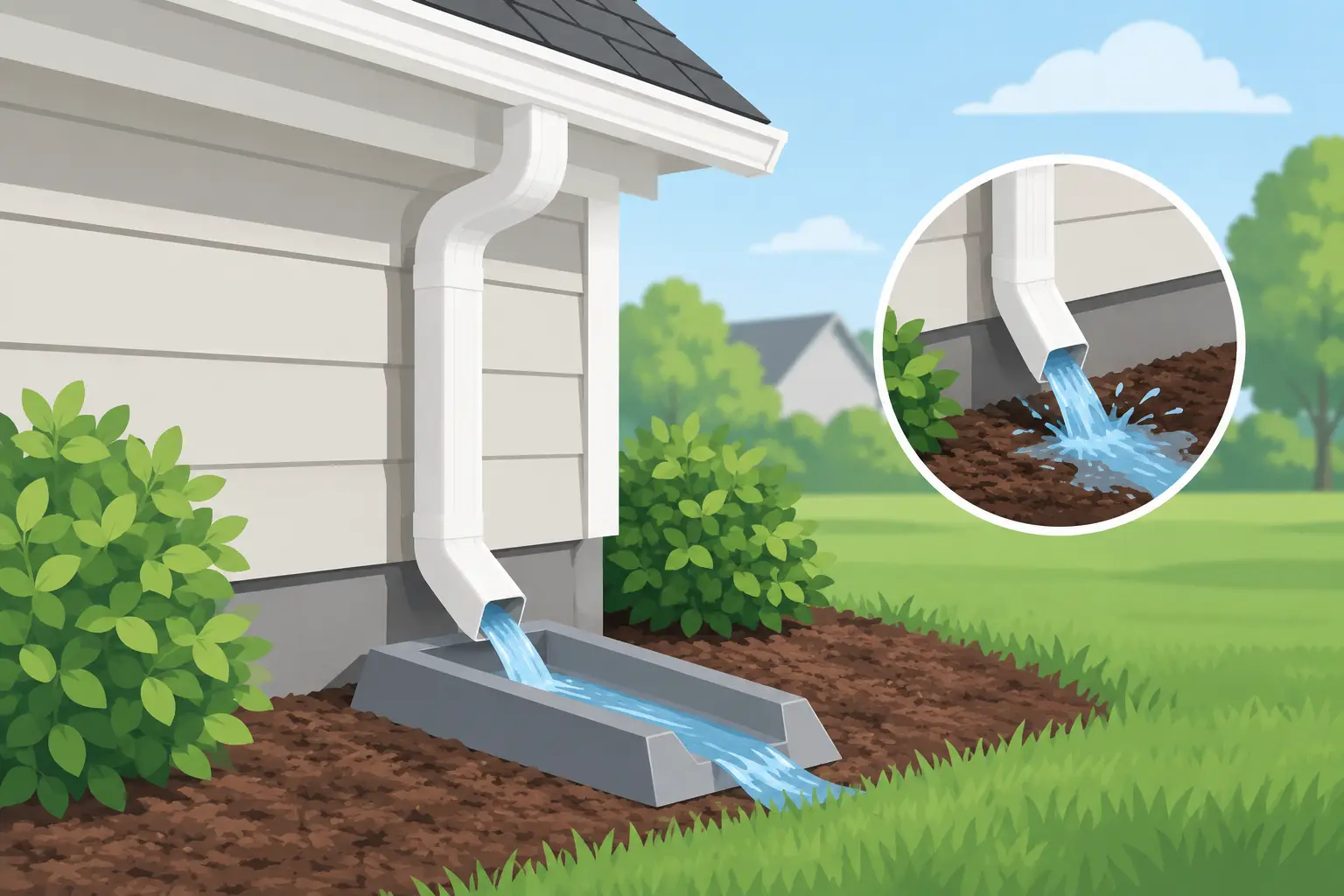
If the gutters are working but water is still collecting near the home, then downspout discharge and grading need attention. Downspouts should carry water away from the foundation, not just out of the gutter. In some cases, extending the discharge point is enough. In others, regrading or adding a drainage solution in the yard may be necessary.
How homeowners should think about inspection and estimates
Runoff issues are frustrating because they often show up only during storms. Homeowners end up guessing between rains and hoping a quick fix is enough. A better approach is to have the full drainage system inspected with a focus on roof edge collection, downspout routing, and the ground conditions around the foundation.
This is where transparency matters. You should know what is failing, what is still serviceable, and what can wait. Detailed, itemized estimates help separate urgent repairs from smart upgrades. That is especially useful when the problem has more than one cause and you need to prioritize work without surprises.
For homeowners in Eastern Indiana and Western Ohio, that straightforward approach matters as much as the repair itself. If a contractor cannot explain where the water is going and why, it is hard to trust the recommendation.
Preventing runoff problems before the next storm season
The most effective prevention is regular attention before damage starts showing up inside or around the foundation. Gutters should be checked for clogs, fastener issues, and proper drainage. Downspouts should discharge well away from the home. Low spots in the yard should be watched, especially after repeated storms.
Seasonal timing matters. Fall leaf drop creates obvious gutter issues, but spring storms often expose drainage failures that were building quietly all winter. If you have had ice, heavy rain, or wind, it is worth checking for separation, slope problems, and hidden debris.
For homeowners who want fewer maintenance headaches, investing in a stronger gutter system and a proven guard product can make a real difference. Companies like Seamless Gutter Solutions focus on that full-picture approach because protecting the home is the goal, not just clearing a clog and moving on.
Water always wins when it is ignored. The good news is that runoff problems are usually easier to fix when you catch them at the first sign instead of the fifth storm.