
Gutter systems are one of the most essential yet often-overlooked components of home exteriors, channeling rainwater away from the roof, walls, and foundation to prevent water damage to your property. Unfortunately, over time, gutters may experience issues–particularly in climates like Richmond, Indiana, with heavy rainfall, and dropping leaves from trees falling onto the ground, as well as snowfall and ice accumulations that contribute to blockages in gutters.
Understanding the most prevalent gutter issues can help you identify potential problems early and take preventive steps before minor concerns escalate into costly repairs. We will examine some of the common issues Richmond residents encounter with their gutters, discuss their significance, and outline steps that can be taken to prevent future occurrences.
Clogged Gutters
Clogged gutters are one of the primary concerns with gutter systems, as debris such as leaves, twigs, dirt, and even shingle granules often gather inside them, impeding the free flow of water. Clogs are particularly prevalent during autumn leaves’ heavy fall-off. In Richmond, where autumn brings such heavy falls of leaves, clogs are especially prevalent.
Why it’s a problem:
Clogged gutters cause water to overflow and seep down the sides of a home, damaging siding, and landscaping, and even seeping into its foundation. Furthermore, trapped water may form into ice dams, placing further strain on gutter systems.
Prevention:
Cleaning your gutters at least twice every year – in spring and autumn–should usually suffice to prevent major clogs. Installing gutter guards may further reduce this frequency.
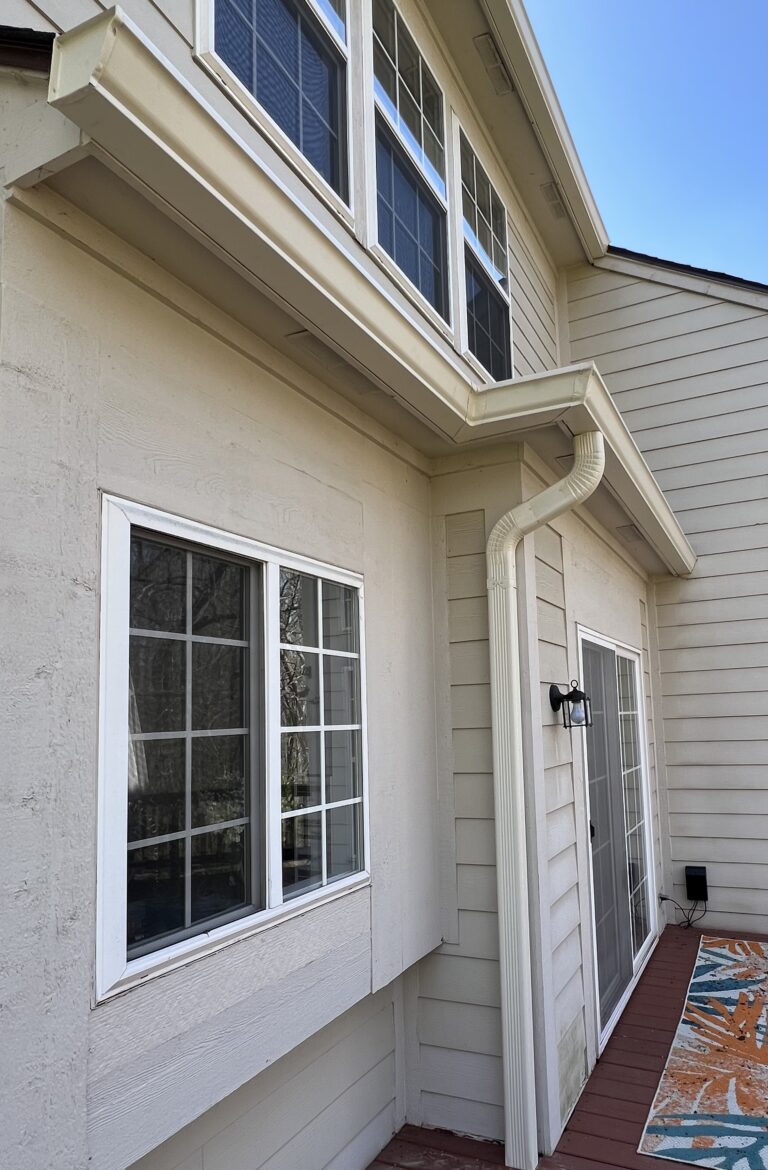
Leaking Gutters
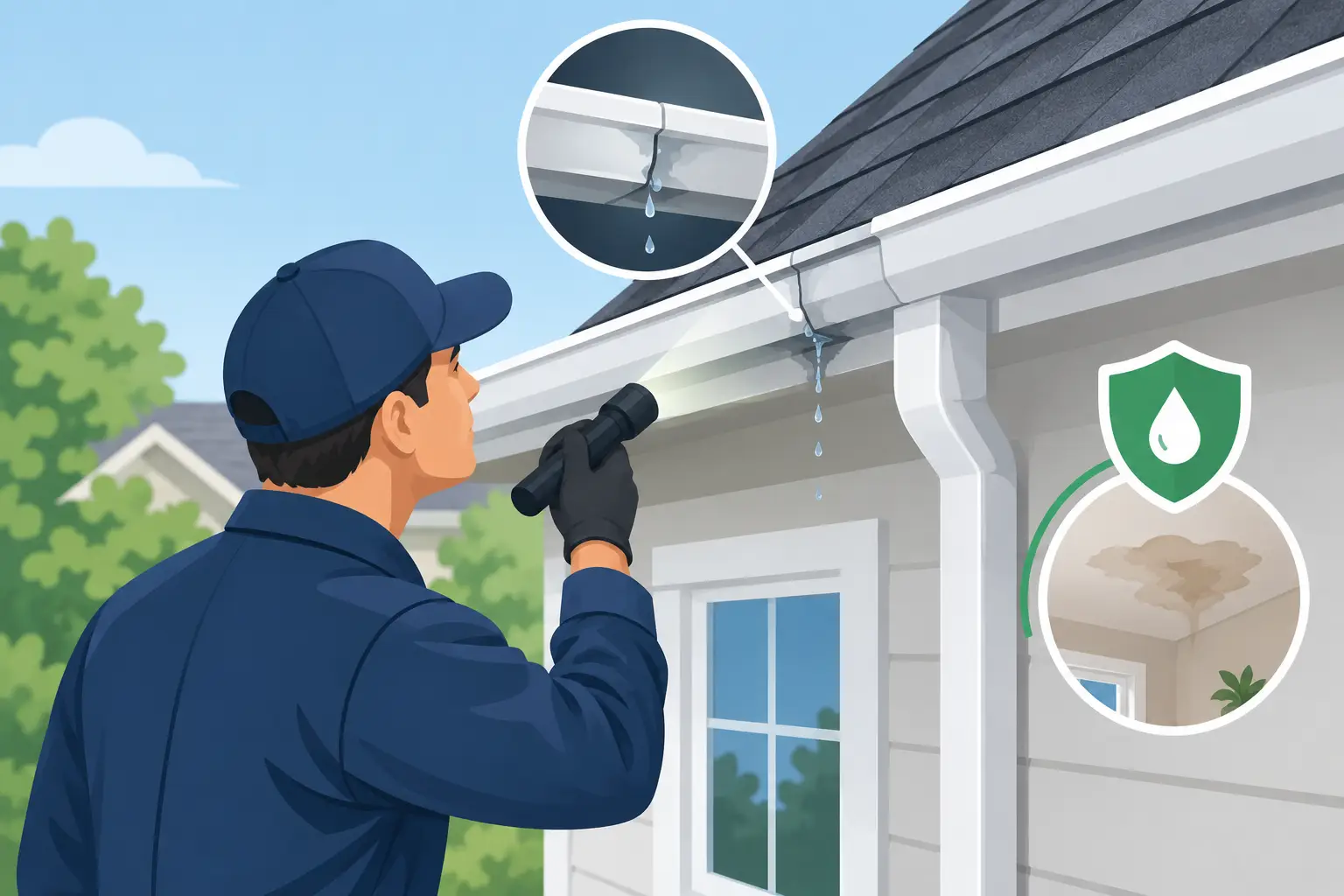
As time progresses, gutters may develop leaks due to cracks, holes, or separated seams. Older metal gutters may corrode and weaken over time, while vinyl ones may crack due to weather fluctuations.
Why it’s a problem:
Leaky gutters completely defeat their intended function; rather than diverting water safely away, they allow it to pour down onto walls, fascia boards, and window frames, where it causes significant damage such as rot and staining.
Prevention and repair:
Small leaks can usually be resolved using gutter caulk or patch kits, while larger damages may require the replacement of sections of gutter. Regular inspections help identify leaks before they worsen.
Sagging or Detached Gutters
Gutter systems that sag or pull away from rooflines are an all too familiar sight when debris builds up or hangers become loose; snow and ice in Indiana winters further strain gutter brackets.
Why it’s a problem:
Sagging gutters cannot effectively channel water, leading to pooling, overflow, structural strain, and even detaching sections that leave your home exposed during storms.
Solution:
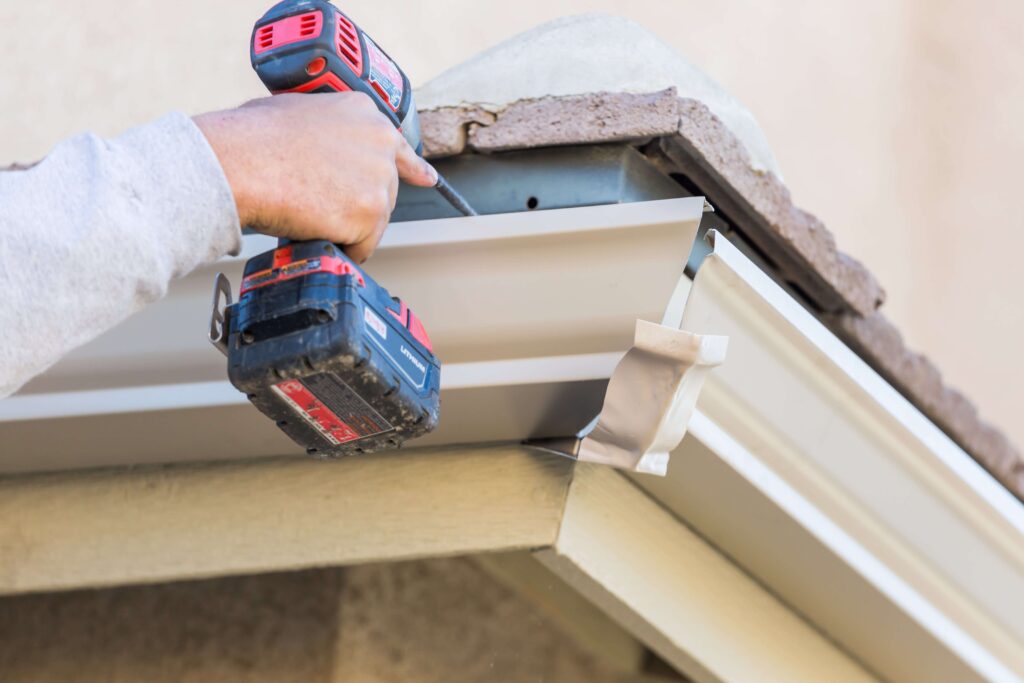
Tightening or replacing gutter hangers may help remedy sagging gutters; however, in cases of warped or bent gutters, it may be wise to replace them entirely.
Improper Pitch
Gutters must be installed with a slight downward slope that directs water toward their downspouts; otherwise, water may pool instead of draining away quickly from its source.
Why it’s a problem:
Staying away from standing water increases the risks associated with rust, leaks, and insect breeding; its weight could even cause gutters to collapse over time.
Solution:
Adjusting hangers as necessary, along with using a level, may restore its original pitch; professional reinstallation may also be required in certain instances.
Damaged or Blocked Downspouts
Even when your gutters are clean, issues with downspouts could prevent water from draining correctly. They could become blocked with debris or be crushed during impacts; even worse, they could become detached from their gutter.
Why it’s a problem:
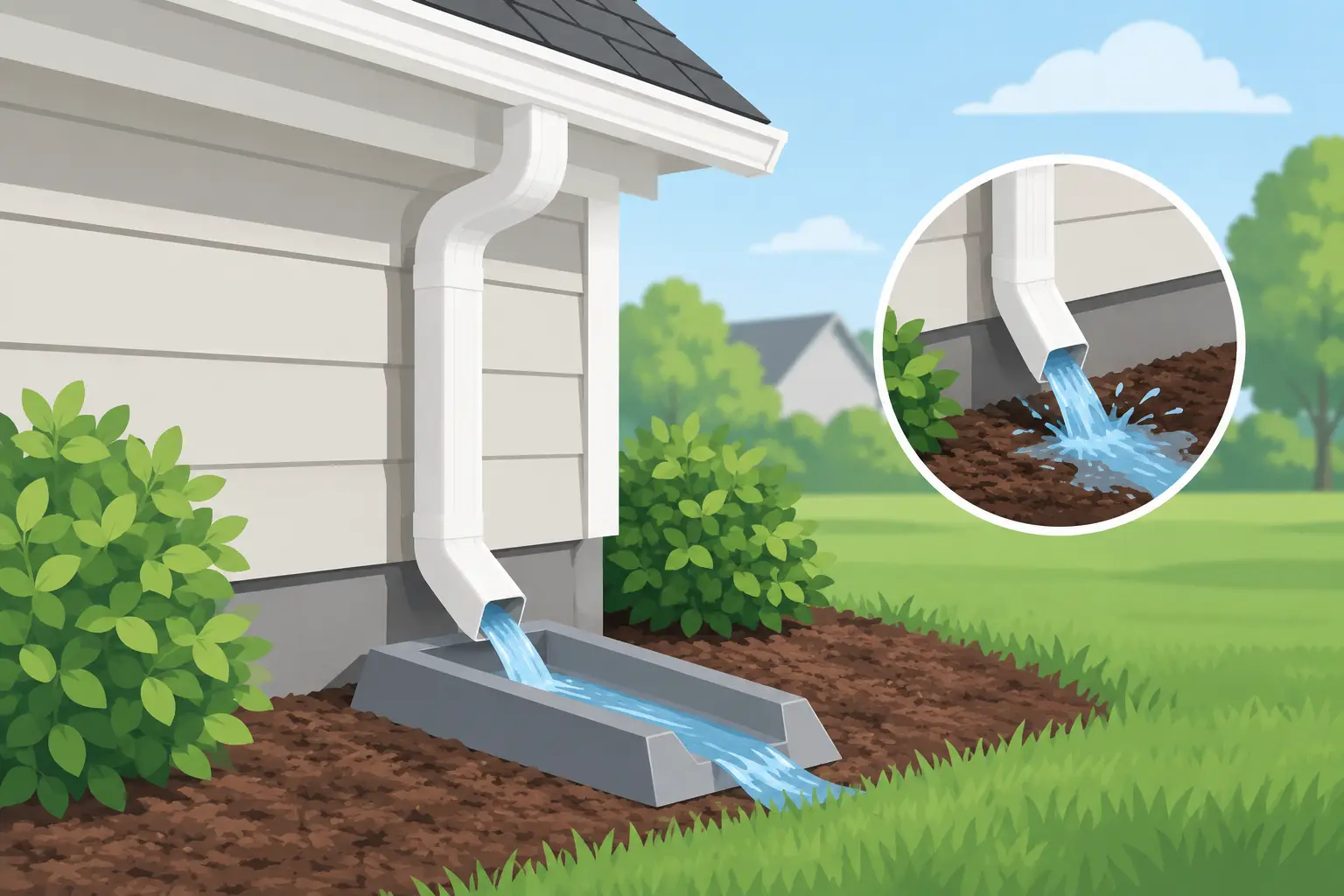
Failing downspouts create a situation in which water has nowhere to go and often finds its way back up through gutters into homes’ foundations, increasing the risk of basement flooding and structural issues.
Solution:
Flushing downspouts with a garden hose to check for blockages is also recommended to direct more of the water away from the foundation. Extensions may also be added if necessary.
Rusted or Deteriorated Gutters
Over time, older metal gutters – specifically galvanized steel ones – may become susceptible to corrosion and eventually rust, weakening their material and leading to holes forming in them.
Why it’s a problem:
Rust can compromise not only your gutter’s effectiveness but also reduce its lifespan – increasing the risk of water damage once holes appear in it.
Solution:
Routine maintenance and touch-up painting may help delay rusting, but eventually, more durable materials such as aluminum or vinyl may need to be utilized as permanent solutions.
Why These Gutter Problems Matter
Reducing gutter problems could result in much greater implications for your home:
- Water Damage: Clogged gutters can cause considerable damage to siding, roofing materials, and interior walls.
- Foundation Issues: Poor drainage causes stagnant pools of liquid to gather around your home’s foundation, leading to erosion of soil and cracking of foundations.
- Pest Infestations: Standing water can attract mosquitoes and other bugs that carry diseases.
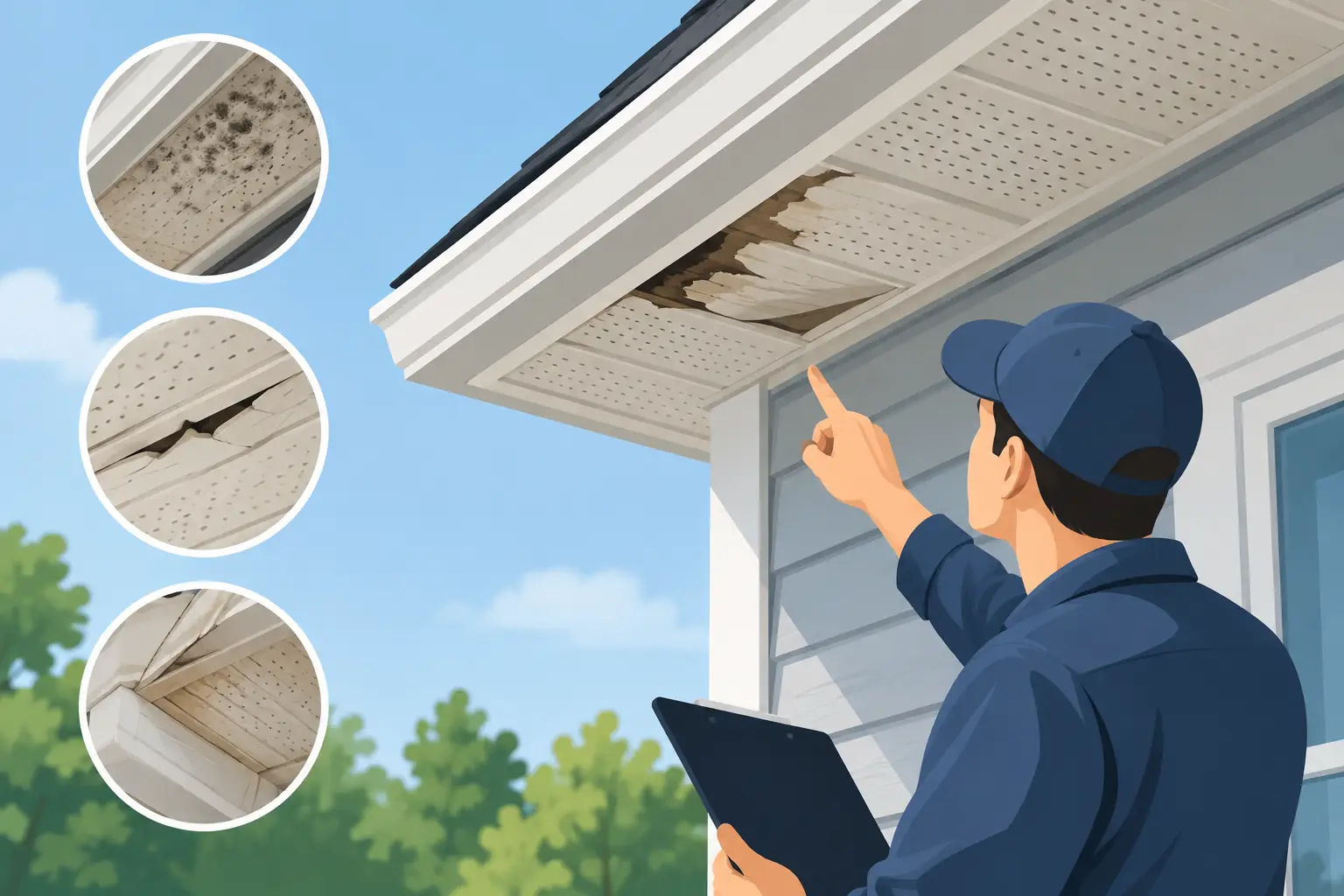
- Rotting Wood: Moisture trapped near fascia boards and soffits can lead to wood rot and structural weakness.
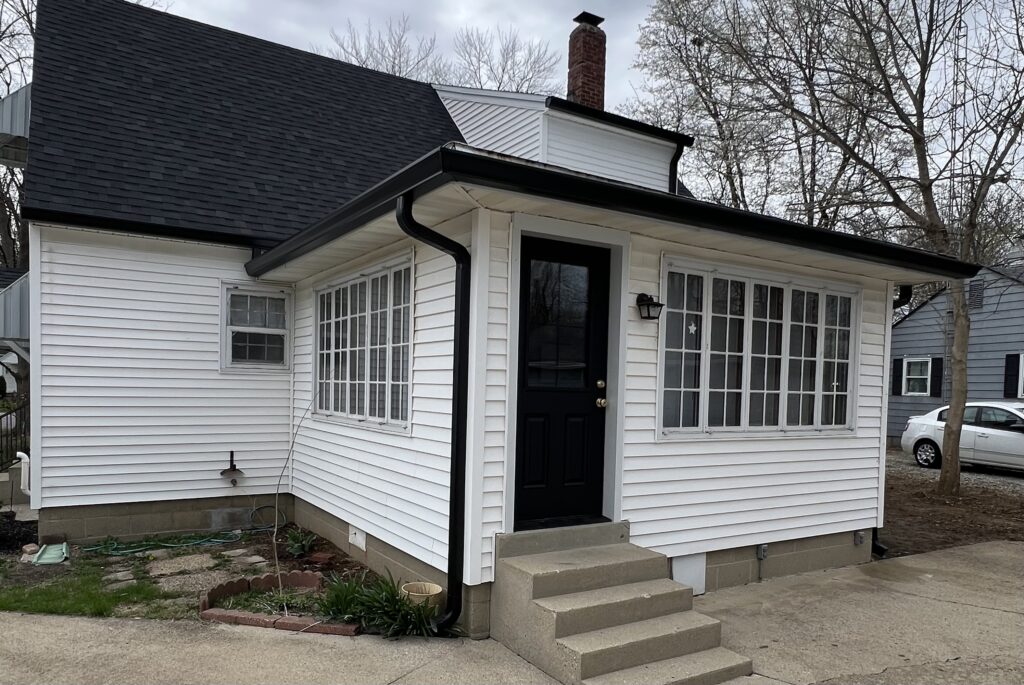
What You Can Do as a Homeowner
Gutter maintenance can be a time-consuming effort, but every little effort put forth goes a long way toward protecting your home:
- Clean regularly: At least twice annually or more frequently if your property includes many trees.
- Inspect visually: Check for signs of sagging, rust or leakage during regular home checks.
- Test water flow: Periodically run water through your gutters to ensure they drain away effectively.
- Seek professional help: If the damage is extensive or ongoing, contact a reputable gutter repair expert in Richmond for professional service.
Conclusion
Gutter maintenance may not be glamorous, but it is an integral component of protecting your home from water damage. Residents in Richmond, IN often face issues like clogs, leaks, sagging gutters, and improper pitch due to seasonal weather changes. Still, with regular inspections and timely repairs by experts, you can extend the life of your gutter system while protecting its foundation and exterior walls against future water damage.
Say Goodbye to Leaks and Sagging Gutters
Don’t let damaged gutters put your home at risk. At Seamless Gutter Solutions, we specialize in expert gutter repairs that keep your system working like new. From leaks and sagging gutters to storm damage, our skilled team provides reliable solutions that protect your foundation, siding, and landscaping.
We take pride in delivering high-quality workmanship with durable materials, ensuring your gutters last longer and perform more effectively. Whether it’s a minor fix or a major repair, you can trust us to get the job done right the first time.
Call Seamless Gutter Solutions today for fast, professional gutter repairs in Richmond and the surrounding areas. Let us restore your peace of mind and keep your home safe from costly water damage. Schedule your free quote now and protect your investment.
Frequently Asked Questions
Most experts recommend cleaning gutters at least twice a year—once in the spring and once in the fall. Homes surrounded by trees may need more frequent cleaning.
Watch for leaks, rust spots, sagging sections, peeling paint, or water pooling around the foundation. These are clear signs that your gutters need attention.
Yes. While gutter guards don’t eliminate cleaning entirely, they greatly reduce the amount of debris that enters the gutters, cutting down on maintenance and preventing clogs.
Absolutely. When water overflows or pools near the base of your home, it can erode soil, create cracks, and lead to costly foundation repairs.
If your gutters only have minor leaks or sagging, repairs are usually sufficient. However, if they are rusted, corroded, or frequently need fixes, replacement may be the better long-term investment.