
A gutter can look acceptable from the driveway and still be sending water toward your foundation every time it rains. That is why gutter repair before after results should be judged by more than a cleaner appearance. The real difference is where the water goes, how reliably the system holds together, and whether your home is protected during the next hard rain.
For homeowners in Eastern Indiana and Western Ohio, small gutter issues can turn into larger exterior repairs quickly. Heavy spring rain, falling leaves, winter ice, and shifting temperatures all put pressure on hangers, seams, downspouts, and fascia boards. A proper repair addresses the cause of the problem, not just the visible symptom.
What Gutter Repair Looks Like Before the Work Starts
Before repair, the warning signs are often easy to dismiss. You may see water spilling over one section during rain, a downspout that drips at its joints, or a gutter line that looks uneven along the roof edge. There may also be dark streaks on siding, mulch washed out of flower beds, standing water near the foundation, or peeling paint on fascia boards.
Some problems are obvious. A loose gutter may pull away from the house, a crushed downspout may restrict water flow, or a seam may visibly separate. Others need a closer inspection. Gutters can hold water because they were installed without the correct slope, because debris has collected near an outlet, or because the gutter has settled as its fasteners loosened.
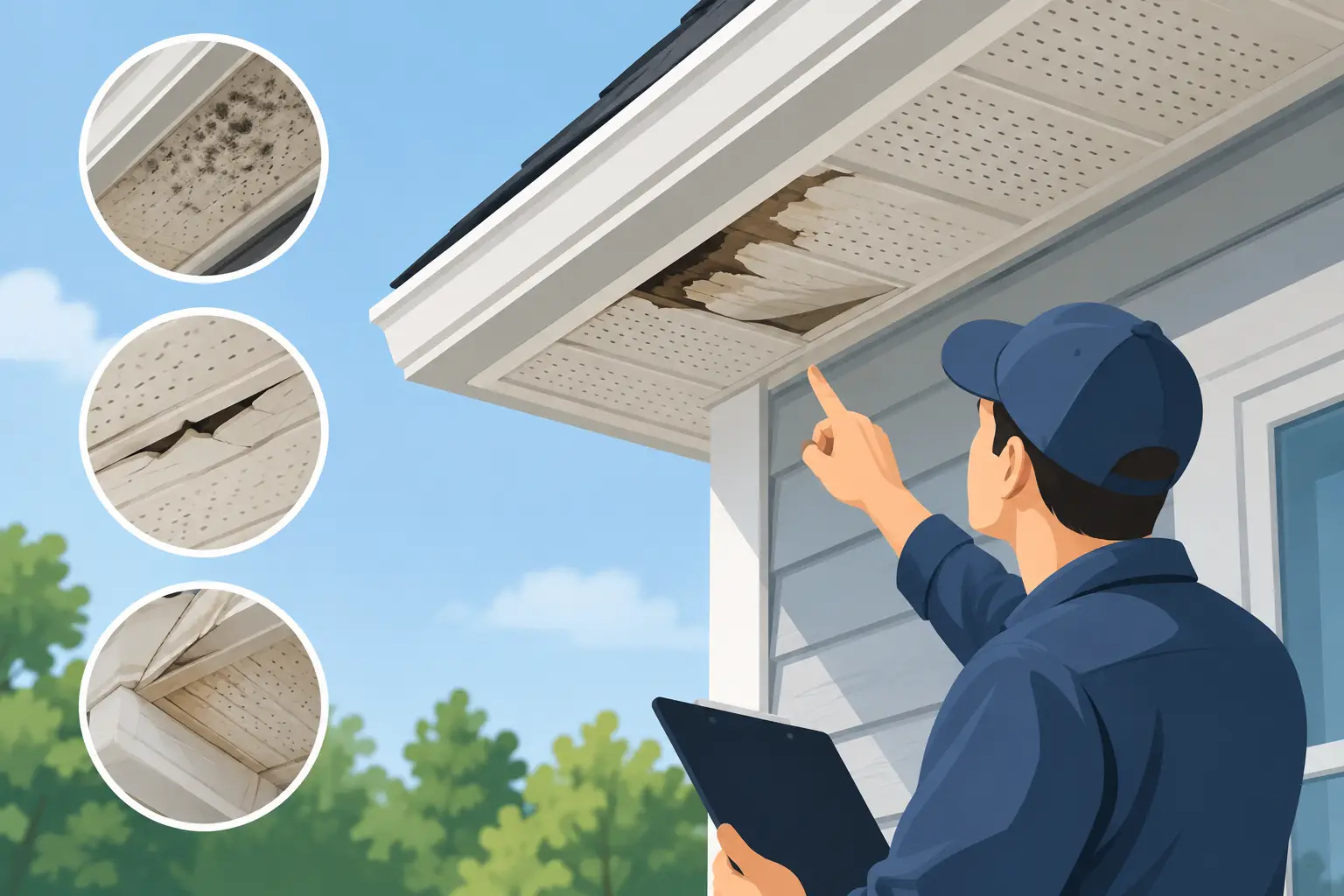
The condition of the surrounding materials matters, too. If water has repeatedly overflowed behind the gutter, the fascia may be soft or deteriorated. If runoff has landed in the same area for years, foundation soil may be eroded and landscaping may be damaged. Repairing the gutter is the first step, but protecting the home may require correcting the full drainage path.
Gutter Repair Before After: Changes You Should See
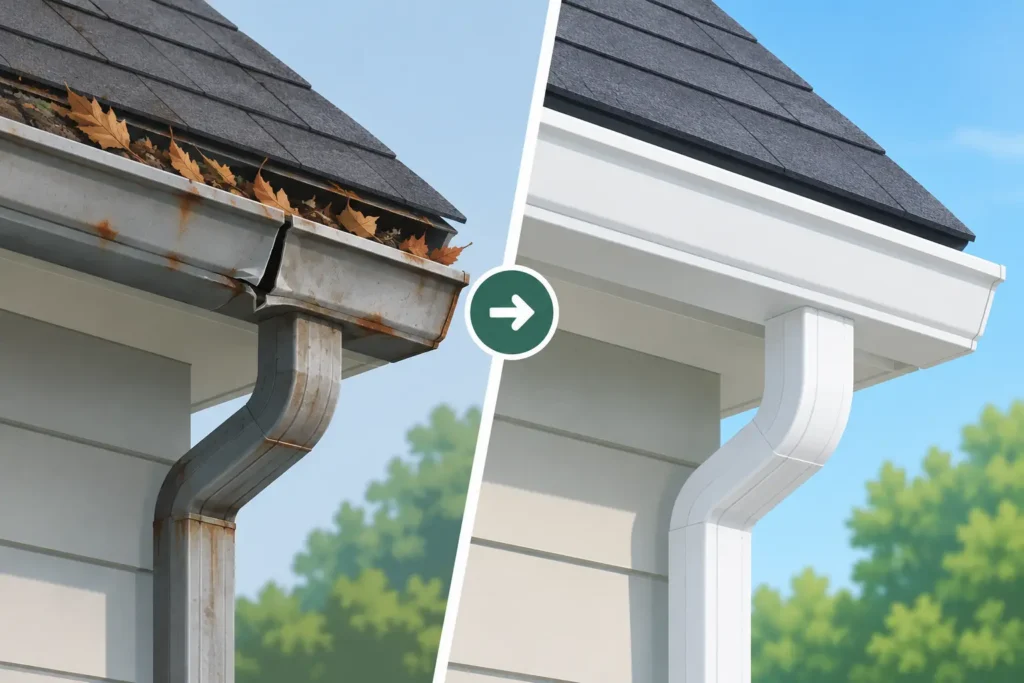
After a quality repair, the gutter should sit securely against the fascia and follow a clean, consistent line. It should not sag between hangers, pull away at the corners, or appear twisted. During rainfall, water should move steadily toward the downspout instead of pooling in the channel or spilling over the front edge.
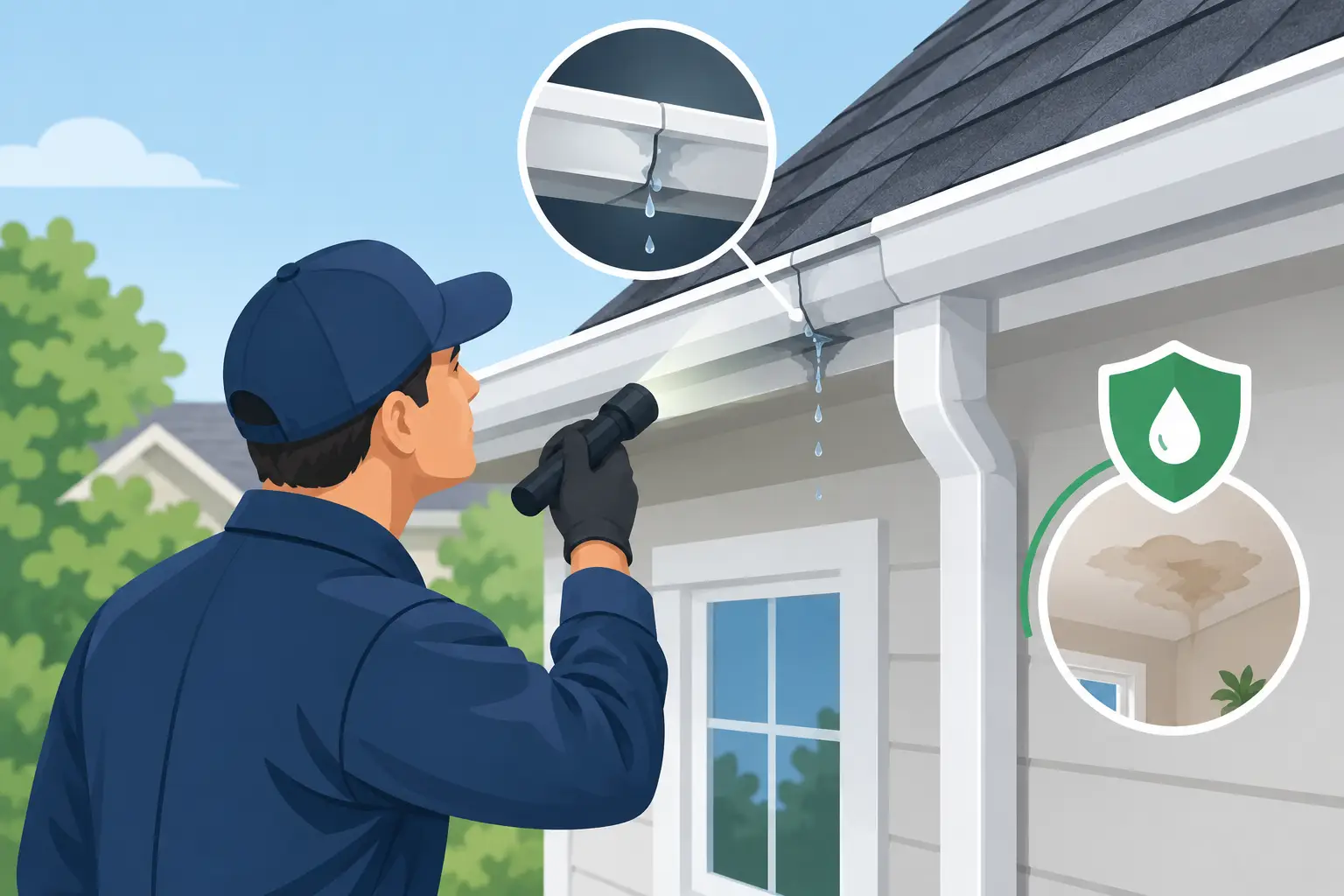
A repaired section should also be sealed where it needs to be sealed. Leaks at end caps, corners, outlets, and seams should be addressed with materials suited for gutter work, not a temporary patch that fails after a few temperature changes. Fasteners should be secure, and downspout connections should direct water away without dripping onto siding or collecting at the base of the home.
The most meaningful after-photo may not be taken on a sunny day. It is the one you can picture during a storm: water enters the gutter, travels to the outlet, moves through the downspout, and discharges away from the foundation. If the repair does not improve that flow, the cosmetic improvement is not enough.
Proper Slope Is a Functional Improvement
Gutters are not installed perfectly level. They need a slight pitch toward the downspout so gravity can carry water out. The slope is subtle enough that it may not be noticeable from the ground, but it makes a major difference in performance.
When a gutter holds standing water, debris breaks down faster and adds extra weight. That weight can strain hangers and increase the chance of sagging. Stagnant water can also freeze in cold weather, placing additional stress on the gutter and its attachments. Correcting the pitch helps the system drain as intended and reduces these recurring problems.
Secure Hangers Protect More Than the Gutter
Loose, bent, or widely spaced hangers can allow a gutter to sag or separate from the roofline. In some cases, homeowners notice the issue only after a storm when a section has pulled down noticeably. The repair should include a close look at the fastening system, not simply pushing the gutter back into place.
Secure hangers help the gutter carry the weight of rainfall, wet leaves, and occasional snow and ice. They also help prevent water from getting behind the gutter, where it can damage fascia and roof-edge materials. If the board behind the gutter is already compromised, that should be identified before new fasteners are installed. A screw cannot hold reliably in rotted wood.
Downspouts Must Carry Water Far Enough Away
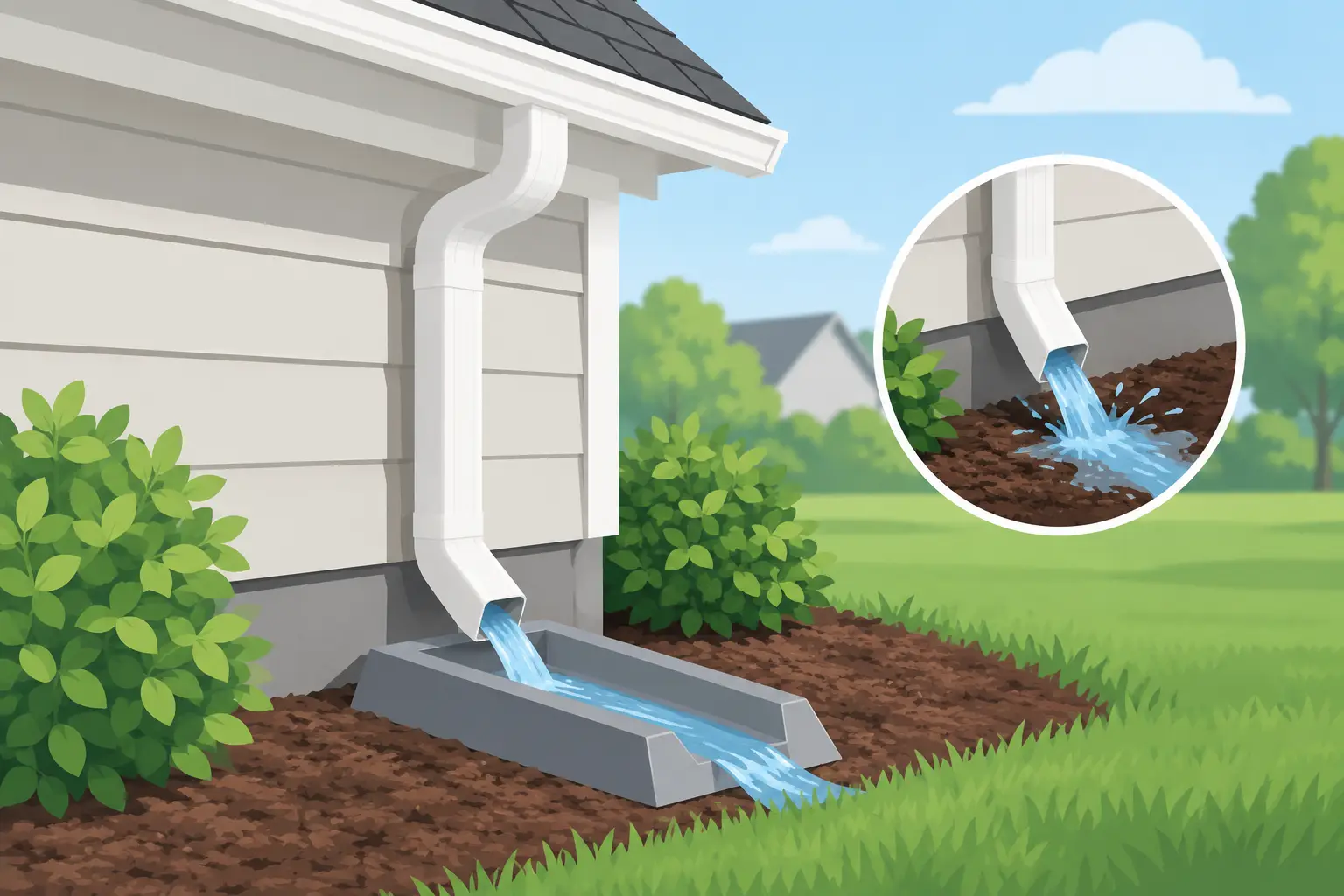
A gutter repair can be successful at the roofline but incomplete at the ground. Downspouts need to be clear, firmly connected, and positioned to move runoff away from the house. If water pours out next to the foundation, it can saturate the soil, contribute to basement moisture, and undermine landscaping.
The right discharge approach depends on the property. A short extension may be enough on some lots, while others need a longer route because of grading, walkways, or planting beds. The goal is straightforward: keep roof runoff from returning to the home.
When Repair Makes Sense and When Replacement Is Smarter
Repair is often a good choice when the issue is isolated. A leaking corner, a loose hanger, a damaged downspout section, or a small area with poor pitch may be corrected without replacing the entire system. Prompt repairs can prevent a manageable problem from becoming damage to siding, trim, landscaping, or the foundation.
Replacement may be the better value when there are repeated leaks, widespread corrosion, multiple sagging runs, or extensive seam failure. Older sectional gutters have more joints, which means more possible leak points. If the system has been repaired several times and new problems keep appearing, continuing to patch it can cost more over time than installing a properly designed seamless gutter system.
Seamless gutters are formed to fit the home, reducing the number of seams along each run. They are not maintenance-free, and they still need proper installation and drainage planning. However, fewer joints can mean fewer common locations for leaks to develop.
Leaf buildup should also factor into the decision. If clogged gutters are causing overflow year after year, cleaning alone may not solve the underlying maintenance burden. A premium continuous-hanger guard system, such as Double Pro by Alurex, can help keep larger debris out while supporting the gutter system. Whether a guard is worthwhile depends on the tree cover around the property, roof design, and how often debris collects.
What a Thorough Repair Inspection Should Cover
A useful inspection starts with more than the damaged spot. The full gutter line should be reviewed for slope, loose attachments, standing water, clogged outlets, leaking joints, and areas where water may be getting behind the gutter. Downspouts should be checked for blockage and for the direction of discharge at ground level.
The roof edge, fascia, siding, and surrounding landscape should also be considered. These areas often show the history of a drainage problem. For example, a stain on the siding may point to an overflowing gutter above it, while a washed-out bed may show that a downspout has been discharging too close to the home.
Homeowners should receive a clear explanation of what is wrong, what repair is recommended, and what the work will cost. A detailed, itemized quote helps distinguish necessary repairs from optional upgrades. It also gives you the information needed to decide whether a targeted repair or system replacement makes more financial sense.
How to Get a Better Result From Your Repair
After repairs are completed, check the system during the next steady rain if it is safe to do so from the ground. Look for overflow, drips at repaired connections, and water collecting near the foundation. Do not climb a ladder during wet or stormy conditions. A visual check from below can tell you a lot about how the system is performing.
Keep up with seasonal cleaning if the gutters are unprotected, especially after fall leaf drop and before periods of heavy rain. Even a well-repaired gutter cannot drain properly when outlets are blocked. If you are tired of frequent cleaning or have recurring clogs, ask whether leaf protection would fit your home and maintenance goals.
Seamless Gutter Solutions LLC provides free inspections and estimates with detailed quotes and no hidden fees, so homeowners can understand the condition of their system before committing to work. That kind of clarity matters when the goal is not merely to fix a gutter, but to protect the home beneath it.
A good gutter repair should leave you with less to worry about the next time the forecast calls for rain. Watch where the water goes, not just how the gutter looks. That is the before-and-after change that protects your property.