
A gutter pulling away from the roofline is rarely just a gutter problem. The board behind it may be soft, split, or rotting from years of overflow. When homeowners face gutter fascia repair vs replacement, the right choice comes down to the condition of the wood, the source of the water issue, and whether a repair will truly hold up through the next heavy rain.
For homes across Eastern Indiana and Western Ohio, freeze-thaw cycles, wind, clogged gutters, and seasonal downpours can turn a small fascia issue into damage to the roof edge, siding, soffit, or foundation. A clear inspection helps separate a manageable repair from a problem that needs a more complete solution.
What Fascia Does for Your Gutter System
Fascia is the horizontal board along the lower edge of your roof. In many homes, gutters are secured directly to this board with hangers or fasteners. It gives the gutter system a stable mounting surface and creates a finished edge along the roofline.
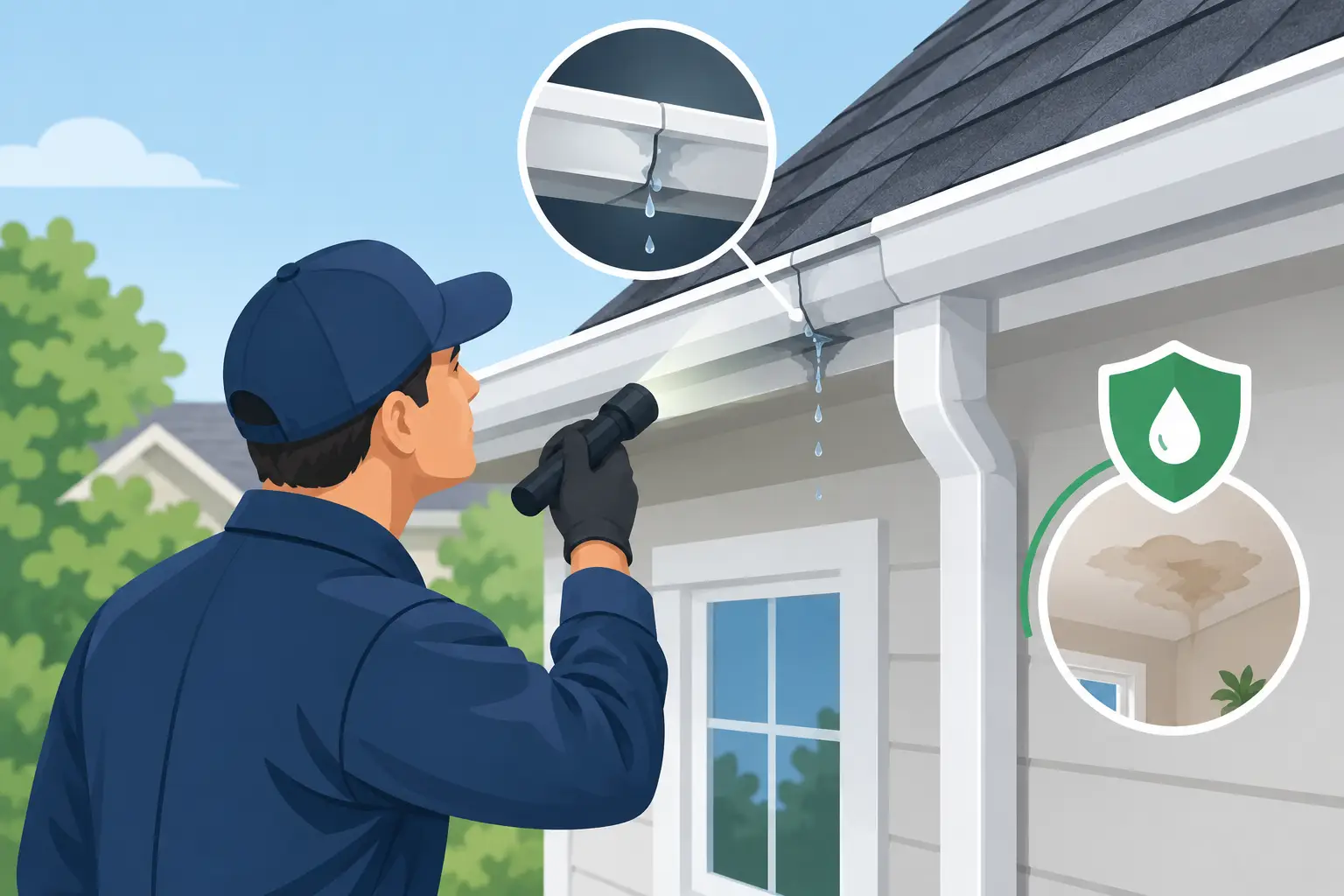
When fascia is solid, properly pitched gutters can collect rainwater and direct it safely toward the downspouts. When fascia begins to fail, gutter hangers may loosen, sections can sag, and water may run behind the gutter instead of into it. That hidden runoff is often what causes the damage to spread.
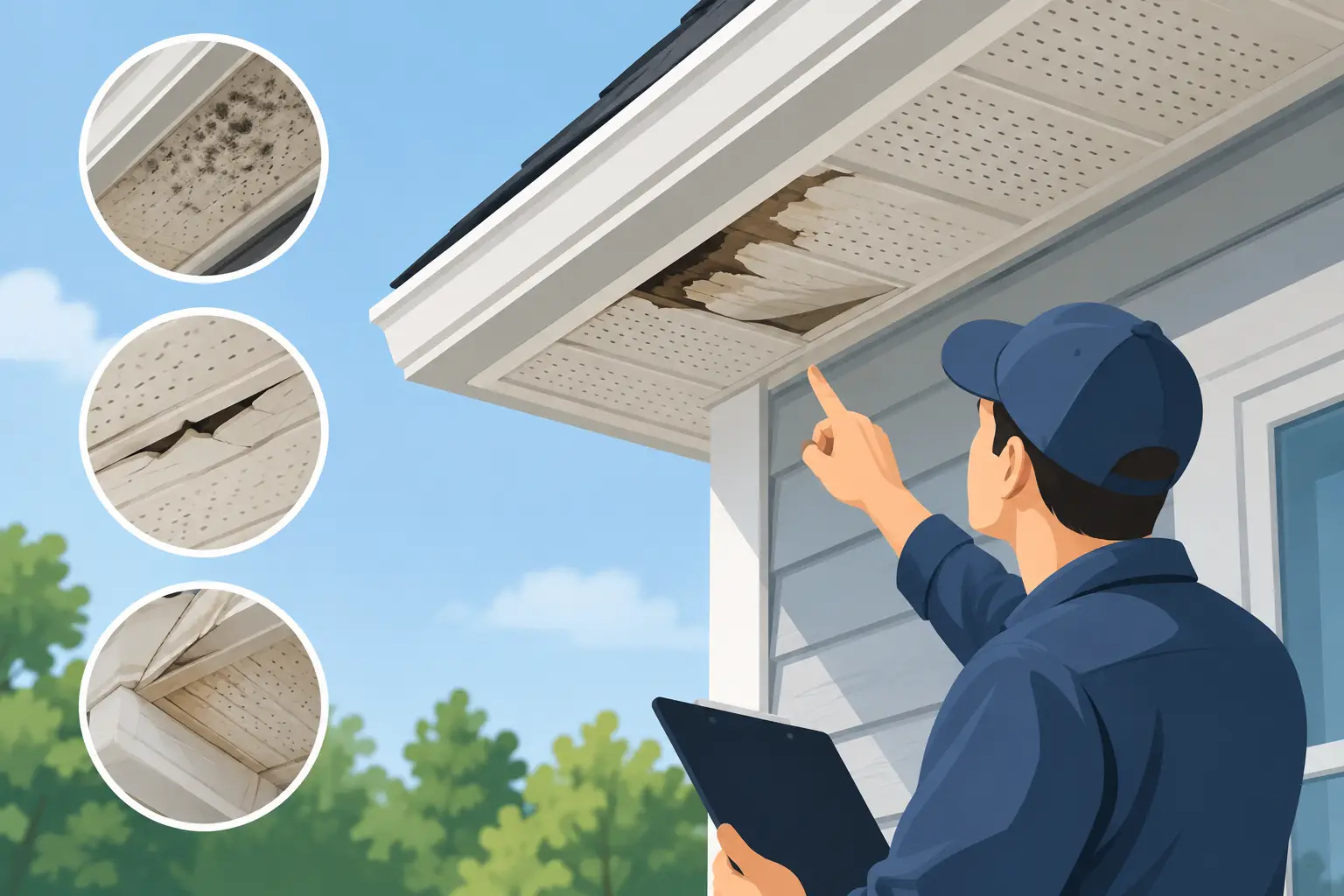
Fascia problems are not always obvious from the ground. Peeling paint, dark staining, a bowed gutter run, visible gaps at the roof edge, or water dripping behind the gutter are all reasons to have the area checked. The goal is not simply to make the gutter look straight again. It is to make sure the structure holding it is sound.
Gutter Fascia Repair vs Replacement: The Main Difference
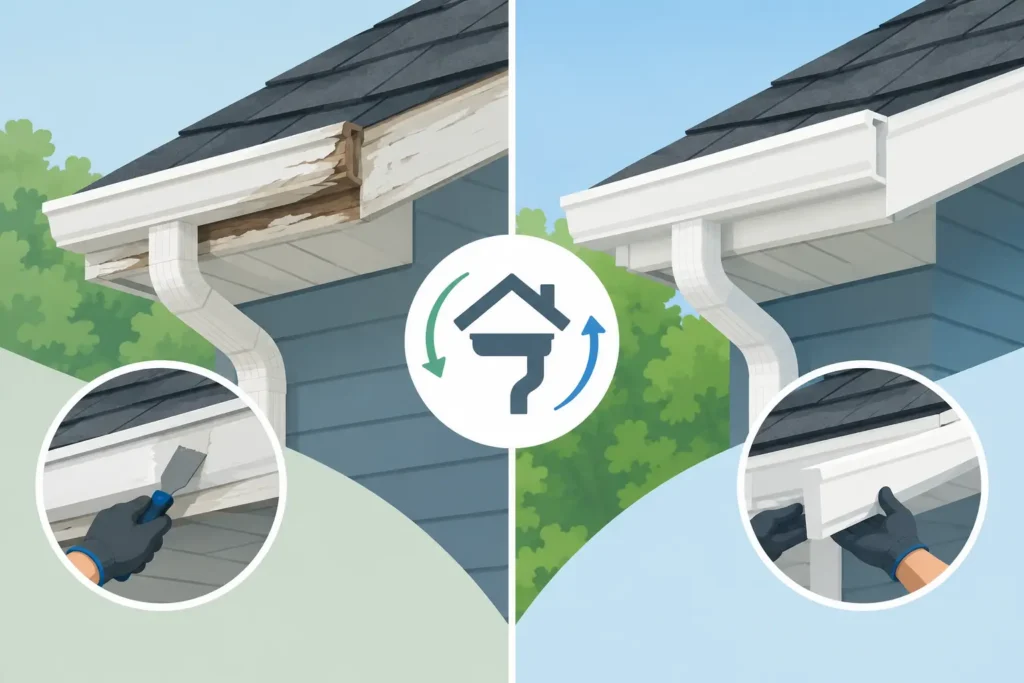
A fascia repair addresses a limited damaged area while preserving the surrounding board. Replacement removes compromised fascia and installs new material over a larger section or the full affected run. Neither option is automatically better. A good decision depends on how far moisture damage has traveled.
Repair is often appropriate when the issue is isolated. For example, water may have repeatedly overflowed at one clogged downspout, leaving a short section of fascia with surface rot while the rest of the board remains firm and dry. A contractor can remove the damaged portion, correct the drainage issue, and securely reattach or replace the gutter section as needed.
Replacement makes more sense when rot extends along the board, fasteners no longer bite into solid material, or the damage reaches the soffit or roof decking. Covering over widespread deterioration may improve appearance for a while, but it does not restore the strength needed to support a gutter full of rainwater, ice, and debris.
The practical question is simple: does the existing fascia still provide a dependable mounting surface? If the answer is no, replacement is usually the safer investment.
When a Repair May Be Enough
A targeted repair can be cost-effective and durable when it solves both the visible damage and its cause. It is most likely to work when the wood is solid beyond a small affected area and the gutter system itself is still in good condition.
Common repair situations include a loose hanger caused by a single stripped fastener, minor surface deterioration near an end cap, or a short area damaged by an overflowing gutter during a clog. In these cases, the repair should include proper sealing, secure fastening, and a check of gutter pitch and downspout flow.
Do not assume that new screws alone are a repair. Fastening a hanger into soft wood can temporarily pull the gutter back into place, but it will loosen again under load. Similarly, repainting stained fascia without correcting overflow may hide the warning sign while moisture continues to work behind the gutter.
A repair is also worth considering if a recent storm damaged one portion of an otherwise healthy gutter run. The surrounding materials should still be inspected, since water can move farther behind the gutter than the exterior staining suggests.
Signs Replacement Is the Better Choice
Replacement is generally the better option when the fascia has lost structural integrity or when recurring water exposure has affected multiple areas. It costs more upfront than a small patch, but it can prevent repeated service calls and protect the roof edge from more extensive damage.
Look for soft or crumbling wood, long sections of peeling paint, gutters that pull away despite new fasteners, or visible sagging along the roofline. Dark streaks on siding, mold-like discoloration near the soffit, and water stains inside an exterior wall can also point to a longer-running drainage problem.
Replacement may also be needed if the gutter system is undersized, poorly pitched, or nearing the end of its service life. Installing a new seamless gutter system on failing fascia is not a good long-term solution. The supporting structure should be repaired first, then the gutters should be mounted correctly for dependable drainage.
This is especially true where snow and ice can add weight to a gutter. A weakened board may seem acceptable during dry weather but fail when it has to support water, wet leaves, and winter ice buildup.
Find the Water Problem Before Fixing the Board
Fascia damage is usually a symptom. The lasting solution begins with identifying why water reached the board in the first place.
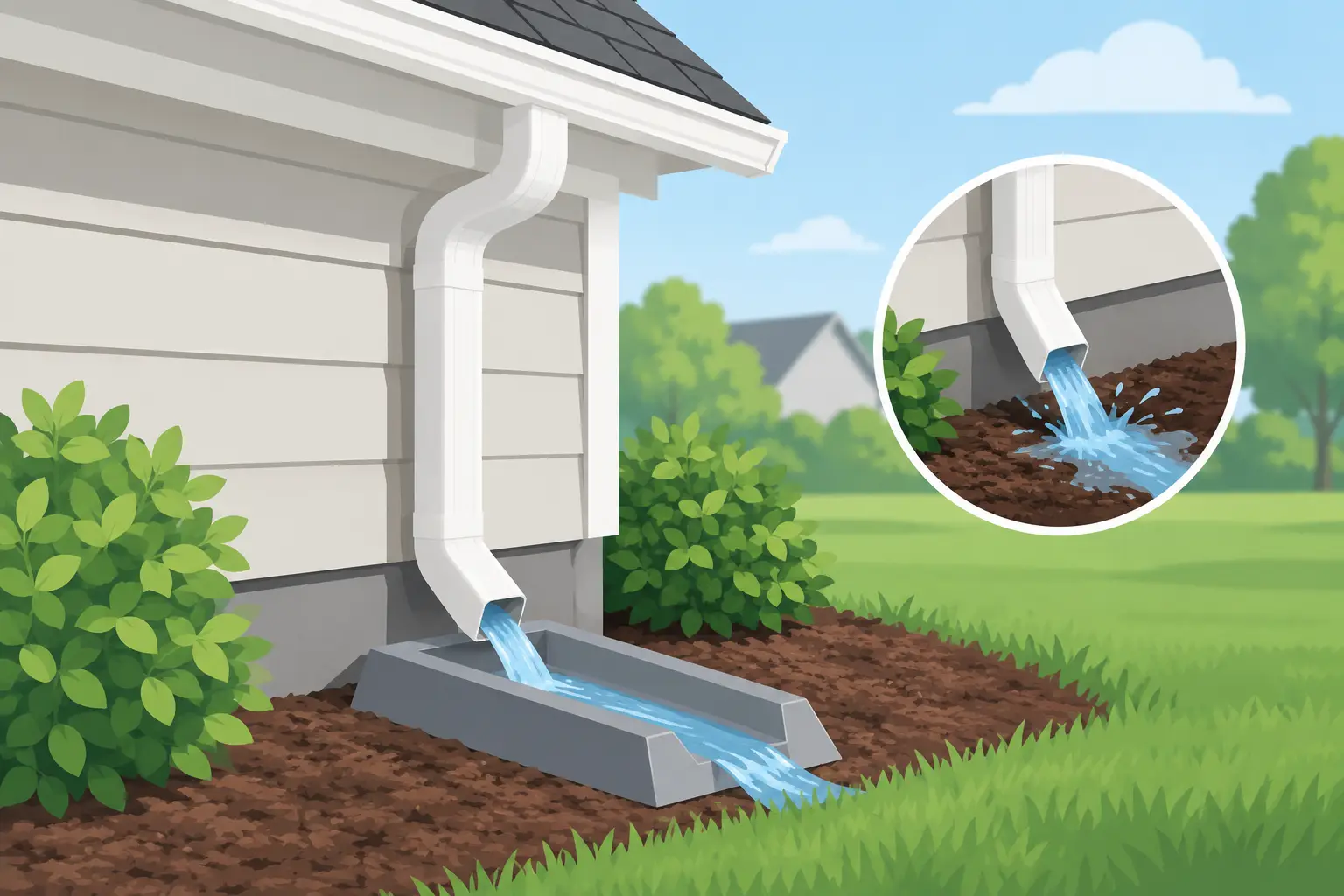
Clogs are a frequent cause. Leaves, twigs, roofing grit, and nest material can block water flow and force it over the front or back of the gutter. In other cases, a downspout may be undersized or blocked, causing water to back up during a hard rain. Gutters with incorrect slope can hold standing water, and loose hangers can create low spots that worsen the problem.
Roof conditions matter too. Missing drip edge, damaged shingles near the eave, or improper roof runoff can direct water behind the gutter. A careful inspection should consider the gutter, fascia, soffit, roof edge, downspouts, and the area where water discharges near the home.
If the cause is not corrected, even brand-new fascia can be exposed to the same damaging conditions. That is why an itemized estimate should explain more than the board replacement itself. It should show what drainage corrections are recommended and why.
Material and Installation Choices Matter
Wood fascia remains common, but replacement materials and protective coverings can vary by home. The best option depends on the existing construction, local weather exposure, and how the gutter system will be attached.
What matters most is proper preparation. Damaged material should be removed back to solid substrate, the roof edge should be evaluated for hidden moisture, and the new fascia should be protected and securely fastened. Gutters then need enough hangers, correct slope, and appropriately placed downspouts to keep water moving.
For homeowners tired of repeated clogs, leaf protection can reduce the overflow risk that often starts fascia damage. A continuous-hanger system such as Double Pro by Alurex can support gutters while helping keep debris out. It is not a substitute for repairing rotten fascia, but it can be a useful part of a long-term drainage plan once the structure is sound.
What to Expect From a Straightforward Estimate
You should not have to guess whether a contractor is proposing a patch that will fail next season or a replacement that goes beyond what is necessary. A thorough assessment should identify the affected fascia areas, test the condition of the mounting surface, and explain whether the gutter can be safely reused.
Ask whether the estimate includes removal of damaged material, fascia installation, gutter removal and reinstallation if needed, hanger replacement, sealing, cleanup, and drainage corrections. Clear line-item pricing makes it easier to compare options without worrying about surprise charges later.
At Seamless Gutter Solutions LLC, a free inspection and detailed estimate can help homeowners understand the condition of their gutter and fascia before choosing a path forward. The focus should be on the repair that protects the home, not on selling work that the situation does not require.
Protect the Roofline Before the Next Storm
A loose gutter or peeling fascia may look like a small exterior chore, but water rarely stays in one place. Addressing the issue early can protect the roof edge, siding, landscaping, and foundation from a more expensive chain of damage. If you see overflow, sagging, or staining near your gutters, schedule an inspection while the problem is still easy to define and easier to fix.