

A new gutter system can look great on installation day and still leave you with questions once the first hard rain arrives. Will the installer return if a joint drips? What happens if a downspout comes loose? Does a leaf guard warranty cover clogs? This gutter warranty coverage guide explains what homeowners should expect before approving an estimate.
A warranty is valuable only when it is clear, practical, and backed by a contractor who will answer the phone. The best way to protect your home is to understand exactly what is covered, for how long, what maintenance is required, and which problems fall outside the agreement.
What Gutter Warranty Coverage Usually Includes
Most gutter warranties fall into two separate categories: workmanship coverage and manufacturer material coverage. They address different risks, so both deserve attention.
A workmanship warranty covers the installation itself. This may include improperly secured gutters, leaking seams, loose downspouts, failed hangers, incorrect pitch, or other issues caused by how the system was installed. Seamless gutters have fewer joints than sectional systems, but they still depend on proper slope, secure fastening, correctly sized downspouts, and careful sealing at the necessary connections.
Material coverage comes from the manufacturer and applies to defects in the gutter, downspout, hangers, finish, or gutter guard product. For example, a manufacturer may cover premature paint failure or a defect in an aluminum component. It generally does not cover damage caused by a falling branch, ladder impact, storm debris, neglect, or a change made by another contractor.
The length of coverage varies widely. A longer warranty can be reassuring, but the wording matters more than the number of years. A lifetime material warranty with strict exclusions may offer less real-world protection than a clear workmanship warranty from a local installer who stands behind the work.
Read the Scope, Not Just the Warranty Length
When comparing estimates, do not settle for a line that simply says “warranty included.” Ask for the terms in writing. A detailed quote should identify the products being installed, the work being performed, and the warranty tied to each part of the project.
Start by confirming whether labor is included. Some manufacturer warranties cover replacement material only. If a component is defective, you may still be responsible for removal, disposal, service travel, and reinstallation unless those costs are specifically covered.
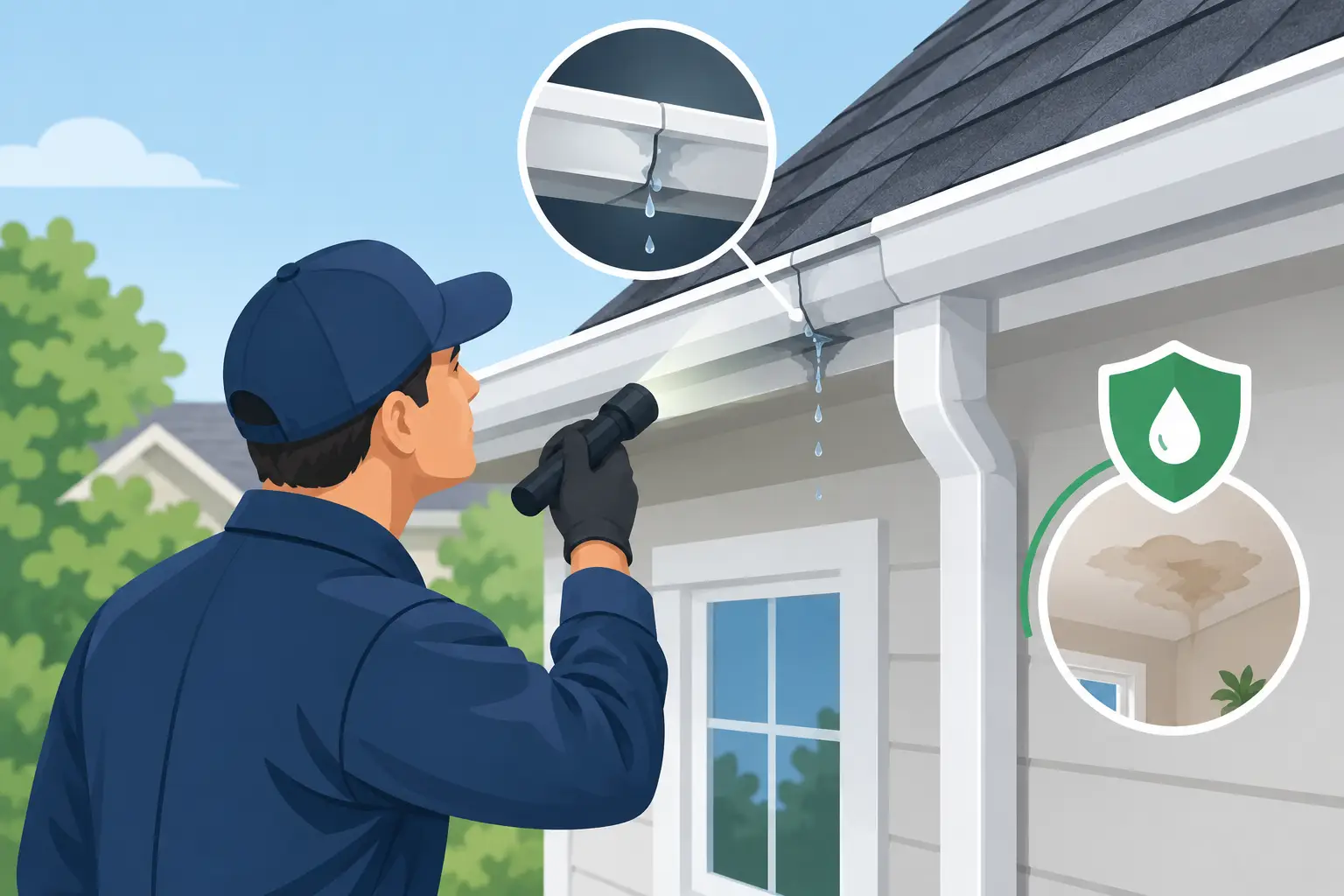
You should also ask whether the warranty covers leaks. A small leak at an end cap or outlet can stain fascia, saturate landscaping, and direct water where it does not belong. If the leak results from installation, that is usually a workmanship issue. If it results from storm damage or a clogged system, it may not be covered.
Cosmetic concerns need their own clarification. Minor scratches, color variation, or marks that do not affect performance are often excluded. On the other hand, unusual peeling, blistering, or finish breakdown may be covered under a product warranty. The distinction should be clear before installation begins.
Gutter Warranty Coverage Guide: Common Exclusions
No legitimate warranty covers every possible problem. Exclusions are normal, especially when damage is caused by conditions outside the installer’s control. What matters is that those limits are plainly explained rather than buried in vague language.
Common exclusions include:
- Damage from wind, hail, ice, falling limbs, fire, accidents, or other severe weather events
- Clogs caused by leaves, roof grit, nests, or deferred cleaning when no guard system is installed
- Damage caused by ladders, pressure washing, roofing work, siding work, or alterations by another party
- Problems created by underlying roof, fascia, soffit, or structural conditions that were not part of the gutter project
- Water intrusion resulting from ice dams, roof leaks, inadequate grading, or drainage issues beyond the gutter system
These exclusions do not mean the system is unprotected. They simply define the boundary between a product or installation issue and a maintenance, weather, or property condition issue. In Eastern Indiana and Western Ohio, that distinction matters. Freeze-thaw cycles, heavy leaf drop, and strong storms can all affect how a drainage system performs.
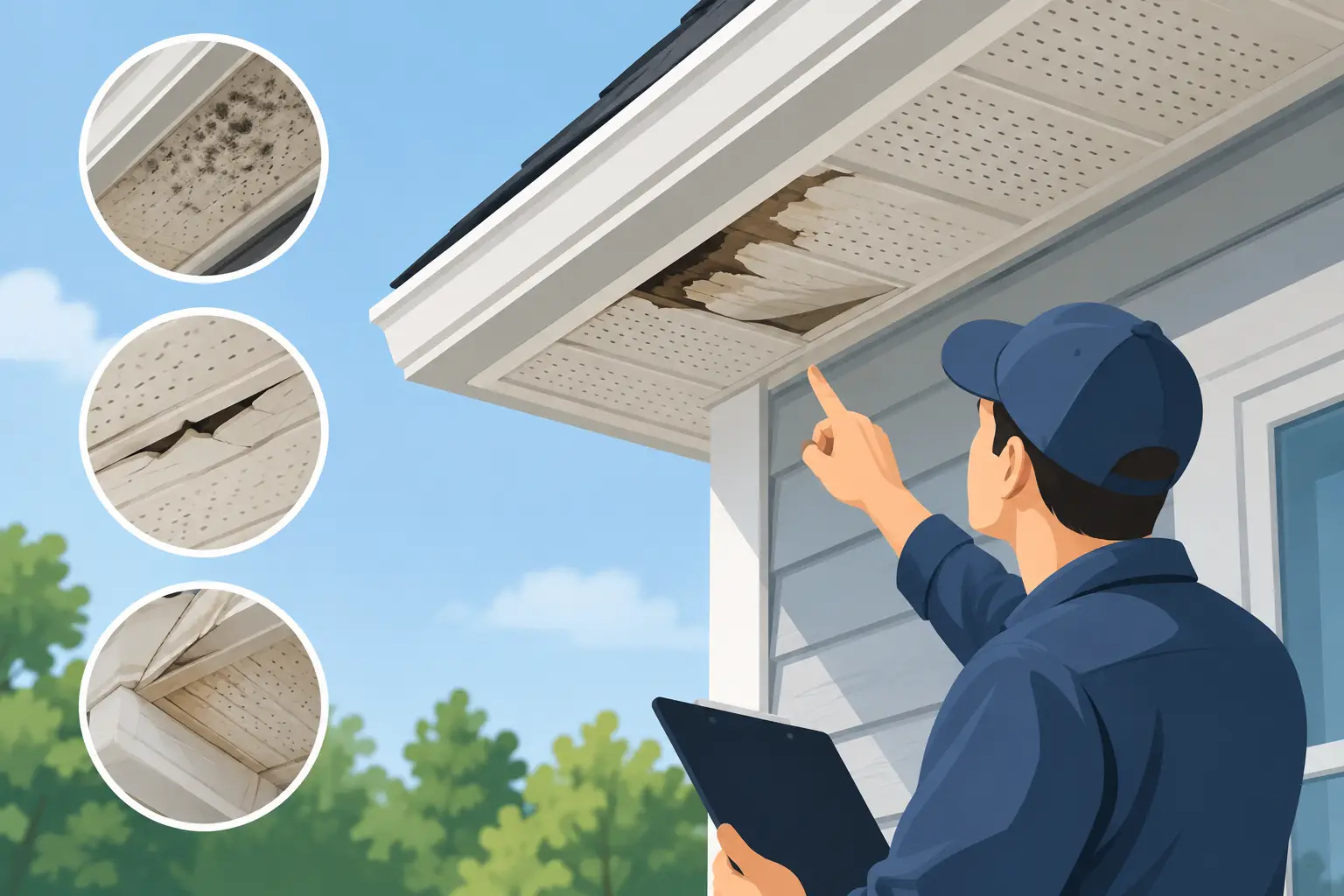
A responsible installer should point out visible concerns during an inspection. Rotten fascia, a roof valley that releases a heavy volume of water, or a downspout location that drains toward the foundation can require additional work. Addressing those conditions upfront is usually less expensive than discovering them after water has already caused damage.
Leaf Guard Warranties Need a Closer Look
Gutter guards can reduce routine cleaning and help keep water moving, but they are not all built or warranted the same way. A guard warranty may cover the guard material, the fastening method, or the guard’s ability to keep certain debris out. It may not promise that a homeowner will never need maintenance again.
Ask what “clog-free” means in the actual warranty. Does it cover the gutters only, or also the roof valleys and downspouts? Does the company inspect the system if water flows over the front edge? Is a service visit included, or does the homeowner pay for labor? These details matter more than a broad marketing claim.
Premium continuous-hanger systems, such as Double Pro by Alurex, can provide both leaf protection and added gutter support. That design can be especially useful where mature trees and seasonal debris put pressure on a gutter system. Even so, no guard can stop every possible issue. Fine roof grit, moss, heavy snow, and neglected roof maintenance can still affect performance.
The practical goal is not a promise that your home will never need attention. It is a properly designed system with fewer opportunities for debris buildup, sagging, overflow, and surprise maintenance.
Questions to Ask Before You Sign
A straightforward contractor should welcome warranty questions. Use the conversation to judge both the coverage and the company behind it. Before signing, ask:
- What is covered by your workmanship warranty, and how long does it last?
- Which warranty comes from the manufacturer, and what does it cover?
- If a covered problem occurs, are labor and service-call costs included?
- What maintenance do I need to perform to keep coverage valid?
- Are leaks, loose hangers, downspout connections, and gutter pitch included in workmanship coverage?
- What conditions would void the warranty?
- Will I receive the warranty terms and itemized project details in writing?
Pay attention to how direct the answers are. If someone cannot explain the difference between product coverage and installation coverage, that uncertainty may continue after the job is finished. Clear answers now reduce the chance of a frustrating dispute later.
How to Protect Your Coverage After Installation
Keep your signed estimate, invoice, warranty paperwork, and any product registration information in one place. Take a few photos of the completed installation, especially the downspout routes and discharge areas. If a concern develops later, those records make it easier to describe the issue and confirm what was installed.
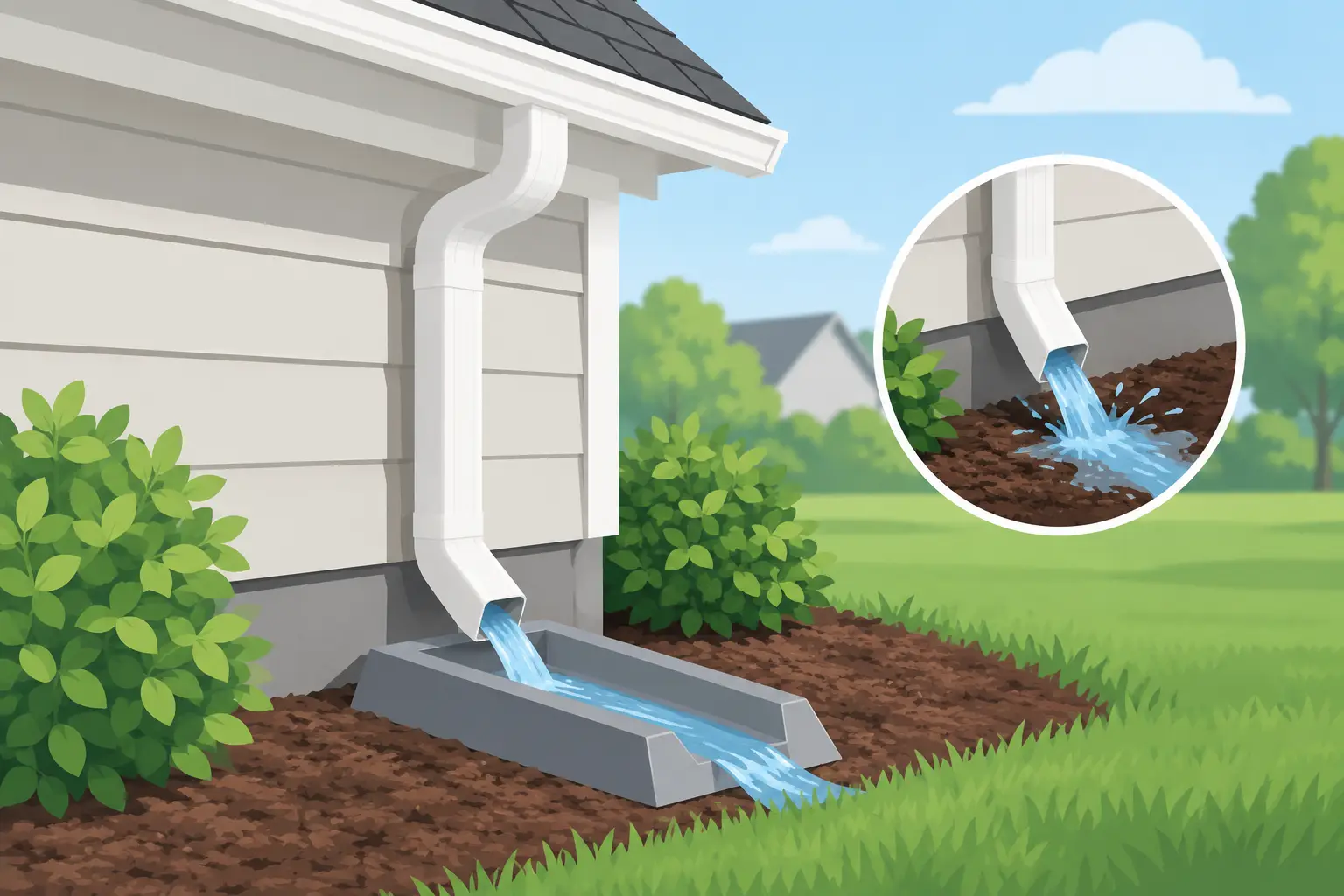
Follow reasonable maintenance recommendations. Even with quality leaf protection, it is smart to watch for overflow during a hard rain, make sure downspout extensions remain connected, and keep the area around the discharge point clear. Water should move away from the foundation, not pool beside it.
If you notice a problem, contact the installer promptly instead of attempting a repair with sealant, screws, or a ladder. A quick report can prevent a small issue from becoming fascia damage, soil erosion, or water near the basement. Unauthorized modifications can also complicate a warranty claim.
For homeowners who want a clear starting point, Seamless Gutter Solutions LLC provides free inspections and detailed, itemized estimates with no hidden fees. That gives you an opportunity to discuss gutter condition, drainage needs, and warranty expectations before committing to the work.
The right warranty should make ownership easier, not force you to decode fine print after a storm. Ask for clear terms, keep your records, and choose a contractor who treats your home’s water management as the long-term protection job it is.