

A hard wind can turn a properly working gutter system into a water-management problem overnight. You may hear metal rattling during the storm, then notice a section pulling away from the roofline or water pouring over the edge at the next rain. Gutter repair after wind damage is not just about making the exterior look right again. It is about restoring the controlled path that keeps runoff away from your roof, siding, landscaping, and foundation.
For homeowners in Eastern Indiana and Western Ohio, acting promptly can prevent a manageable repair from becoming fascia rot, stained siding, washed-out mulch, or a wet basement. Start with a safe visual check, then get a clear assessment if anything looks loose, bent, or out of place.
What to Do After a Windstorm
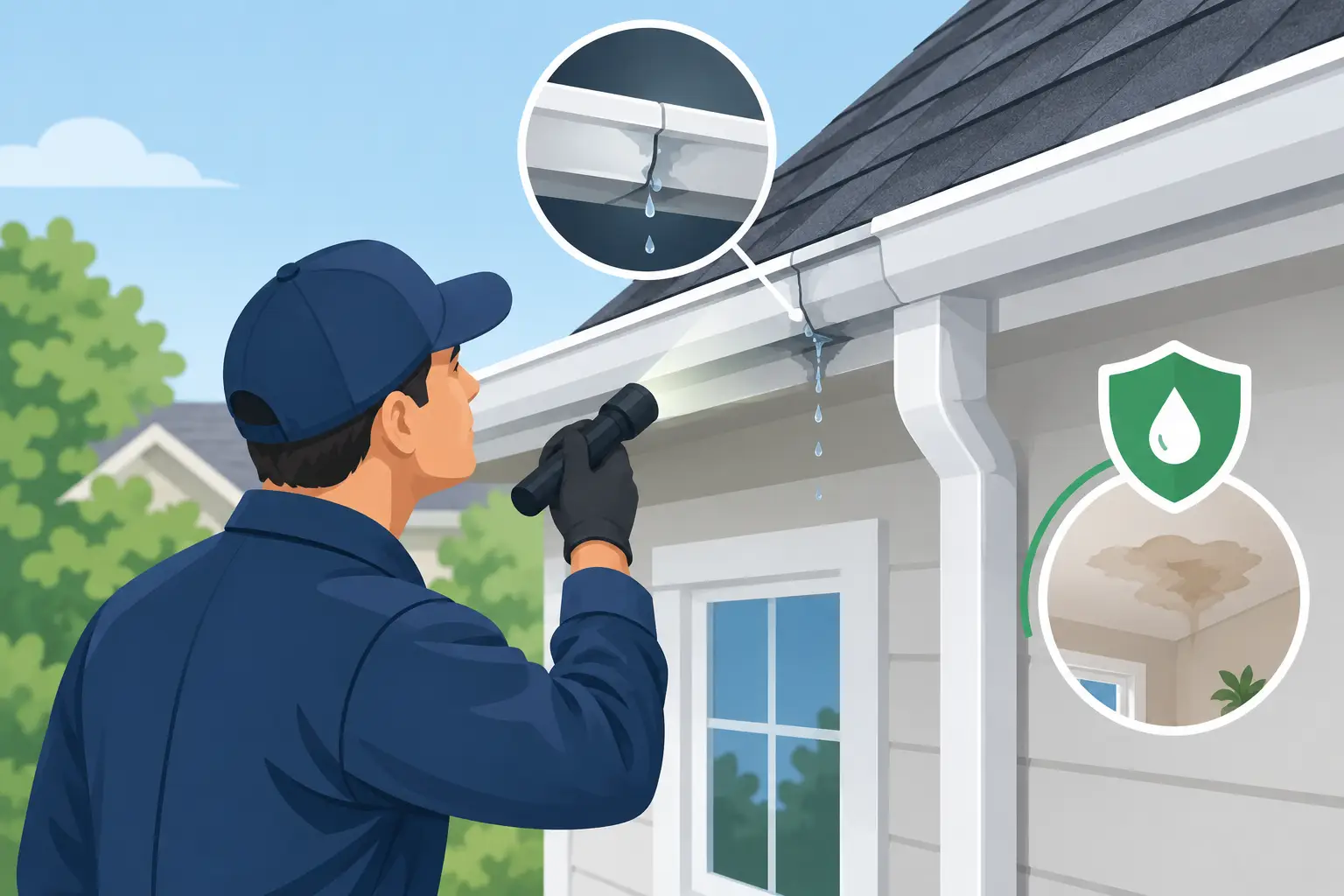
Do not climb a ladder while winds are still active or the ground is wet. A ground-level inspection with binoculars is often enough to identify obvious storm damage. Walk around the house and look for gutter sections that sag, pull away from the fascia, dip in the middle, or sit at a different angle than the rest of the run.
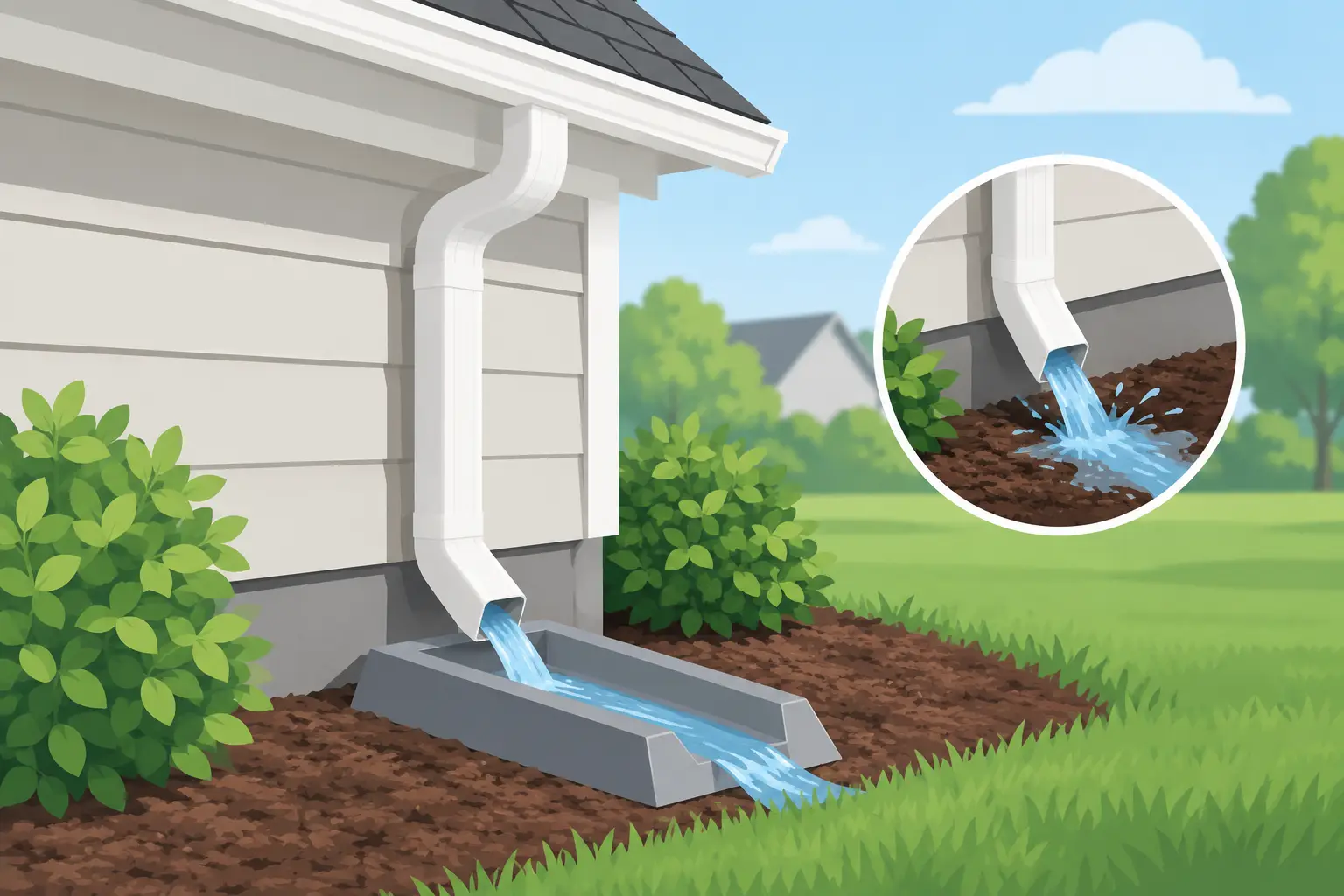
Also watch for downspouts that have separated at an elbow or detached from the wall. A downspout lying on the ground may seem minor, but it can direct a large volume of water straight beside the foundation during the next storm. If a gutter section is hanging loose, keep people away from that area until it can be secured.
Check the ground for metal fragments, broken fasteners, leaf guard pieces, or piles of shingles and branches. Debris can tell you where the strongest force hit. If a tree limb is resting on the gutter or roof, do not try to pull it free yourself. The branch may be holding damaged materials in place, and shifting it can make the damage worse.
Take clear photos before any cleanup or temporary repair. Photos are useful when discussing the condition with a contractor and may help if you need to speak with your insurance provider about broader storm damage.
Signs Gutter Repair After Wind Damage Is Needed
Wind damage is not always dramatic. A gutter can remain attached while its slope, fasteners, or connection points have been compromised. The next rainfall is often when the problem becomes visible.
A healthy gutter should have a consistent line and a subtle pitch toward the downspout. If water sits in one area after rain, the gutter may have been bent or pulled out of alignment. Standing water adds weight, which can loosen hangers further and put additional strain on the fascia board.
Look for these common conditions:
- Gutters pulling away from the roof edge or visibly sagging between hangers
- Bent, crushed, twisted, or split gutter sections
- Loose end caps, corners, outlets, or downspout elbows
- Overflow in a spot that previously drained correctly
- Missing fasteners, damaged fascia, or water stains behind the gutter
A few loose screws may be a straightforward repair if the gutter and fascia are otherwise sound. A crushed seamless gutter run, a split corner, or rotted mounting surface may call for a more involved solution. The right answer depends on the condition of the entire drainage system, not only the most visible damaged spot.
Pay Attention to the Fascia Board
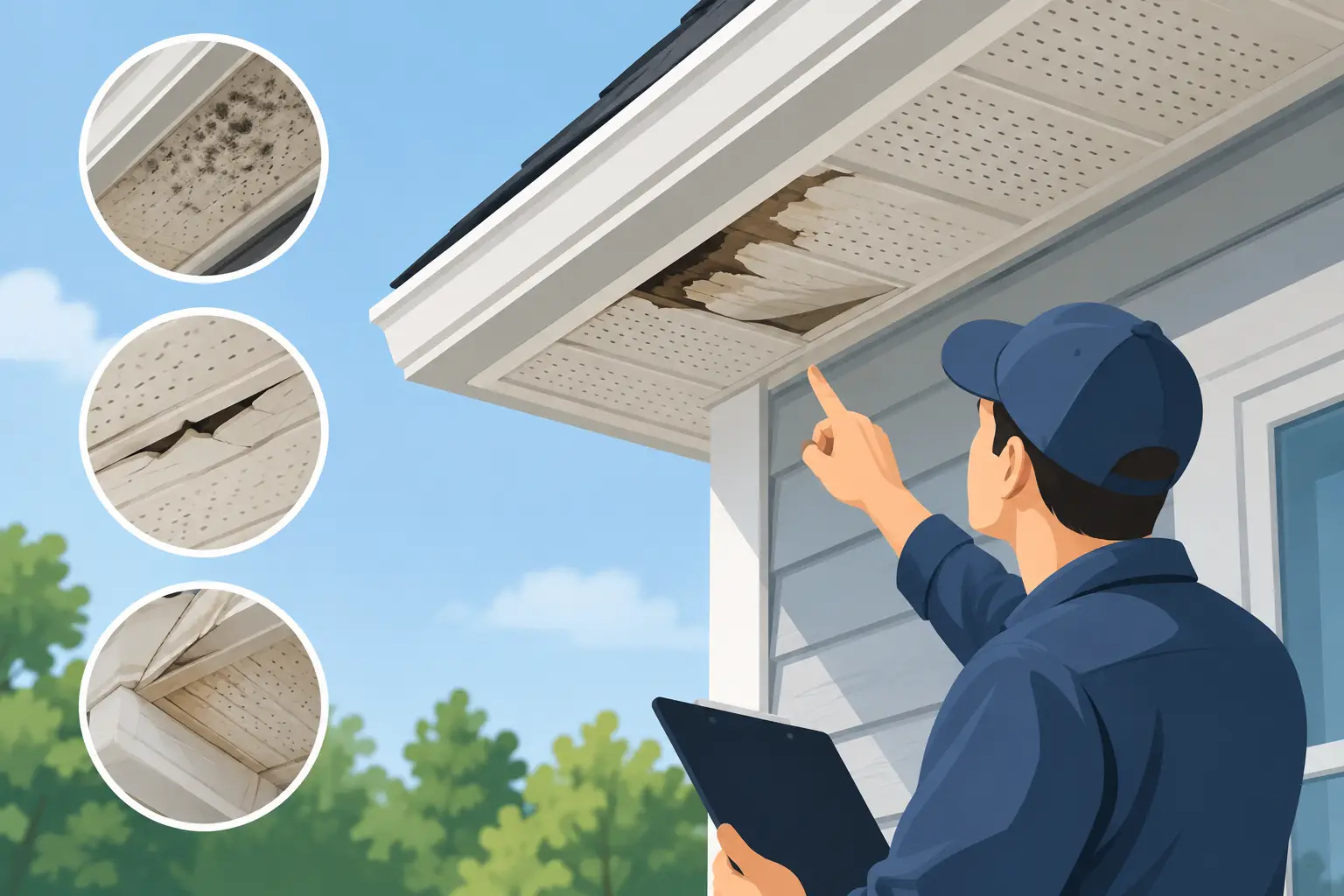
The fascia board is the wood behind the gutter. When wind pulls on a loose gutter, it can tear fasteners from that board or expose wood that has already been weakened by moisture. Simply reattaching the gutter to soft or rotted wood will not provide a lasting repair.
A professional inspection should identify whether the issue is the gutter itself, the hangers, the fascia, or a combination of all three. Addressing the supporting structure protects the new repair from failing during the next heavy rain or wind event.
Why Prompt Repairs Protect More Than the Gutter
Gutters are designed to collect roof runoff and move it to a safe discharge point. When they are loose, blocked, incorrectly pitched, or disconnected from the downspout, water takes the easiest route instead. That can mean spilling against siding, soaking the roof edge, or pooling near the foundation.
In Richmond, Muncie, Connersville, Greenville, Dayton, and surrounding communities, storms can arrive with heavy rain shortly after high winds. Waiting for a convenient time to repair a damaged system can leave the home exposed during the very next weather event.
Water behind a loose gutter can damage fascia and soffit materials. Repeated overflow can stain siding, erode landscape beds, and create muddy areas around the home. Near the foundation, concentrated runoff may contribute to moisture problems in crawl spaces or basements. A timely gutter repair is usually far less disruptive than repairing the building materials water reaches after the system fails.
What a Professional Gutter Repair Should Address
A proper repair begins with a close inspection of the full system. Wind may damage the section you can see while also loosening hangers several feet away, shifting the gutter pitch, or pulling a downspout connection out of place.
The repair process may include securing or replacing hangers, correcting the slope, reconnecting downspouts, resealing joints, replacing damaged components, or removing and replacing a section that cannot be restored. If the gutter is beyond repair, replacing a damaged run with seamless gutter may provide a cleaner, more dependable fit than trying to patch distorted material.
Seamless Gutter Solutions LLC provides free inspections and estimates so homeowners can understand the condition of their system before committing to work. A detailed, itemized quote helps separate necessary repairs from optional improvements, with no hidden fees added later.
Repair or Replace? It Depends on the Damage
Repair is often the sensible choice when damage is limited to fasteners, hangers, a downspout elbow, a small connection issue, or a section that can be realigned without compromising drainage. It is typically faster and less expensive than replacing a full run.
Replacement may be the better value when a gutter is deeply crushed, badly twisted, split along its length, or repeatedly pulling away because the existing system is undersized or poorly supported. If multiple joints leak or the gutter has longstanding slope problems, repairing one spot may only delay the next service call.
There is also a practical appearance consideration. A patch can be functional, but it may not blend perfectly with an older gutter system. An honest assessment should explain that trade-off clearly rather than treating every problem as either a quick fix or a full replacement.
Can You Repair Wind-Damaged Gutters Yourself?
Homeowners can sometimes handle simple cleanup from the ground, such as removing fallen branches that are not touching the roof or reconnecting a downspout extension. Beyond that, gutter work involves ladder safety, roof-edge hazards, sharp metal, and the risk of causing additional damage by changing the gutter slope.
Avoid driving extra screws through a loose gutter as a quick fix without checking the fascia behind it. If the board is soft, more fasteners may not hold. Avoid using heavy sealant to cover a bent joint, too. Sealant can stop a small leak temporarily, but it cannot correct a distorted gutter, poor pitch, or failed support.
If you see active leaking near the home and cannot schedule an immediate repair, make sure downspout extensions are directing water well away from the foundation. This is a temporary water-control step, not a substitute for fixing the damaged system.
Reduce the Risk Before the Next Windstorm
No gutter system is completely immune to severe weather, but proper installation and maintenance reduce the chances of ordinary wind events causing major problems. Secure hangers, correct spacing, sound fascia, and properly attached downspouts all matter. Keeping gutters clear also reduces unnecessary weight that can stress the system during rain and wind.
Leaf protection can help by limiting the buildup of leaves and debris that holds water in the gutter. Premium options such as Double Pro by Alurex use a continuous-hanger design that supports the gutter while helping keep debris out. A guard is not a cure for damaged fascia or an improperly installed gutter, but it can be a worthwhile upgrade when the underlying system is in good condition.
When reviewing a repair estimate, make sure it clearly identifies the work being recommended. A useful quote should explain the damaged areas, the proposed repair or replacement materials, any fascia concerns, and how downspout drainage will be restored. You should never have to guess what is included or worry about surprise charges after the work begins.
If a storm has left your gutters loose, bent, or overflowing, arrange an inspection before the next heavy rain turns a visible exterior issue into hidden water damage. Clear answers and a sound repair plan can give you confidence that your home is ready for the weather ahead.