
A gutter can look level from the ground and still drain correctly. In fact, it should have a subtle, intentional pitch toward the downspout. This guide to gutter slope installation explains how that pitch works, why small measurement errors matter, and when a drainage issue calls for professional attention rather than another quick fix.
For homeowners in Eastern Indiana and Western Ohio, proper slope matters through every season. Heavy summer storms, falling leaves, ice, and repeated freeze-thaw cycles all expose weak points in a gutter system. When water cannot move freely to the downspout, it can spill over the front edge, run behind the gutter, soak landscaping, or collect near the foundation.
What Gutter Slope Does for Your Home
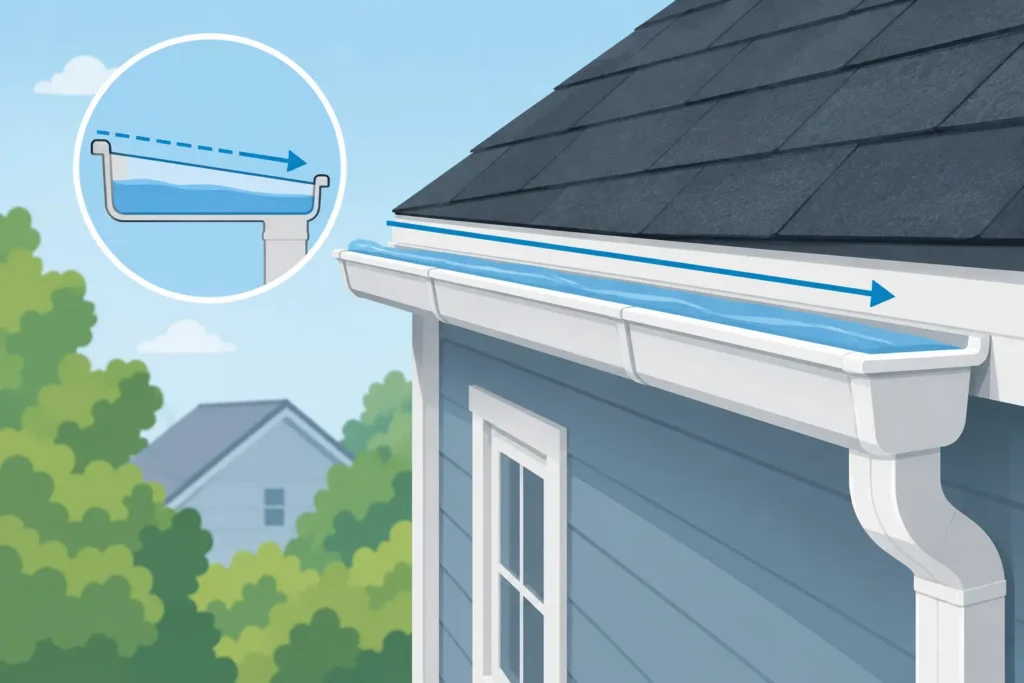
Gutter slope, also called pitch, is the gradual downward angle that guides rainwater from the high end of a gutter run to the downspout. It is not a steep angle. A properly installed gutter usually looks straight when viewed from the driveway or sidewalk, but it has enough fall to keep water moving.
The common installation guideline is about one-quarter inch of drop for every 10 feet of gutter. A 20-foot run, for example, may drop roughly one-half inch from the far end to the downspout. The exact layout depends on the length of the roofline, the number and placement of downspouts, the roof area feeding the gutter, and the condition of the fascia board behind it.
Slope is only one part of drainage. A gutter can have the right pitch but still overflow if it is undersized, clogged, dented, or connected to too few downspouts. Likewise, a clean gutter will not perform well if it has settled out of alignment. Looking at the full system is the best way to find the real cause of a water problem.
Guide to Gutter Slope Installation: The Right Layout
A professional installation starts before the first hanger is fastened. The installer evaluates the roofline, identifies valleys and high-volume runoff areas, checks the fascia for rot or uneven sections, and determines where downspouts can carry water safely away from the home.
Choose the downspout location first
The downspout is the destination, so its location determines the direction of the slope. A short gutter run generally slopes toward one downspout at one end. Longer runs may need downspouts at both ends, with the highest point near the center. This creates two gentle slopes and reduces the distance water must travel.
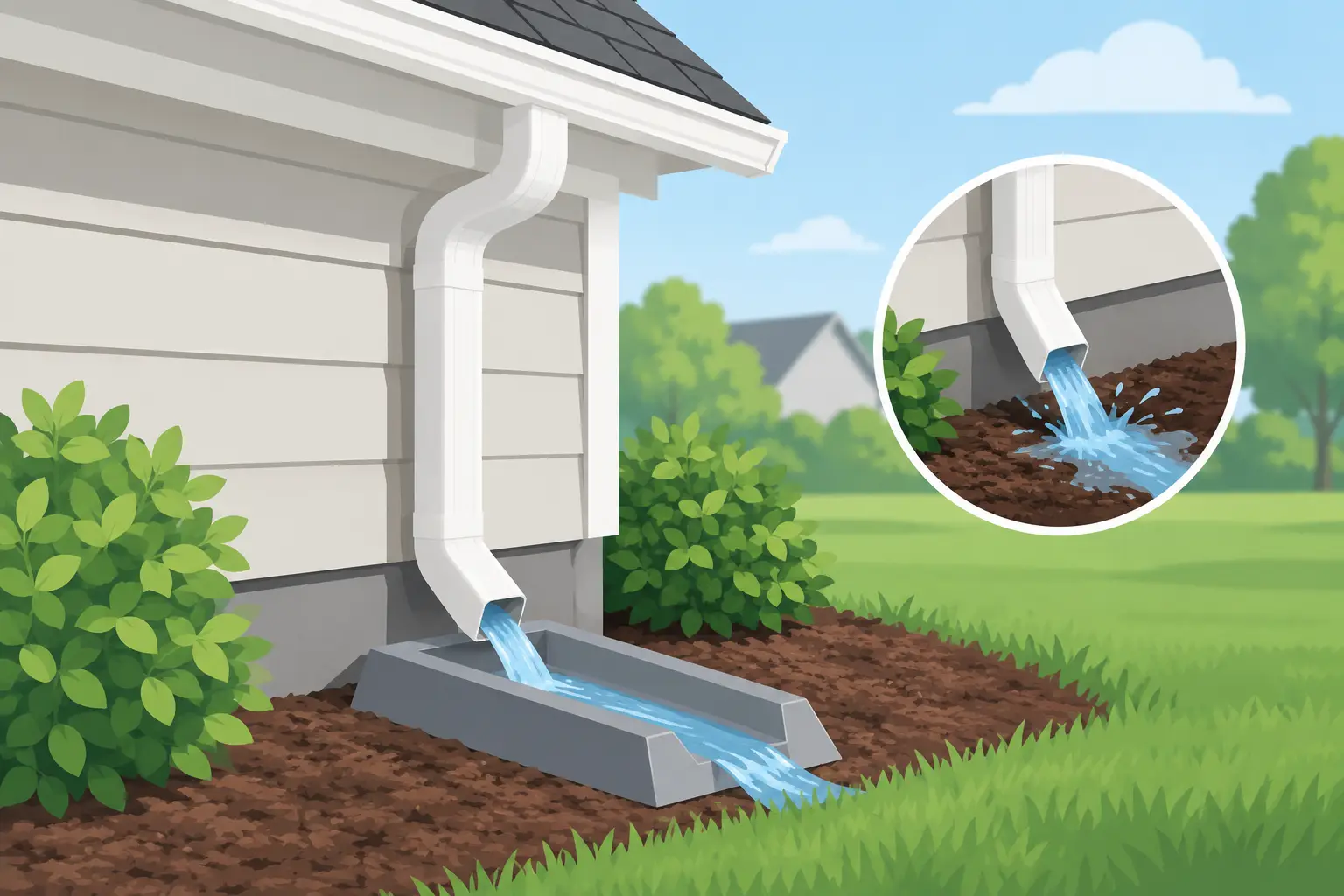
Placement should also account for where discharged water will go. A downspout that empties beside a walkway, driveway, or low spot in the yard can create a new problem even if the gutter itself drains perfectly. Extensions or underground drainage may be appropriate when water needs to be directed farther from the foundation.
Set a high point and a low point
Once the downspout location is selected, the installer marks the high point at the opposite end of the run and calculates the drop needed at the downspout end. A string line or laser level helps establish a consistent reference. This step is where precision matters most.
If the gutter is hung too flat, water can sit in the channel and leave behind debris, shingle grit, and standing water. If it is pitched too aggressively, the slope may become visible, look uneven, and reduce the gutter’s ability to catch fast-moving water in a heavy storm. The goal is controlled drainage that protects both performance and curb appeal.
Secure the gutter to sound fascia
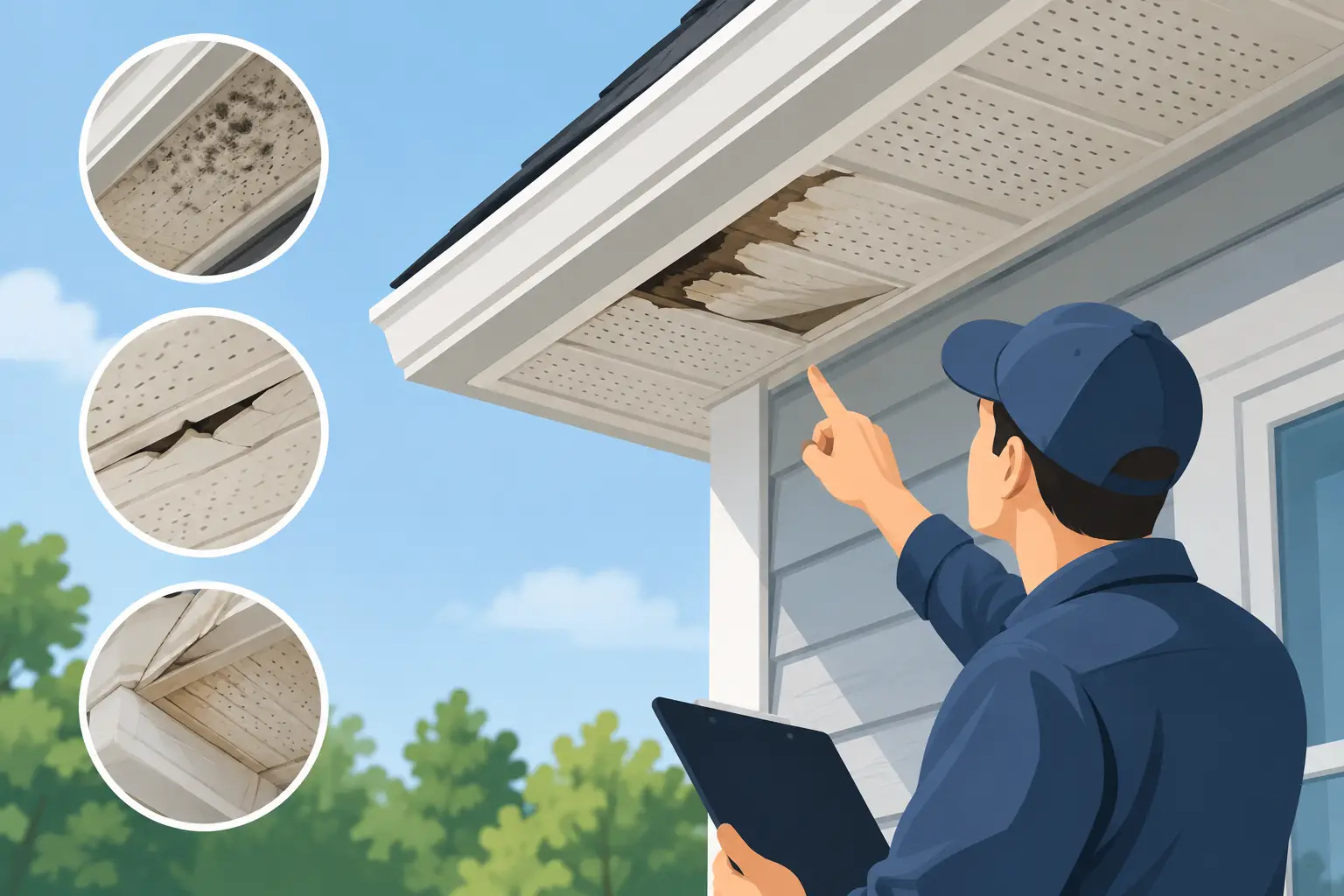
Gutters rely on the fascia board for support. If the wood is soft, rotted, split, or bowed, new hangers will not hold their position over time. The system may begin with the correct slope and slowly sag as the fascia fails or fasteners pull loose.
This is one reason gutter replacement should not be treated as a simple attachment job. The roof edge, fascia condition, drip edge, and existing water damage all affect the finished installation. Addressing a weak mounting surface before the gutter goes up helps prevent repeat repairs later.
Use sufficient hangers and check the full run
Hidden hangers support the gutter from the inside and help maintain its line along the roof edge. They need to be spaced appropriately for the gutter material, local weather exposure, and the weight the system may carry during rain, snow, or ice conditions. Wider hanger spacing can allow dips to form between supports.
After installation, the entire run should be checked, not just the ends. A gutter can slope correctly overall while having a low spot in the middle. That low spot holds water and debris, eventually adding weight that makes the sag worse.
How to Tell if a Gutter Has a Slope Problem
You do not need to climb a ladder to notice every drainage issue. Watch your gutters during a steady rain, then inspect the ground and exterior walls after the storm. Water behavior usually gives clear clues.
The following signs deserve attention:
- Water spills over one section of the gutter while other areas appear clear.
- Puddles or dark staining remain inside the gutter days after rainfall.
- A gutter line visibly dips, pulls away from the fascia, or has loose fasteners.
- Water streaks appear on siding, soffits, or the fascia board behind the gutter.
- Mulch washes away, soil erodes, or water collects near the foundation below a roof edge.
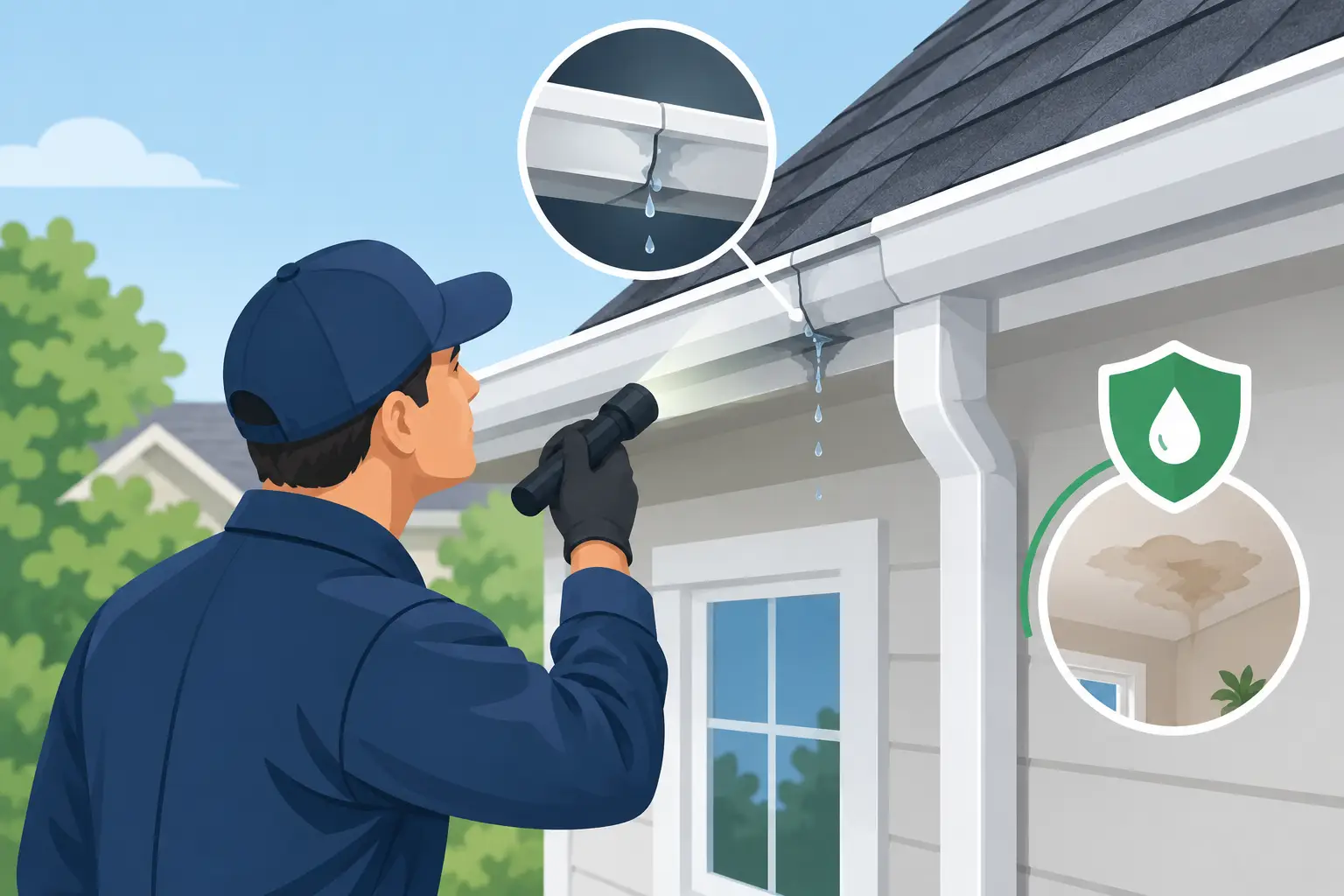
Overflow does not automatically mean the pitch is wrong. Leaves, roofing granules, nests, ice, and clogged downspouts can create the same symptom. That is why a free inspection is often more useful than assuming the whole gutter system needs replacement.
Why DIY Slope Adjustments Can Create Bigger Problems
Minor cleaning is one thing. Changing gutter slope is different because the work involves ladders, roof edges, fasteners, and the potential for hidden wood damage. Loosening a few hangers to “raise” one section can shift the rest of the gutter, crack an old seam, damage the fascia, or cause the gutter to pull away during the next heavy rain.
There is also a practical difference between sectional gutters and seamless gutters. Seamless gutters are formed to the exact length of the home, which reduces the number of joints where leaks often develop. They still require careful pitch and support, but adjustment or replacement should account for the whole custom-fitted run rather than treating each section as separate.
A professional can determine whether the system needs re-pitching, hanger replacement, downspout clearing, fascia repair, or a larger drainage upgrade. Sometimes a short repair is the right answer. Other times, repeated sagging, leaking seams, and poor water control make replacement the more cost-effective choice.
Leaf Protection Helps Preserve Proper Drainage
Even a correctly sloped gutter cannot move water well when debris blocks the channel or downspout opening. Leaves are a familiar concern, but maple seeds, pine needles, roof grit, and small twigs can be just as troublesome. Debris traps moisture, adds weight, and makes it easier for standing water to develop in low areas.
Regular gutter cleaning removes that buildup, but homeowners who want less maintenance may benefit from a quality gutter guard system. Not all guards perform the same way. A poorly fitted screen can clog at the surface or interfere with water entry during hard rain. Continuous-hanger systems, such as Double Pro by Alurex, are designed to provide structural support while helping keep debris out of the gutter channel.
Leaf protection does not eliminate the need for occasional inspection. It does, however, reduce the debris load that can hide a slope issue or accelerate wear on an otherwise sound system.
When to Schedule a Professional Inspection
Call for an inspection if overflow is affecting siding or landscaping, if gutters hold water after a storm, or if you see sagging along the roofline. It is also wise to have drainage checked before selling a home, after roof work, or when replacing damaged fascia and soffits. These projects can change how the gutter attaches and where roof runoff enters the system.
Seamless Gutter Solutions LLC provides homeowners with clear inspections and detailed, itemized estimates so they can understand the condition of their gutters before committing to work. A good estimate should explain whether the issue is cleaning, repair, re-pitching, replacement, or a combination of services. There should be no vague scope and no surprise charges.
Your gutters do quiet work until the day they do not. A properly sloped, securely supported system gives rainwater one reliable path away from your roofline, siding, foundation, and landscaping. If that path is in question, an inspection before the next hard storm can protect far more than the gutter itself.