
A gutter system can look fine from the driveway while quietly putting your foundation, siding, and landscaping at risk. When homeowners compare aluminum gutters vs steel, the right answer usually comes down to more than appearance. Local weather, roof runoff, maintenance expectations, and the condition of the home all matter.
For many homes in Eastern Indiana and Western Ohio, aluminum is the practical default because it resists rust, works well in seamless installations, and offers strong value. Steel can be a smart choice in specific situations, especially where extra impact resistance is needed. The key is choosing the material that will manage water reliably for your property, not simply choosing the one that sounds toughest.
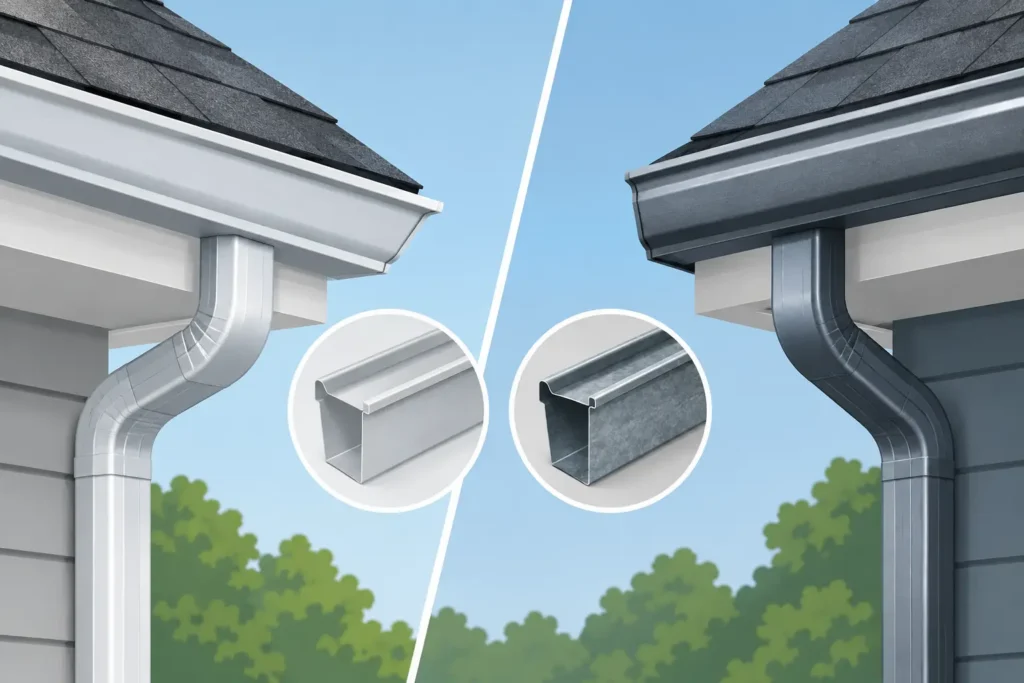
Aluminum Gutters vs Steel: The Main Difference
Aluminum gutters are lightweight, corrosion-resistant, and available in many colors. They are commonly formed on-site into continuous lengths, which means fewer seams along the roofline. Fewer seams generally mean fewer potential leak points over time.
Steel gutters are heavier and more rigid. Most residential steel gutter systems are galvanized or coated to help protect the metal from corrosion. Their added strength can be useful, but steel requires more attention to scratches, cut edges, and aging coatings because exposed steel can eventually rust.
Neither material is automatically right for every home. A properly sized, properly pitched gutter with secure hangers will outperform a premium material that was installed poorly. Material matters, but the installation details matter just as much.
Why Aluminum Is the Most Common Residential Choice
Aluminum has earned its place on so many homes for practical reasons. It does not rust like steel, which is especially helpful through the wet springs, summer storms, falling leaves, and freeze-thaw cycles common around Richmond, Muncie, Dayton, and surrounding communities.
Because aluminum is light, it puts less weight on the fascia board and is easier to support with properly spaced hangers. It is also well suited for seamless gutter installation. A contractor can form long runs to match the home, reducing the number of joints that can drip or separate.
Color is another advantage. Aluminum gutters come in a broad range of factory-finished colors, making it easier to coordinate with siding, trim, soffit, or roofing. The finish may fade over many years of sun exposure, but homeowners can often repaint aluminum if they want to refresh the exterior.
The trade-off is that aluminum can dent more easily than steel. A ladder leaned carelessly against the gutter, a falling branch, or a hard hit from a basketball can leave a mark. Thin aluminum also has less stiffness than heavier material, so quality hangers and correct installation are not optional.
When aluminum makes the most sense
Aluminum is usually a strong fit for homeowners who want dependable drainage, low corrosion risk, and a clean finished look without paying for a heavier metal system. It is particularly practical for standard residential roofs and homes that need long seamless runs.
It is also a sensible choice when a homeowner plans to add gutter guards. A quality guard system can help limit leaf buildup and standing water, reducing the conditions that lead to overflowing gutters, winter ice issues, and unnecessary cleaning.
Where Steel Gutters Have an Advantage
Steel’s primary advantage is strength. It is less likely to dent from ordinary impact and can feel more substantial on homes exposed to frequent tree debris or activity around the roofline. For some homeowners, that added rigidity is worth the extra weight and maintenance consideration.
Steel can also hold its shape well across long runs when installed correctly. That does not mean it can ignore heavy snow, ice dams, or overloaded debris. Any gutter can pull loose if water freezes inside it, downspouts clog, or failing fascia cannot hold the hanger system.
The major concern with steel is corrosion. Galvanized and painted steel are protected by a coating, but that coating can be compromised by scratches, worn paint, or exposed cut edges. Once rust starts, it can spread, stain the exterior, and weaken the gutter over time.
When steel may be worth considering
Steel may suit a homeowner who places a high priority on dent resistance and is prepared to monitor the finish over the years. It can be a reasonable option for a property with a specific architectural style or a location where physical impact is a recurring concern.
Before selecting steel, ask how the material is coated, how cut edges are treated, and what maintenance is expected. A clear answer is better than assuming all steel gutters offer the same level of rust protection.
Cost, Lifespan, and Maintenance Expectations
Material cost is only one part of a gutter project. The final price also depends on the home’s roofline, total footage, number of corners, downspout locations, story height, fascia condition, and whether old gutters must be removed. Gutter guards, drainage extensions, and repairs can also affect the scope.
Aluminum is often the more budget-friendly option for a seamless residential system. It delivers a long service life when it is installed with the proper slope, secured with quality hangers, and kept clear enough to drain. Since it does not rust, homeowners usually avoid one of the most common metal-gutter failure concerns.
Steel can cost more because of the material and the added demands of working with a heavier product. Its lifespan depends heavily on how well its protective coating holds up. A steel gutter that stays intact and is maintained can perform well, while one with neglected rust spots may need attention sooner than expected.
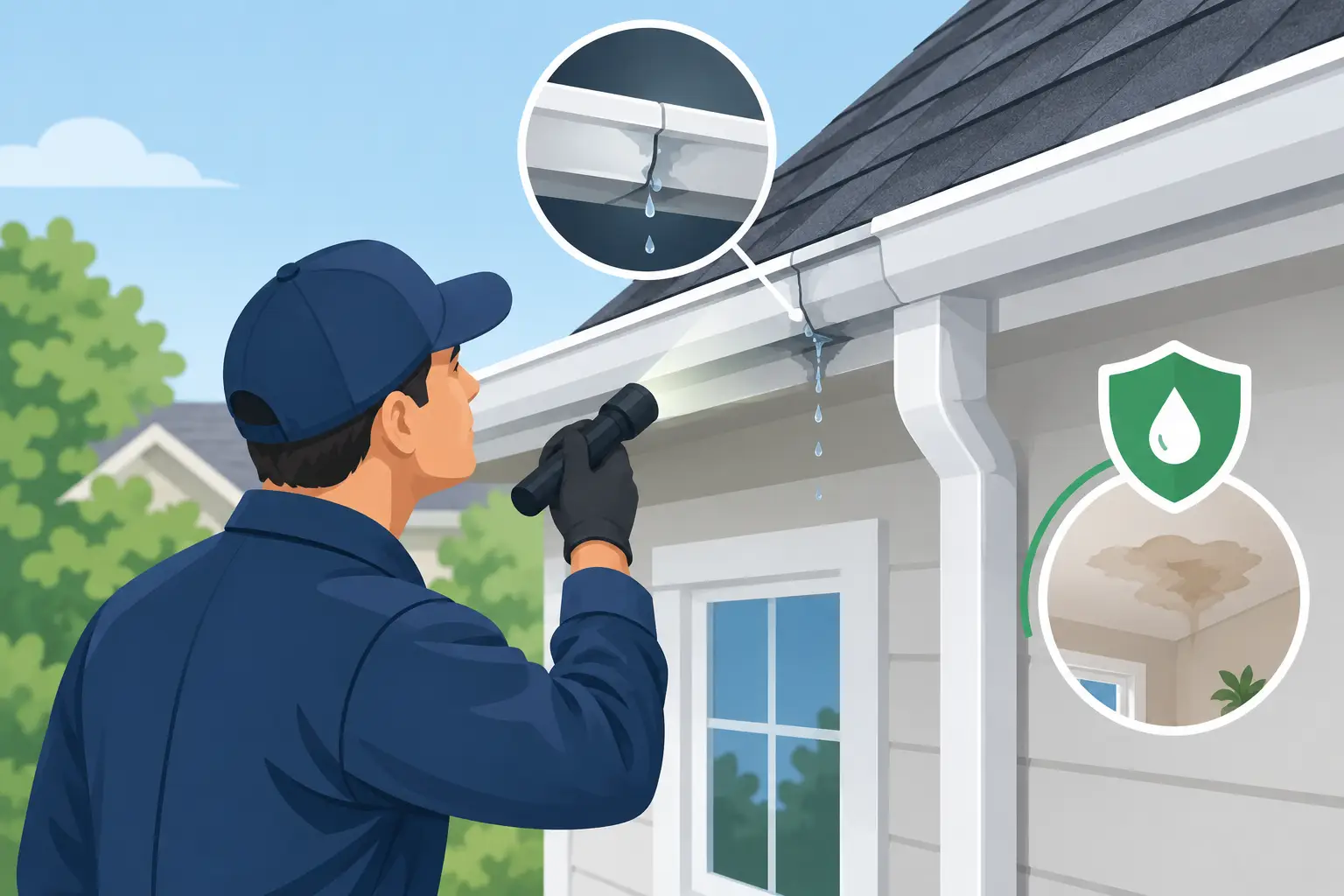
Both materials still need basic care. Gutters should be checked for debris, sagging, leaking joints, loose downspouts, and water spilling behind the gutter. After a major storm, look for branch damage and make sure downspouts are carrying water away from the foundation.
Water Management Matters More Than Metal Alone
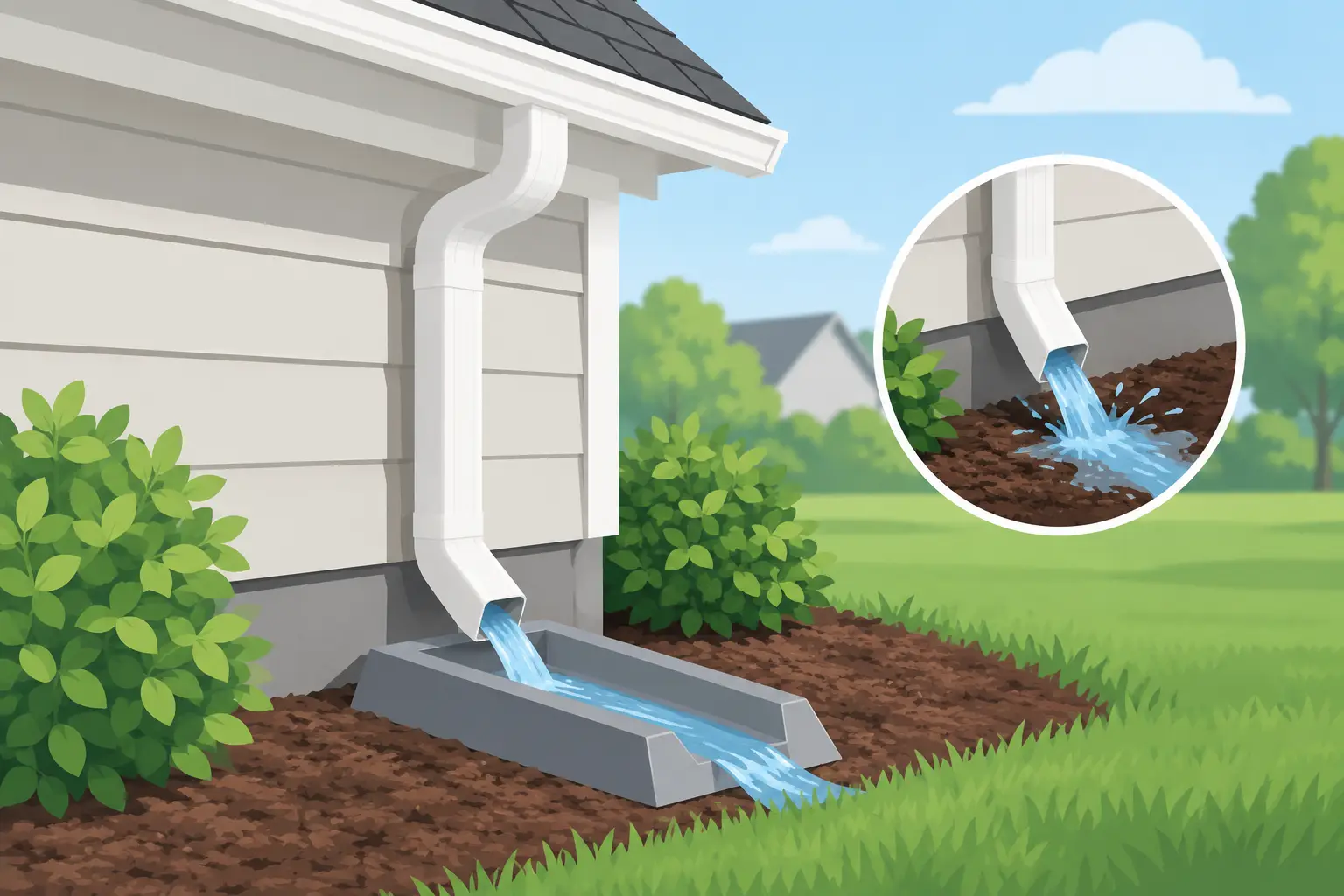
A gutter is only one part of the drainage system. Its size must match the roof’s runoff, and the downspouts must be placed where they can carry water away efficiently. An undersized system can overflow even if it is brand new and made from the strongest material available.
Proper pitch is equally important. Gutters need a subtle slope toward the downspouts so water moves instead of sitting. Standing water adds weight, attracts debris, and can speed up wear at seams and hangers. In winter, trapped water can freeze and create even more stress.
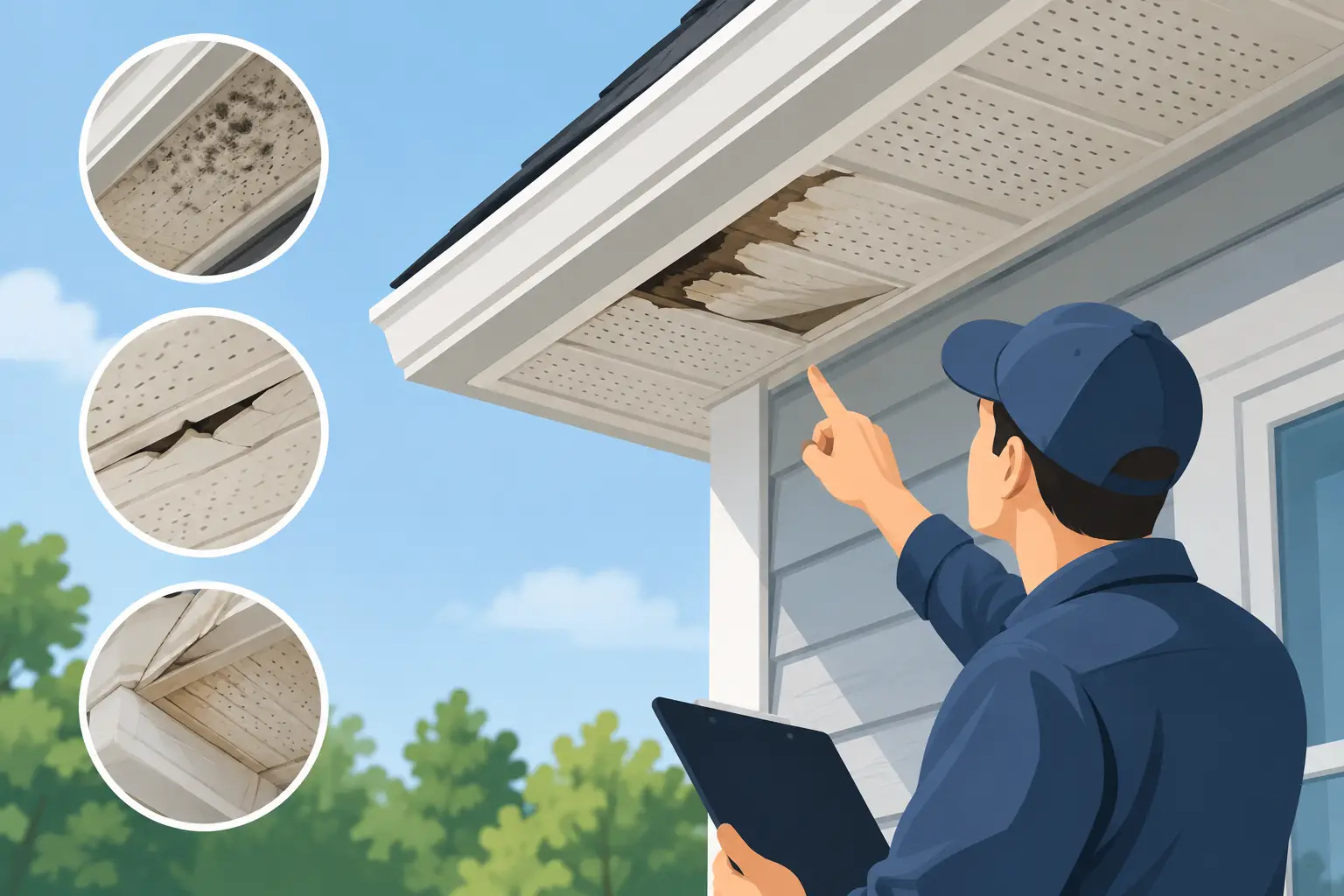
Fascia condition deserves attention as well. New gutters attached to soft, rotted, or poorly secured fascia will not stay stable for long. A trustworthy inspection should look at the supporting structure, not only the visible gutter material.
For homes surrounded by mature trees, leaf protection can change the maintenance equation. It will not eliminate every need for inspection, but a professionally installed continuous-hanger guard can help strengthen the gutter edge while reducing the volume of leaves and debris entering the system.
Choosing the Right Gutter for Your Home
If you want the best balance of corrosion resistance, cost, color choices, and seamless installation, aluminum is often the clear choice. It is the material that fits most residential properties in this region, provided it is thick enough for the application and installed with secure hangers.
If impact resistance is your top concern and you understand the need to protect and maintain the coating, steel may deserve consideration. Be realistic about the environment around your home. Heavy tree cover, frequent moisture, and scratched finishes are conditions where rust prevention becomes more important.
A free inspection and detailed, itemized quote can make the decision much less stressful. At Seamless Gutter Solutions LLC, the goal is to identify what your home actually needs, explain the options clearly, and provide pricing without hidden fees. The right gutter material should leave you with a system you can trust when the next hard rain arrives.